





Antique Scottish Desk Chair
These antique scottish desk chair examples span Georgian elegance to Edwardian practicality, offering enduring craftsmanship and rich regional timber work.
Antique Scottish Desk Chair
An antique scottish desk chair brings robust local character and refined regional cabinet-making into a modern study. When exploring this selection, buyers frequently encounter sturdy forms rooted in the 18th Century, Georgian, and Victorian periods.
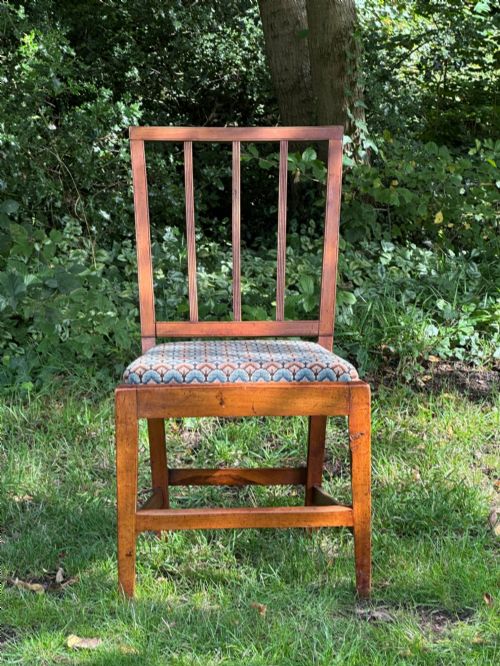
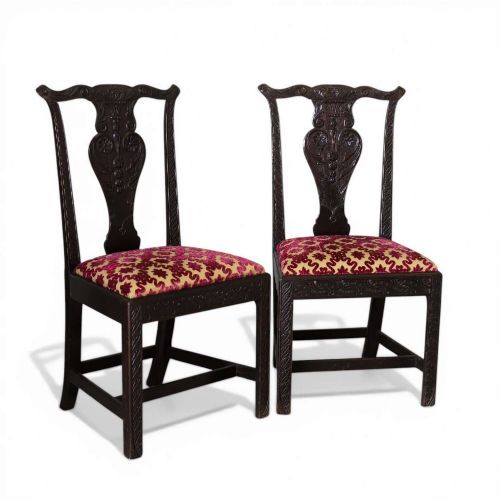
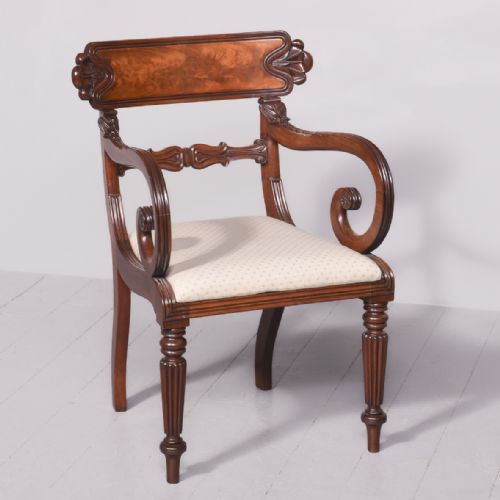
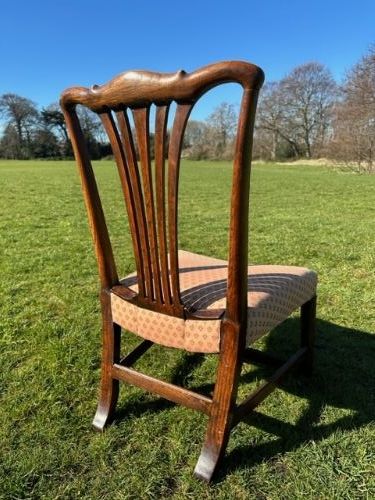
The evidence shows diverse configurations ranging from solid birch fan backs and mahogany Cockpen chairs to low elm seats and revolving oak office chairs. Regional workshops utilised native timbers to construct armchairs and side chairs suited for writing and clerical duties.
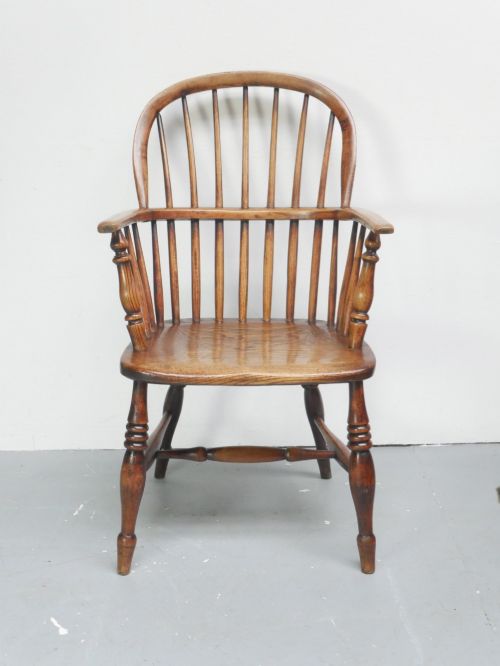
Makers often drew upon George III, Regency, and Traditional British Country styles to shape these seating forms. The resulting pieces balance architectural presence with practical utility, whether manifested as a neat Windsor armchair or a carved oak side chair.
Materials and construction methods
Cabinet-makers relied heavily on native hardwoods such as mahogany, oak, birch, walnut, and elm to build durable chair frames. Timber selection dictated both structural integrity and the ultimate visual weight of the seating.
Joinery techniques combined traditional pegging and mortise joints with precise turning and hand-carving. Artisans integrated brass castors, needlepoint panels, and upholstered pads in velvet, fabric, or leather to complete the working seats.
Materials recorded across the archive include mahogany, oak, walnut, elm, birch, fabric, velvet, and brass.
Evaluating craftsmanship and proportion
Quality rests upon the crispness of carved details, such as fan backs or Gothic revival motifs, and the integrity of the timber frame. Superior examples demonstrate thoughtful grain selection and precise joinery that withstands decades of daily use.
Proportion and comfort distinguish standard utility seating from master-built pieces. Refined pieces maintain balanced arm heights, supportive back angles, and authentic period upholstery materials that complement the original woodwork.
J. & T. Scott, Edinburgh·Whytock & Reid of Edinburgh·Wheeler Of Arncroach
The Antique Scottish Desk Chair Glossary
- Cockpen chair
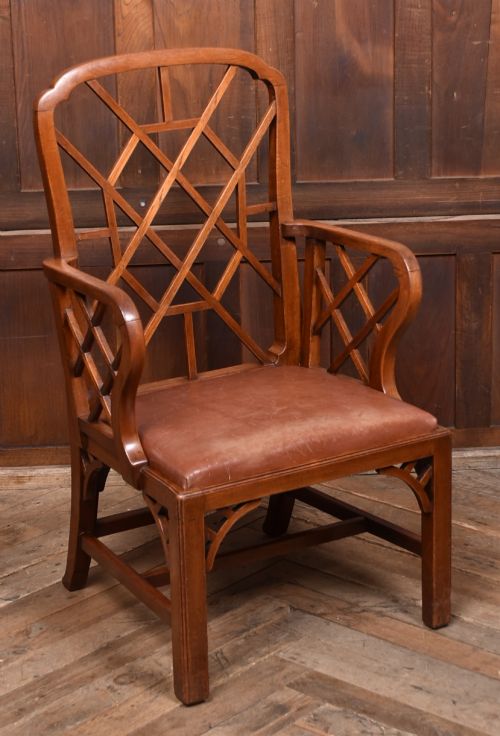
- A Chinese Chippendale style chair featuring a lattice-work back and straight legs, often associated with Scottish country houses.
- Windsor armchair
- A wooden chair constructed with a solid elm or hardwood seat into which the back and legs are separately bored.
- Grecian side chair
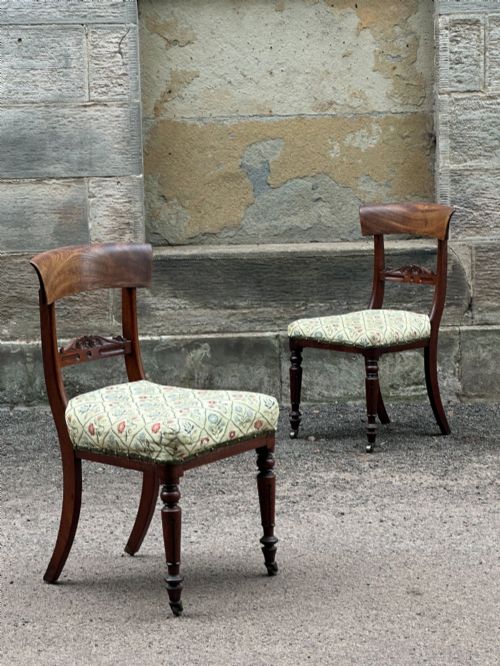
- A Regency style chair characterised by saber legs and scrolled backrests inspired by classical antiquity.
- Fan back
- A chair back featuring radiating vertical slats or splats that fan outwards from a central point.
- Revolving office desk chair
- A swivelling seat designed for clerical work, typically raised on a central pillar with castors.
Antique Scottish Desk Chair: Frequently Asked Questions
How do I identify a Scottish antique desk chair?
Look for regional timber choices like birch and elm alongside distinct stylistic traits such as Cockpen lattice backs or traditional local Windsor framing. Cabinet-making conventions often reflect Edinburgh workshops or country house vernacular.
Examine the construction underneath for traditional pegging and hardwood frames that indicate regional production periods spanning the 18th to early 20th centuries.
Were these chairs originally used at desks?
Many examples served in libraries, morning rooms, and studies for reading, writing, and administrative tasks. Lower low chairs and elbow chairs provided comfortable seating for writing table use.
Later Edwardian models specifically incorporated revolving mechanisms and leather upholstery tailored for office and desk environments.
What woods were commonly used by Scottish makers?
Makers utilised native and imported hardwoods including mahogany, oak, walnut, birch, elm, and occasional fruitwoods. Timber availability often depended on the period and the specific workshop's regional supply.
Sturdy woods like oak and elm provided structural strength for country models, while mahogany and walnut suited finer urban seating.
How should I care for antique wood and upholstery?
Maintain timber surfaces with appropriate wax polishes applied sparingly to preserve the natural grain and historic patina. Protect the wood from direct sunlight and extreme humidity fluctuations.
Upholstery in leather, velvet, or woven fabric requires gentle vacuuming and professional cleaning to protect delicate antique textiles and needlepoint.