


Antique Scottish Art
These pieces gather the painted landscapes, portraits, silver quaichs and robust furniture that define antique scottish art.
Antique Scottish Art
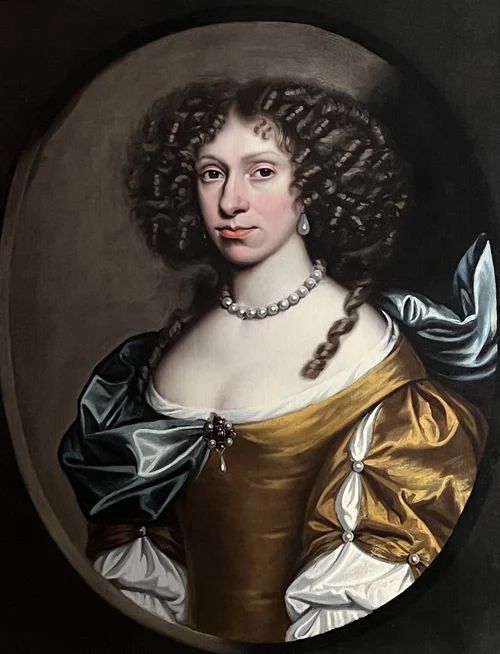
When you search for antique scottish art, you encounter a varied landscape of oil paintings, watercolours, sterling silver and regional furniture spanning several centuries. The selection ranges from seventeen-century oil portraits to nineteenth-century Highland landscape watercolours and twentieth-century Arts and Crafts silverwork.
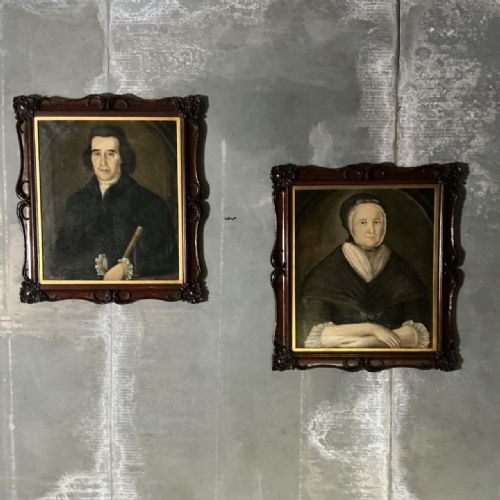
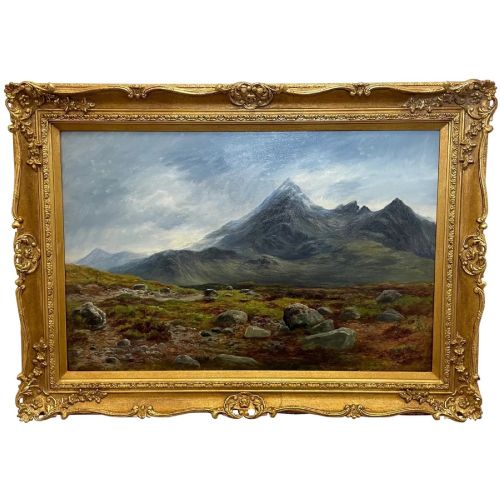
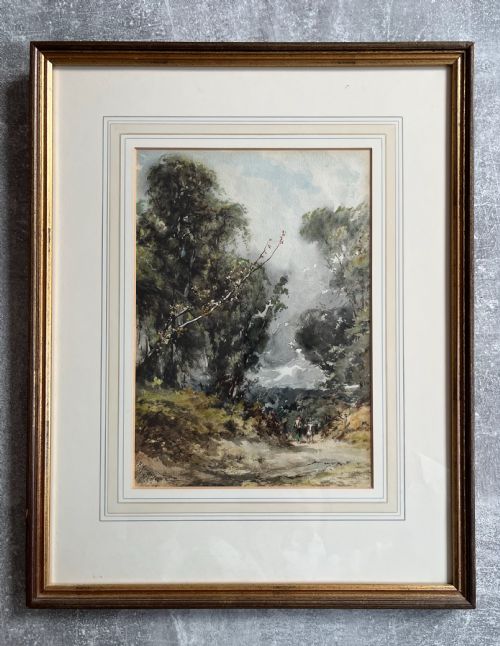
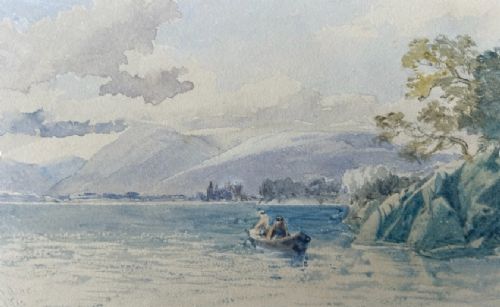
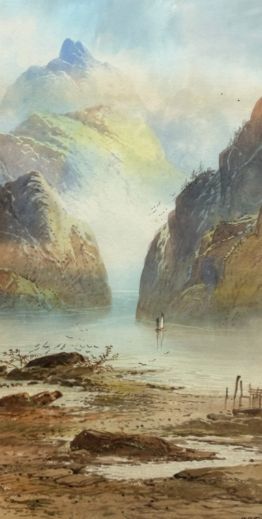
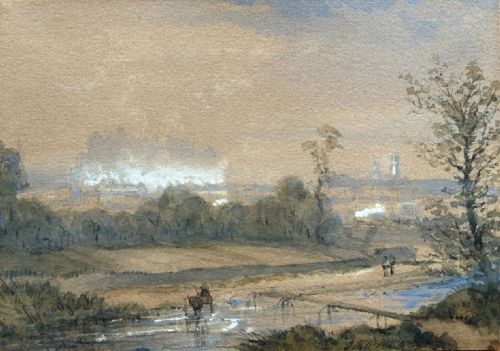
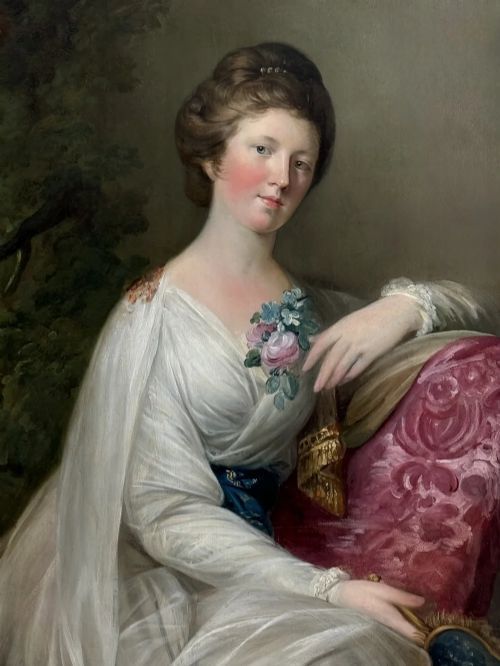
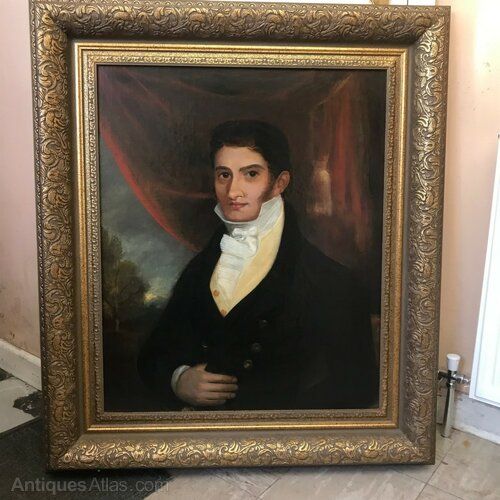
Portraits by named portraitists and sweeping views of lochs and glens by members of the Scottish School dominate the painted works. Alongside these pictures, domestic objects such as silver quaichs, pottery bowls and oak chairs reflect the distinct craft traditions north of the border.
Materials and construction
Canvases and wood panels carry oil and watercolour paints using traditional priming and layering techniques appropriate to each period. Metals such as sterling silver and pewter are shaped by planishing, casting and engraving, often incorporating local semi-precious stones like citrines.
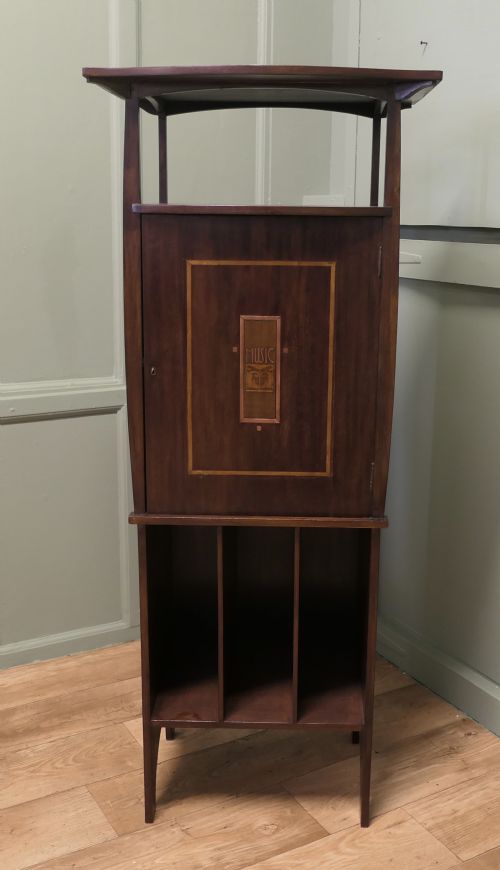
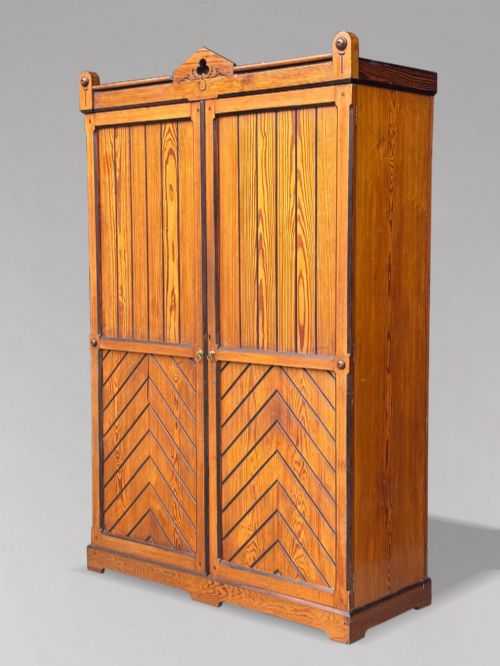
Woods including oak, elm, pine and burr walnut form the carcases of cabinets, wardrobes and chairs, frequently constructed within Arts and Crafts or vernacular workshop traditions.
Antique Scottish Art Retail Price Guide 2026
Typical asking prices for scottish art among the pieces listed under this phrase on Sellingantiques today, from the lower quarter to the upper quarter. They describe what is for sale here now, not the wider market.
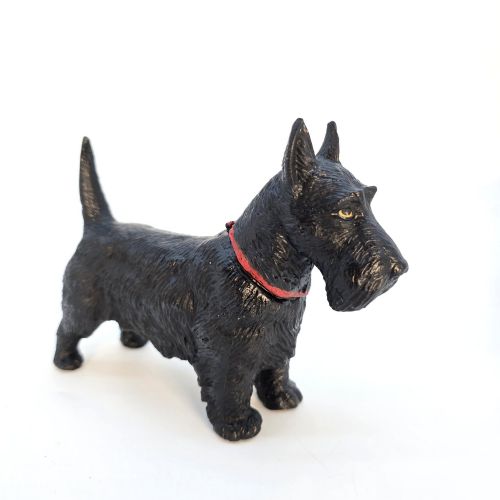
Cast metal Scottie dog table lighters guard the smoking desks of the nineteen-twenties with unwavering Scottish loyalty.
Judging quality
Quality rests upon the strength of attribution, the clarity of the maker's hand or studio mark, and the integrity of the materials used. In paintings, a sure touch and well-preserved surface separate accomplished academic works from routine regional production.
For silver and furniture, weight, gauge of metal, structural honesty and the preservation of original finishes determine the standing of an item within its category.
R E Stone·GM Elwood for JS Henry·Hamilton and Inches·Whytock and Reid·John Taylor and Son
The Antique Scottish Art Glossary
- Quaich
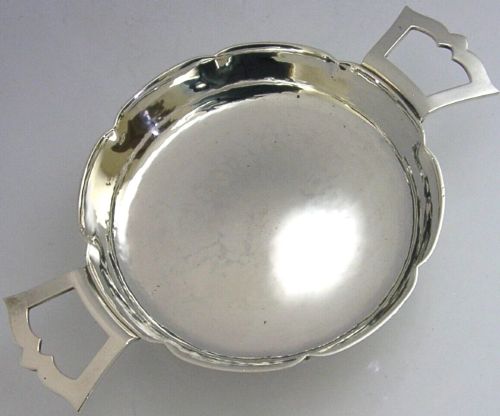
- A traditional Scottish two-handled drinking vessel, usually shallow in form. These appear in both turned wood and hammered sterling silver.
- Planished
- A metalworking technique where a hammer leaves small, flat, regular facets across the surface. This finish is typical of Arts and Crafts silver pieces.
- Tartanware
- Small wooden souvenirs and boxes decorated with printed paper patterns representing Scottish tartans. They were widely produced in the nineteenth century.
- Mauchline
- A town associated with nineteenth-century wooden wares decorated with tartan paper or photographic transfers. These items include stamp boxes and thimble cases.
- Slipware
- Earthenware pottery decorated with a liquid clay slip before firing. Seaton Pottery examples demonstrate this regional technique.
Antique Scottish Art: Frequently Asked Questions
How do I identify Scottish silver?
Look for specific regional hallmarks such as the thistle mark alongside maker stamps from Edinburgh or Glasgow. These punches distinguish items made north of the border from English silver.
Assay office letters and date marks further help pinpoint the exact decade of manufacture for pieces ranging from early spoons to later Arts and Crafts quaichs.
What is tartanware?
Tartanware comprises small wooden personal accessories decorated with brightly coloured paper lithographs showing specific clan tartans. Victorian manufacturers used these patterns on boxes, needle cases and games.
Collectors prize pieces that retain clear maker labels and legible tartan identification names on the base.
How are landscape paintings attributed?
Attributions rely on signatures, monograms, period exhibition labels and stylistic comparisons with known works by artists of the Scottish School. Background topography, such as specific lochs or mountain ranges, often confirms the geographic focus.
Archival records and verso inscriptions provide additional evidence to connect a canvas or watercolour to a specific painter.
What defines an Orkney chair?
Orkney chairs feature distinctive high straw backs woven with oat straw over a wooden frame, designed to block draughts in coastal cottages. They utilise local materials and traditional vernacular joinery.
Their sturdy wooden seats and organic textures make them distinct examples of regional furniture.