
Antique Scent Flask
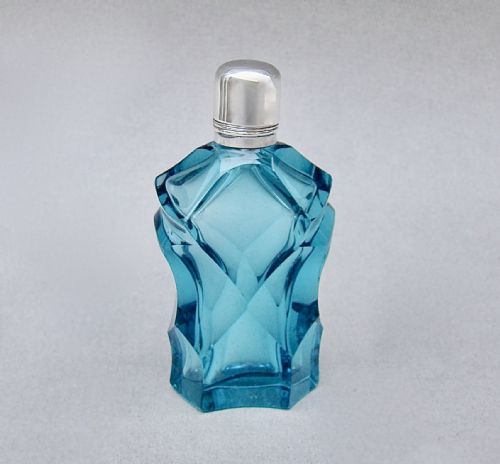
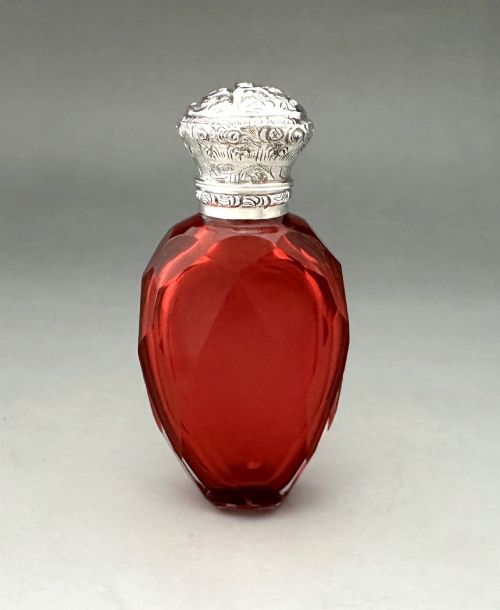
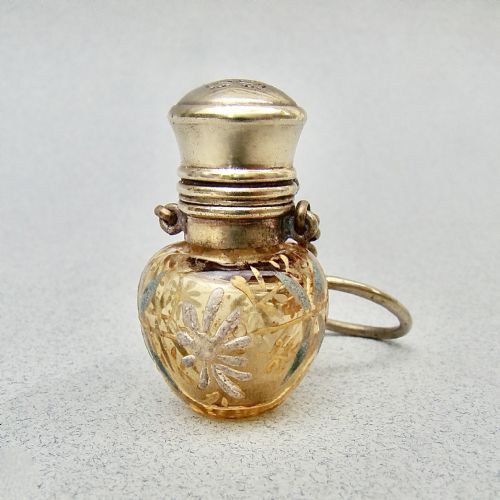
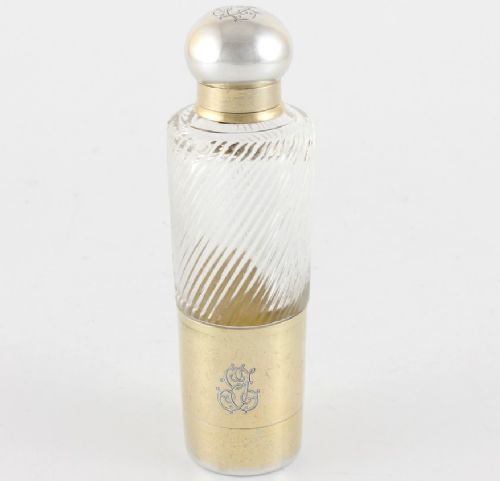
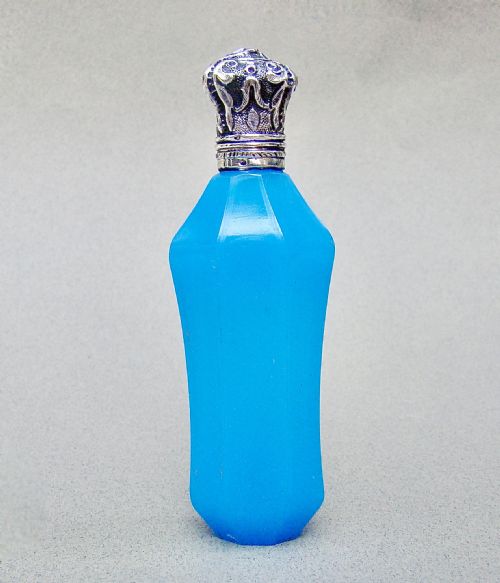
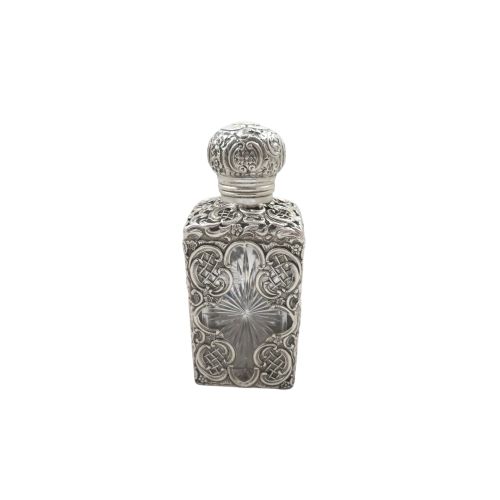
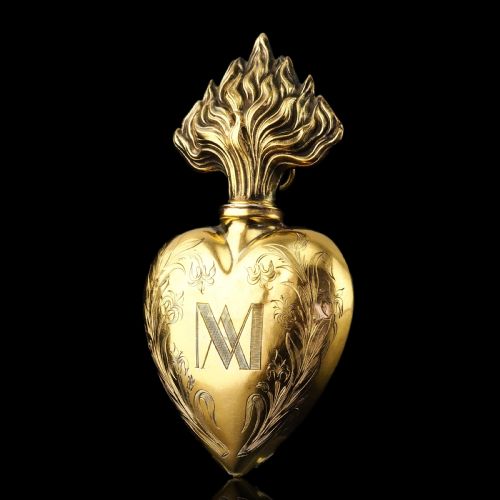
An antique scent flask is a portable vessel for carrying perfume, combining precious metal mounts with coloured glass or crystal.
Antique Scent Flask
When you search for an antique scent flask, you encounter pocket vessels and chatelaine companions designed to hold concentrated personal fragrances. The selections span Victorian silver and glass combinations alongside earlier Georgian pieces and later Edwardian designs.
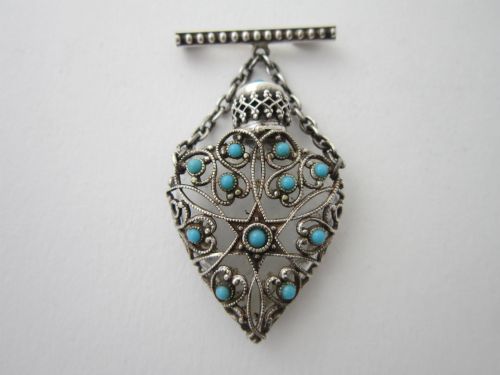
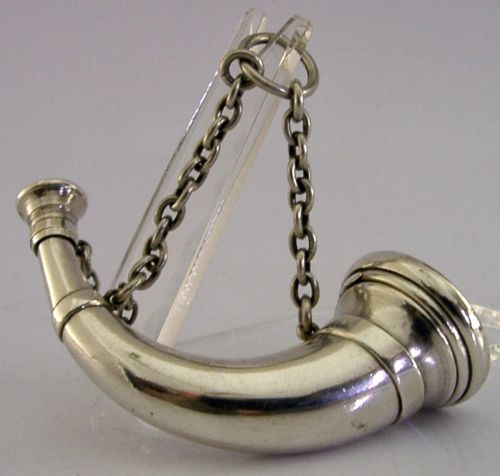
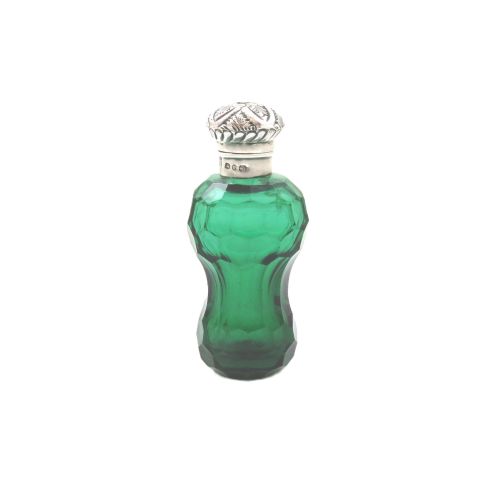
Most examples originate from the nineteenth century, uniting English silverwork with continental glass traditions from France and Bohemia. Forms range from straightforward faceted cylinders to novelty shapes such as hunting horns and miniature violins.
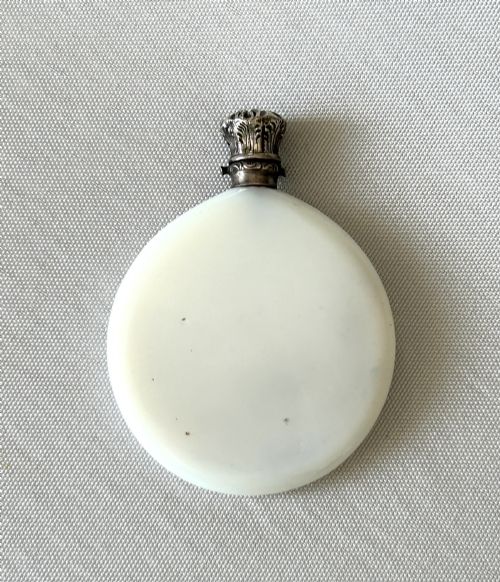
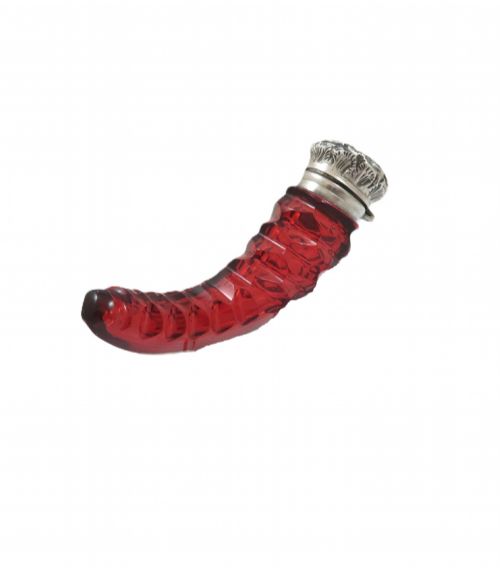
Makers utilised diverse materials including ruby glass, opaline glass, tortoiseshell and porcelain to catch the eye on dressing tables or suspend from waist chains. Collectors also encounter Chinese rock crystal and nephrite snuff bottles alongside European scent containers.
Materials and construction
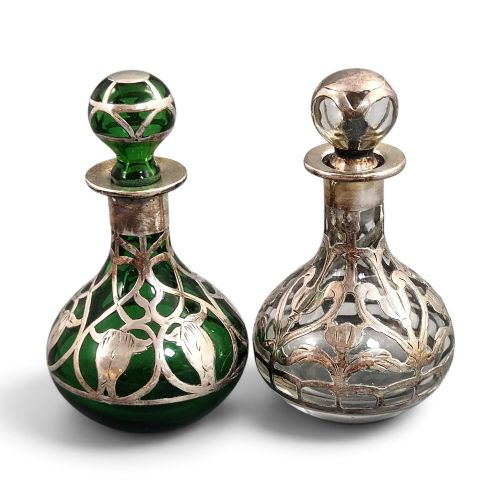
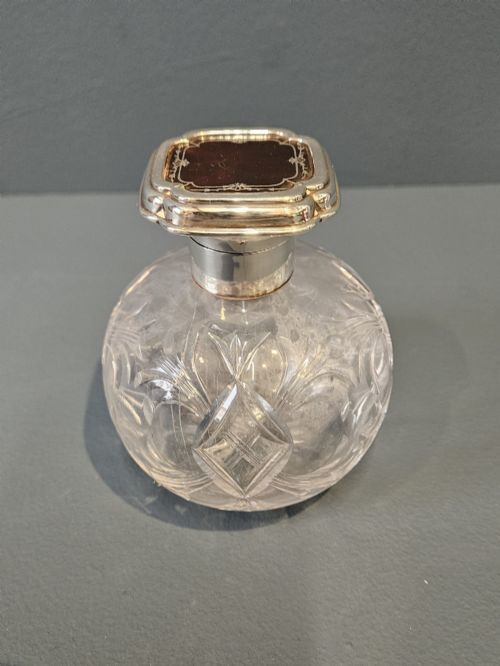
The body of an antique scent flask typically relies on blown or moulded glass, cut crystal or ceramics, encased in sterling silver, silver gilt or ormolu mounts. Glass colours like cranberry, teal and Bristol green required specific metallic oxide additives during the melting process.
Silver components involved hammering, casting and repoussé work, often featuring hinged lids with tight cork or ground glass stoppers to prevent evaporation. Overlay techniques applied fine silver lacework directly onto the glass body.
Makers utilised specialised engraving, enamelling and parcel-gilding to embellish the metal collars, hinges and caps that secured the inner stopper.
Antique Scent Flask Retail Price Guide 2026
Typical asking prices for scent flask among the pieces listed under this phrase on Sellingantiques today, from the lower quarter to the upper quarter. They describe what is for sale here now, not the wider market.
Listings feature Victorian, Edwardian and Georgian eras alongside nineteenth-century French and continental pieces.
Evaluating the craftsmanship
Quality rests in the crispness of the metal chasing and the precise fit of the inner stopper within the glass neck. Heavy gauge sterling silver mounts and well-defined facet cutting in the crystal distinguish superior examples from mass-produced wares.
The complexity of the glass body, such as layered casing or intricate murrine work, dictates the level of artisan skill involved in production. Maker marks stamped into the silver provide reliable evidence of workshop origin and standard of manufacture.
Integration between the metal collar and the glass body reveals the care taken during assembly, where premier pieces avoid excess solder or loose mountings.
Horton And Allday·Sampson Mordan·Harold Bushell And Co·Jacob Petit·Karl Palda·Gorham
The Antique Scent Flask Glossary
- Chatelaine
- A decorative belt hook suspended with chains for carrying everyday items like scent bottles and chatelaine purses.
- Vinaigrette
- A small metal container holding a sponge soaked in aromatic vinegar, used during the nineteenth century to ward off unpleasant odours.
- Silver Gilt
- Silver that has been coated with a thin layer of gold on its surface, often providing a rich interior finish to bottle caps.
- Opaline Glass
- An opaque, pastel-coloured glass popular in nineteenth-century France for decorative vanity wares.
- Ormolu
- Gilded bronze or brass mounts applied to furniture and glassware during the eighteenth and nineteenth centuries.
Antique Scent Flask: Frequently Asked Questions
Were these flasks used for perfume or smelling salts?
Both uses were common depending on the internal fitting of the individual vessel. Scent flasks held liquid perfume for personal fragrance throughout the day.
Containers fitted with an internal pierced grille instead of a simple cork functioned as vinaigrettes for medicinal smelling salts.
How do I date a silver mounted scent bottle?
Examine the silver components for hallmarks, which indicate the assay office, standard mark and exact year of production in British pieces. Style cues such as Art Nouveau sweeping lines or Victorian floral chasing also narrow down the decade.
Unmarked continental pieces rely on stylistic comparison with documented regional manufacturing periods.
Why do some bottles have outer silver casing?
Silver overlay or filigree caging provided extra structural protection for fragile glass bodies carried in pockets or on chatelaines. This metalwork added decorative weight and visual contrast to plain glass.
Craftsmen soldered these intricate webs directly to fit the contours of the underlying flask.