
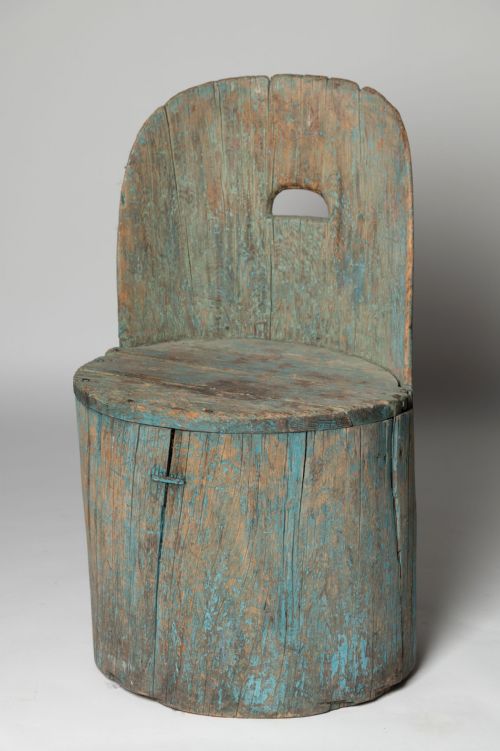


Antique Scandinavian Trunk
An antique scandinavian trunk brings robust utility and expressive folk ornament into a room, offering generous storage bound in iron and historic paint.
Antique Scandinavian Trunk
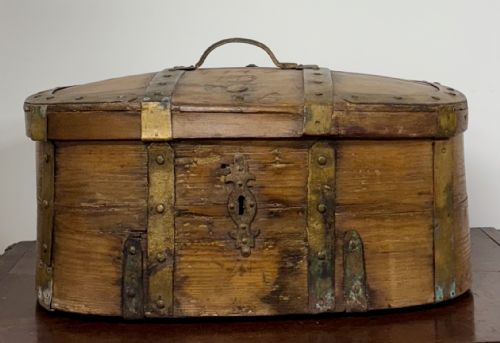
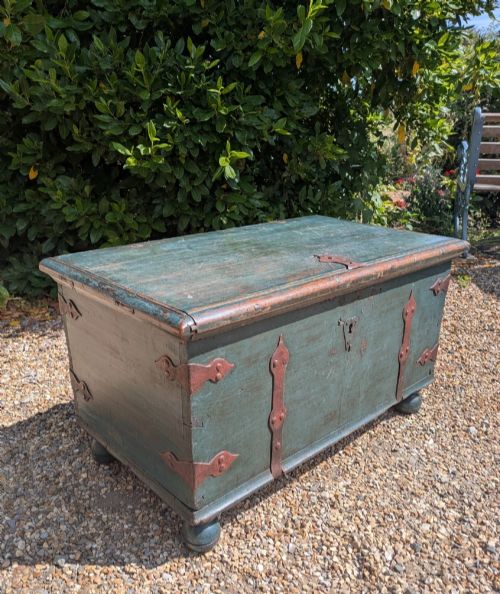
An antique scandinavian trunk encompasses sturdy pine and oak storage chests, marriage coffers, and strong boxes originating from northern Europe. These pieces date primarily from the eighteenth and nineteenth centuries, spanning Georgian and Victorian periods alongside regional folk styles.
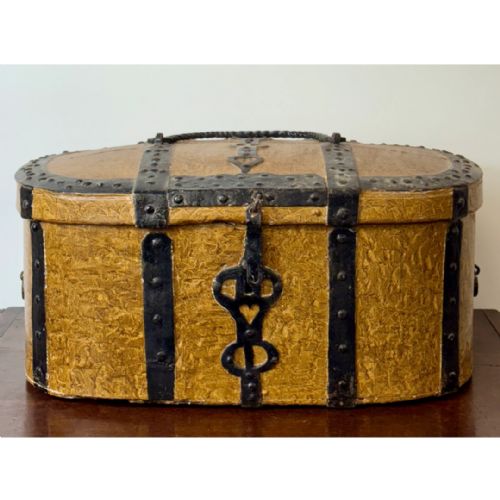
Buyers encounter various forms, including dome top coffers, shaped strong boxes, and smaller decorative boxes often associated with Swedish marriage traditions. These items served practical domestic storage needs before finding a place in modern interiors as characterful focal points.
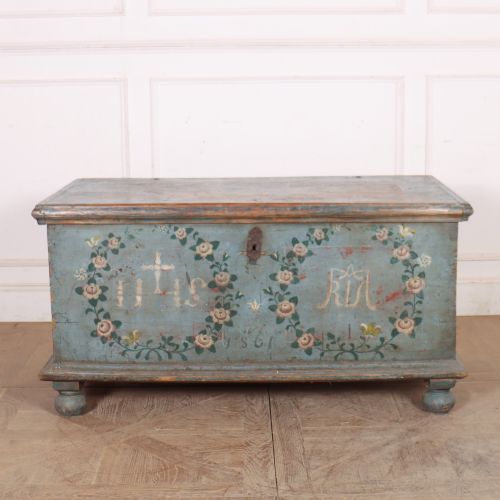
The selection here draws heavily on Scandinavian country and folk art aesthetics, displaying traditional painted finishes and robust construction. Pieces range from simple rustic pine receptacles to elaborate marriage chests decorated with period pigment.
Materials and construction
Makers relied primarily on local timber, using pine and occasionally oak for the main body of each box, chest, or coffer. Wood was often shaped by hand, as seen in dug out forms and traditional joinery.
Iron, wrought iron, and brass provided essential reinforcement through hand forged strapwork, hinges, and heavy locks. These metal fittings secured the lids and corners of strong boxes and dome top trunks against heavy use.
Surfaces were frequently finished with paint and pigment, creating layered decorative effects. Artisans applied traditional motifs, graining, and rich colour schemes directly to the timber substrates.
Factors of distinction
Quality rests in the survival and execution of the original decorative surface, distinguishing plain timber from skilled folk painting. The sophistication of hand painted pigment work and the preservation of historic colour elevate certain examples.
The integrity of the ironwork and hardware dictates refinement, with hand forged strapwork and original locking mechanisms adding considerable merit. Structural honesty in the pine or oak joinery further separates standard utility pieces from masterworks of regional craft.
The Antique Scandinavian Trunk Glossary
- Marriage chest
- A large storage chest commissioned or decorated to celebrate a wedding, often bearing initials and dates. These pieces frequently feature elaborate folk art painting.
- Strong box
- A heavy storage box reinforced with iron strapwork and fitted with secure locks for valuables. They were built for safe transport and domestic security.
- Dome top
- A curved lid construction designed to shed water and increase internal capacity. This profile appears frequently on eighteenth and nineteenth-century coffers.
- Folk art
- Traditional decorative work created within a specific regional culture by self taught or vernacular artisans. It relies on local motifs and traditional pigments.
- Strapwork
- Flat strips of iron or metal applied across the exterior of a trunk for structural reinforcement. Hand forged examples display individual blacksmith marks.
Antique Scandinavian Trunk: Frequently Asked Questions
What did they store inside?
These pieces held textiles, winter blankets, dowry items, and personal valuables safely within the home.
Larger coffers served general household storage while smaller strong boxes kept documents and coins secure.
How do I date an old chest?
Dating relies on construction methods, ironwork styles, and the composition of the painted pigments.
Eighteenth-century examples often display simpler oak joinery or early Baroque influences, whereas nineteenth-century pieces frequently feature brighter painted pine and standardised hinges.
Are the painted finishes original?
Many retain their historic painted surfaces, though layers of pigment were sometimes refreshed or renewed over generations of domestic use.
Microscopic examination of the paint layers and natural wear patterns help determine the age of the exterior decoration.
Where should I place one?
These chests function effectively as living room coffee tables, bedroom blanket boxes, or hallway storage furniture.
Their robust timber construction and decorative surfaces allow them to anchor a room while keeping everyday clutter hidden.