


Antique Scandinavian Nightstands
Antique scandinavian nightstands bring understated Nordic charm to a bedroom, combining practical bedside storage with refined period craftsmanship.
Antique Scandinavian Nightstands
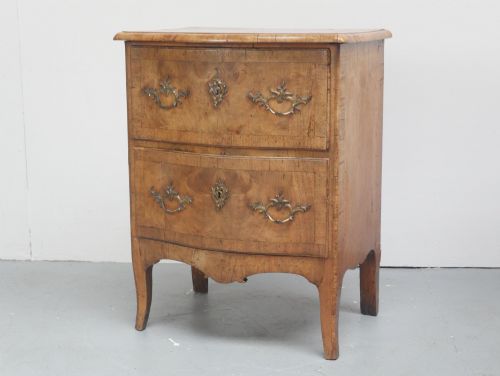
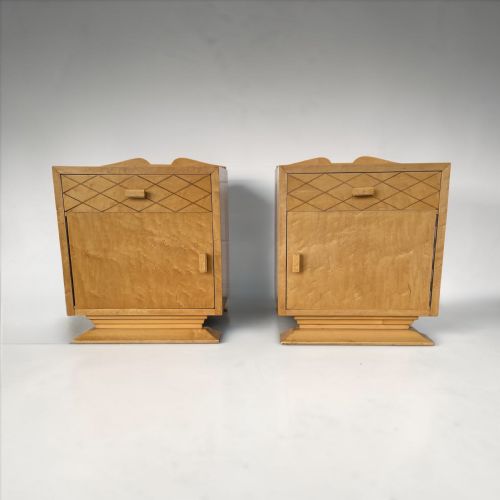
When searching for antique scandinavian nightstands, you encounter a range of forms designed for bedside use across different periods. The selection includes compact chests of drawers, bedside cabinets, cupboards, and side tables that serve the same domestic purpose.
The pieces originating from Sweden dominate the selection, spanning from the eighteenth century through to the early twentieth century. You frequently meet painted chests of drawers, small commodes, and pairs of bedside cupboards finished in soft white or traditional colours.
Styles range from Gustavian influenced designs and Swedish Rococo to Biedermeier and Scandinavian Art Deco. The nineteenth century is particularly well represented with practical two drawer commodes and hand painted finishes.
How they were made
Makers utilised pine and softwood as the primary woods for painted pieces, applying multiple layers of paint that often show a soft patina over time. Solid birch and satin birch provide alternative timber choices for unpainted items, sometimes enhanced with birch veneer.
Hardware details typically involve brass for handles and key escutcheons, adding subtle metallic contrast to the timber and painted surfaces. Certain nineteenth century examples incorporate marble tops, combining stone surfaces with wooden cabinetry for durability.
Periods represented span from the 18th century through the 19th century, 1890, 1920, and 1930.
What varies in quality
The standard of execution in the joinery and the integrity of the original painted surface separate examples across the range. Finer pieces demonstrate careful proportion in smaller chests and commodes, along with well preserved hand painted decoration.
The choice of materials also influences the character of each piece, from simple painted softwood to figured satin birch or fitted marble tops. Pairs naturally hold greater uniformity and balance when matching grain or paint finishes align precisely.
The Antique Scandinavian Nightstands Glossary
- Gustavian
- A Swedish neoclassical style popular in the late eighteenth and early nineteenth centuries, known for restrained ornamentation and light painted finishes.
- Biedermeier
- A Central and Northern European style from the nineteenth century prioritising utilitarian comfort and clean lines over excessive decoration.
- Commode
- A low cabinet or chest of drawers, often used beside a bed in period interiors.
- Satin Birch
- A pale, lustrous timber utilised for its decorative grain pattern in nineteenth century cabinet making.
- Softwood
- Coniferous timber such as pine, widely employed for carcases intended to receive a painted finish.
Antique Scandinavian Nightstands: Frequently Asked Questions
What periods do these nightstands cover?
The pieces span from the eighteenth century through the nineteenth century up to the 1930s. You find eighteenth century items alongside nineteenth century painted chests and early twentieth century art deco designs.
Most examples date from the nineteenth century, reflecting traditional Swedish cabinet making and painted furniture styles.
Are pairs commonly found?
Yes, matching pairs appear frequently among the bedside cabinets, cupboards, and small chests of drawers. These sets provide symmetry when placed on either side of a bed.
Single pieces also feature in the selection for more compact spaces or eclectic room arrangements.
What materials are typical?
Pine and softwood form the basis for the majority of painted items, while solid birch and satin birch appear in unpainted pieces. Birch veneer is also utilised on specific cabinet surfaces.
Brass fittings and occasional marble tops complete the construction of these bedside tables.
How do I identify a Gustavian piece?
Gustavian pieces draw on neoclassical design principles, featuring straight lines, pale painted surfaces, and restrained carved details. They reflect eighteenth century Swedish interpretations of French styles.
Later nineteenth century items often show Gustavian influence while maintaining practical proportions for bedside use.
How were these cabinets used?
They served as bedside storage for personal items, nightwear, and candle lighting in period bedrooms. Small cupboards and chests of drawers kept necessities close at hand.
Today they function similarly as bedside tables while introducing historical Nordic character to interior schemes.