


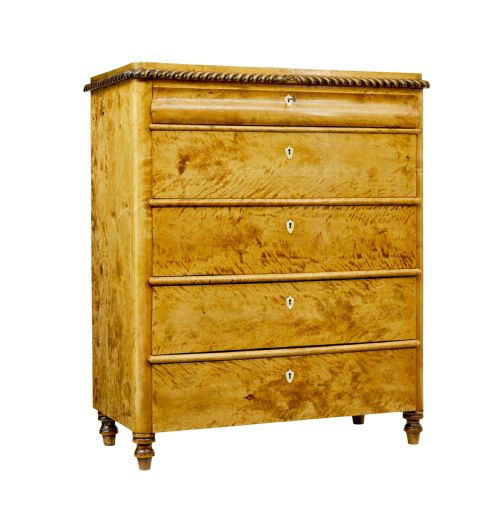
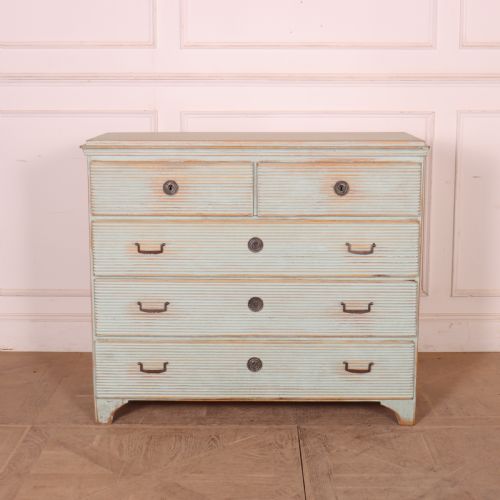


Antique Scandinavian Dresser
An antique scandinavian dresser brings utilitarian storage and pale painted surfaces together, offering practical storage grounded in northern European craftsmanship.
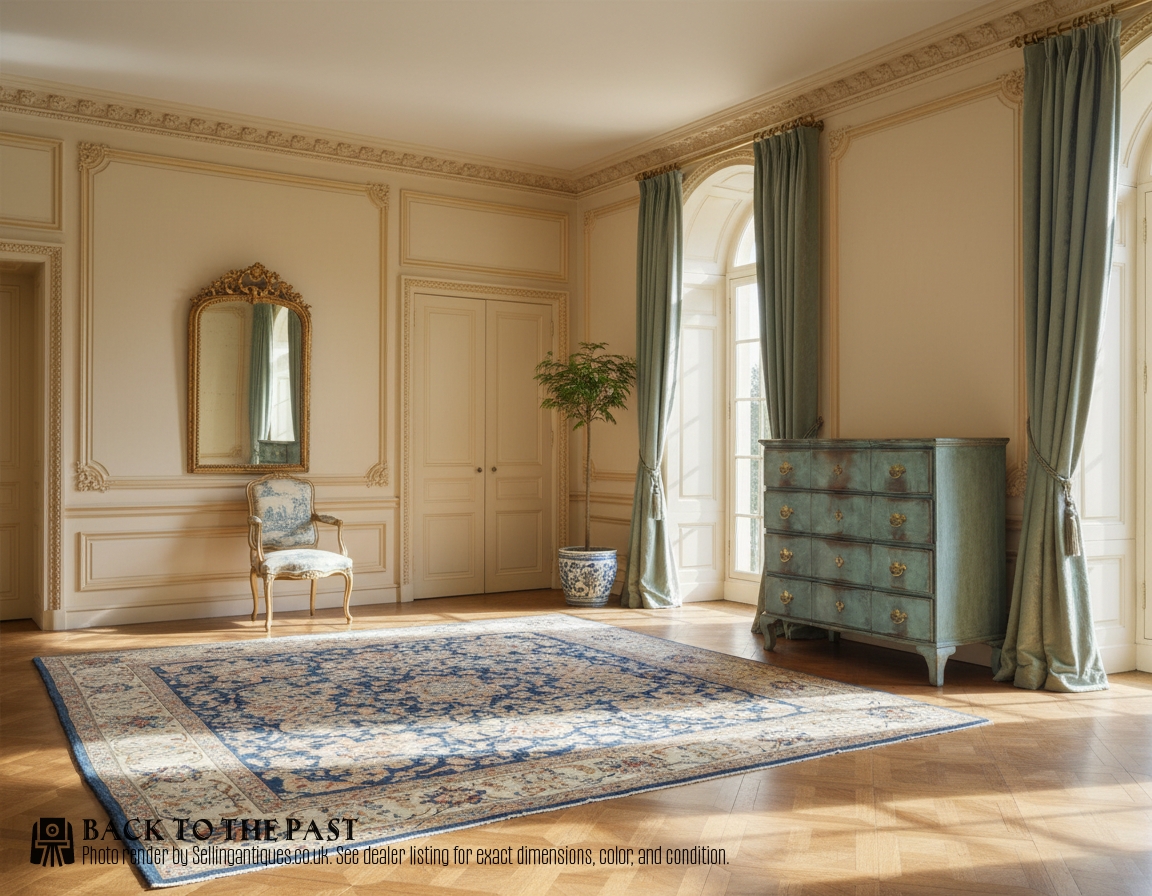
Antique Scandinavian Dresser
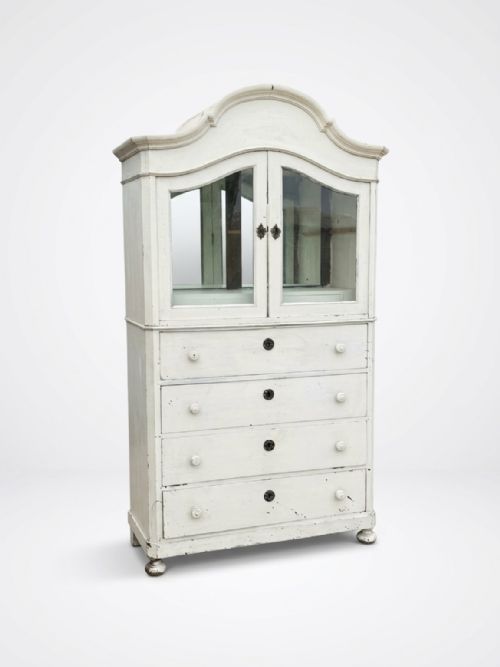
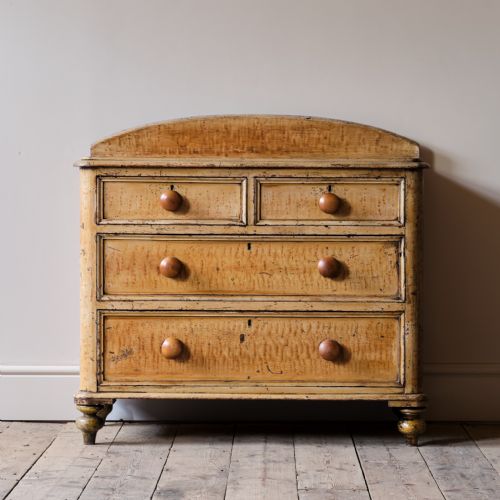
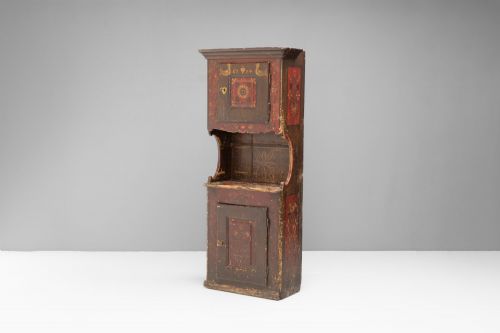
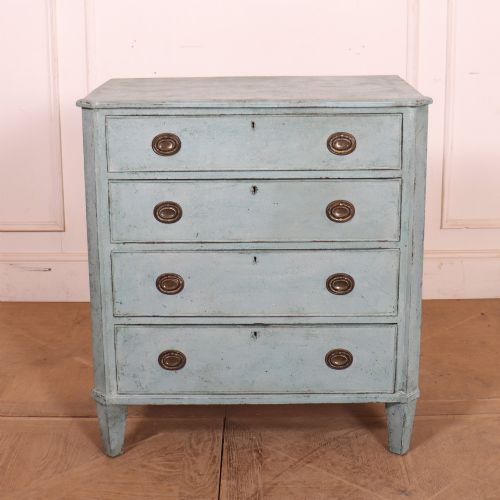
When you search for an antique scandinavian dresser, you encounter pieces spanning the eighteenth, nineteenth, and early twentieth centuries originating from Sweden, Denmark, and the broader Baltic region. The selection here leans heavily toward chests of drawers, commodes, and upright cupboards rather than traditional open plate racks.
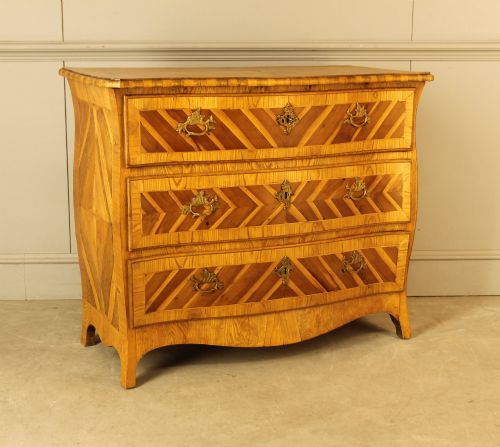
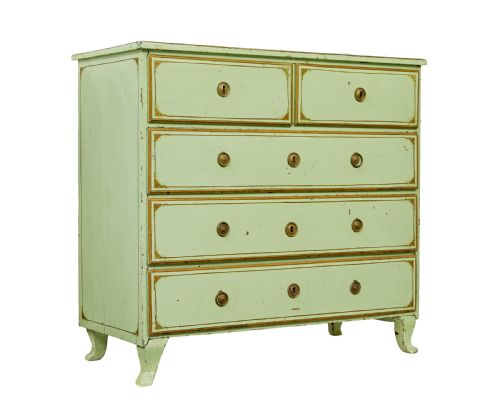
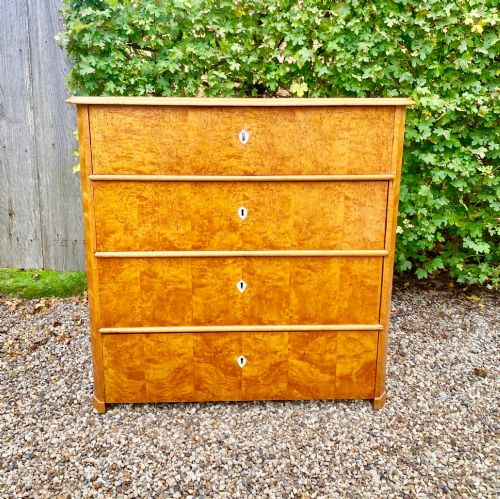
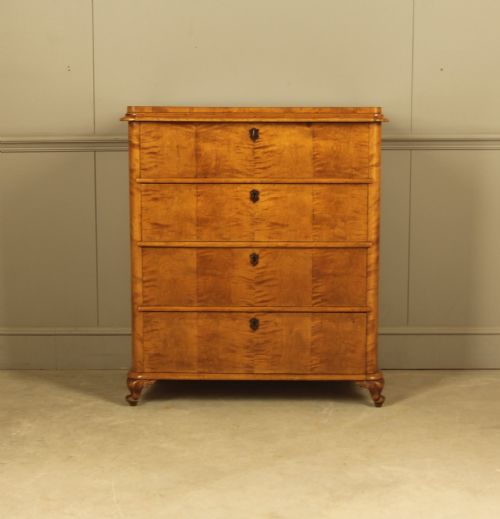
Forms range from the restrained straight lines of Biedermeier birch pieces to the curved fronts of Gustavian commodes and the folk art charm of rustic painted pine cupboards. These items served functional domestic roles in European households, providing enclosed storage for textiles and provisions.
The regional variations draw on distinct aesthetic movements, encompassing neoclassical influences, empire revival styles, and provincial traditions. Buyers navigate a landscape of case furniture defined by regional cabinet-making practices and local timber availability.
Materials and Construction Methods
Makers utilised native softwoods and hardwoods, predominantly relying on pine for painted carcass work and various cuts of birch, including flame, tiger, and masur variations, for polished or simulated grain surfaces. Iron and brass hardware provided structural reinforcement and drawer pulls.
Joinery techniques combined traditional carcass construction with hand-painted layers, scraped paint effects, or meticulously book-matched wood veneers. Surfaces often received multiple coats of lead or oil paint, sometimes applied to mimic more expensive timbers.
Listings feature items spanning the eighteenth to early twentieth centuries, constructed primarily from pine and birch.
Separating Grades of Craftsmanship
Quality diverges between utilitarian provincial items and high-status urban commissions by identified workshops. The selection of timber grain, particularly symmetrical flame birch figuring or carefully chosen pine boards, sets the finer examples apart.
The integrity of original painted finishes or surface patination dictates distinction, where untouched scraped paint or deliberate folk art decoration holds more integrity than later overpainting. Drawer action, dovetailed joints, and the precision of carved or fluted drawer fronts reveal the maker's hand.
Gemla Fabrikers
The Antique Scandinavian Dresser Glossary
- Gustavian
- The Swedish neoclassical style spanning the late eighteenth century, characterised by restraint, light colours, and classical proportions. It draws inspiration from French Louis XVI design adapted to northern sensibilities.
- Biedermeier
- A central and northern European style from the nineteenth century focused on utilitarian comfort and clean lines without excessive ornamentation. It makes extensive use of native veneers like birch.
- Commode
- A low chest of drawers or cabinet designed for domestic storage, frequently associated with eighteenth and nineteenth-century continental design. These often feature serpentine or bombe fronts.
- Bombe
- A convex, bulging shape characteristic of rococo case furniture that swells outward toward the base. This silhouette requires advanced woodworking skill to construct.
- Masur Birch
- A decorative timber featuring natural swirling grain patterns and dark knot formations resembling bird's eyes. It was favoured by nineteenth-century Scandinavian cabinet makers for prominent drawer fronts.
Antique Scandinavian Dresser: Frequently Asked Questions
How do I identify a Gustavian piece?
Gustavian pieces typically display neoclassical proportions, straight tapered legs, and pale painted finishes. Decoration remains restrained, drawing on classical motifs like fluting and rosettes.
These items date predominantly from the late eighteenth century and reflect Swedish interpretations of French court styles translated into simpler domestic forms.
What is the difference between birch and pine items?
Birch furniture usually exhibits a polished or clear-varnished surface highlighting flame, tiger, or masur grain patterns. These represent more formal urban or refined rural commissions.
Pine items are almost universally painted, often carrying original folk art decoration or scraped paint layers intended for everyday utility in provincial homes.
How should I care for original painted surfaces?
Original paintwork requires stable indoor humidity and protection from direct sunlight to prevent further flaking or fading. Dusting with a dry, soft cloth is sufficient for routine maintenance.
Avoid modern solvent-based cleaners or aggressive polishing agents that can strip historical pigment layers or soften underlying historic binders.
Are these pieces suitable for modern interiors?
Their neutral painted finishes and clean wooden silhouettes integrate smoothly into contemporary rooms needing practical storage. The modest scale of many Scandinavian commodes suits bedrooms and living spaces alike.
They offer functional drawers and cupboards while introducing historical texture through natural wood grains and aged pigments.