
Antique Scalloped Table
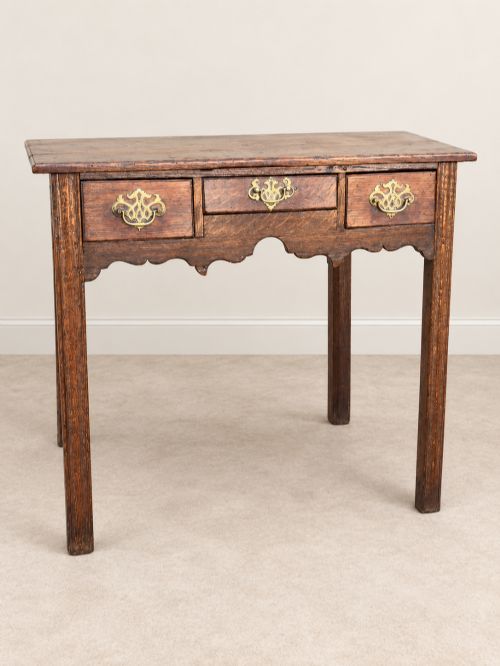
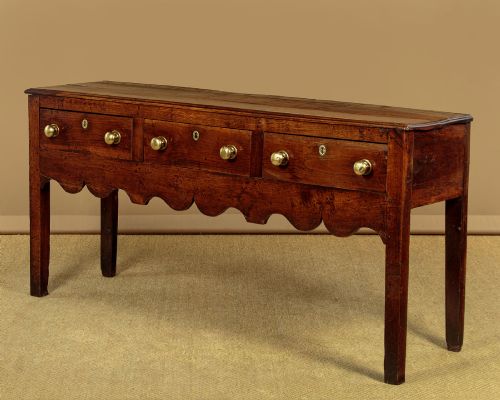
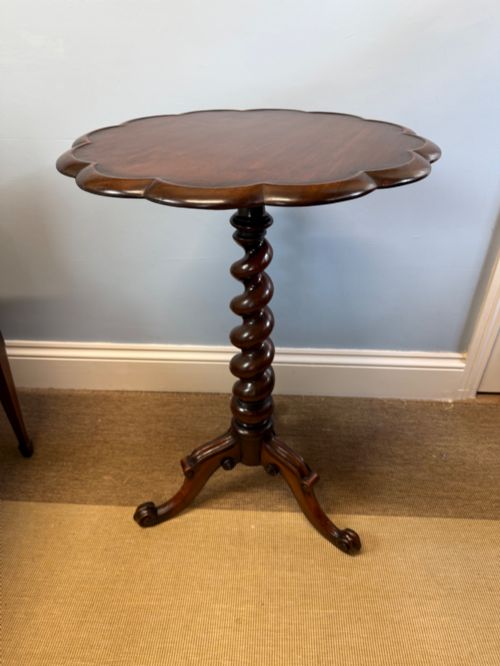
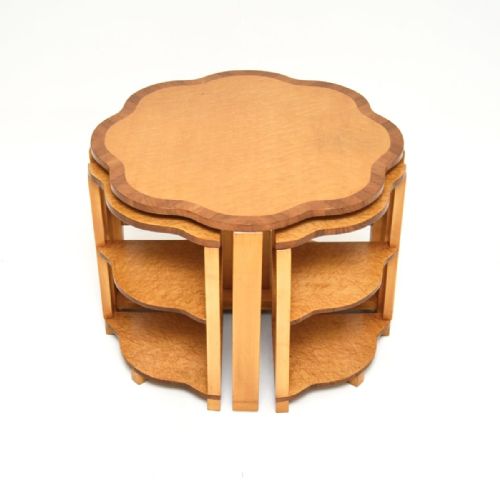
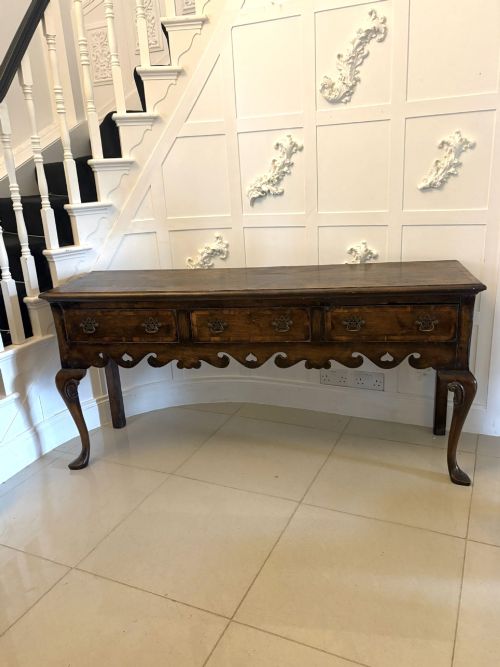
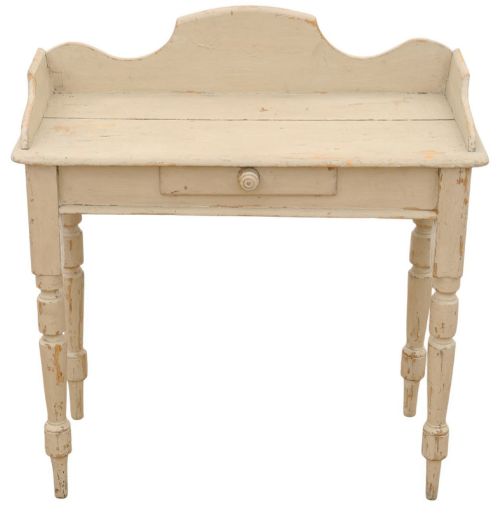
An antique scalloped table brings subtle curves and period timber to a room, offering a distinct edge profile rooted in eighteenth and nineteenth-century design.
Antique Scalloped Table
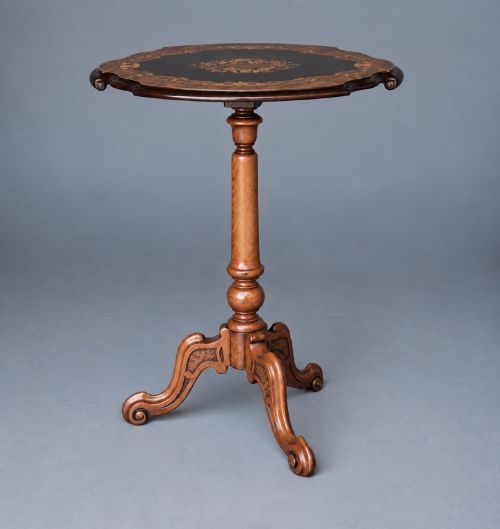
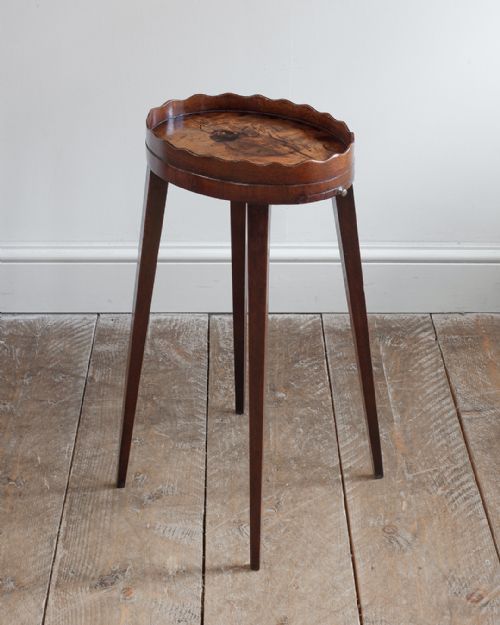
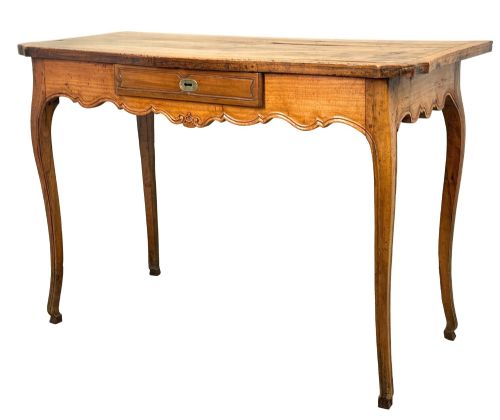
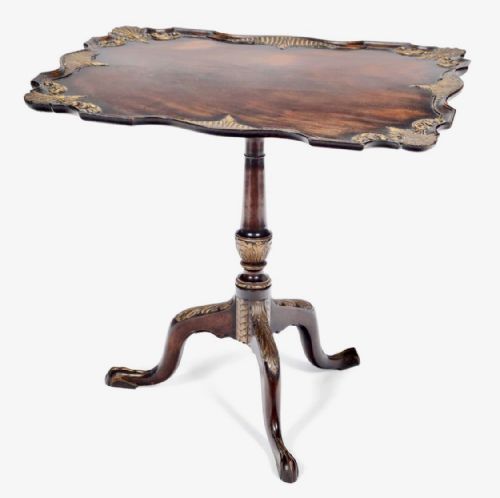
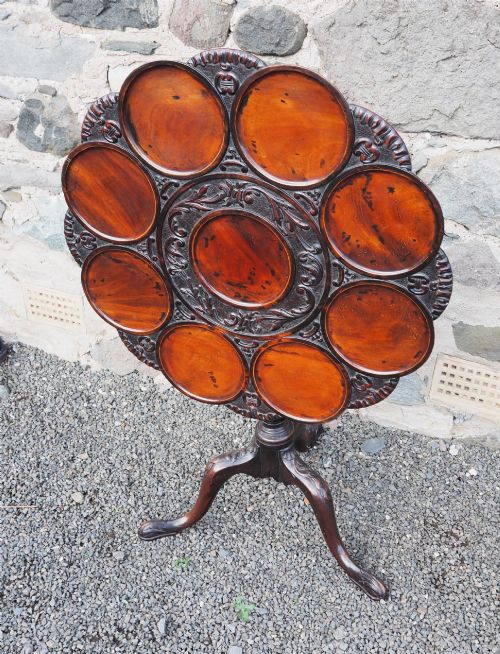
When searching for an antique scalloped table, buyers encounter forms that span occasional tables, wine tables, and tilt-top tripod pieces with shaped borders.
The inventory shows these items originating primarily across the eighteenth, nineteenth, and early twentieth centuries, drawing on Georgian, Victorian, and Edwardian aesthetic traditions.
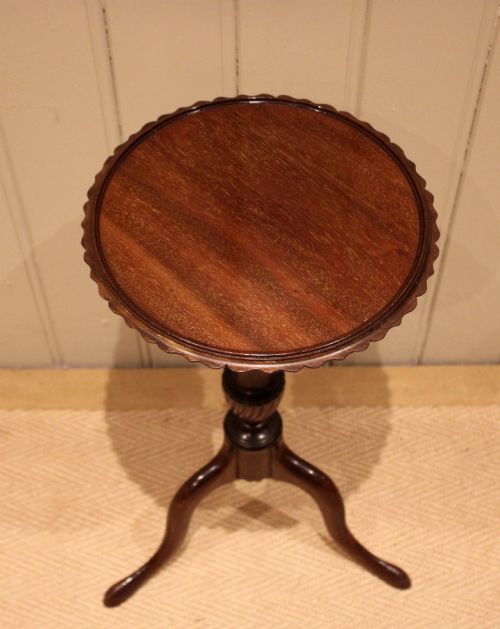
Mahogany and walnut appear frequently among these designs, often accompanied by smaller examples intended as wine or lamp tables with carved or moulded edges.
How they were made
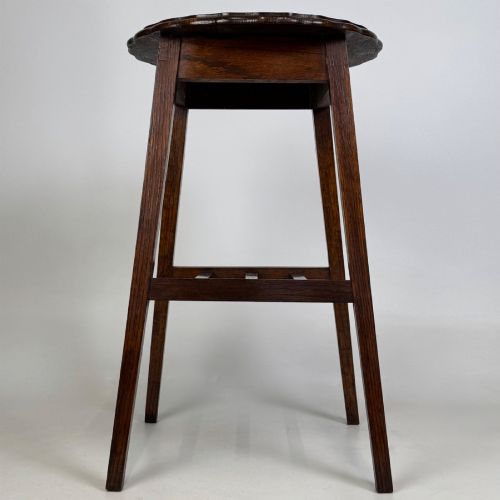
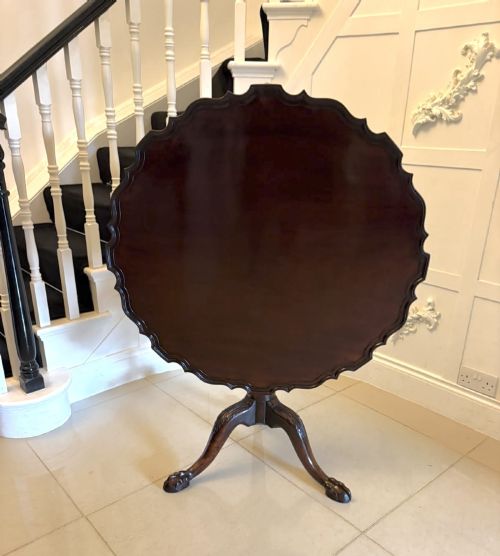
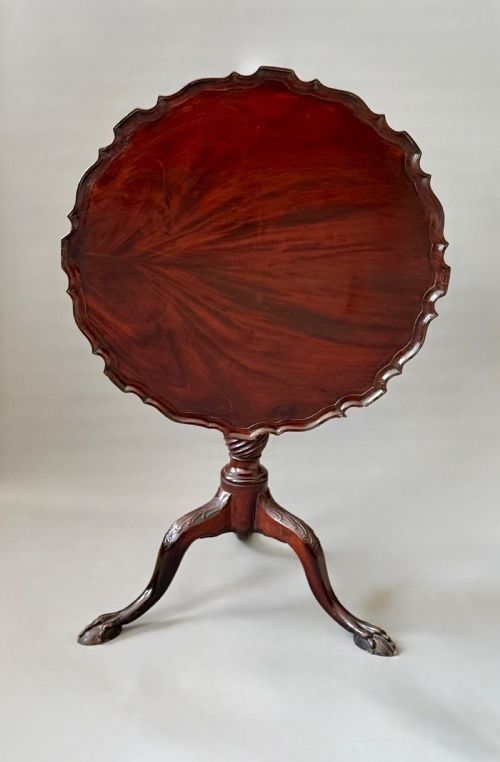
Joiners and cabinet makers shaped solid timbers such as mahogany, oak, and walnut using hand tools to create the distinctive curved or pie crust profiles along the table tops.
Many tripod and occasional tables incorporate turned pedestals and carved legs, while surface decoration relies on marquetry inlay, parcel gilding, or paint rather than applied veneers alone.
The listings show scalloped forms executed primarily in mahogany and walnut across Georgian, Victorian, and Edwardian periods.
What varies in quality
The standard of a piece rests on the precision of the carved edge work and the crispness of the timber moulding, where sharper definition distinguishes superior cabinet work.
Proportion and timber selection dictate overall merit, with well-figured mahogany or burr walnut and balanced tripod bases marking the more accomplished examples.
The Antique Scalloped Table Glossary
- Pie crust table
- A small round table with a raised, carved, and scalloped edge resembling pastry work. This style gained prominence during the Georgian period.
- Tripod table
- A small occasional table supported by a central pillar and three legs. Such forms often feature a tilting mechanism to save space.
- Tilt top
- A table top hinged to the pedestal so it can be stored vertically against a wall when not in use. This mechanism relies on a small wooden catch.
- Occasional table
- A small, movable table used for specific, temporary purposes around a room. They emerge frequently in nineteenth and early twentieth-century households.
- Marquetry
- Decorative inlay work using various woods fitted into a pattern on a surface. It appears on walnut and mahogany furniture of the Victorian era.
Antique Scalloped Table: Frequently Asked Questions
How do I date an antique table?
Dating relies on examining the timber species, construction methods, tool marks underneath, and the prevailing style of the legs and pedestal.
Georgian and Victorian pieces exhibit distinct joinery practices and decorative motifs that align with their respective manufacturing decades.
Where should I place a wine table?
A wine table suits small spaces, corners, or beside seating where a compact surface is needed for a cup or lamp.
Their lightweight tripod construction allows them to be moved easily around a room as required.
What is a tilt-top mechanism?
A tilt-top mechanism uses a hinged block beneath the table surface allowing the top to pivot upright.
This historical design permitted owners to push the furniture flat against a wall to clear floor space when the table was not in use.