

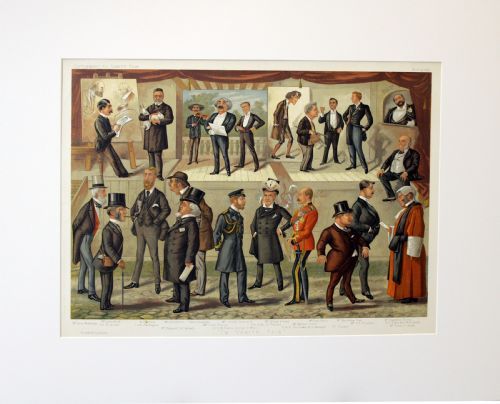


Antique Satirical Artwork
Antique satirical artwork brings together biting social commentary and political wit, offering a sharp window into past manners through caricature and print.
Antique Satirical Artwork
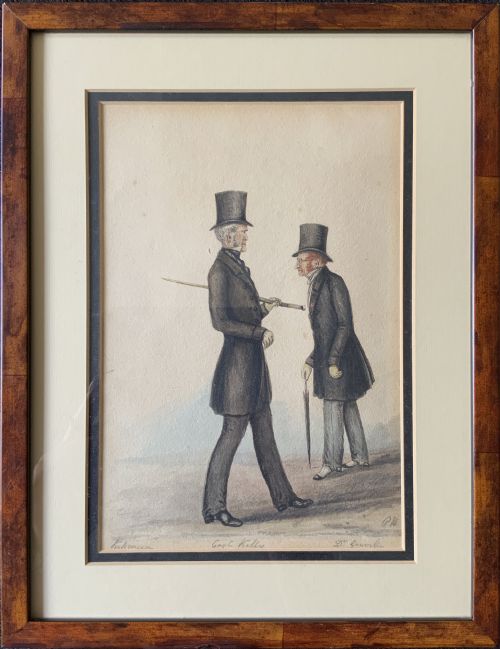
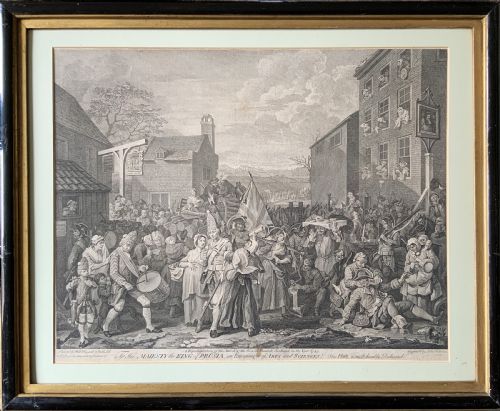
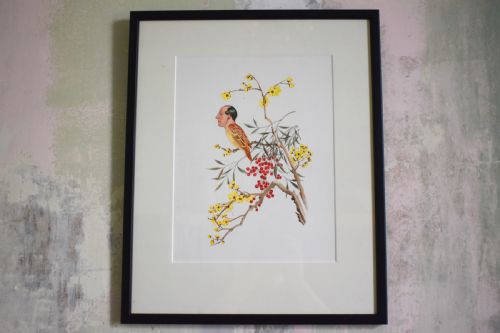
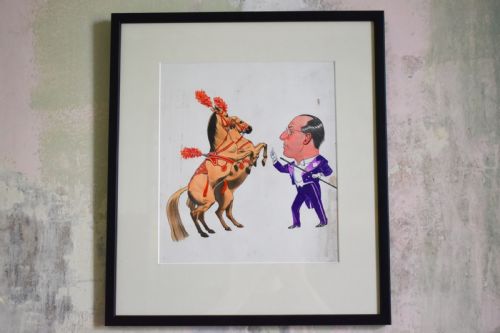
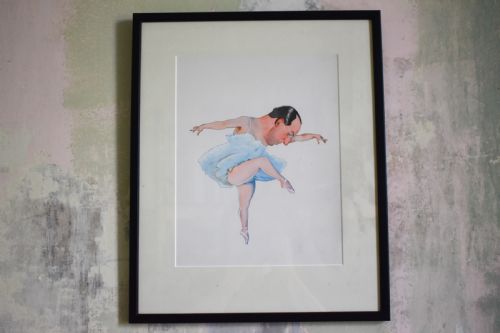
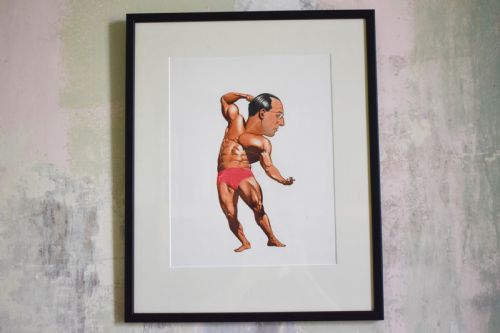
When you search for antique satirical artwork, you encounter printed and painted social commentaries spanning the eighteenth and nineteenth centuries into the twentieth. These pieces use caricature, humour, and sharp observation to lampoon politics, fashion, and human folly across periods from the Georgian era to the Edwardian years.
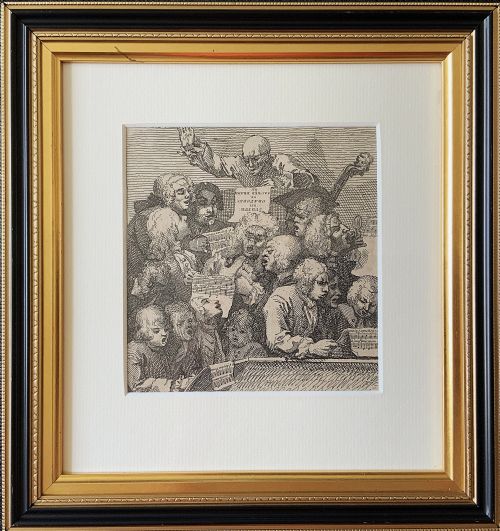
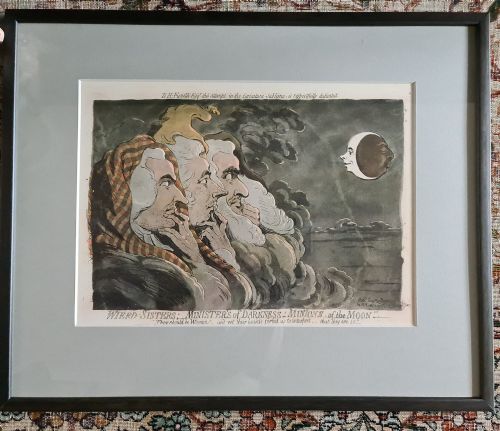
The selections available here lean heavily toward framed prints, original watercolour paintings, and engraved plates. You will find works by notable names such as William Hogarth and Thomas Rowlandson, alongside chromolithographs and runs of early twentieth-century caricatures.
How they were made
Makers produced these works on paper using ink, pencil, watercolour, and gouache, often employing copperplate engraving, etching, or stipple engraving to duplicate the image. Many printed examples received supplementary hand colouring applied directly over the ink lines.
Framing often utilised wood, such as maple, to protect the delicate paper works and watercolours. Chromolithographs utilised multi-stone colour printing techniques to achieve their vibrant hues without the need for manual tinting.
Antique Satirical Artwork Retail Price Guide 2026
Typical asking prices for satirical artwork among the pieces listed under this phrase on Sellingantiques today, from the lower quarter to the upper quarter. They describe what is for sale here now, not the wider market.
Listings feature works spanning the eighteenth, nineteenth, and twentieth centuries, incorporating both unique watercolours and printed paper ephemera.
What varies in quality
Quality rests upon the crispness of the original impression from the plate and the subtlety of any hand-applied watercolour washes. Early strikes and genuine period prints demonstrate sharper line definition than later copies or mechanical reproductions.
The integrity of the paper support and the preservation of the original framing materials also distinguish finer examples. Works retaining their authentic colour and clear contemporary inscriptions stand apart from faded or heavily trimmed sheets.
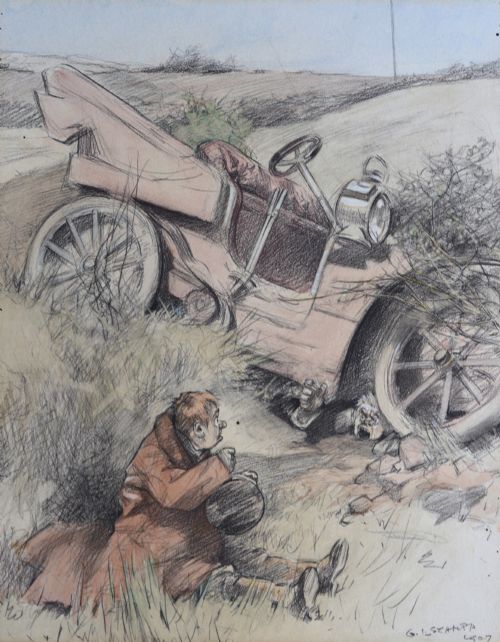
William Hogarth·Thomas Rowlandson·George Lorain Stampa·Thomas Worth
The Antique Satirical Artwork Glossary
- Chromolithography
- A planographic colour printing technique using multiple limestone blocks to build up rich hues. This method allowed for the mass production of vibrant satirical prints seen in Victorian periodicals.
- Engraving
- A printmaking process where an artist cuts lines directly into a metal plate with a sharp tool called a burin. The resulting incisions hold the ink for transfer under high pressure onto paper.
- Etching
- A method where acid bites lines into a metal plate prepared with a protective wax ground. This technique permits a greater freedom of line than traditional engraving.
- Stipple engraving
- A printmaking variation that creates tone and shading through a dense pattern of small dots rather than continuous lines. It gained popularity for rendering softer textures in portraits and satirical scenes.
- Caricature
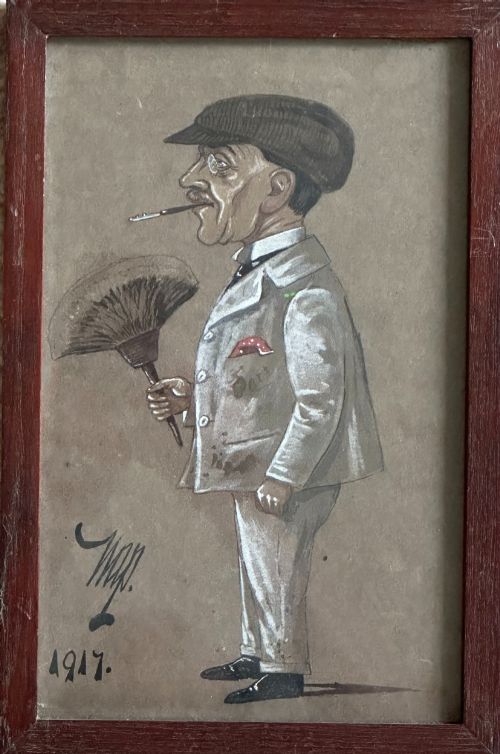
- A rendered portrait or scene exaggerating physical traits or social behaviours for comic or satirical effect. These drawings form the backbone of political and social critique across the centuries.
Antique Satirical Artwork: Frequently Asked Questions
How do I care for antique watercolours?
Keep works on paper away from direct sunlight to prevent the watercolour pigments and inks from fading over time. Maintain stable indoor humidity levels to protect both the fragile paper and any historic wooden framing.
Ensure that framing utilises acid-free backing materials to prevent yellowing and degradation of the paper sheet. Professional framing with UV-protective glass offers an extra layer of defence for these delicate historical items.
Are these works original period pieces?
The listings include original hand-painted watercolours alongside contemporary period engravings and lithographs pulled during the active dates of the artists or publishers. Each piece is attributed to its specific century or production era based on the physical evidence of the paper and printing methods.
Later copies and reproductions are clearly identified in the titles where applicable, distinguishing them from eighteenth-century copperplate prints or nineteenth-century chromolithographs.
What subjects are most common?
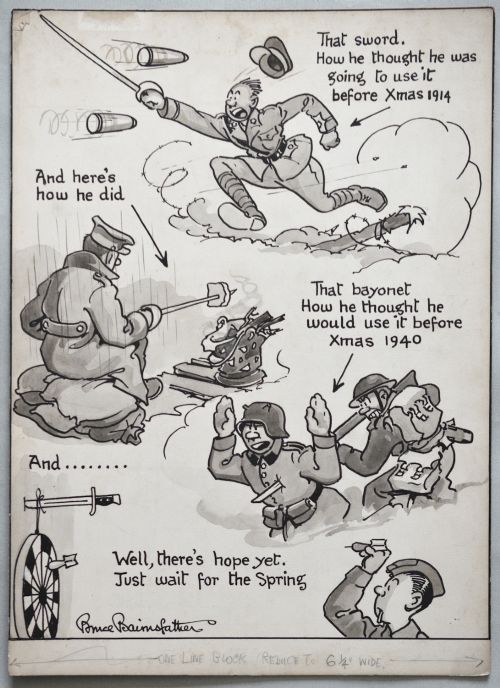
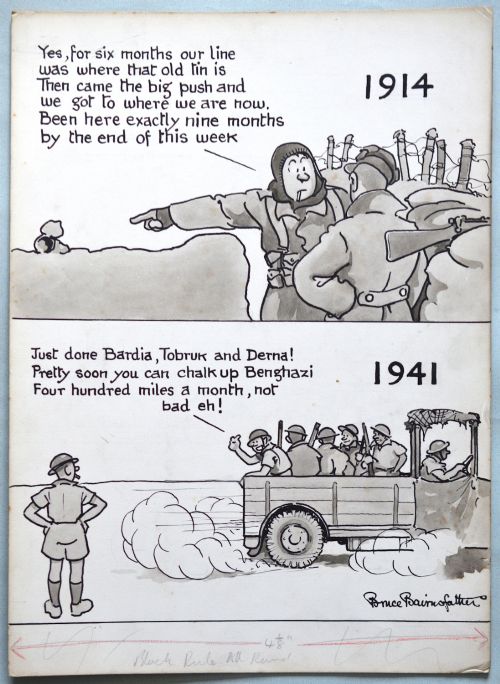
The subject matter focuses heavily on social satire, political commentary, and human follies. Common themes include theatrical scenes, academic critique, legal proceedings, and military caricatures from various European and American conflicts.
Artists frequently targeted contemporary fashions, societal pretensions, and political figures of their day, providing a humorous yet critical record of everyday life in past centuries.
How are different printing methods identified?
Engravings and etchings display indented plate marks around the printed image where the metal edge pressed into the dampened paper. Chromolithographs reveal a microscopic dot pattern or flat colour layering characteristic of multi-stone lithographic printing.
Watercolours and ink sketches show actual brushstrokes and pen lines on the surface of the paper rather than a uniform printed grid.