
Antique Sarcophagus Box
An antique sarcophagus box brings classical architectural proportion to small domestic storage, serving as a stately home for tea, wine, or letters.
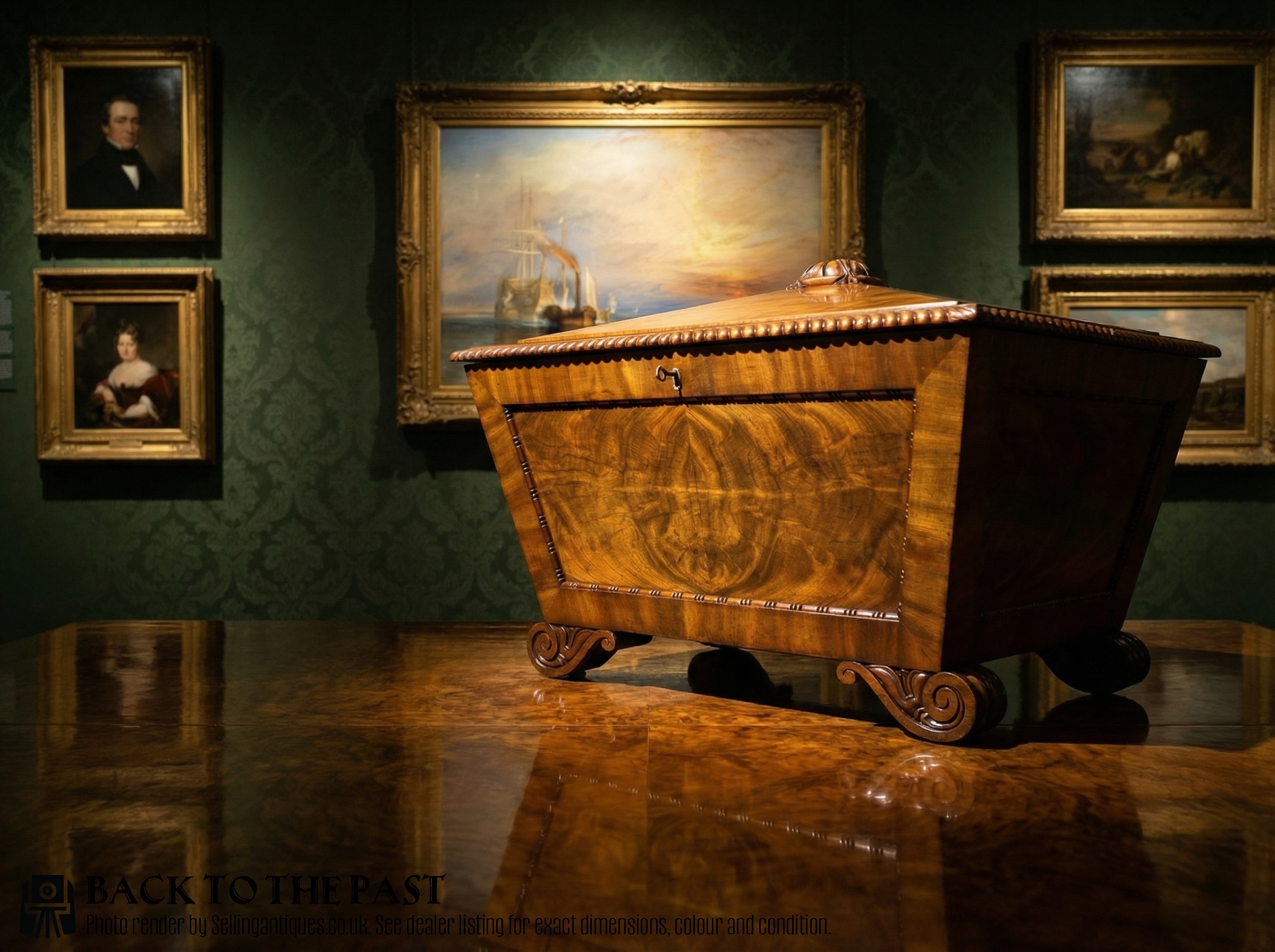
Antique Sarcophagus Box
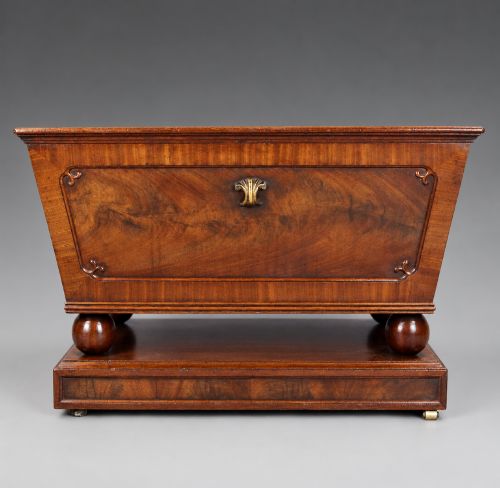
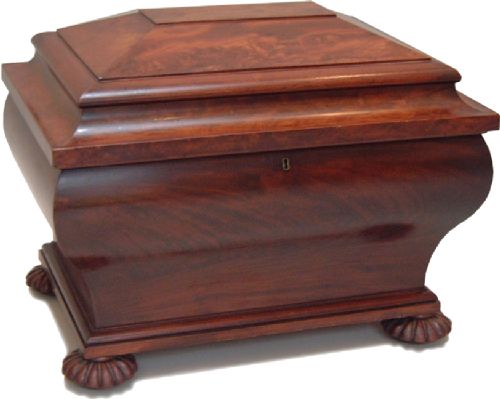
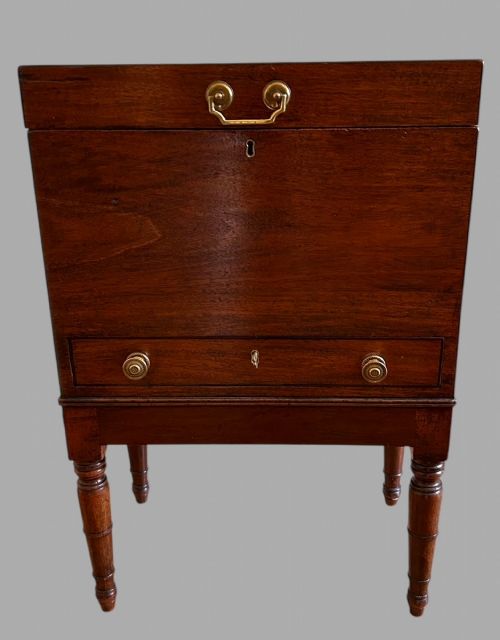
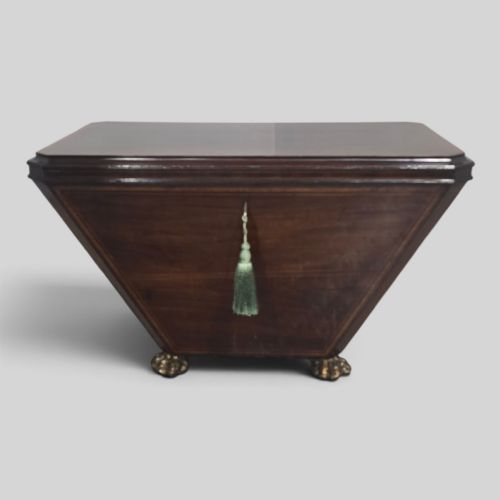
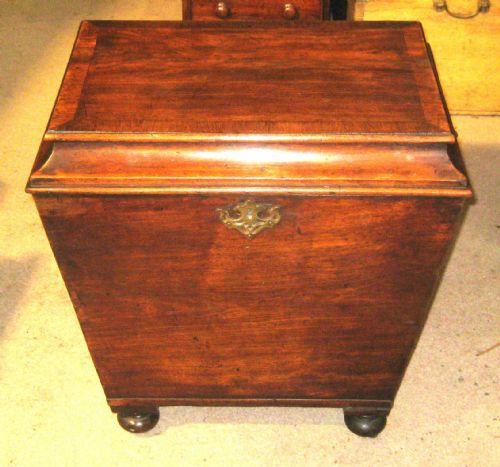
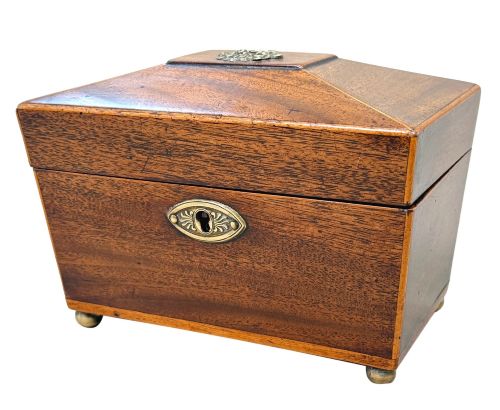
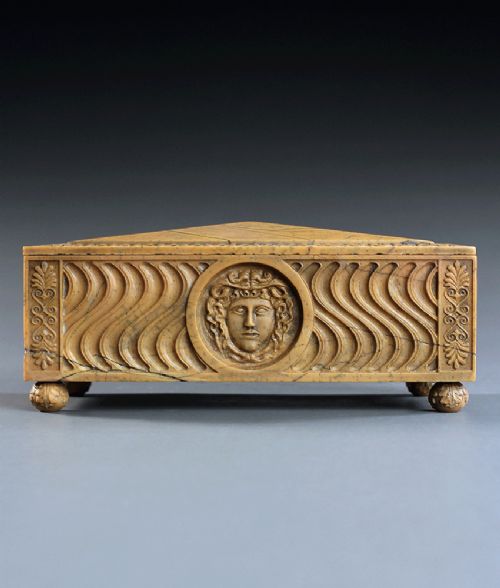
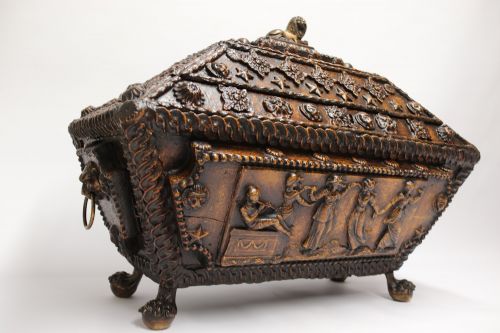
An antique sarcophagus box typically adopts the heavy, flared, pedestal-mounted silhouette of ancient Roman monumental tombs, translated into domestic furniture during the Georgian, Regency, and Victorian periods. Buyers encounter these forms primarily as tea caddies, cellarettes, wine coolers, and jewellery caskets designed to sit on side tables or floors.
The aesthetic draws heavily on Neoclassical design principles, emerging in mahogany, rosewood, and satinwood through the late eighteenth and nineteenth centuries. These pieces range from tabletop tea containers with fitted interior compartments to large, floor-standing cellarettes lined with lead for holding bottles.
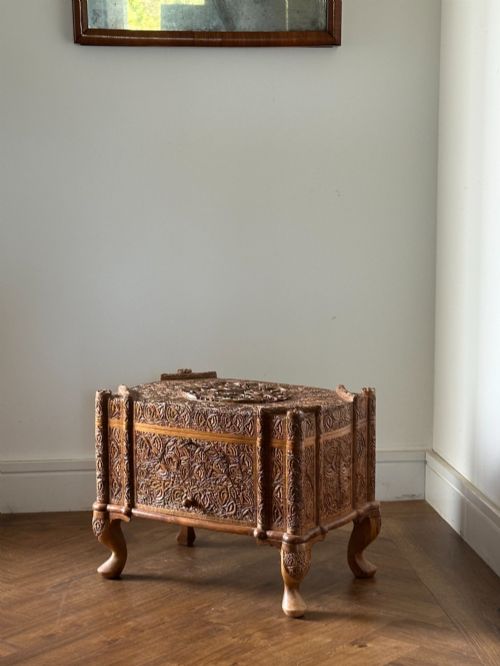
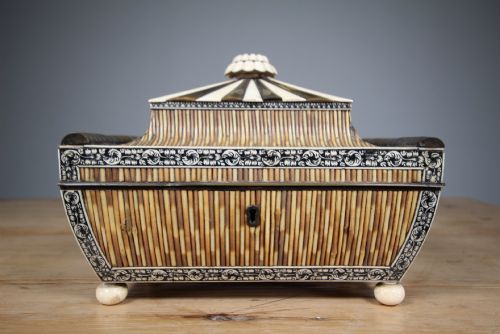
Makers adapted the architectural sarcophagus shape for various specialised uses, including sewing boxes, writing slopes, and document chests. While many originate from English workshops, examples also reflect Continental styles and Anglo-Indian production.
Materials and construction
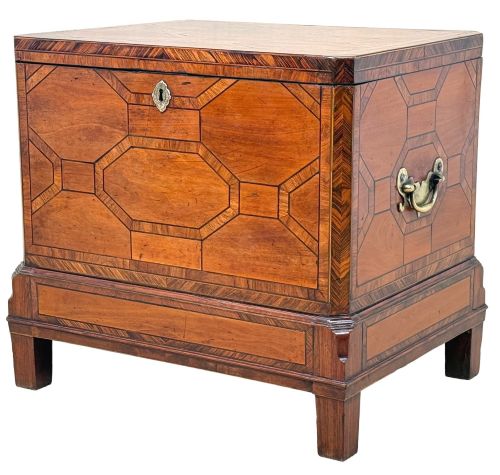
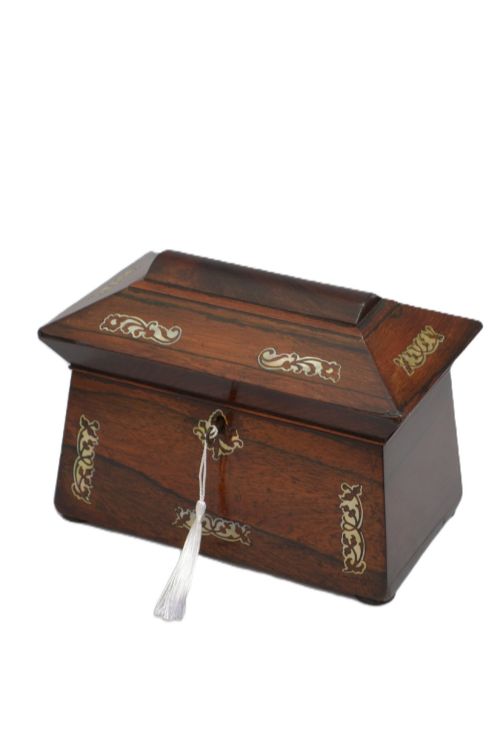
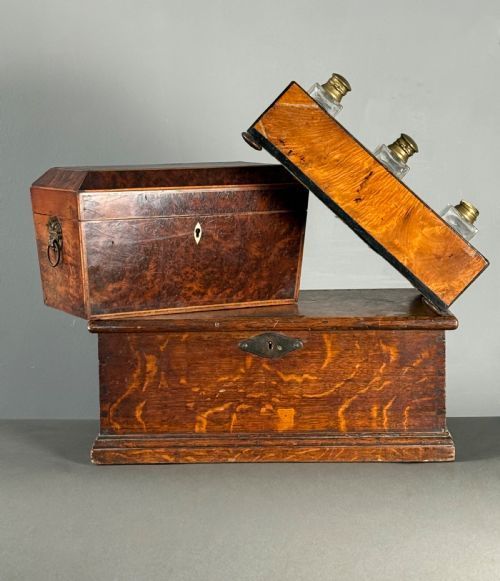
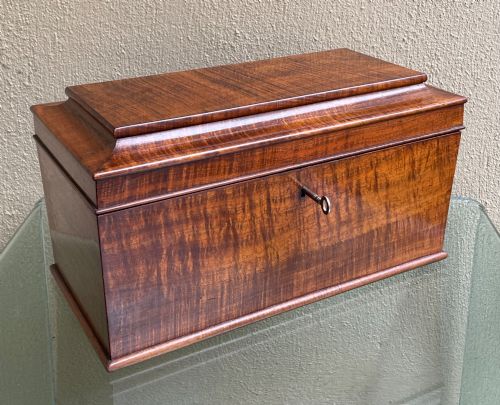
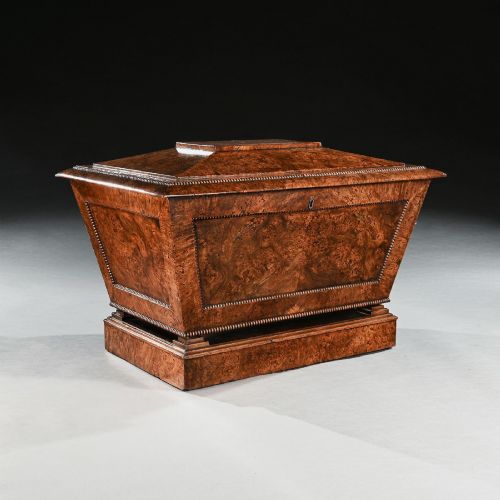
Cabinetmakers built these boxes using dense timbers such as mahogany, rosewood, and pollard oak, frequently applying flame veneers to create dramatic grain patterns across the sloping lid panels. Finer examples incorporate contrasting stringing, brass inlay, or carved details in boxwood, bone, and mother-of-pearl.
Construction methods relied on precise joinery to stabilize heavy timber against warping, often mounting the main body on paw feet, bracket feet, or a stepped plinth base. Interior layouts required intricate carpentry to house glass mixing bowls, tea canisters, or tiered velvet-lined trays.
Some miniature sarcophagus boxes served as secret sewing companions for busy Victorian thumbs.
Standards of execution
Quality rests on the selection of timber veneers and the precision of decorative inlays, where continuous grain matching and tight brass work elevate a piece above standard production. The integrity of the internal fittings, such as original mixing bowls, matching tea canisters, and working locks with keys, significantly impacts the standing of the box.
Proportion and scale dictate the visual success of the piece, as smaller tabletop caddies require the same architectural harmony as large floor-standing wine coolers. Finer craftsmanship appears in the crispness of carved wooden paw feet, lion mask ring handles, and the smoothness of the lining.
Edwards and Roberts·Henry Hollamby
The Antique Sarcophagus Box Glossary
- Cellarette
- A lockable container designed to hold bottles of wine or spirits, often lined with lead in larger sarcophagus forms. They sit on the floor or on low stands near the dining table.
- Tea caddy
- A box made to store dry tea leaves, frequently featuring internal lidded compartments and sometimes a central glass mixing bowl. Regency and Georgian examples often utilise the sarcophagus profile.
- Stringing
- A narrow strip of contrasting wood inlaid into the surface of furniture to create decorative borders and geometric outlines. It is common on mahogany and satinwood boxes.
- Pollard oak
- Timber taken from trees that have been pollarded, producing a gnarled, highly figured grain pattern prized during the Regency period for veneering luxury items.
- Teapoy
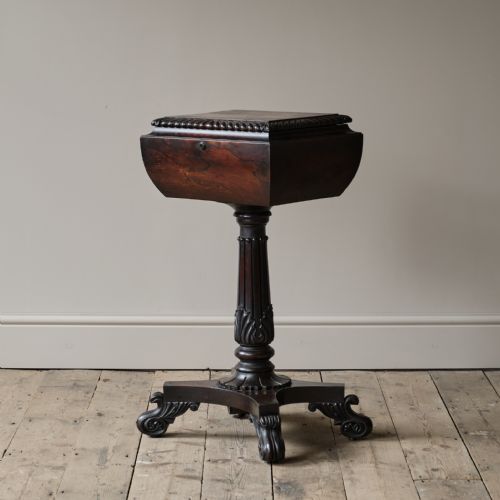
- A small stand or table fitted with a box on top for storing tea, occasionally taking a sarcophagus shape on a central pillar with footed supports.
Antique Sarcophagus Box: Frequently Asked Questions
What were antique sarcophagus boxes used for?
These boxes served primarily to store valuable household commodities like dry tea leaves, wine, spirits, and personal items such as jewellery or documents. Their substantial construction helped preserve the aroma of expensive teas or kept bottled wine secure in the dining room.
Over time, smaller versions became standard fixtures on drawing-room tables for letter-writing and sewing. Larger floor-standing variants acted as movable cellarettes during formal meals.
How do I date an antique sarcophagus box?
Dating relies on observing the timber species, construction methods, and prevailing decorative styles of the period. Regency and George III pieces frequently feature flame mahogany or rosewood with brass lion mask handles and strict neoclassical proportions.
Later Victorian examples tend to introduce burr walnut, heavier mother-of-pearl inlay, and more elaborate internal velvet linings. Examining the secondary woods inside the drawers also helps establish the era of manufacture.
Are the interiors usually original?
Many boxes retain their fitted wooden compartments, paper linings, and original glass bowls or metal canisters, though some have experienced interior restoration over the centuries. Velvet and silk linings inside jewellery boxes and sewing caskets were often replaced due to standard wear.
Tea caddy interiors generally survive intact because the lidded wooden canisters protected the internal spaces from heavy use. Checking for matching wood species inside confirms original components.
How should I care for a wood sarcophagus box?
Maintenance requires keeping the box away from direct sunlight and extreme humidity fluctuations to prevent the delicate veneer from cracking or lifting. Applying a traditional beeswax polish occasionally helps nourish old timber and preserve the patina.
Avoid using modern liquid cleaners or harsh chemical sprays on polished mahogany and rosewood surfaces. Gentle dusting with a dry, soft cloth remains the safest method for regular upkeep.