



Antique Sapphire Brooch
An antique sapphire brooch brings together deep blue corundum and period metalwork, offering wearable history that catches the light on a lapel.
Antique Sapphire Brooch
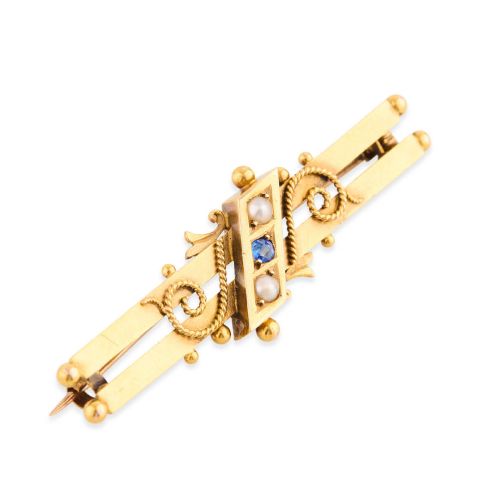
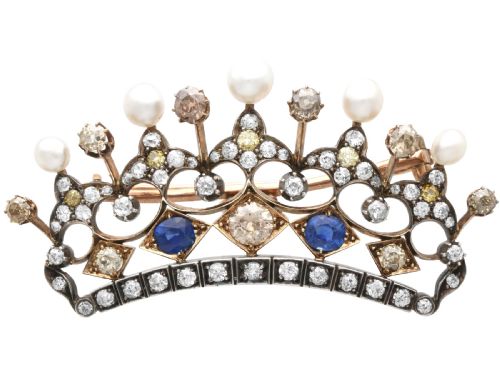
When you search for an antique sapphire brooch, you encounter pieces spanning from the late nineteenth century through the mid twentieth century. The selections range from straightforward bar brooches and delicate crescent designs to elaborate pictorial motifs like butterflies, owls, and crowns. Many examples double as pendants, giving you versatility in how you wear them today.
Victorian and Edwardian iterations dominate the selection, often combining sapphires with old cut diamonds and pearls set in gold or silver on gold. Art Deco and Retro pieces introduce platinum and white gold alongside geometric lines or heavier cocktail styling. You will find both unheated natural stones and varied colour varieties including yellow and green sapphires.
Materials and Construction
Goldsmiths and jewellers utilised a shifting palette of metals, moving from early yellow golds and silver topped golds to platinum and white gold as the decades progressed. Sapphires were paired with diamonds, natural pearls, and occasional emeralds or rubies, secured in claw, collet, or pave settings.
Construction techniques evolved from hand fabricated wirework and closed back foils in the nineteenth century to precise platinum mountings and pierced galleries by the Art Deco period. Master makers incorporated hinged pin stems and safety catches, combining structural durability with intricate visual lightness.
Antique Sapphire Brooch Retail Price Guide 2026
Typical asking prices for sapphire brooch among the pieces listed under this phrase on Sellingantiques today, from the lower quarter to the upper quarter. They describe what is for sale here now, not the wider market.
Victorian makers occasionally turned humble insects like owls and butterflies into sparkling diamond and sapphire spectacles.
Judging Quality and Character
The distinction between standard examples and superior pieces rests on the depth and saturation of the sapphire, the cut and brightness of accompanying diamonds, and the integration of the design. Stones with natural unheated origins and vibrant saturation command attention, particularly when paired with well matched old cut diamonds.
Workmanship in the metalwork further defines a piece, seen in delicate millegrain edges, balanced proportions in figurative motifs like insects or crescents, and the integrity of the original pin mechanism. The harmony between the gem weight and the supporting mount separates workshop output from exceptional high grade jewellery.
Rhoda Wager
The Antique Sapphire Brooch Glossary
- Old Cut Diamond
- A diamond cut popular before the modern brilliant cut, characterised by a smaller table, higher crown, and open culet. These stones catch candlelight warmly.
- Millegrain
- A decorative technique featuring a row of tiny raised metal beads along the edge of a setting. It softens the transition between metal and stone.
- Collet Setting
- A band of metal that encircles the gemstone to hold it in place. It represents a traditional method used extensively in Victorian jewellery.
- Unheated Sapphire
- A natural sapphire that has undergone no thermal enhancement to improve its colour or clarity. These stones are prized for their untouched natural genesis.
- Bar Brooch
- A horizontal pin featuring gems centred upon a slender metal rod. This form was a staple of late nineteenth and early twentieth century dress.
Antique Sapphire Brooch: Frequently Asked Questions
How do I wear an antique sapphire brooch safely?
Secure the pin through a sturdy fabric like tweed, wool, or a heavy lapel rather than delicate silks that might pull. Utilise a modern locking pin converter if the original C clasp lacks a locking mechanism.
Store the piece flat in a dedicated jewellery box away from other items to prevent the diamonds from scratching softer gems or the metal mount.
How can I tell a Victorian brooch from an Edwardian one?
Victorian pieces from the evidence often feature yellow gold, heavier bar formats, and rich foliate or insect motifs. They utilise warmer tones and substantial gold weights.
Edwardian designs shift towards platinum, silver topped settings, and lighter openwork motifs like bows and garlands. The visual effect prioritises white metals and bright diamond clusters.
Did antique brooches always double as pendants?
Many nineteenth and early twentieth century pieces incorporated foldable loops or removable bails specifically to serve dual purposes. This allowed the owner to pin the item to clothing during the day or suspend it from a chain by evening.
Examining the reverse of the piece reveals whether a hinged or hidden loop was part of the original workshop design.
Are coloured sapphires common in antique jewellery?
While deep blue corundum is standard, the historical record shows yellow and green natural sapphires appearing alongside traditional blue stones in late Victorian and Art Deco pieces.
These varied hues reflect the natural diversity of sapphire deposits utilised by period jewellers before synthetic stones became prevalent.