


Antique Samovar Dispenser
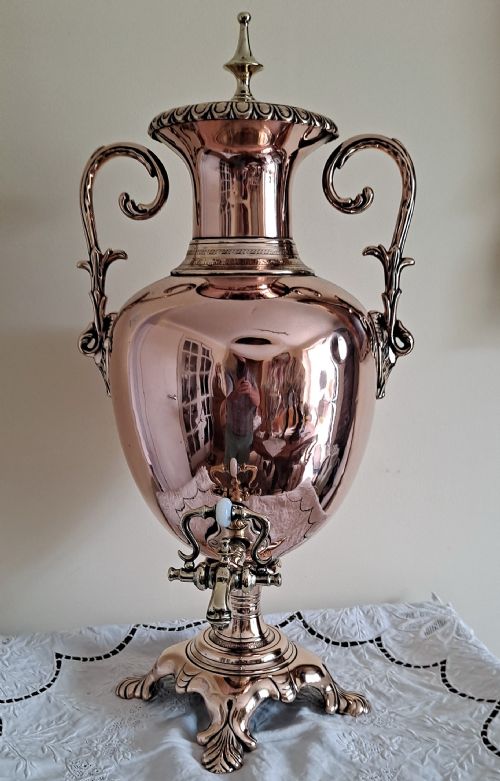
An antique samovar dispenser is a vessel for heating and dispensing water, bringing period presence and substantial metalwork to a room.
Antique Samovar Dispenser
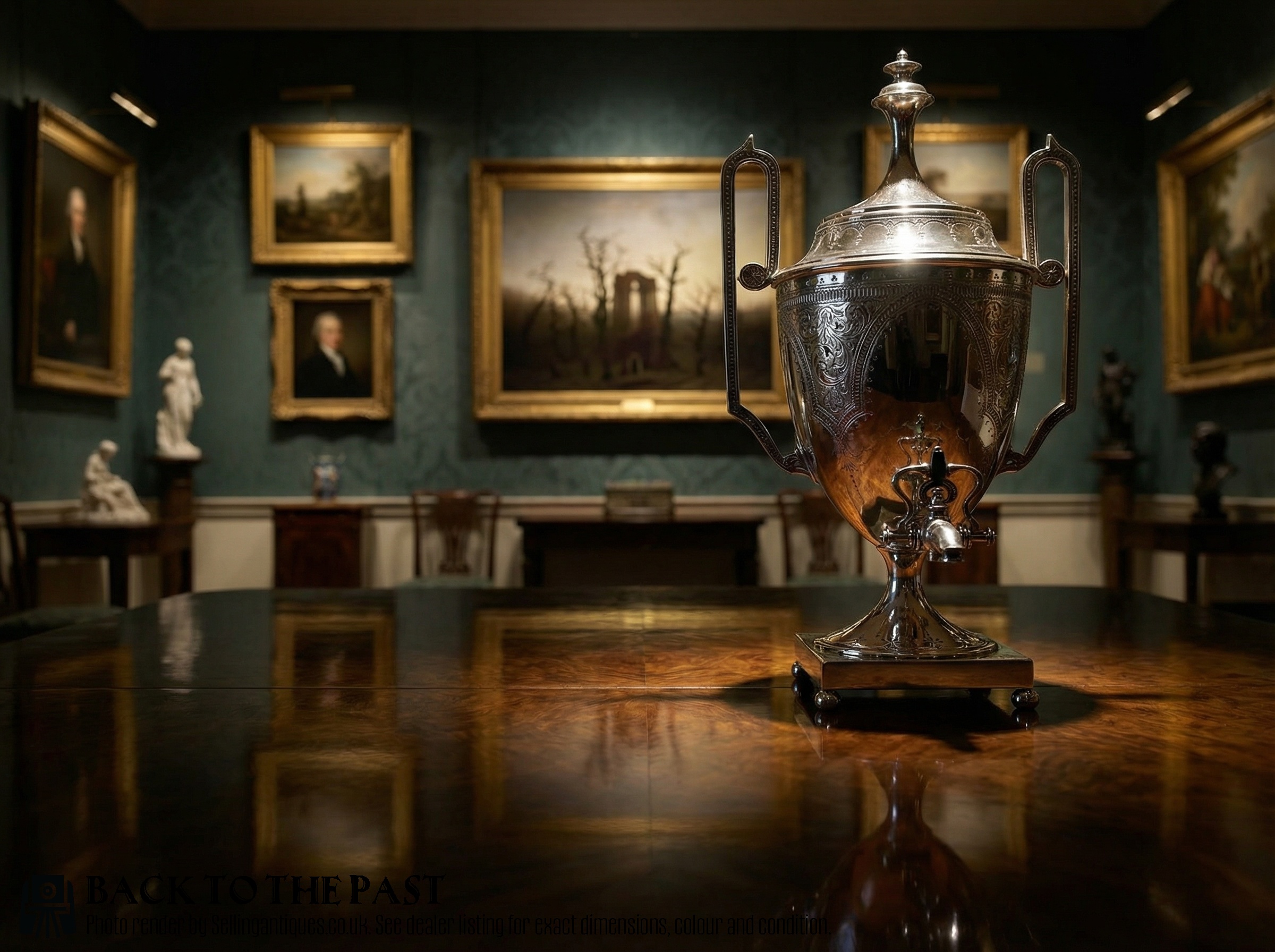
When you search for an antique samovar dispenser, you are looking at large vessels designed for heating and dispensing water or coffee.
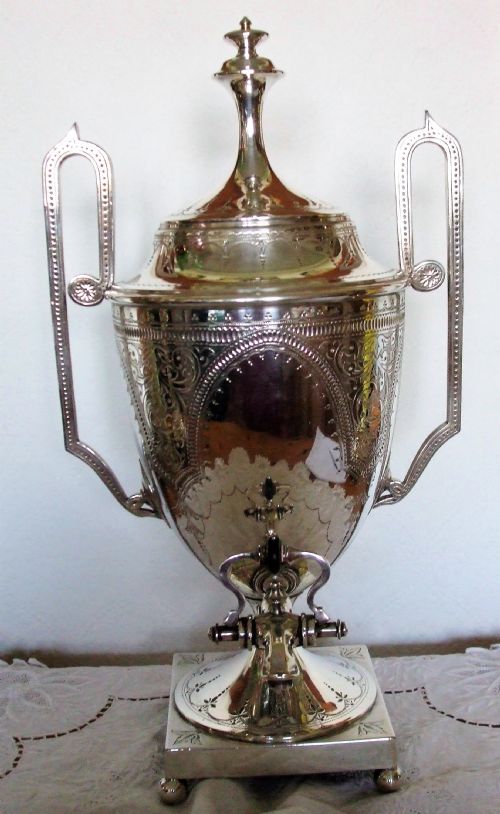
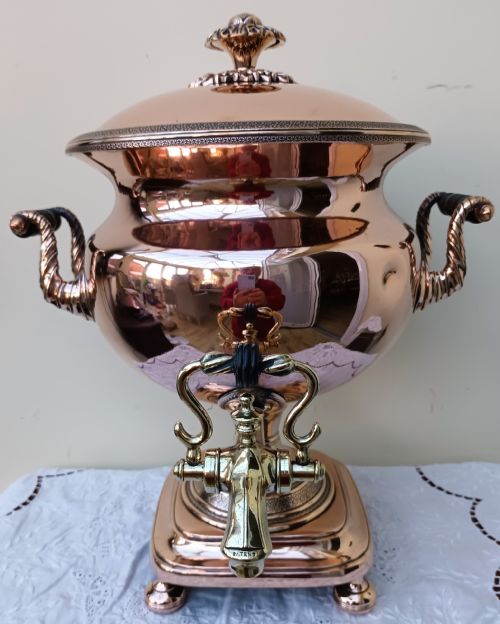
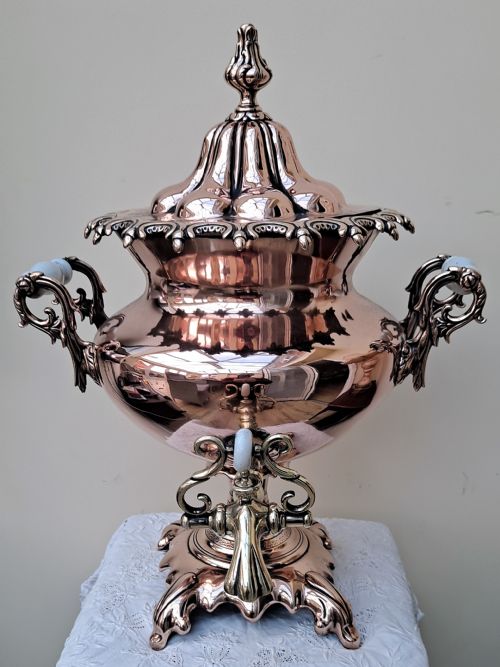
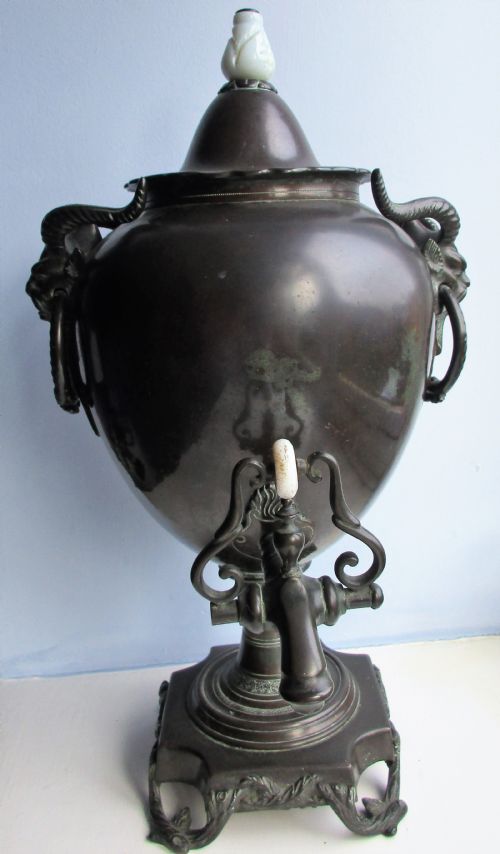
The most common versions on this page are copper and brass tea urns from the Victorian and Georgian periods, alongside silver plated examples.
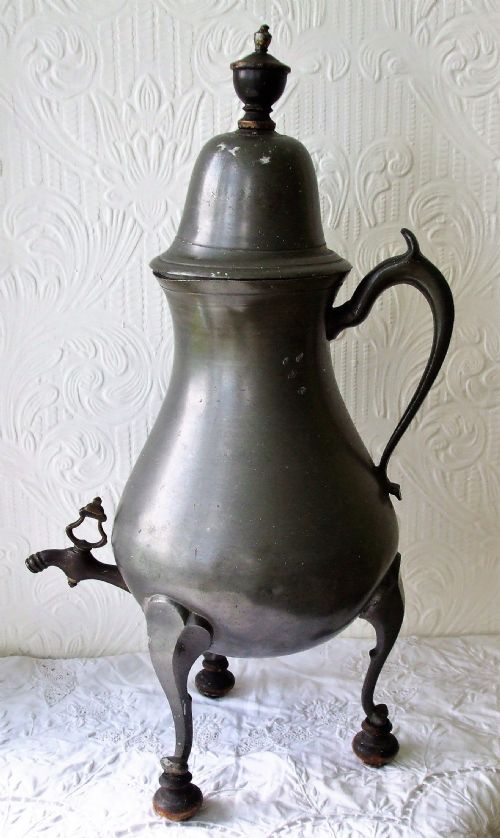
You will also find Japanese cloisonne enamel temple water dispensers and Dutch or English pewter coffee urns among the diverse offerings.
How they were made
Makers fashioned these pieces primarily from copper, brass, and silver plate, occasionally incorporating bone, wood, pewter, ceramic, and bronze.
Techniques range from hand-beaten copper bodywork and cast brass fittings to japanned finishes on Pontypool ware and intricate cloisonne enamel.
Listings span from the 18th century through the Georgian, Regency, and Victorian eras up to Edwardian silver plate.
What varies in quality
Quality separates by the integrity of original fittings, such as taps and handles, and the weight and gauge of the metal used in the body.
Finishes show distinct tiers, from plain utilitarian copper to finely executed japanning, bronzed copper, and detailed cloisonne enamel work.
Walker & Hall·Benetfink & Co
The Antique Samovar Dispenser Glossary
- Samovar
- A heated metal vessel traditionally used to boil water for tea. These large containers usually feature a central internal tube for charcoal or hot metal blocks.
- Pontypool Ware
- Japanned metalware produced in Wales, known for its glossy black or coloured lacquered finish. It often decorates Victorian tea urns.
- Cloisonne
- An enamelwork technique where metal wire forms compartments on a vessel surface, which are then filled with paste and fired. This creates detailed patterns like dragons on temple water dispensers.
- Silver Plate
- A thin layer of silver applied to a base metal such as copper or brass. Walker & Hall utilised this technique on Sheffield plated tea urns.
Antique Samovar Dispenser: Frequently Asked Questions
How do I date an antique samovar dispenser?
Dating relies on stylistic clues, materials, and maker marks found on the body or fittings. Georgian and Regency pieces show neoclassical lines, while Victorian examples often feature heavy copper with brass handles.
Makers such as Walker & Hall or retailers like Benetfink and Co help narrow down the production era to the nineteenth or early twentieth century.
What were samovar dispensers used for?
These vessels provided a constant supply of hot water for tea or coffee in large households. Servants kept them heated in the dining room or drawing room using internal heating tubes.
Coffee urns specifically catered to brewing and serving coffee, while water urns supplied hot water on demand.
Are all samovar dispensers made of copper?
Copper is the most frequent metal seen in these listings, often paired with cast brass taps, handles, and feet. Other examples employ silver plate over a base metal, pewter, or bronze.
You will also encounter Japanese cloisonne enamel on copper vessels and japanned metalware.
How do I care for a metal samovar?
Maintenance depends on the exterior finish, whether it is polished copper, silver plate, or japanned lacquer. Gentle dusting and appropriate metal care preserve the surface without removing historic patination.
Avoid harsh abrasives, particularly on silver plated or japanned surfaces, to protect the original finish.