

Antique Rustic Seating
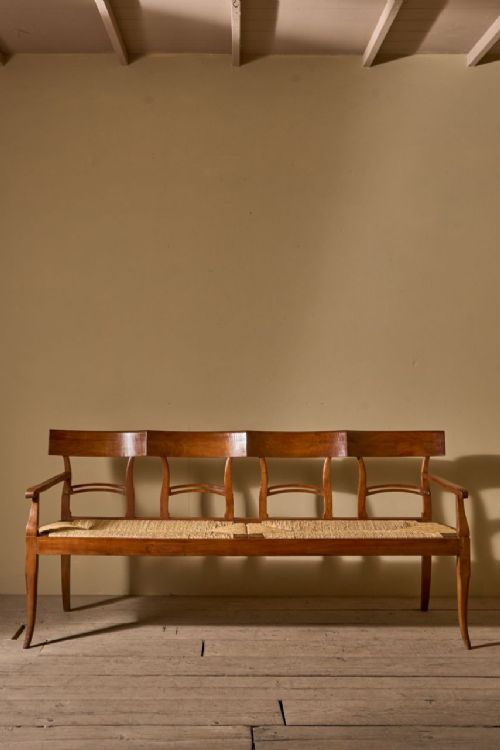
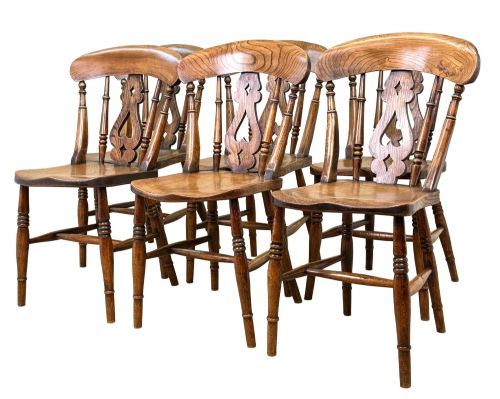
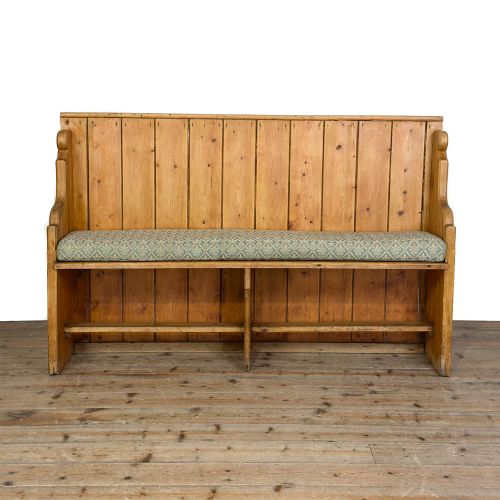
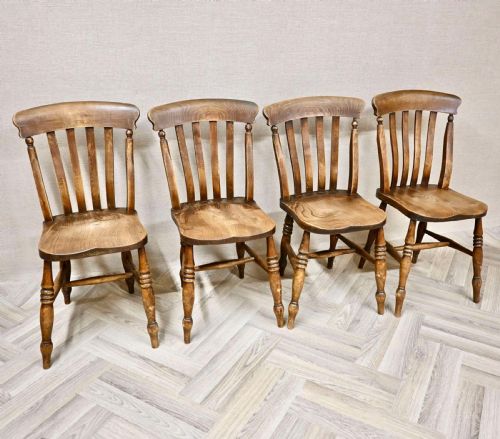
These antique rustic seating pieces span centuries of domestic and garden life, offering heavy timber construction and practical form.
Antique Rustic Seating
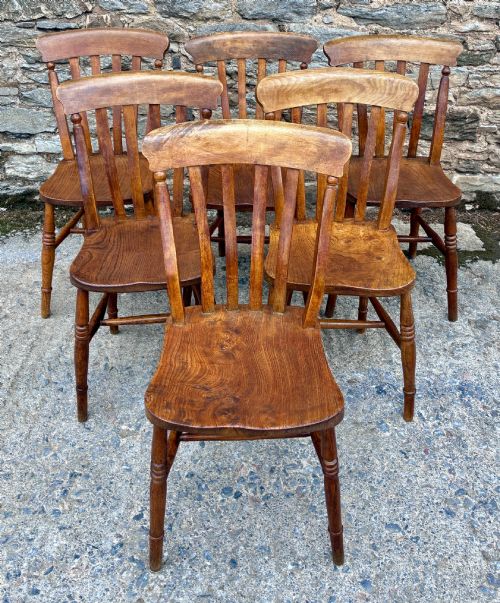
When you search for antique rustic seating, you encounter a wide array of utilitarian furniture designed for everyday domestic, tavern and garden use. The pieces on this page are dominated by 19th-century and Edwardian examples, alongside earlier Georgian and 18th-century forms.
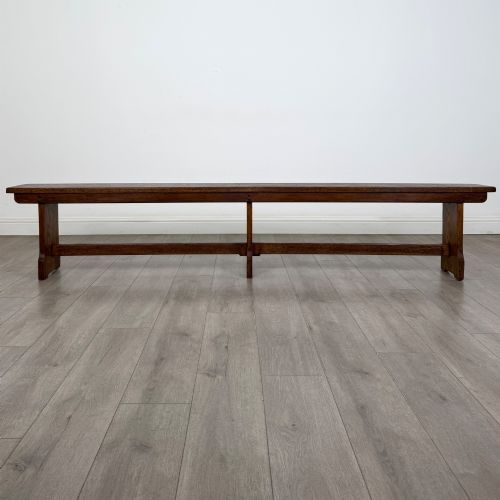
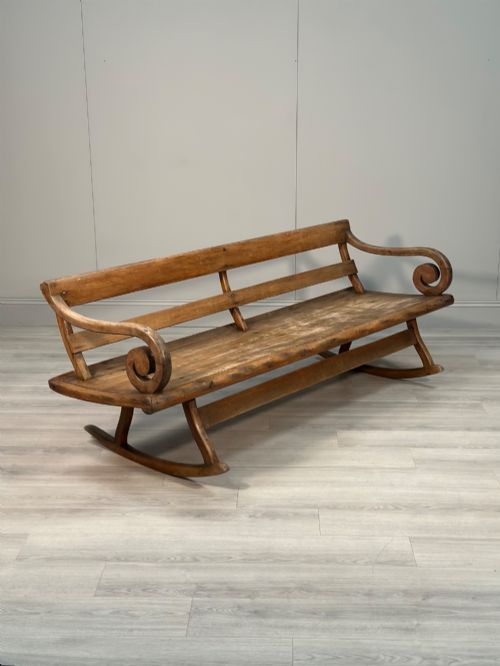
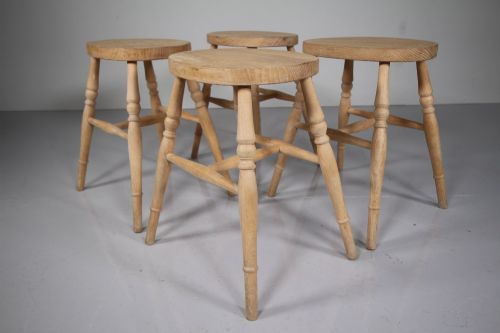
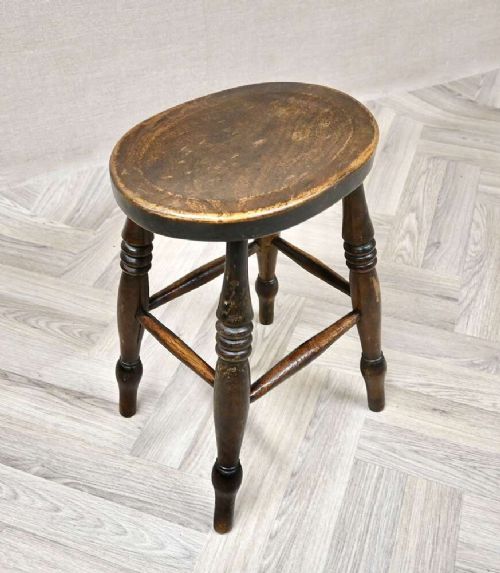
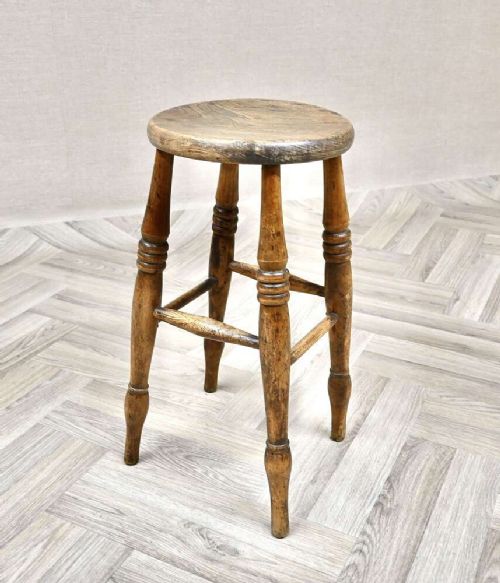
The inventory leans heavily towards practical seating arrangements, including dining chairs, armchairs, benches, settles and various forms of stools. Common configurations range from single tavern stools to matching sets of Windsor chairs and long hallway benches.
How they were made
Maker construction relied primarily on solid hardwoods such as oak, elm, ash, beech, pine and sycamore, often combining multiple woods within a single piece for seats and spindles. Turnery, pegged joints and steam bending gave strength to chairs and settles built for heavy daily use.
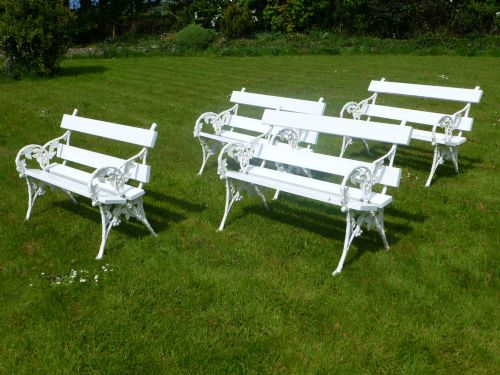
Garden pieces utilised cast iron alongside durable timbers like teak, allowing them to withstand outdoor elements while maintaining decorative detail. Surface finishes developed through decades of hard use, leaving patinas of wax, oil and natural wear on the grain.
Listings feature woods including oak, elm, beech, ash, pine, sycamore, and teak, spanning the 18th, 19th, and 20th centuries.
What varies in quality
The distinction between ordinary and exceptional pieces lies in the integrity of the timber and the honesty of the wear. Grain configuration, particularly the choice of elm for saddle seats or quarter-sawn oak for panels, dictates the visual weight and stability of the item.
Originality of components separates standard examples from superior survivals. Retaining matching turnings, unreplaced stretchers and untouched surface patinas elevates a piece far above one subjected to modern sanding or heavy structural intervention.
Falkirk foundry·Philip Clissett
The Antique Rustic Seating Glossary
- Settle
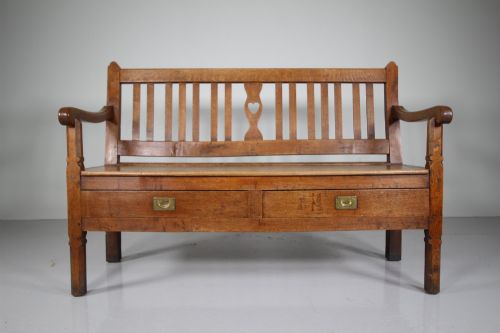
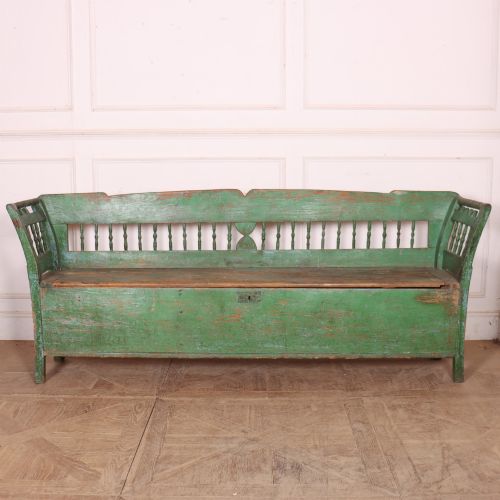
- A wooden bench with a high back, solid arms and often a storage box beneath the seat. It was designed to keep draughts away from people sitting near open hearths.
- Windsor chair
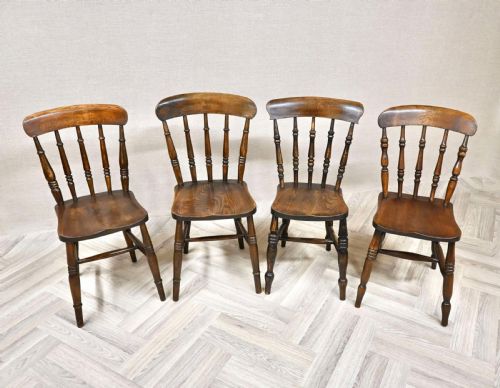
- A chair built with a solid wooden seat into which the legs and back spindles are directly bored. They feature distinctive comb backs or bow backs formed from bent wood.
- Joint stool
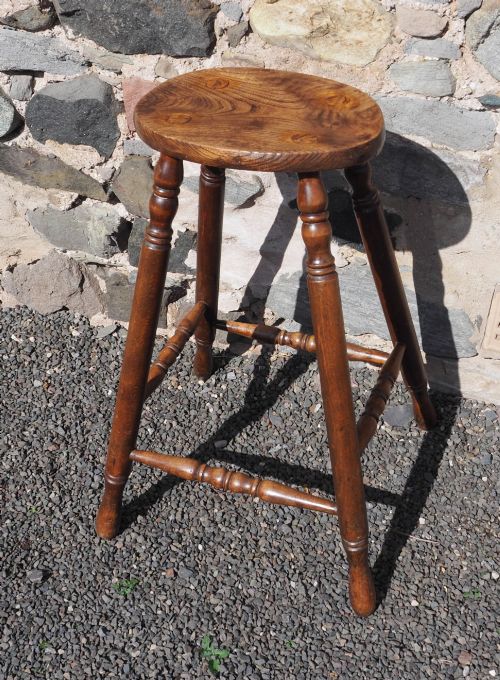
- An early form of wooden stool constructed with tight mortise and tenon joints held together by wooden pegs rather than glue. They provided sturdy seating around dining tables before chairs became common.
- Lathe back
- A chair design featuring horizontal wooden slats or spindles set into the backrest, typically turned on a lathe. This style appears frequently on country kitchen and tavern seating.
- Patina
- The surface sheen and colour acquired by wood and metal through age, handling and wax polishing over many decades. Collectors value an undisturbed patina as evidence of authenticity.
Antique Rustic Seating: Frequently Asked Questions
What periods do these pieces date from?
The selection covers items from the 18th century through to the early 20th century, including Georgian, Victorian and Edwardian eras. Most surviving examples date to the 19th century.
Construction styles shift gradually across these periods, moving from heavy carved oak settles of the earlier centuries towards lighter ash and elm Windsor chairs and industrial stools later on.
How were settle benches used originally?
Settles served as primary seating in farmhouses, cottages and public taverns, positioned close to hearths to block cold drafts. The high backs and enclosed bases offered practical warmth and hidden storage.
In modern interiors, they function effectively in hallways and kitchens, providing substantial seating alongside storage capacity beneath the seat.
Are these chairs suitable for daily dining?
Many of these pieces were built for heavy utilitarian service in kitchens, taverns and rural homes, making them remarkably robust for regular use today. Elm and ash Windsor chairs offer surprisingly ergonomic seating.
Buyers should check individual seat heights and leg stability to ensure comfort matches modern dining table dimensions.
How do I care for antique wooden seating?
Maintenance requires keeping wooden surfaces away from direct heat sources and dramatic humidity shifts, which can cause timber to split or joints to loosen. Regular application of a quality beeswax helps nourish the aged grain.
Avoid harsh chemical cleaners that strip the historic patinas built up over centuries of handling.