
Antique Rustic Cabinet
An antique rustic cabinet brings honest utility and time-worn timber into a room, offering practical storage grounded in centuries of vernacular design.
Antique Rustic Cabinet
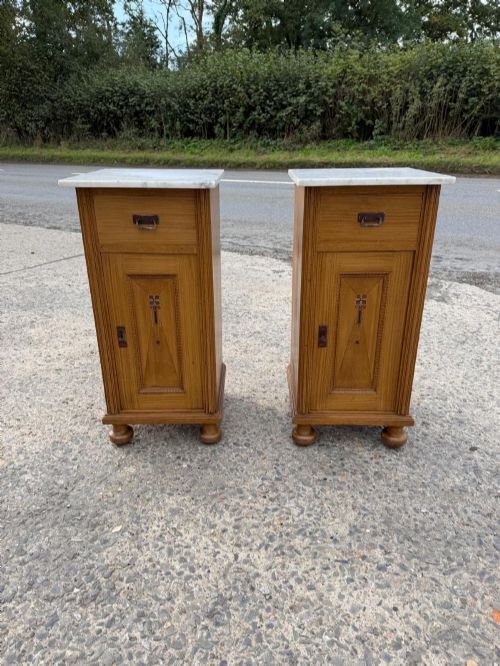
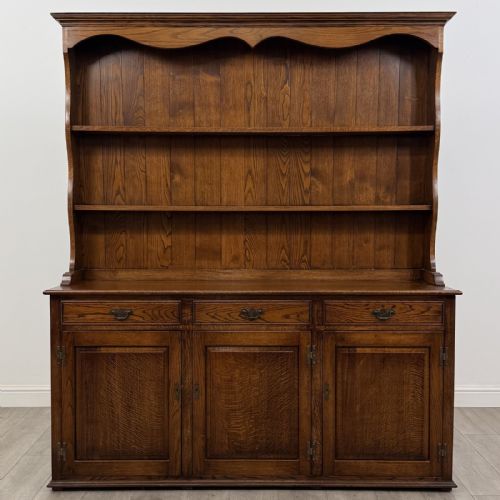
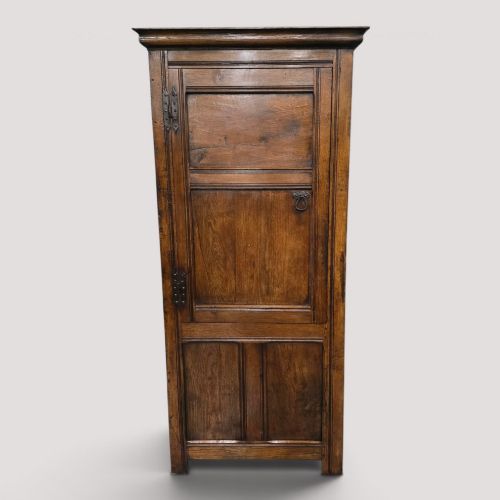
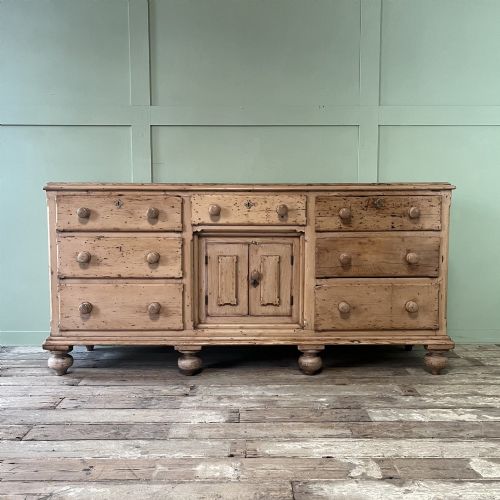
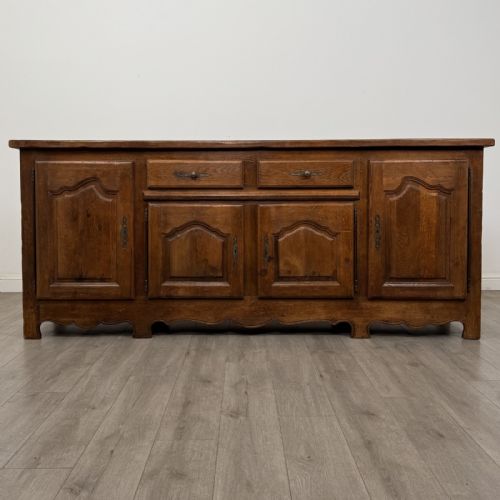
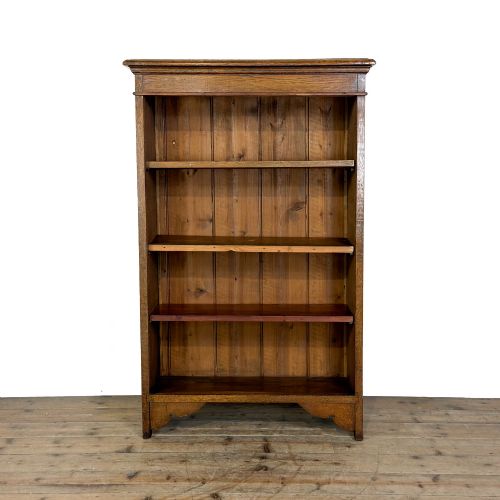
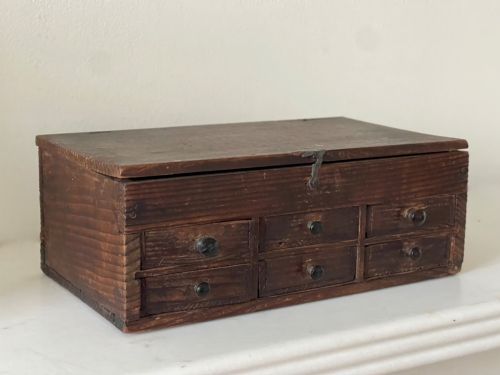
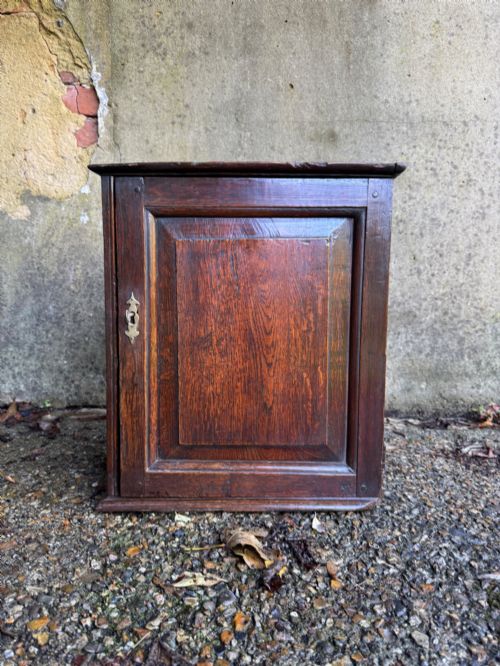
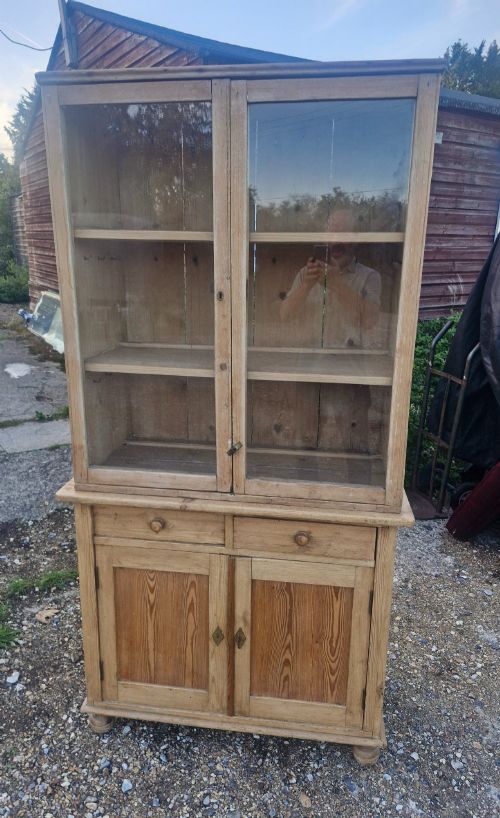
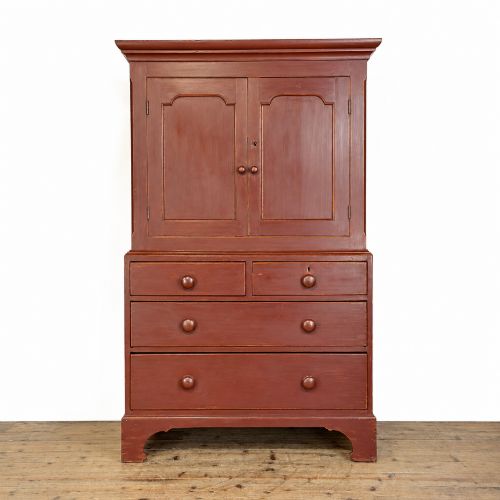
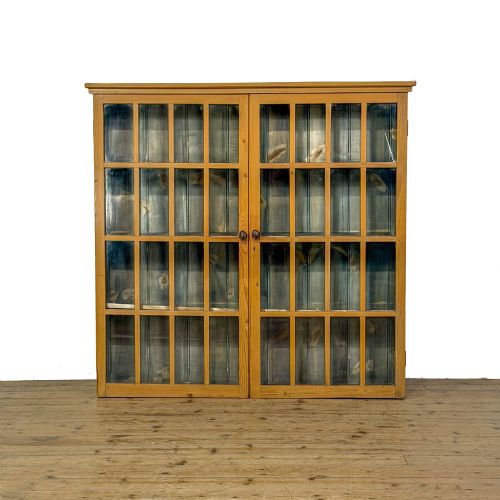
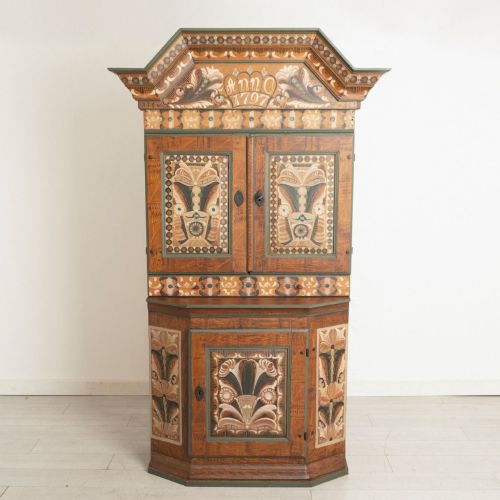
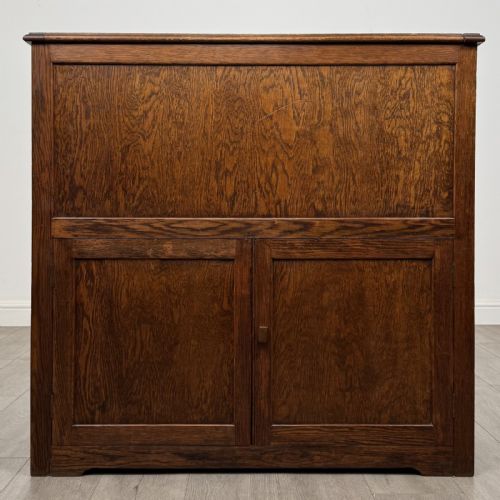
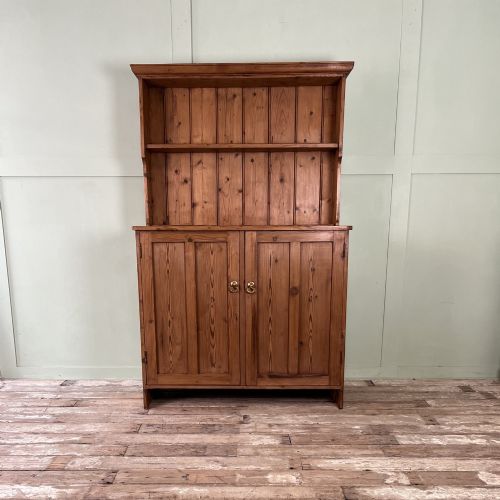
When you search for an antique rustic cabinet, you encounter sturdy storage pieces built for everyday utility rather than formal parlour display. These utilitarian forms span large kitchen dressers, two-part kitchen cupboards, housekeeper's cupboards, and compact wall cabinets designed for practical domestic use.
The most common versions on this page are pine and oak pieces originating from the 18th, 19th, and early 20th centuries. Regional variations appear alongside pieces influenced by Victorian Country, Georgian, and French Provincial styles.
Makers constructed these items to serve working households, dairies, and rural kitchens. Consequently, surviving examples often display the honest wear of generations of domestic service.
Materials and construction methods
Carpenters relied principally on solid pine and oak, supplemented occasionally by elm and pitch pine for structural durability. Boards were joined to handle heavy daily use in farmhouses and school rooms without modern adhesives.
Iron and brass hardware, including hinges, latches, and drawer pulls, secured heavy doors and provided functional operation. Painted surfaces, original patinas, and distressed paint finishes protected the timber while adding distinct regional character.
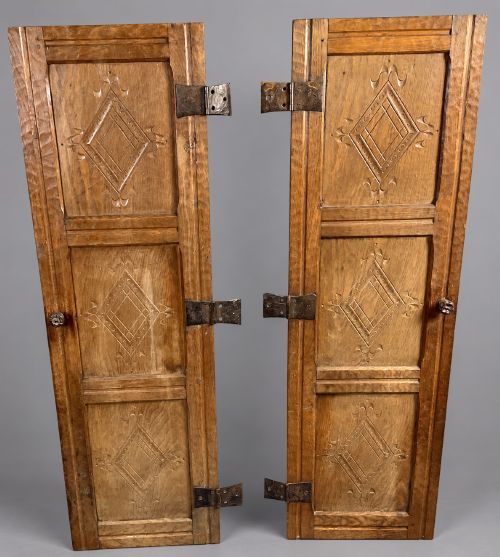
One curious listing includes a pair of oak doors possibly attributed to the famous Mouseman workshop.
Distinctions in construction and finish
The division between everyday utility work and finer pieces rests on timber selection and joinery execution. Heavy oak and elm food cupboards or early Georgian pieces show more deliberate carcass construction than standard utility pine.
Surface treatment significantly influences character, as original painted finishes and untouched patinas elevate a piece above stripped or heavily restored alternatives. Intact original brass or iron hardware and structural completeness distinguish the better survivors.
The Antique Rustic Cabinet Glossary
- Patina
- The surface sheen and texture developed through age, handling, and wax polishing over many decades. It serves as a visual indicator of authenticity.
- Housekeeper's cupboard
- A large storage furniture piece traditionally used for linens, dry goods, and kitchen provisions. These tall enclosures often feature multiple doors and internal shelving.
- Dresser base
- The lower section of a kitchen dresser, usually comprising drawers and cupboards beneath a solid work surface. They served as primary food preparation counters in country houses.
- Cornice
- The moulded projection that crowns the top of a cabinet or tall cupboard. It provides a finished architectural transition to the room.
- Carcass
- The main structural body or frame of a cabinet, excluding doors and drawers. Its joinery determines the long-term stability of the piece.
Antique Rustic Cabinet: Frequently Asked Questions
How do I clean an old pine cabinet?
Dust the timber regularly with a soft, dry cloth to prevent dirt accumulation in the grain. Avoid modern chemical sprays that can strip or soften traditional wax finishes.
Apply a natural beeswax periodically to nourish dry pine and maintain the surface sheen. Gentle care preserves the original patina built up over generations.
Were these cabinets painted originally?
Many country pieces received coats of paint for protection or decoration rather than remaining in bare timber. Regional styles often incorporated distinct pigments, ranging from cream to Folk Art designs.
Distressed paint found on surviving items usually reflects decades of domestic wear. Preserving these historic layers maintains the authentic character of the furniture.
What is a housekeeper's cupboard?
A housekeeper's cupboard is a substantial storage fixture designed for domestic management. Households used them primarily for storing household linens, woolens, and dried foodstuffs.
These tall pieces typically feature large panelled doors enclosing internal shelves or drawers. Their generous proportions reflect the demands of large country kitchens and estates.
How do I date an oak wall cabinet?
Examine the construction methods, tool marks, and hardware types used in the carcass. Hand-cut dovetails and pegged mortise and tenon joints generally point to earlier periods.
Compare the timber grain and style characteristics against documented regional examples. Georgian and 18th-century pieces display different proportions and mouldings compared to later Edwardian revivals.