


Antique Rural Scene Artwork
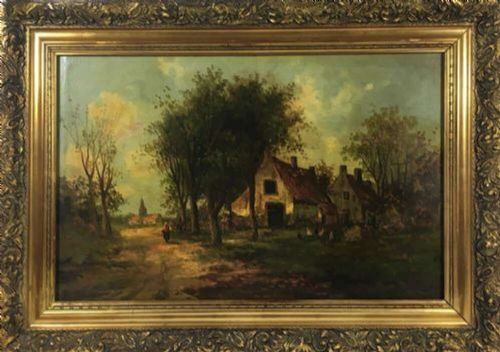
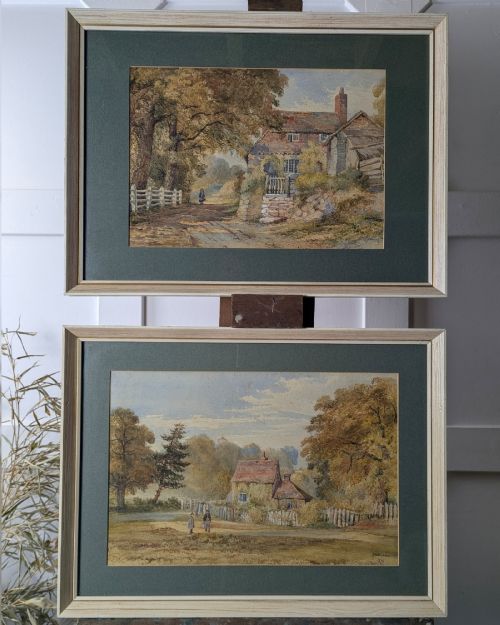
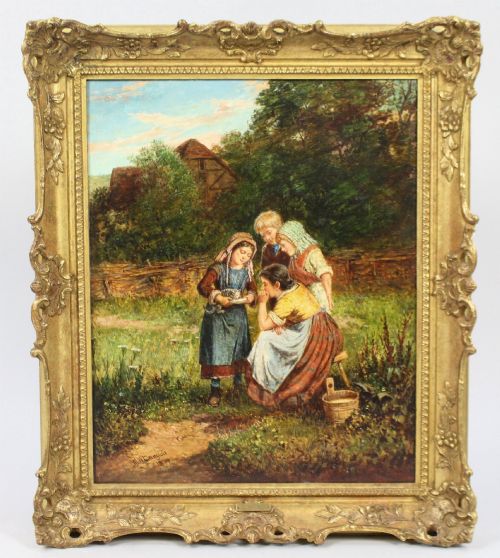
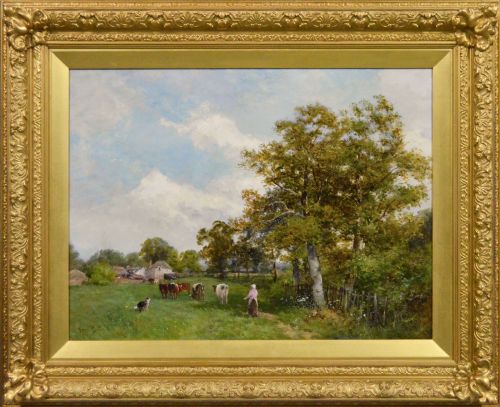
These antique rural scene artwork pieces capture the quiet charm of historical countryside life through traditional painting and watercolour.
Antique Rural Scene Artwork
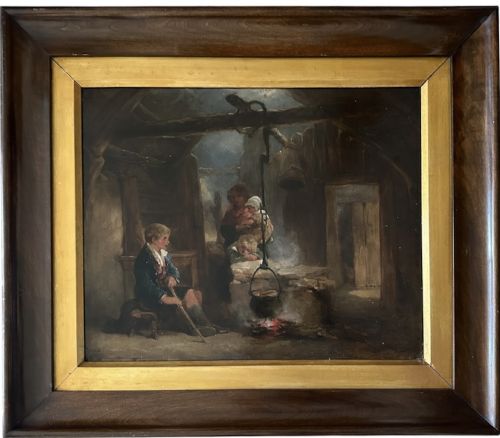
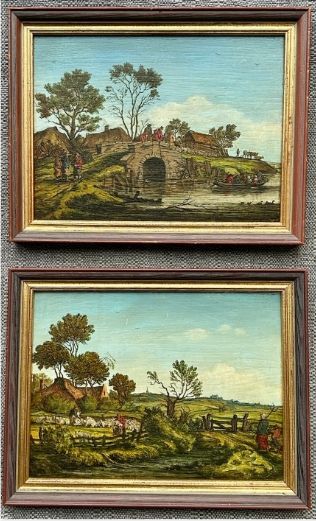
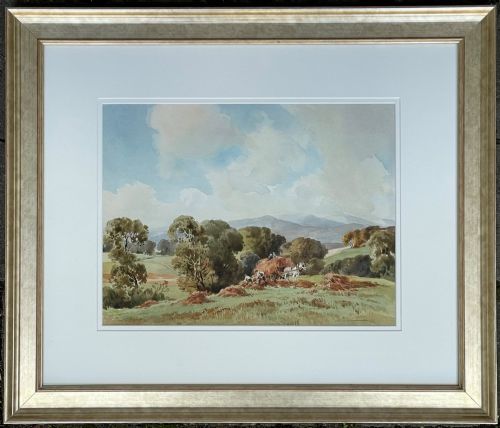
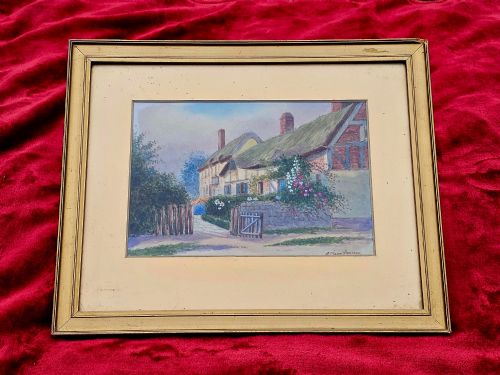
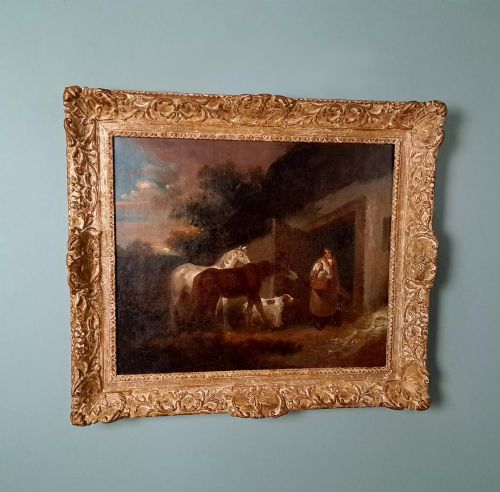
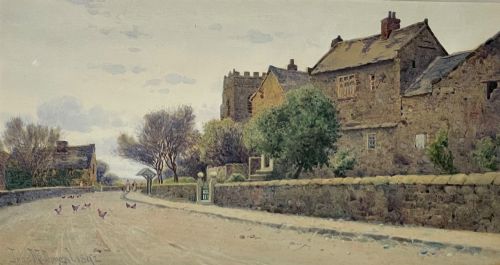
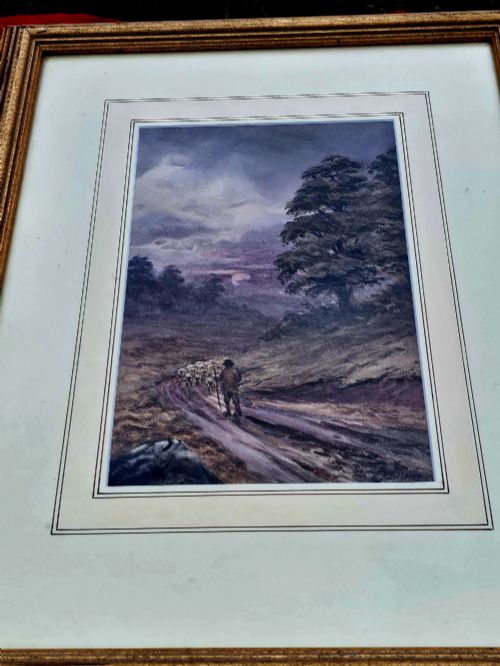
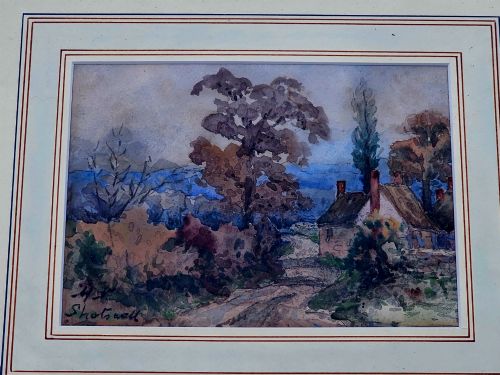
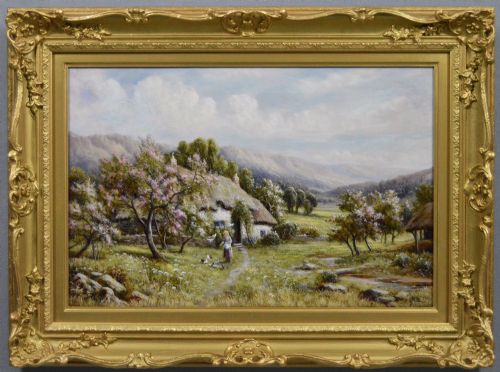
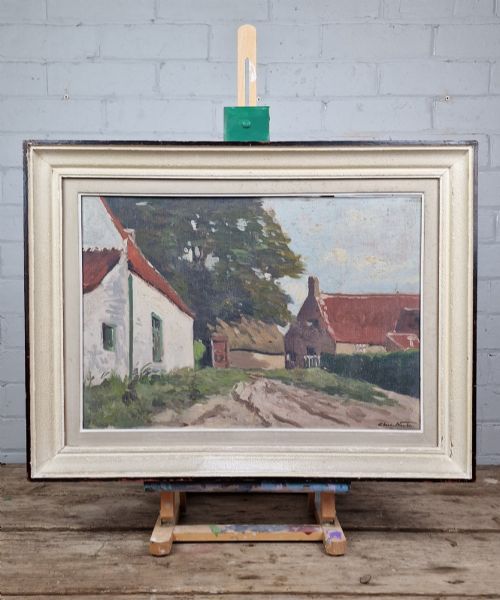
When searching for antique rural scene artwork, you encounter framed paintings and watercolours depicting pastoral views, farmyards, and village landscapes from the nineteenth and early twentieth centuries. These works record agricultural life, cottages, livestock, and country workers during the Victorian and Edwardian periods.
The selections available lean heavily towards British and European schools, spanning traditional landscapes, Impressionist interpretations, and pastoral scenes executed on canvas, wood panels, paper, and card.
How They Were Made
Artists painted these rural views primarily using oil paint on canvas, board, or wooden panels, alongside watercolours on paper. Many pieces retain their original gilt wood frames, combining traditional pigments with protective glass where works are on paper.
Materials span oil on canvas, wood panels, paper, and card, housed in traditional gilt wood frames.
What Varies in Quality
Quality rests upon the artist's ability to render light, form, and atmospheric depth within the landscape. Finer works demonstrate confident brushwork, accurate anatomical detail in animals and figures, and original framing that complements the period of the artwork.
W Klombeck·Percy Lancaster·William Howard Hardy·A Marie Parsons·William Joseph Shayer Senior·John McDougal·EJ Letheren·Robert A Nottingham·Mark William Langlois·David Bates·Robert John Hammond·Charles Houben·Robert W Macbeth·John Horace Hooper·George Augustus Holmes·Frederick Walker·George Oyston·Frederick James Kerr·Edgar Hunt·Umberto Volpato·William Greaves·Miles Birkett Foster·Herman S Melville·Charles Edward Wilson·Frederick Hines
The Antique Rural Scene Artwork Glossary
- Watercolour
- A painting method where fine pigment is suspended in water-based solution on paper. This medium provides translucent washes suited to delicate pastoral light.
- Oil on Canvas
- Pigment mixed with drying oil applied to stretched fabric. It allows rich texture and depth in complex landscape compositions.
- Gilt Wood
- Timber framing finished with a thin layer of gold leaf or metallic gilding. It enhances the visual weight of traditional paintings.
- Pastoral Landscape
- Artistic genre depicting country life, fields, and farming. These scenes idealise or record rural working environments.
Antique Rural Scene Artwork: Frequently Asked Questions
What periods do these rural artworks cover?
The selections span the nineteenth century through the early twentieth century, encompassing Victorian and Edwardian aesthetics.
Most pieces date from the eighteen-eighties up to the nineteen-twenties, reflecting traditional and impressionist approaches to the countryside.
How should I hang and light these pieces?
Protect these works from direct sunlight to prevent fading of watercolours and yellowing of old varnishes on oil paintings.
Use stable indoor environments away from excessive moisture to preserve both the canvas or paper and the wooden frames.
What subjects appear in these scenes?
Common subjects include farmyards, cottages, agricultural workers, harvesting, and livestock such as sheep and cattle.
Artists frequently recorded specific rural locations across Britain and Europe during periods of agricultural change.
How do I identify a watercolour from an oil painting?
Watercolours are executed on paper, typically displayed under glass, showing translucent layers without thick paint texture.
Oil paintings utilise heavier pigments on canvas, board, or wood panels, displaying visible brush texture and dried paint relief.