





Antique Runner Carpet Persia
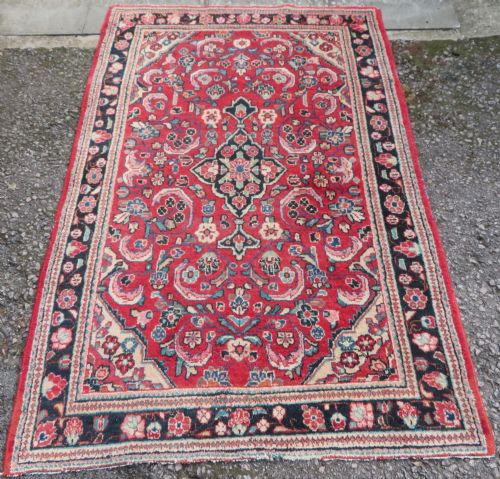
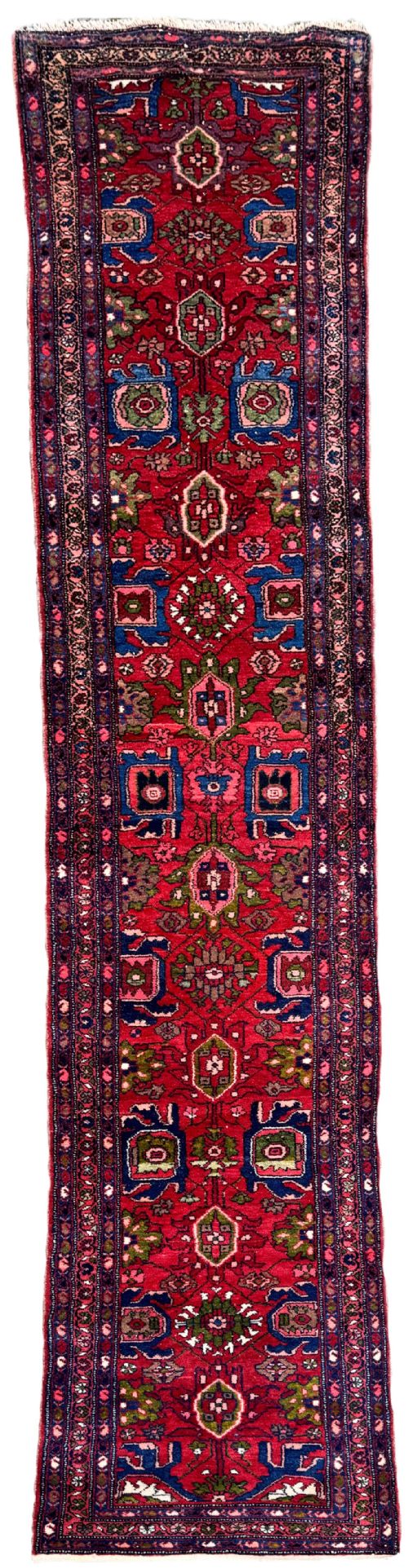
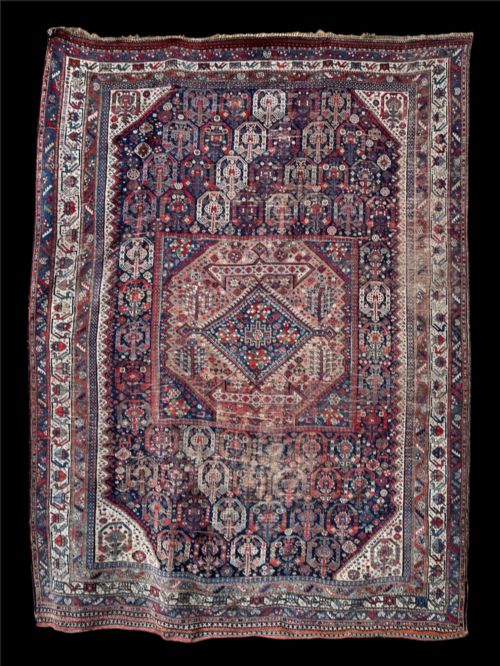
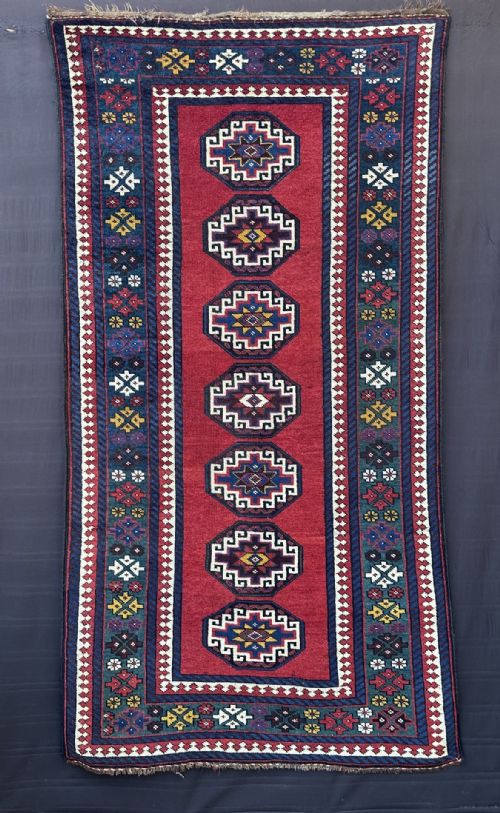
When searching for an antique runner carpet persia, one examines woven floor coverings from villages and workshops designed for narrow spaces.
Antique Runner Carpet Persia
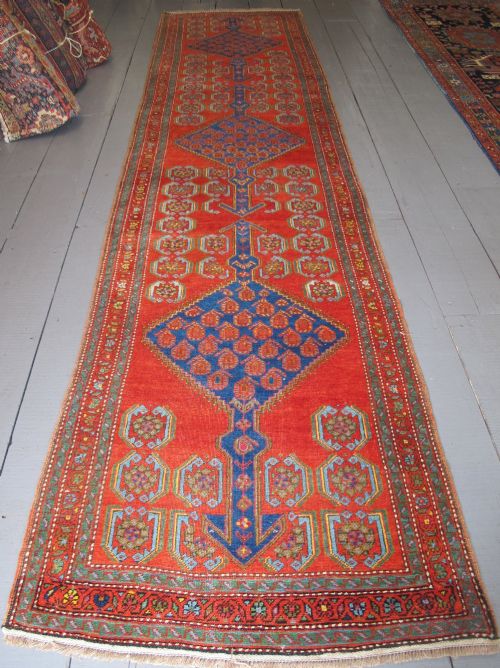
An antique runner carpet persia is a long, narrow floor textile originating from various regions, provinces, and tribal confederacies across the country. These pieces served practical functions in corridors, hallways, and long rooms, adapting traditional motifs into elongated formats.
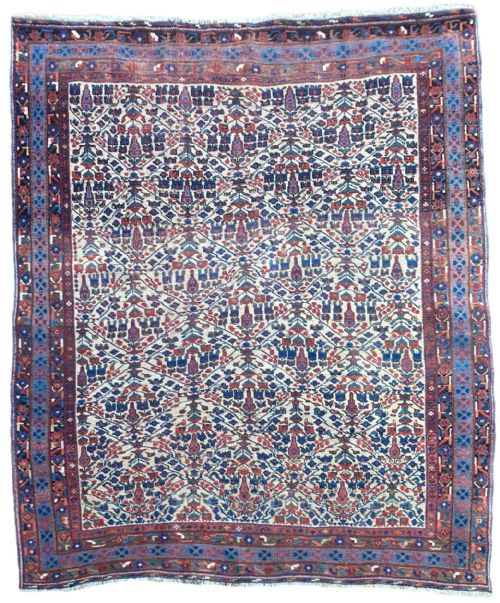
The selection ranges from nineteenth-century tribal weaves to early twentieth-century village pieces. Common regional attributions include Hamadan, Heriz, Bakhtiari, and Senneh, each bringing distinct tribal or workshop aesthetics to the narrow format.
Buyers encounter long formats woven by nomadic weavers alongside urban workshop productions. The recurring presence of wool on cotton foundations defines the material reality of these hallway and corridor pieces.
How they were made
Weavers constructed these long carpets using wool pile knotted onto cotton or wool foundation warps and wefts. The density of the knotting and the handling of the wool dictate the weight and drape of the finished runner.
Natural dyes provide the palette, yielding saturated tones that age with visible character across the surface. Artisans sourced these colourants from local plants and minerals, creating variations across individual fields and borders.
Nomadic weavers sometimes worked outdoors on horizontal ground looms, occasionally trapping small desert pebbles within the dense wool pile.
What varies in quality
Quality in these long carpets rests upon the precision of the weave and the integrity of the materials. Tighter knot counts and resilient wool pile allow the textile to endure decades of foot traffic in corridors without losing structural coherence.
The sophistication of the design execution separates standard village work from finer pieces. Balanced proportions in the central medallions and borders indicate deliberate planning by the weaver or workshop master.
The Antique Runner Carpet Persia Glossary
- Runner
- A long, narrow carpet format traditionally used in hallways, corridors, and narrow rooms. This shape requires specific scaling of central medallions and border repeats.
- Medallion
- A central decorative motif placed in the middle of the carpet field. These can appear as single geometric forms or repeating geometric elements.
- Warps
- The vertical threads stretched lengthwise on the loom that form the foundational skeleton of the carpet. The knotted pile wraps around these structural threads.
- Wefts
- The horizontal threads passed across the warps after each row of knots to secure the structure. They contribute to the firmness and handle of the textile.
Antique Runner Carpet Persia: Frequently Asked Questions
Where were these runners used?
These narrow textiles were placed in hallways, corridors, and long transitional spaces within homes. Their dimensions suited high-traffic walkways where standard rectangular carpets did not fit.
Nomadic and village weavers produced them for domestic use as well as for trade. The format protected wooden flooring in corridors while adding decorative warmth to plain passageways.
How do I identify a tribal runner?
Tribal pieces display geometric patterns, asymmetric motifs, and spontaneous use of colour derived from nomadic traditions. Designs often rely on memory rather than precise cartoon drawings.
Look for variations in the weave and local materials that reflect specific regional groups. These characteristics distinguish nomadic weaving from regulated urban workshop production.
What foundation materials were used?
Most pieces utilise wool or cotton foundations to support the knotted pile. Cotton warps provide structural stability and help maintain the straight edges required in long formats.
Older tribal weaves sometimes incorporate wool foundations throughout the entire structure. This affects the weight and flexibility of the runner when laid upon the floor.
How do I care for an antique runner?
Regular gentle vacuuming without a beater bar removes grit and dust from the wool pile. Professional cleaning suited to antique textiles preserves the natural dyes and structural integrity.
Using a quality underlay prevents slipping in hallways and reduces friction against the floorboards. This simple precaution extends the working life of the textile in busy corridors.