

Antique Rug 1900
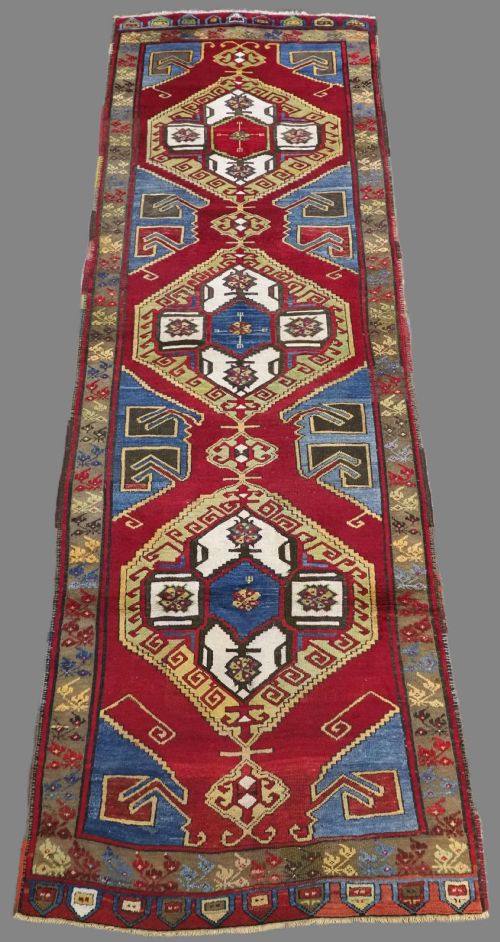
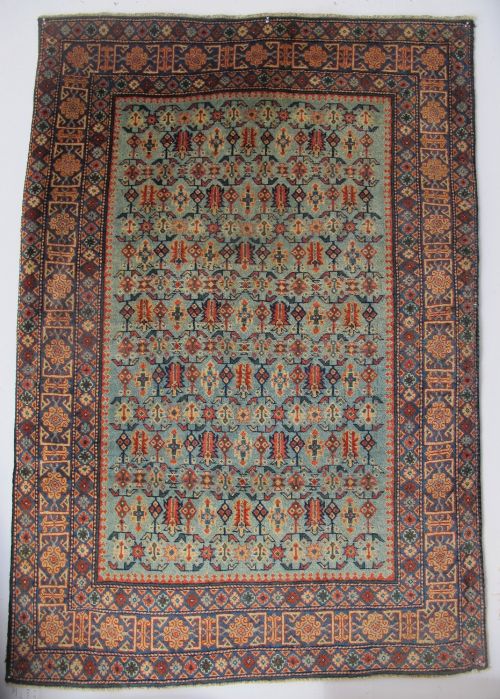
When choosing an antique rug 1900, you are selecting hand-knotted tribal carpets and village textiles woven across Persia, Central Asia, and the Caucasus.
Antique Rug 1900
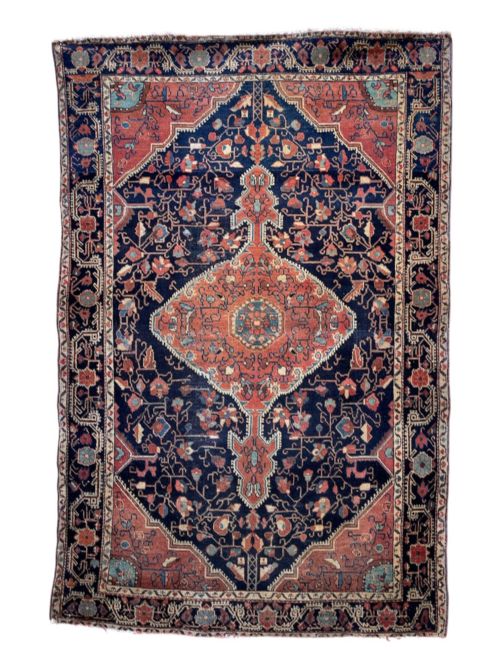
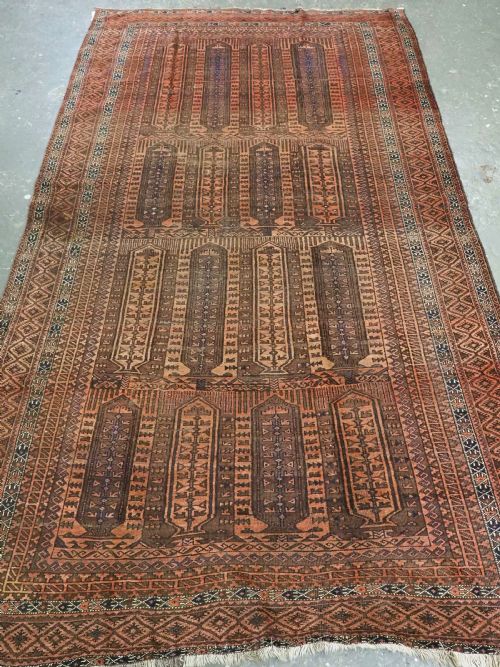
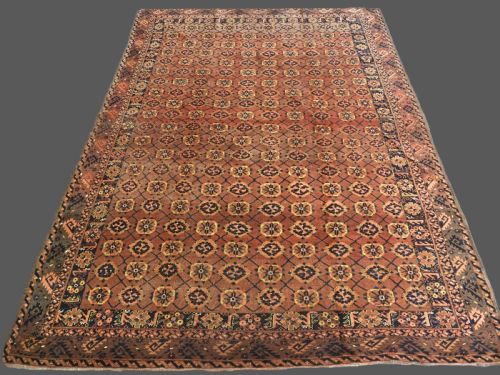
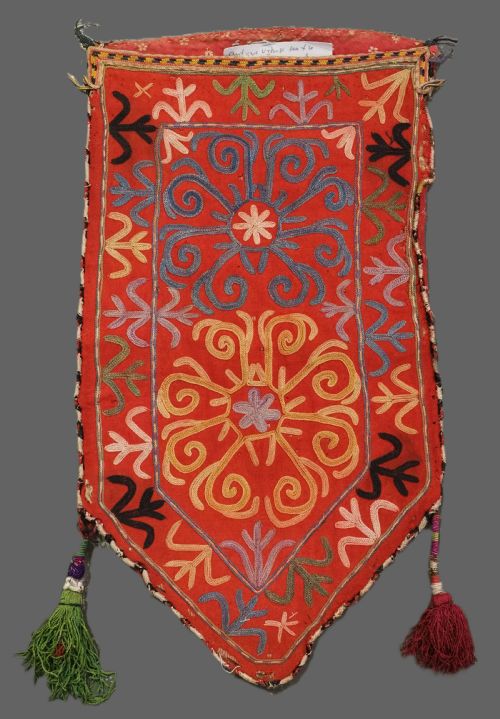
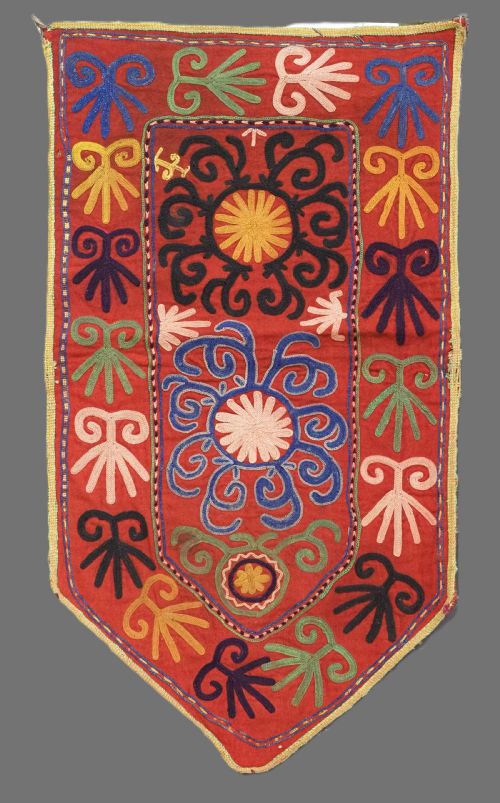
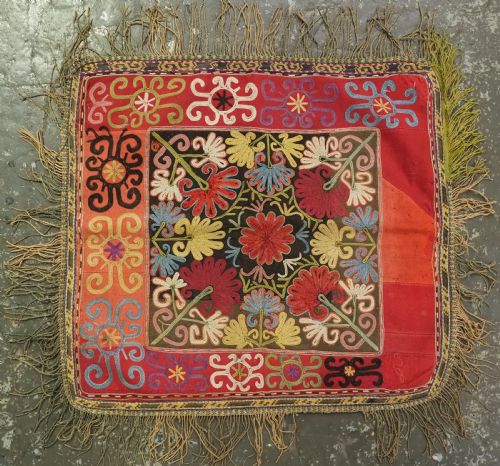
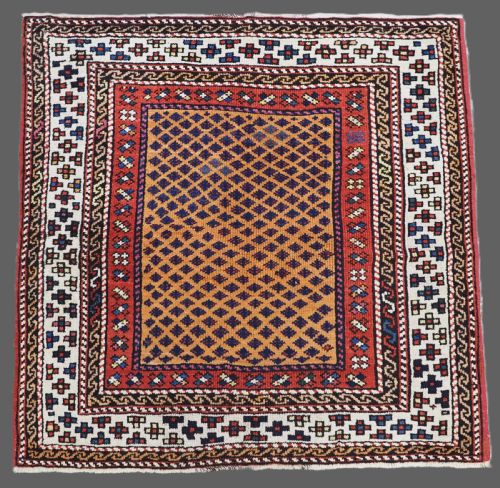
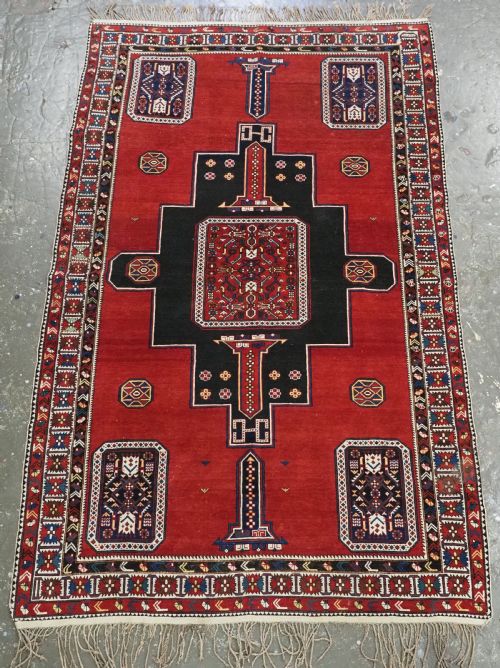
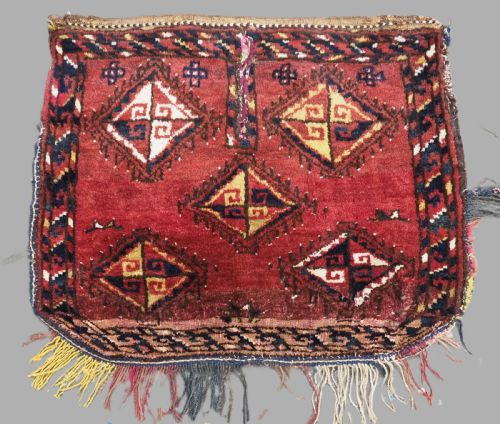
The selection centres on authentic hand-knotted village carpets, tribal rugs, and ceremonial dowry weavings originating around the turn of the twentieth century. Buyers encounter robust Persian workshop pieces alongside nomadic Central Asian Turkmen rugs and intricately embroidered Lakai tribal hangings.
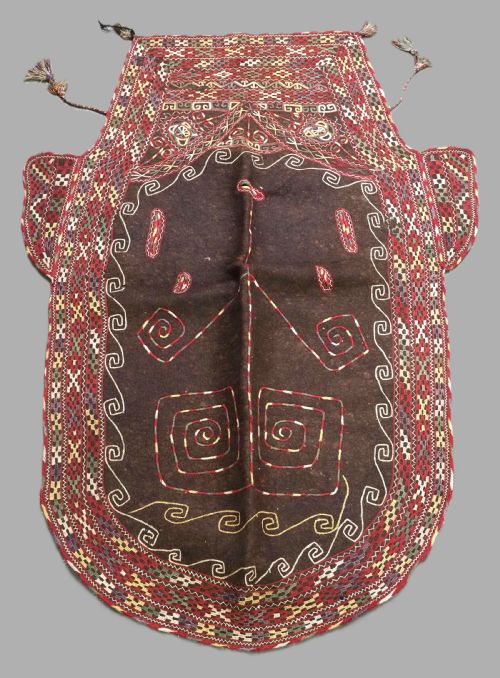
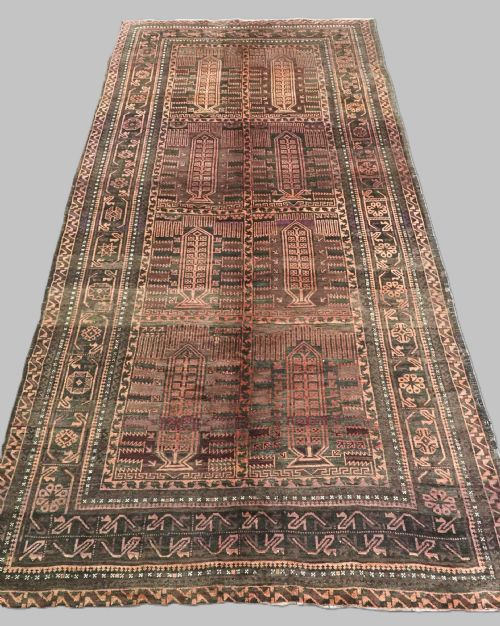
Formats range from small prayer rugs and square saddle covers to long runners and large room-size Persian carpets. Each piece reflects the specific regional iconography of weaving groups such as the Baluch, Ersari, and Tekke tribes.
These textiles served practical nomadic functions, acting as floor coverings, animal trappings, and wall hangings before entering collector markets. Their survival demonstrates durable craftsmanship paired with traditional local designs.
How They Were Made
Weavers constructed these pieces predominantly from wool foundations and piles, occasionally incorporating cotton warps or fine silk highlights in urban workshop formats. Artisans also utilised felted wool and heavy embroidery for specialised tribal horse blankets and dowry panels.
Natural dyes provide the foundational palette, yielding deep madder reds, camel grounds, and rich indigo tones that soften with age. Artisans executed geometric guls, prayer mihrabs, and floral lattices using hand-tied knots and flatweave techniques.
Materials recorded across the inventory include wool, cotton, silk, natural dyes, felt, and velvet.
What Varies in Quality
Knot density and structural tightness dictate the durability and refinement of individual pile carpets, separating coarse village work from finely wrought urban workshop pieces. Wool quality similarly fluctuates, with resilient staple fibres retaining their lustre far better than brittle alternatives.
The depth and harmony of the dye palette determine visual impact, particularly where natural madder and indigo create nuanced tonal shifts across the field. Intricacy of execution in tribal guls or embroidered details marks the distinction between standard utilitarian items and masterworks.
Haji Jalili Tabriz·Lakai Tribe·Ersari Turkmen·Tekke Turkmen
The Antique Rug 1900 Glossary
- Mihrab
- A niche design found on prayer rugs, typically pointing toward Mecca during daily devotions. This arched motif often incorporates stylized ram horns or floral sprays.
- Gul
- An octagonal medallion motif repeated across Turkmen carpets to identify specific tribal lineages and clans. Each pattern carries distinct historical variations unique to groups like the Tekke or Ersari.
- Ikat
- A dyeing technique where bundles of threads are tightly wrapped and dyed before weaving to create characteristic feathered pattern edges. Semi-silk adras fabrics frequently display this vibrant dyeing method.
- Chuval
- A large tent bag used by nomadic tribes for storage inside yurt dwellings. Collectors prize the surviving face panels for their dense tribal iconography.
Antique Rug 1900: Frequently Asked Questions
How do I identify a tribal rug from this period?
Tribal rugs display geometric guls, bold primary borders, and rich madder red or camel grounds rooted in nomadic traditions. Their structures often utilise wool foundations with coarser knotting compared to urban Persian workshops.
Nomadic weavers incorporated local iconography, such as animal motifs and prayer mihrabs, reflecting the daily environment of Central Asian and Caucasian groups.
What is the difference between a rug and a dowry embroidery?
Rugs are typically heavy, pile-woven or flat-woven floor coverings designed for heavy daily use inside nomadic tents or village homes. They utilise durable wool knots to withstand foot traffic.
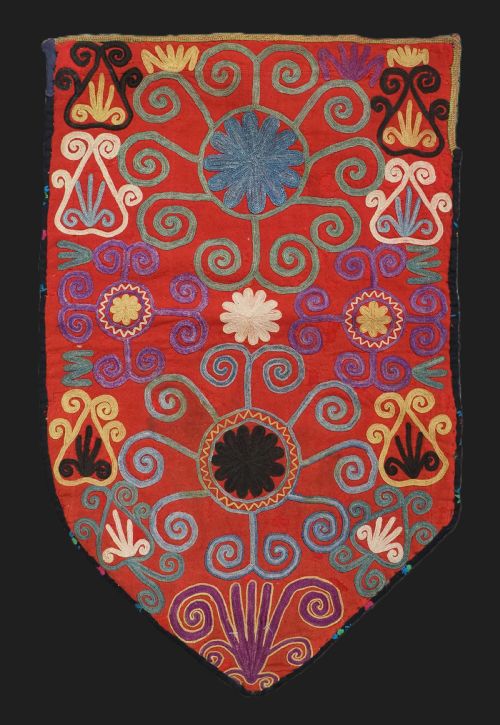
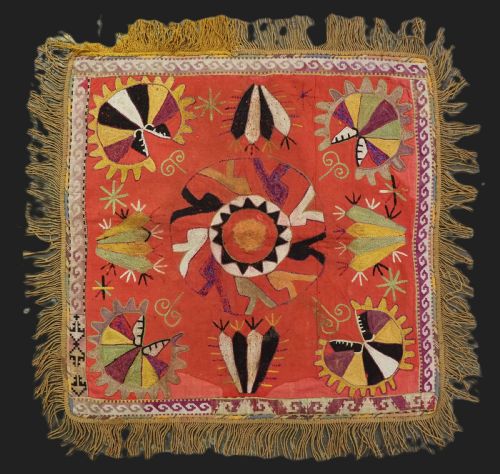
Dowry embroideries, such as suzanis and ilgiches, are delicate decorative textiles worked in silk or cotton onto fabric panels. Families created these items to celebrate marriages rather than for walking upon.
How should I care for an antique textile at home?
Place these textiles out of direct sunlight to prevent natural dyes from fading over decades of exhibition. Use a breathable underlay beneath floor rugs to prevent slipping and reduce friction against hard surfaces.
Vacuum pile rugs gently using suction only, avoiding rotating brush bars that can pull old wool fibres. Professional textile conservators should handle any deep cleaning or structural repairs.
Why do some pieces feature silk highlights?
Silk highlights indicate workshop pieces where weavers sought to introduce reflective contrast against matte wool piles. Urban centres like Tabriz and Kashan utilised silk to accentuate fine floral details and borders.
Nomadic pieces rarely contain silk unless intended for ceremonial dowry use or elite patronage, reflecting access to traded luxury materials.