



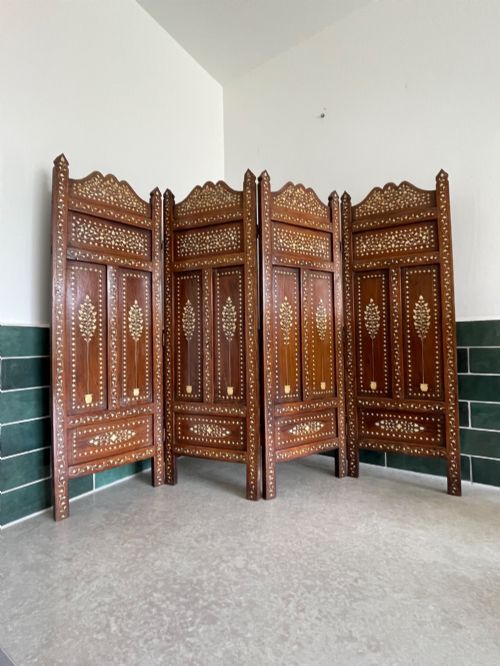
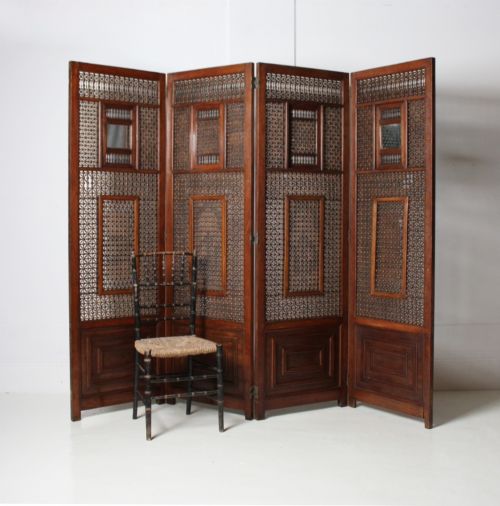
Antique Room Screen
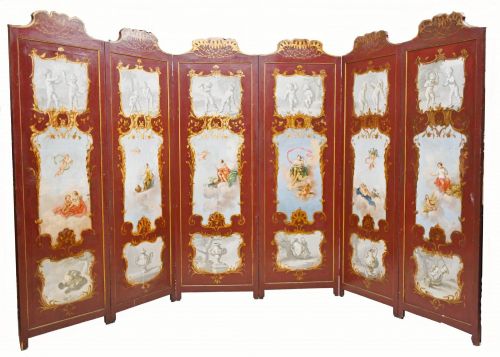
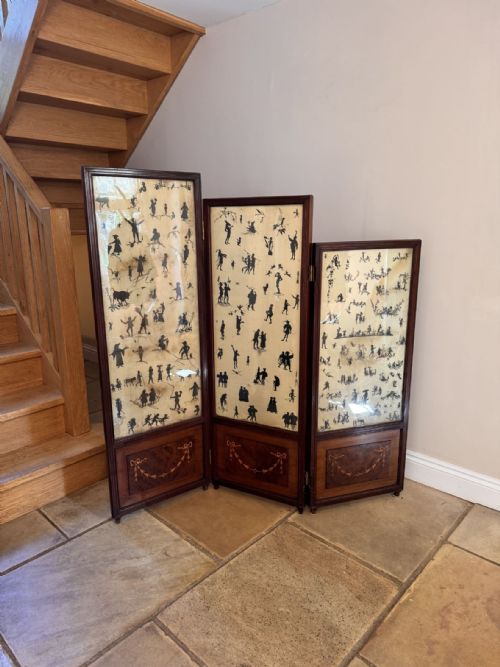
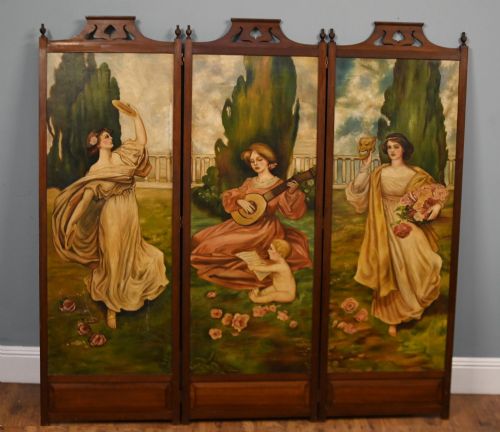
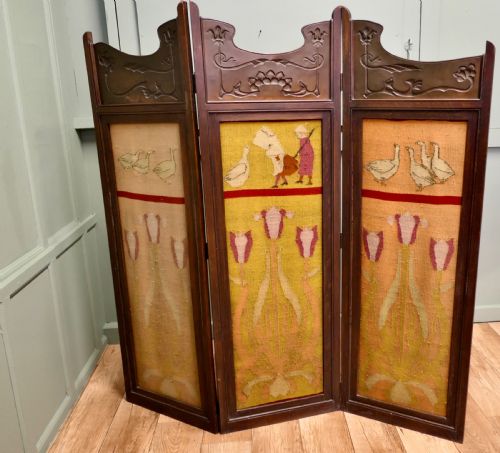
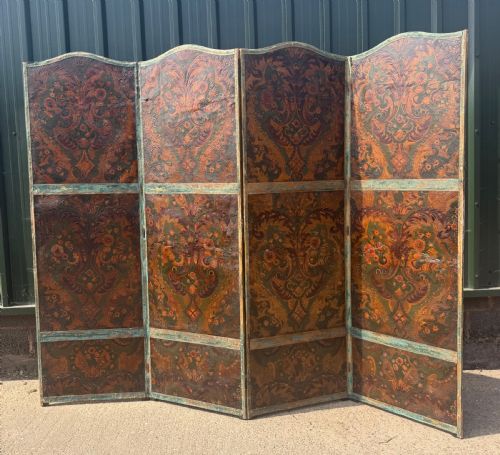
An antique room screen divides a space with painted leather, carved wood or embroidered fabric.
Antique Room Screen
An antique room screen is a movable partition designed to divide interior spaces, create privacy or block drafts in a home. The pieces found on this page include folding screens, room dividers, fire screens, dressing screens and table screens.
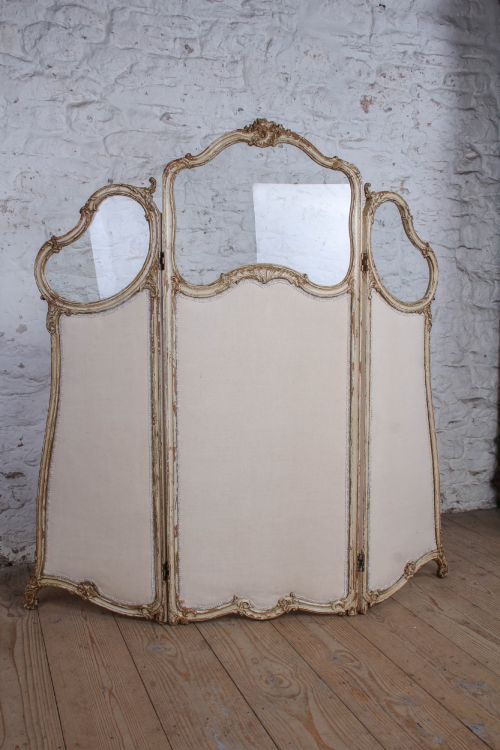
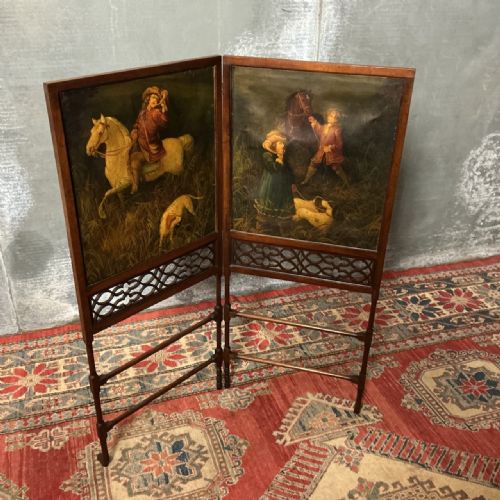
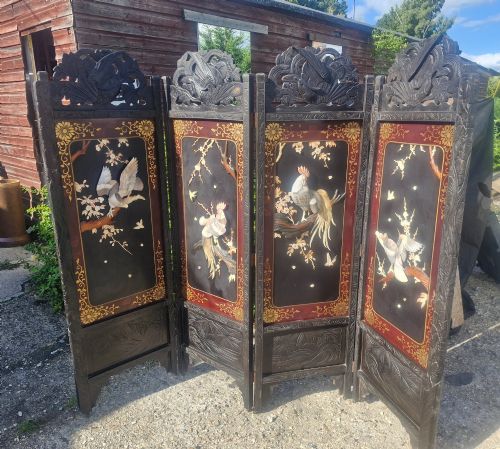
Buyers will encounter items spanning from the eighteenth century through to the early twentieth century, taking forms such as Chinese Coromandel lacquer panels, French giltwood frames with silk inserts, and English needlepoint privacy screens.
Stylistic influences range widely across the selection, covering Victorian, Chinoiserie, French Rococo Revival, Qing Dynasty, Anglo-Indian, Regency and Art Nouveau aesthetics.
Materials and construction methods
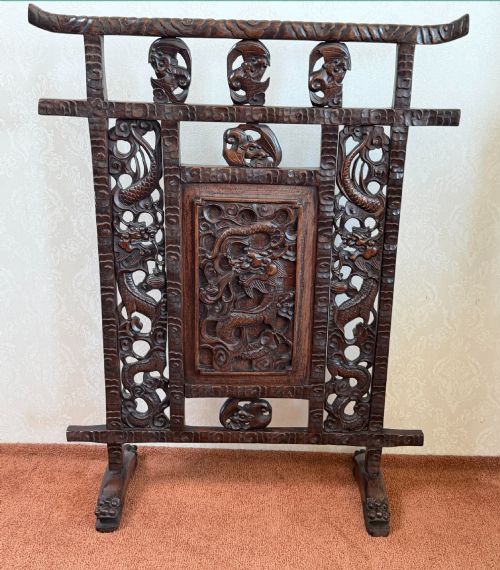
Frames are constructed from timber such as mahogany, walnut, oak, padauk and hardwood, alongside metals like brass and copper, or papier-mâché.
Panels utilise diverse surfaces including leather, canvas, oil paint, glass, silk, wool and hardstone, often decorated with hand-painting, deep carving, needlepoint or scrap work.
Antique Room Screen Retail Price Guide 2026
Typical asking prices for room screen among the pieces listed under this phrase on Sellingantiques today, from the lower quarter to the upper quarter. They describe what is for sale here now, not the wider market.
Listings span periods from the 18th century through the 1930s, incorporating materials like brass, lacquer, mahogany, oil paint, canvas and glass.
Assessing quality in antique screens
Quality rests upon the execution of the decorative surface, whether that is the depth of carving on bone and wood or the fineness of detail in hand-painted leather and oil panels.
The integrity of the structural joinery across multiple folds and the original condition of materials such as silk inserts or giltwood dictate the standing of a piece.
The Antique Room Screen Glossary
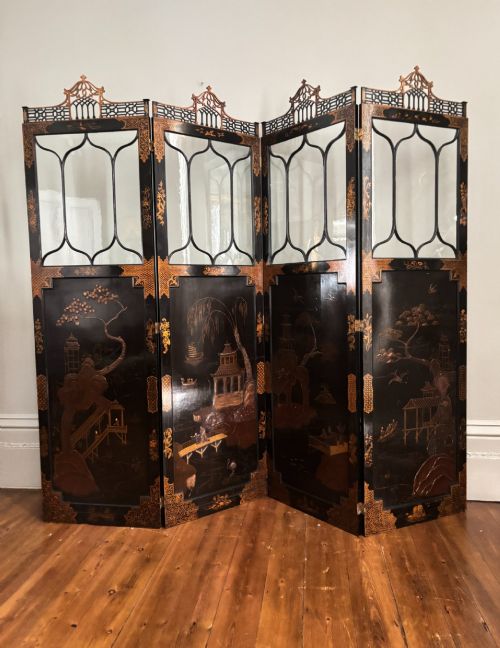
- Coromandel
- A type of Chinese incised lacquerwork where designs are cut into a dark ground and filled with colours. This technique creates a textured, multi-layered surface.
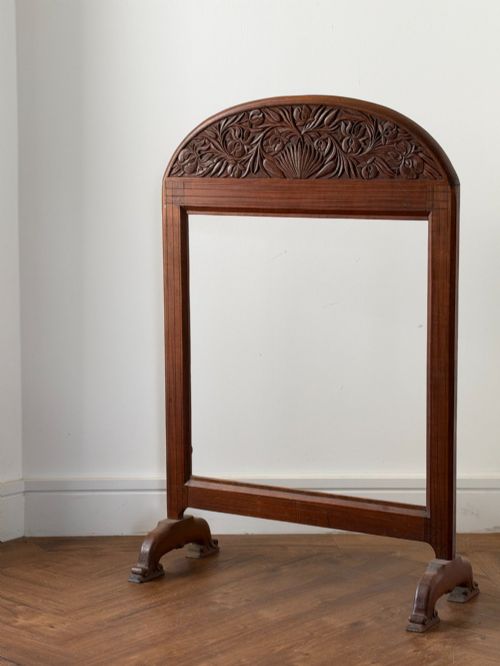
- Fire screen
- A small screen placed before a fireplace when not in use to block residual heat or conceal the grate. They often stand on fixed feet or a central pillar.
- Mashrabiya
- An architectural wooden screen characterised by intricate latticework formed from turned bobbins. It provides privacy and shade while permitting airflow.
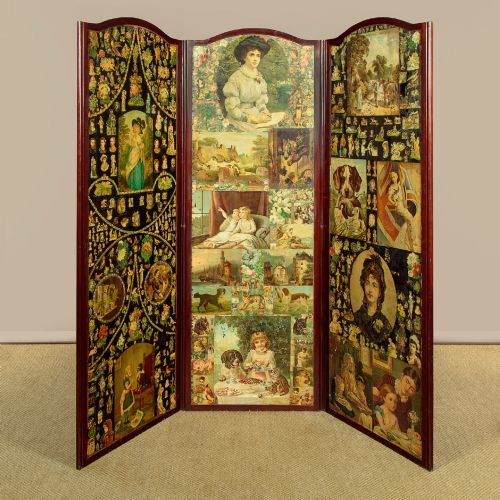
- Scrap work
- A Victorian craft method where paper cut-outs, prints and engravings are collaged onto a surface and varnished. These screens display dense layers of historical imagery.
- Table screen
- A miniature version designed for display on a desk, table or cabinet rather than standing upon the floor. They frequently incorporate carved stone or detailed woodwork.
Antique Room Screen: Frequently Asked Questions
How were antique room screens used?
These partitions created private dressing areas within larger bedrooms, blocked draughts near doors or fireplaces, and divided open living spaces.
Smaller table screens and fire screens served decorative purposes or protected inhabitants from intense hearth heat.
What materials appear on these screens?
Frameworks utilise woods like mahogany, walnut, oak and hardwood, supplemented by brass, copper and papier-mâché.
Infill panels feature leather, canvas, oil paint, glass, silk, wool, embroidery and carved bone or hardstone.
How do I distinguish regional styles?
Chinese examples often feature lacquer, Coromandel work or hardstone mounts, whereas Japanese pieces display textile panels or deep bone carvings.
European screens commonly show French giltwood, needlepoint embroidery, painted leather or mahogany frames.
How do I care for an antique screen?
Position the screen away from direct sunlight and strong heat sources to prevent the wood, leather and painted panels from drying out or cracking.
Dust hinges and surfaces gently with a soft, dry cloth without applying harsh liquid cleaners.