
Antique Rococo Wall Art
Antique rococo wall art brings together ornate paintings, tapestries, and carved panels that capture the elaborate flourish of eighteenth-century style.
Antique Rococo Wall Art
When searching for antique rococo wall art, collectors encounter a diverse range of historic items including oil paintings, engravings, tapestries, and carved wooden panels. The selection spans from authentic mid-eighteenth-century works to later nineteenth-century revivals inspired by French and Bavarian traditions.
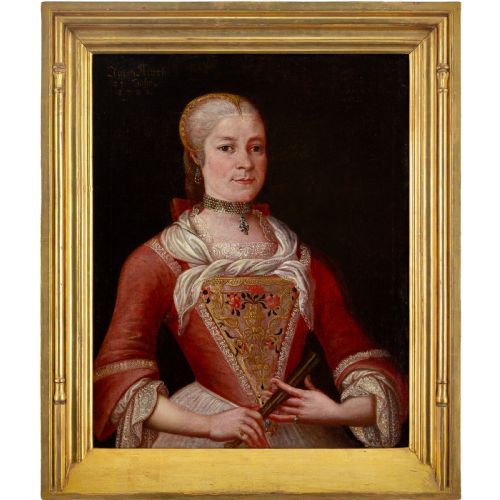
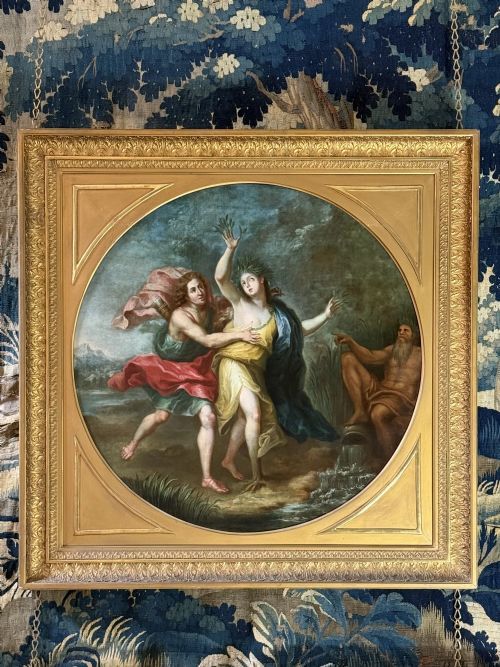
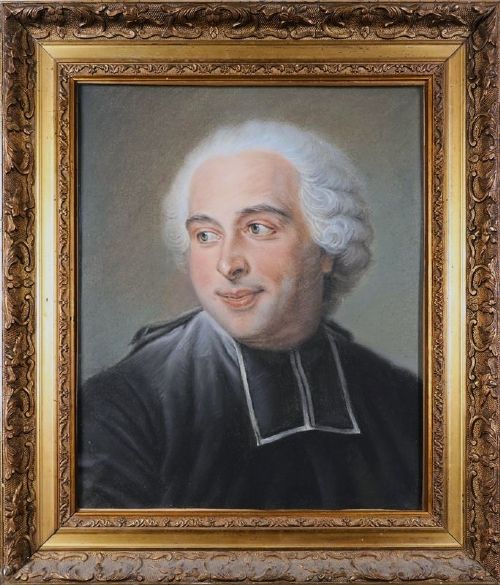
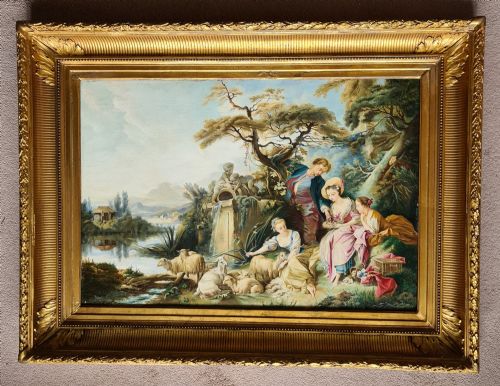
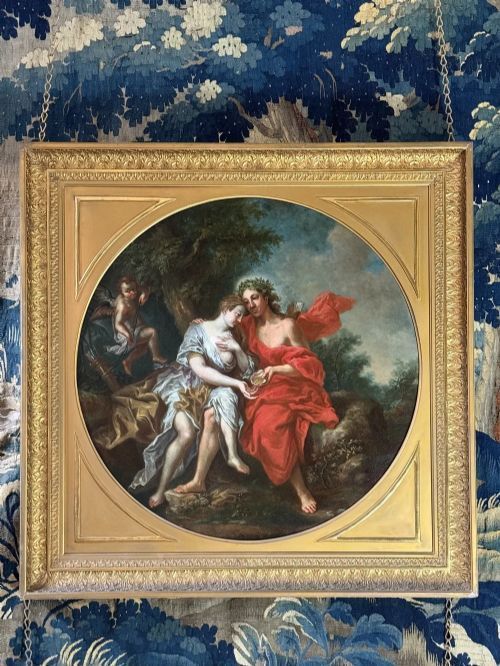
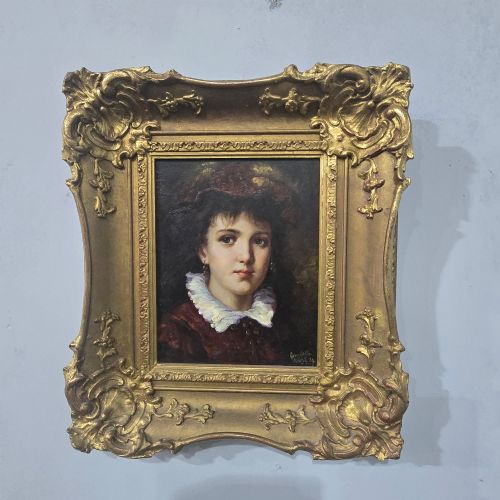
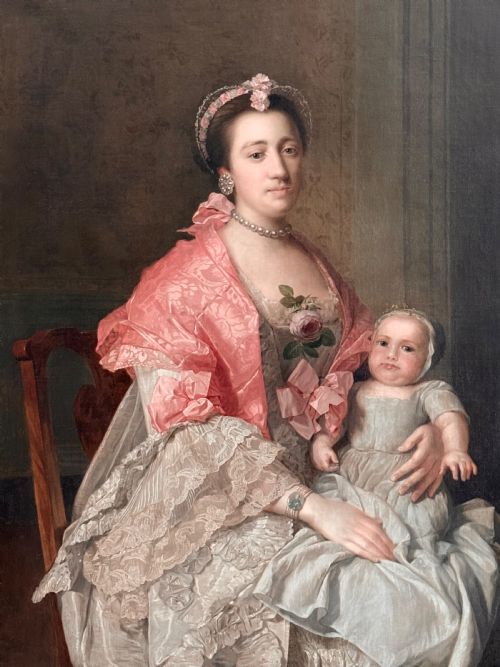
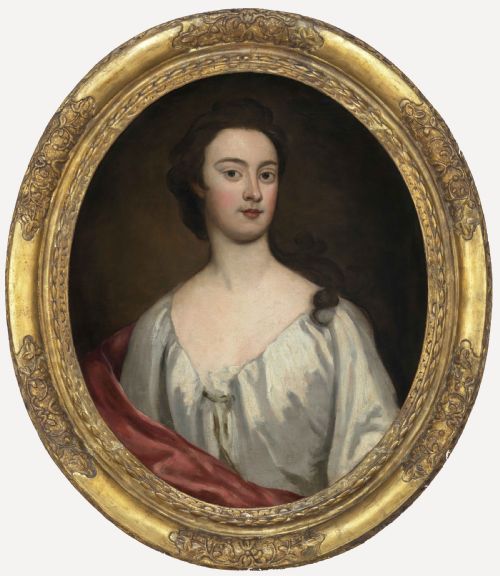
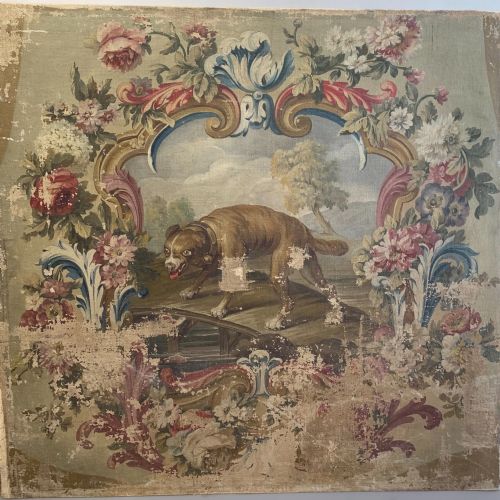
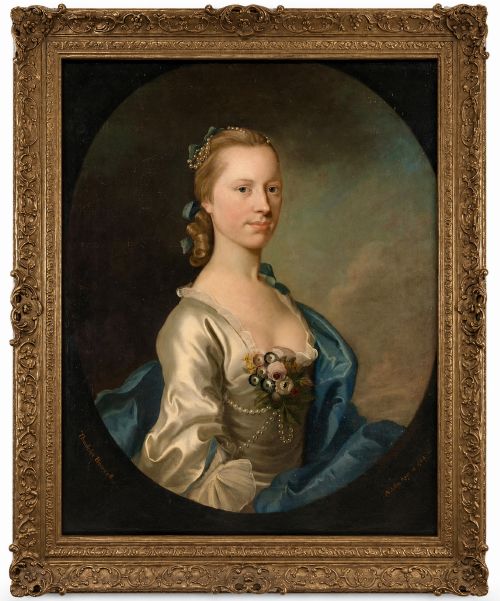
The most common formats on this page are oil paintings on canvas and framed textile panels depicting classical figures, portraits, and pastoral scenes. These works reflect the asymmetrical curves, natural motifs, and playful ornamentation characteristic of the movement.
Materials and Techniques
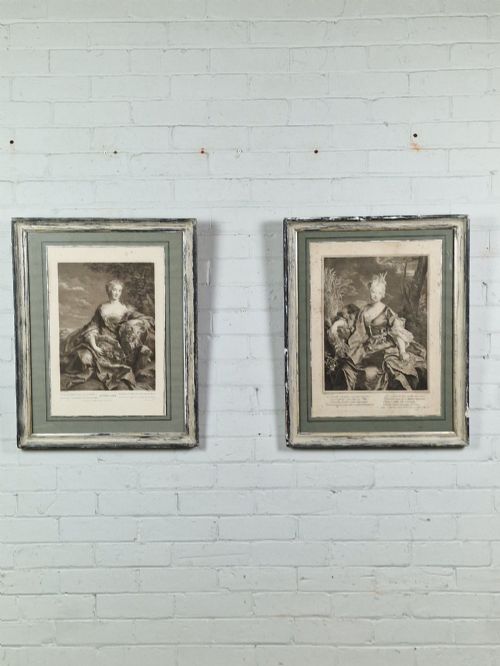
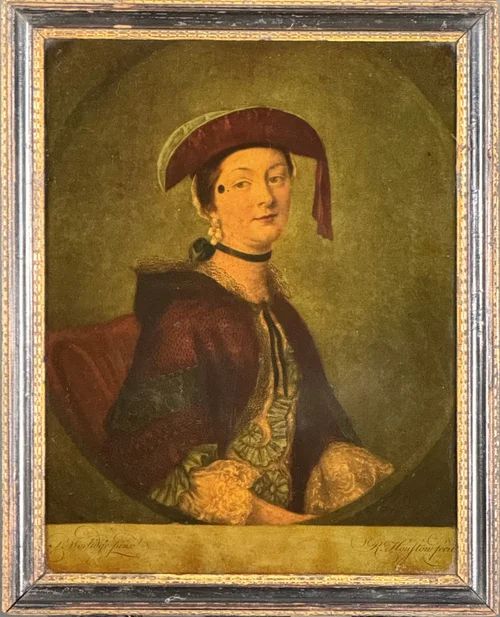
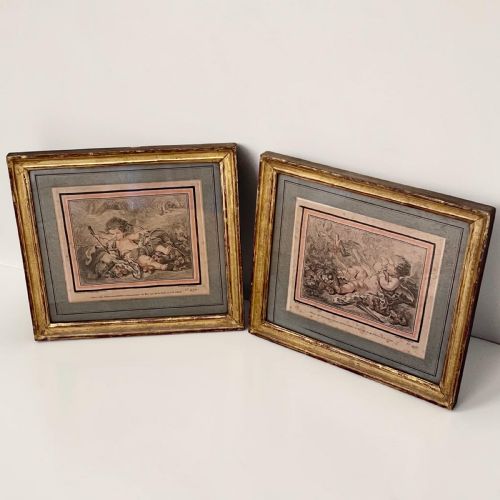
Makers utilised oil paint on canvas or wooden panels, often building up rich layers of pigment for portraits and trompe l'oeil compositions. Engravings and reverse-printed mezzotints offered alternative methods for reproducing detailed graphic imagery.
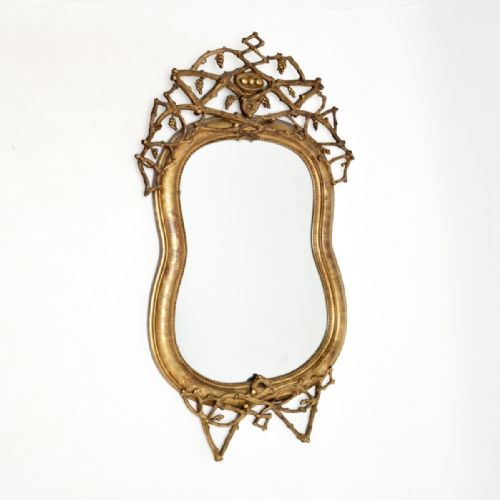
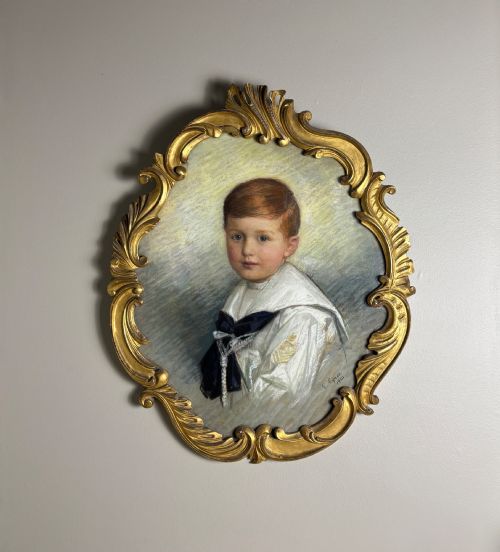
Frames and structural wall elements combine carved wood, gesso, and gilt surfaces to achieve the characteristic metallic sheen. Tapestries and embroideries required intricate textile weaving techniques utilising fine threads to create large-scale wall hangings.
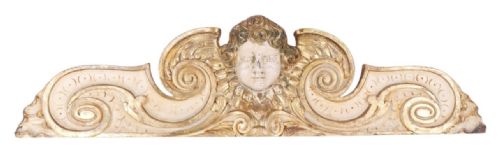
Playful cherubs peer out from multiple painted panels and carved overdoors, keeping watch over centuries of domestic interiors.
Assessing Quality
The calibre of a piece rests upon the finesse of the handwork, whether in the delicate brushstrokes of an oil portrait or the deep, crisp undercut of a carved wooden overdoor. Superior examples demonstrate a confident mastery of proportion and anatomical detail rather than mechanical repetition.
Preservation of original surfaces also dictates worth, as unlined canvases, intact gesso on frames, and vibrant, un-faded textile dyes hold greater historic integrity. The distinction lies in the survival of original materials through the centuries without heavy later restoration.
Charles Antoine Coypel·Japy Freres·Raingo Freres·Vincenti·Samuel Marti
The Antique Rococo Wall Art Glossary
- Giltwood
- Wood that has been coated with a thin layer of gold leaf or gold dust. This technique was widely applied to frames and carved architectural elements to create a brilliant reflective surface.
- Gesso
- A plaster-like mixture used as a base for paint or applied to wooden frames before gilding. It allows craftsmen to carve intricate relief ornamentation.
- Cartel clock
- A wall-mounted clock housed in an ornate case made of gilt bronze, brass, or ormolu. These pieces frequently exhibit extreme rococo asymmetry and scrollwork.
- Grisaille
- A painting executed entirely in shades of grey or neutral monochrome. It was often employed to mimic sculptural reliefs on panels and overdoors.
- Trompe l'oeil
- An artistic technique designed to create an optical illusion of three-dimensionality. Painters used this method to trick the eye into seeing real objects like cherubs or ribbons on a flat surface.
Antique Rococo Wall Art: Frequently Asked Questions
How do I hang heavy carved panels safely?
Heavy wooden panels and giltwood mirrors require secure wall anchors fixed directly into structural studs. Professional mirror plates or French cleats distribute the weight evenly across the frame.
Ensure the hanging hardware matches the substantial weight of eighteenth and nineteenth-century timber. Period pieces benefit from professional installation to prevent strain on ancient joints.
What lighting protects delicate wall textiles?
Tapestries and embroideries suffer permanent fading when exposed to direct sunlight. Position these textiles on interior walls away from unshaded windows.
Utilise low-uv LED art lighting at a distance to illuminate the woven details safely. Regulating indoor light exposure preserves the fragile historic dyes.
How do I distinguish eighteenth-century pieces from later revivals?
Examination of the canvas weave, stretcher frames, and nail types often reveals the true age of a painting. Eighteenth-century works typically display hand- forged tacks and older canvas preparations compared to nineteenth-century machine-made materials.
Stylistic execution also offers clues, as revival pieces sometimes incorporate nineteenth-century interpretations alongside earlier motifs. Expert opinion helps confirm the exact period of production.