
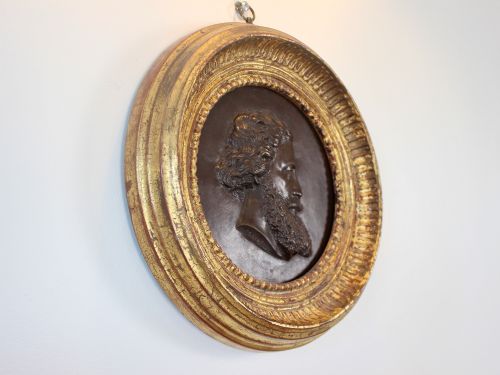


Gilt Metal Framed Portrait
These gilt metal framed portrait pieces combine delicate painted likenesses with ornate metalwork, offering a glimpse into past centuries.
Gilt Metal Framed Portrait
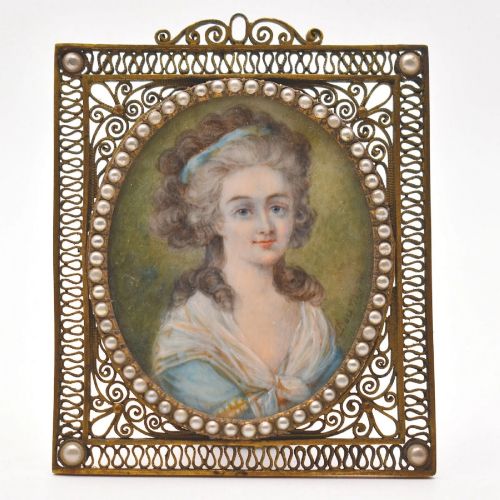
When you search for a gilt metal framed portrait, you are looking at small-scale likenesses housed within decorative metallic surrounds. These objects span periods from the eighteenth century through the Victorian era and into the early twentieth century, capturing subjects ranging from naval officers to ladies in lace.
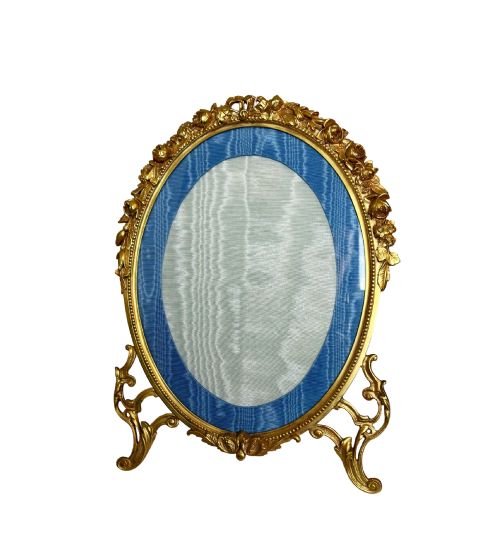
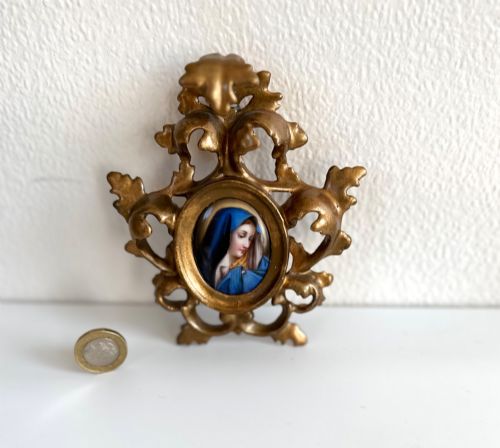
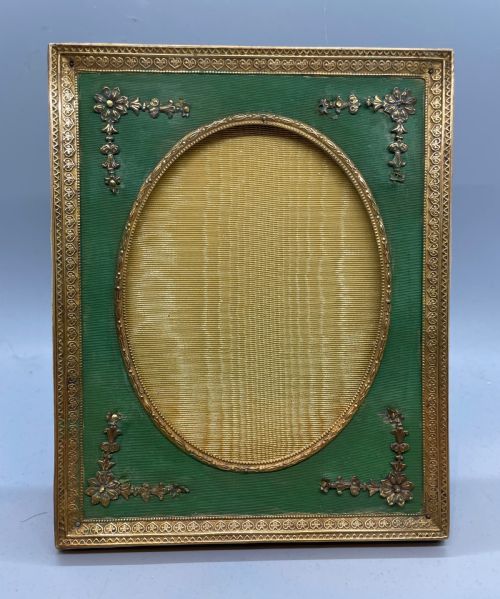
You will encounter various forms on this page, including miniature paintings on paper, silk, or card, alongside wall plaques and empty picture frames designed for photographs or keepsakes. French Rococo and Regency styles appear frequently, often featuring intricate cast mounts.
The materials used for the surrounds include brass, ormolu, and gilded bronze, frequently protected by glass to preserve the delicate pigments underneath. Many pieces date from the nineteenth century, though earlier Georgian examples also feature in the selection.
Materials and construction methods
The frames were cast in brass, bronze, or ormolu, often utilising French techniques to achieve ornate scrollwork and gilding. Glass covers were fitted carefully over the portraits to protect the fragile painted surfaces from dust and handling.
Materials documented across the pieces include glass, ormolu, silk, brass, and watercolour on paper.
Distinguishing quality in portraits and frames
The metalwork also dictates value, with heavier cast bronze, ormolu, and detailed chasing separating superior frames from simpler pressed brass versions. Integrated elements like paste stones or silk backing further elevate the refinement of the piece.
Dumont·MAINFROY·William Naish·Emma Kendrick·Henry Jacob Burch·Diana Hill
The Gilt Metal Framed Portrait Glossary
- Ormolu
- A gilded bronze or brass finish applied to metalwork using a mercury amalgam process during earlier periods. It provides a rich, warm lustre to decorative frames.
- Miniature painting
- A small-scale artwork executed with fine detail, typically portraying a specific individual. These were often kept as personal mementoes or worn as jewellery.
- Gouache
- An opaque watercolour paint that dries to a matte finish, frequently utilised in portrait miniatures for its dense colour saturation.
- Paste stone
- Faceted glass cut to imitate gemstones, frequently set into decorative metal frames of the eighteenth and nineteenth centuries to add sparkle.
Gilt Metal Framed Portrait: Frequently Asked Questions
How were portrait miniatures originally displayed?
People often kept these small portraits inside fitted leather cases, carried them in pockets, or wore them as pendants close to the heart. Later examples were designed with stands or loops for tabletop and wall display.
Over time, framing styles shifted from private personal items to decorative household objects displayed on desks and mantelpieces.
Can I replace the glass in an antique frame?
Replacing glass requires caution, as antique frames often feature old retaining pins or warped metal edges that resist adjustment. Specialist restorers should handle fragile housings to avoid damaging the surrounding metalwork.
Original convex glass should be preserved whenever possible, as it is a key indicator of period authenticity.
How do I clean gilt metal frames?
Dusting gently with a soft, dry brush is the safest method for maintaining gilded surfaces without removing the delicate finish. Avoid liquid cleaners, polishes, and abrasive cloths that can strip away the original gilding.
Professional conservation is recommended if heavy tarnish or dirt obscures the decorative details of the bronze or brass.
What is the difference between watercolour and oil miniatures?
Watercolour miniatures are painted on paper, card, or vellum and require a glass cover for protection against moisture and dust. Oil miniatures are typically painted on copper, wood, or canvas panels and tend to have a heavier, more luminous surface texture.
Both mediums demand exceptional skill due to the tiny scale of the canvas and the precision needed for facial likenesses.