
Antique Relief Sculpture
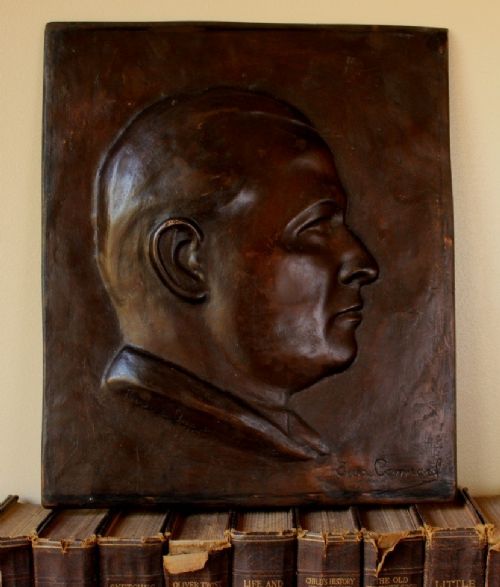
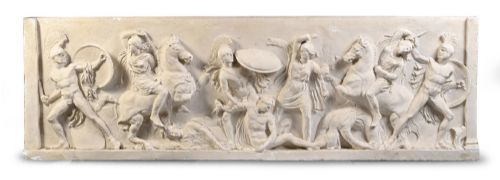
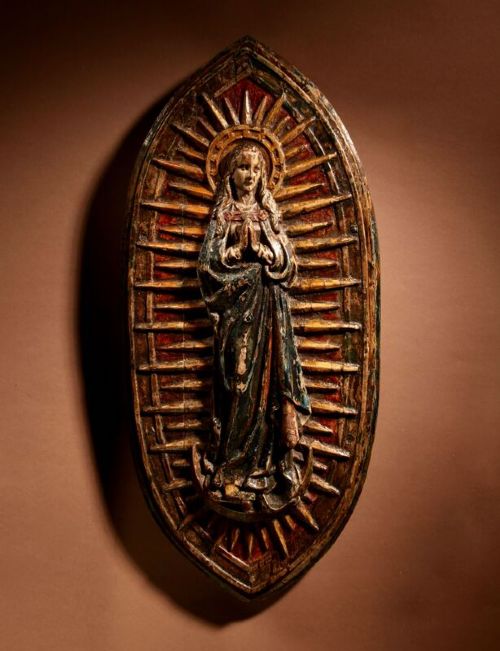
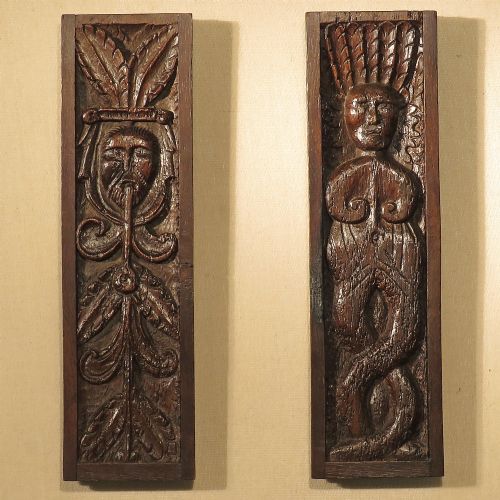
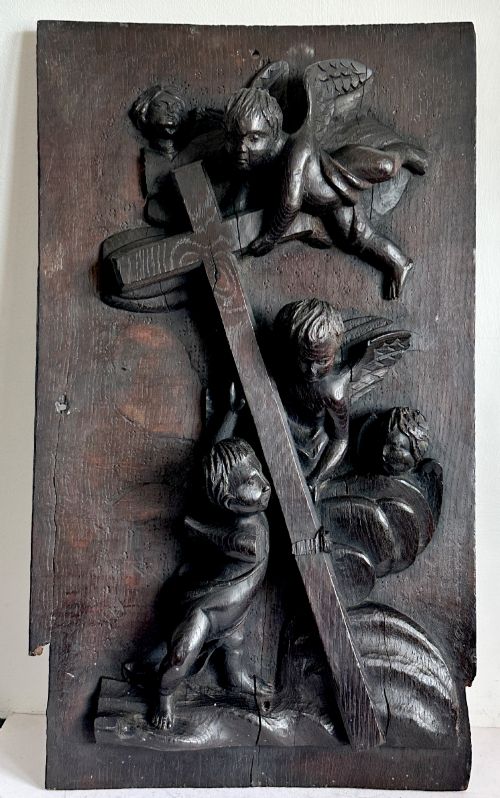
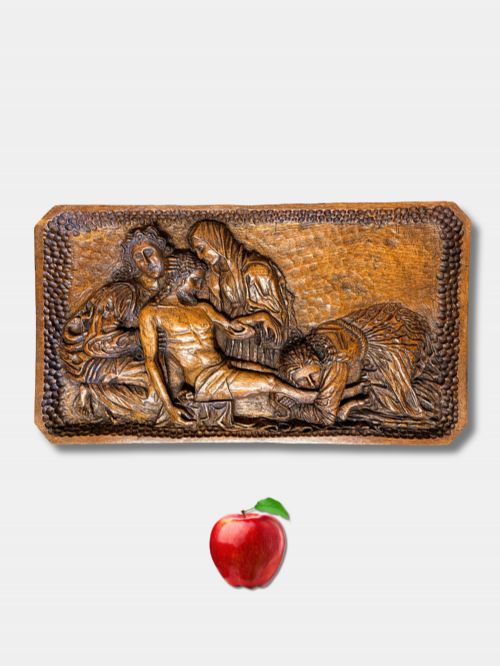
These pieces of antique relief sculpture bring three-dimensional figures out of flat panels in wood, bronze and stone.
Antique Relief Sculpture
An antique relief sculpture projects from a background surface, taking the form of wall plaques, architectural salvage, panels and freestanding wall sculptures.
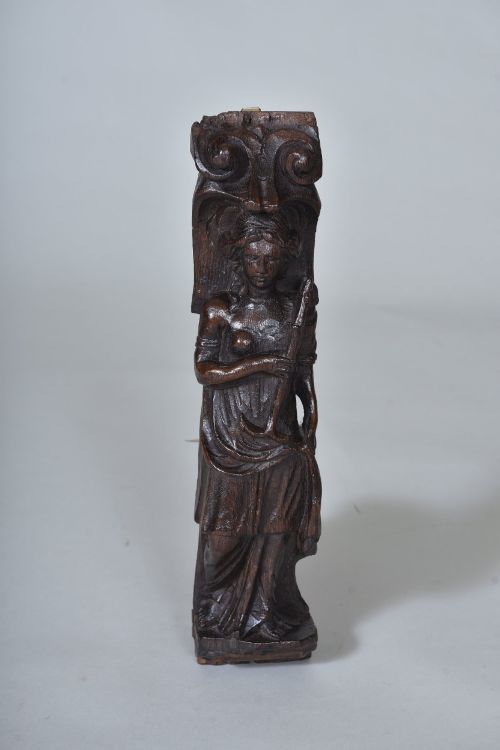
The pieces span centuries of craftsmanship, stretching from sixteenth-century oak carvings of medieval figures up to twentieth-century bronzes and marbles.
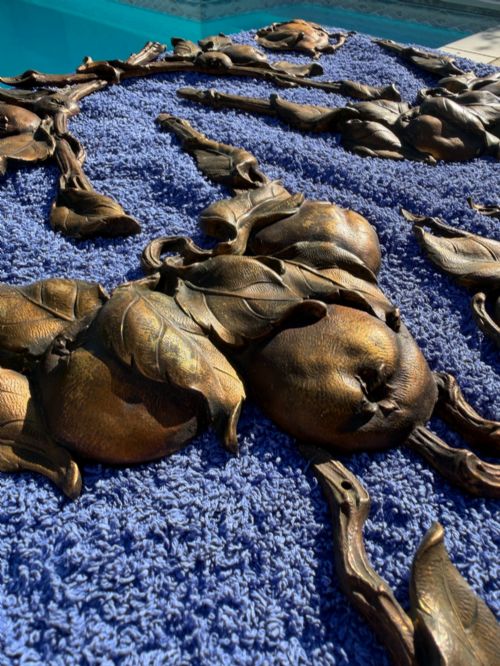
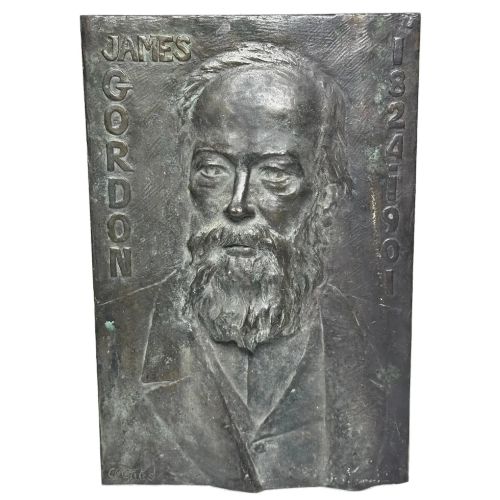
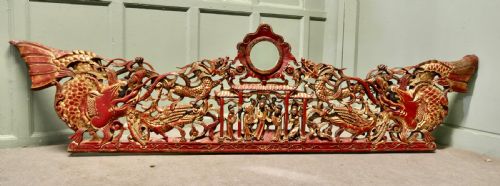
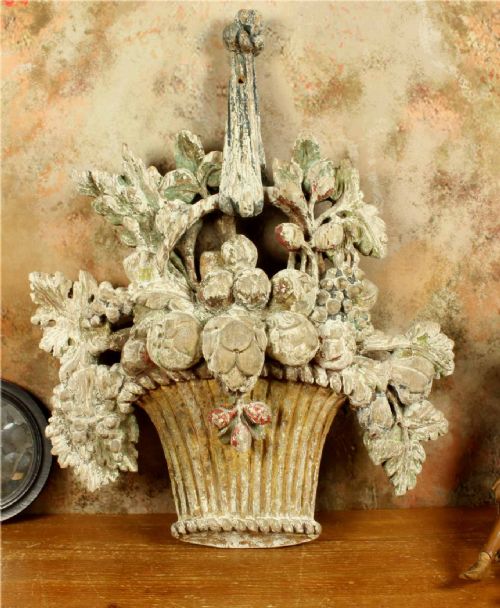
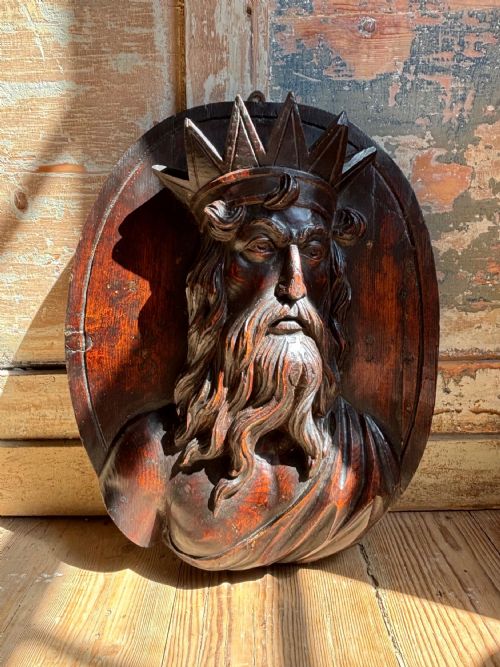
Oak panels and bronze portrait plaques appear most often on this page, alongside carved wood floral reliefs and architectural pediments.
Materials and Technique
Carvers cut directly into timber like oak and chestnut using gouges and chisels to reveal deep-relief imagery.
Foundries cast metal pieces in bronze, gold leaf, and white metal, often capturing fine portrait details in the alloy.
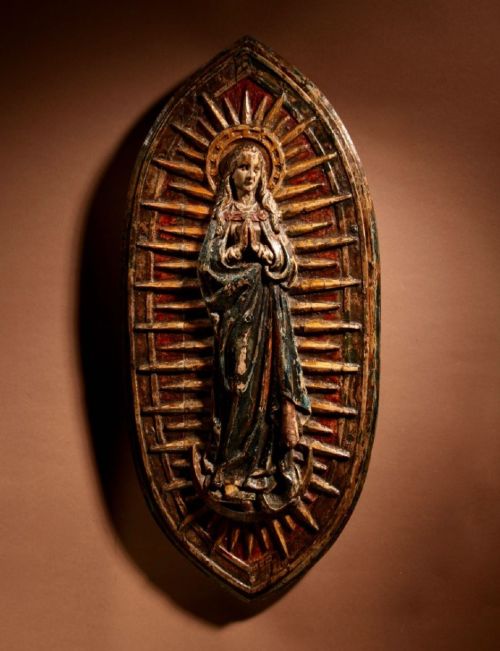
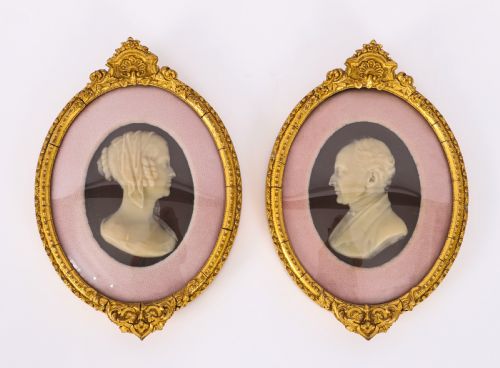
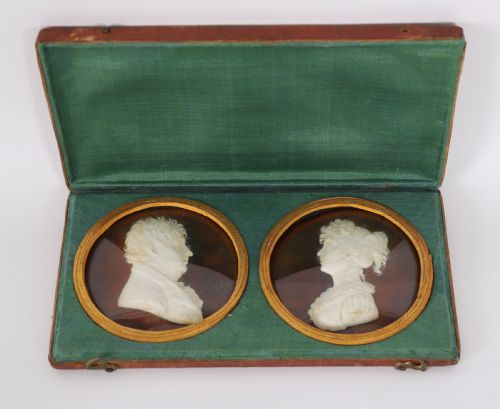
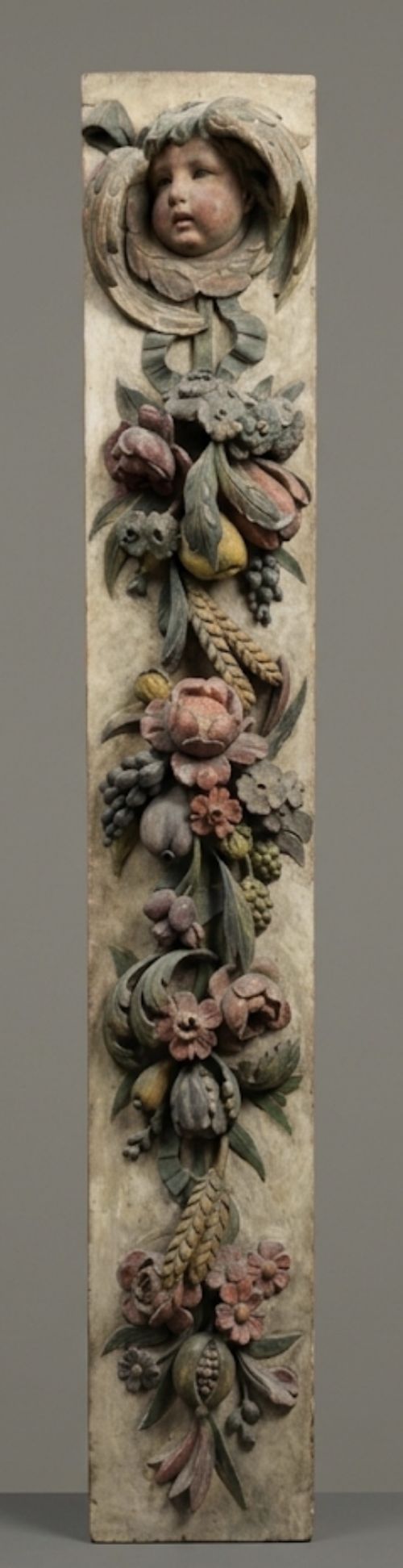
Artists also modelled compositions in gesso, plaster, wax, and terracotta, sometimes finishing surfaces with polychrome paint or gilding.
Materials span natural oak, cast bronze, terracotta, and wax.
Skill and Definition
The distinction between ordinary and exceptional work lies in the depth of the carving and the control over musculature, drapery and facial expression.
Crisp undercut details in wood or sharp chased lines in bronze separate master workshops from routine output.
Original surface finishes, such as aged patination or traces of early polychrome pigment, elevate a piece above later stripped examples.
Poix Blin·Alice Gates·Eugene Canneel·Mainfroy·Edward Pearce·Gilbert Privat
The Antique Relief Sculpture Glossary
- Relief
- A sculptural technique where figures project from a flat background plane. High relief projects significantly, while low relief stays closer to the surface.
- Polychrome
- Painted in several colours. This surface treatment appears frequently on early wooden panels and religious figures.
- Architectural Salvage
- Elements rescued from buildings, including pediments, overdoor panels and decorative friezes. These items once formed part of a larger interior scheme.
- Giltwood
- Wood that has been coated with a thin layer of gold leaf. It is common on Baroque and Neoclassical frames and decorative carvings.
Antique Relief Sculpture: Frequently Asked Questions
Where were these panels displayed?
Many wall plaques and carved wooden panels originally decorated church altarpieces, manor houses or institutional libraries.
Over time, owners removed them from their architectural settings to hang them as standalone artworks on plain walls.
Are bronze plaques heavy?
Cast bronze and metal portrait plaques carry substantial weight relative to their physical dimensions.
Secure them to walls using appropriate fixings and wall plugs designed to support dense metallic objects safely.
How do I date an oak panel?
Examine the rear surface for tool marks, adze strokes and the shrinkage patterns typical of early timber preparation.
Stylistic details like Gothic tracery or Baroque foliage also provide reliable clues to the century of manufacture.