





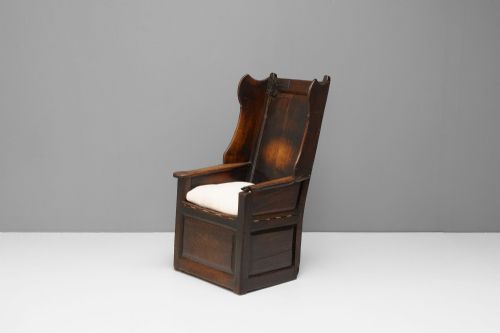


Antique Regional Oak Seating
Antique regional oak seating brings solid country craftsmanship and local character straight into a room.
Antique Regional Oak Seating
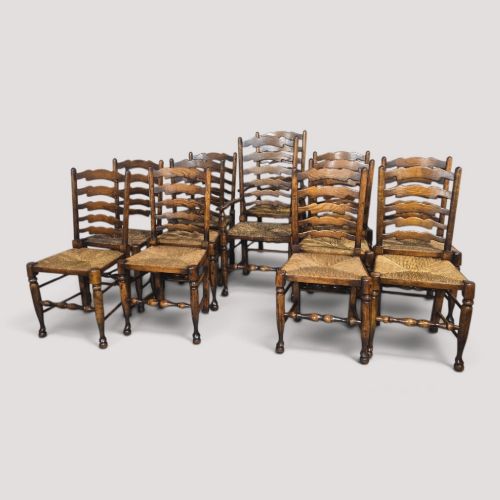
Antique regional oak seating comprises chairs shaped by local tradition, from robust Thames Valley armchairs to Yorkshire and Lancashire ladderbacks. Buyers encountering these pieces find sturdy timber construction and regional idiosyncrasies developed across centuries of rural woodworking.
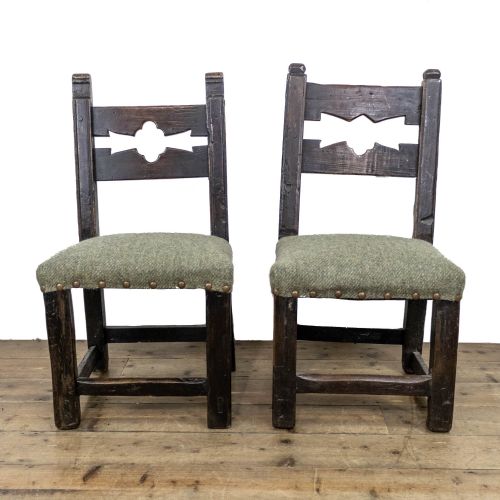
The selection ranges from early seventeenth-century master armchairs and lambing chairs to nineteenth-century dining chairs and hall chairs. Elm, ash, fruitwood and beech frequently supplement the primary oak framework, often paired with rush seats.
The styles lean heavily towards English country, rustic country and vernacular interpretations. These seating forms demonstrate how regional makers adapted standard chair patterns to local materials and daily domestic needs.
Materials and construction methods
Makers built these chairs using solid native timbers, selecting oak for structural frames alongside elm, ash and fruitwood for seats, spindles and bent components. Rush provided a durable, woven seating surface for many provincial dining and cottage chairs.
Joinery relied on traditional pegged mortise and tenon joints, turned spindles and steam-bent parts such as Windsor hoops. Regional workshops utilised locally available hardwoods, resulting in varied combinations of oak with secondary woods like beech and fruitwood.
Antique Regional Oak Seating Retail Price Guide 2026
Typical asking prices for regional oak seating among the pieces listed under this phrase on Sellingantiques today, from the lower quarter to the upper quarter. They describe what is for sale here now, not the wider market.
Listings feature oak alongside rush, elm, ash, beech and fruitwood across nineteenth-century, eighteenth-century and seventeenth-century periods.
Factors that distinguish individual examples
Quality rests upon the integrity of the original construction, the sharpness of turned details like spindle backs or bullseye motifs, and the survival of early surfaces. Untouched timber with good colour and honest wear stands apart from pieces weighed down by inappropriate modern interventions.
Regional distinctiveness also plays a part, where pronounced local characteristics, such as specific crest rails or arm shapes associated with the Thames Valley or West Country, elevate an individual chair above standard vernacular production.
The Antique Regional Oak Seating Glossary
- Vernacular
- Everyday furniture made by local regional craftsmen rather than metropolitan cabinetmakers. These pieces follow traditional local patterns rather than fashionable London designs.
- Spindle back
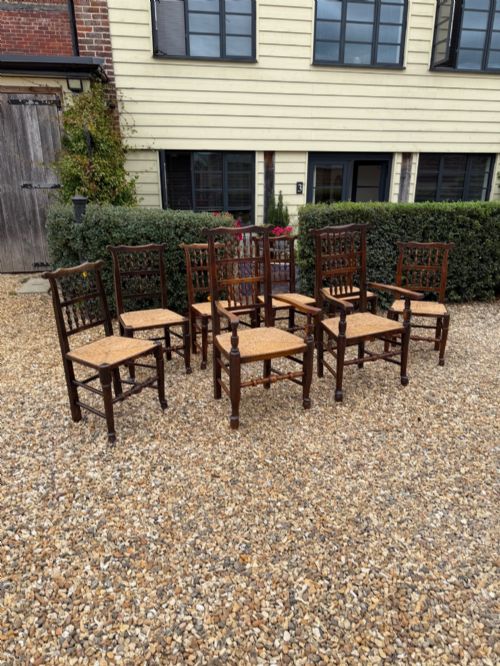
- A chair back filled with numerous turned wooden uprights or rods. This construction method offers sturdy support while keeping the chair relatively light.
- Rush seat
- A seating surface woven from dried marsh rushes or sedge over a wooden frame. It provides a resilient and traditional base found on many country dining and cottage chairs.
- Lambing chair
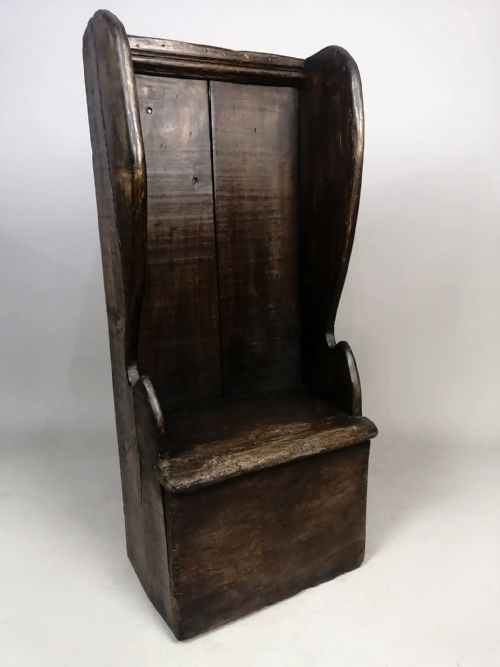
- A high-backed wooden armchair, often featuring solid sides to block draughts near a hearth. They frequently incorporate a small under-seat compartment.
- Ladder back
- A chair back featuring multiple horizontal arched slats between the rear uprights. This form was widely adopted across various English counties and provincial workshops.
Antique Regional Oak Seating: Frequently Asked Questions
What defines regional oak seating?
These pieces are traditional chairs made in provincial workshops using local woods and distinct local designs. They reflect the specific styles and timber availability of areas like Lancashire, Yorkshire or the Thames Valley.
Buyers choose them for their honest construction, historic character and direct connection to English rural craftsmanship.
How do I spot a Thames Valley armchair?
Thames Valley armchairs often feature distinctive turnings, such as central bullseye motifs in the splat, combined with generous elm seats and sturdy oak frames. They represent some of the finest regional Windsor chair production.
Examining the wood combinations and turning details helps distinguish them from chairs made in other parts of the country.
Are rush seats original to these chairs?
Many country chairs utilised woven rush for seating because it was pliable, durable and locally gathered. Over the centuries, these rush seats frequently required re-weaving to maintain their functionality.
A well-executed traditional rush replacement preserves the utilitarian integrity of an antique provincial chair.
How do I live with antique oak chairs?
Living with these chairs involves placing them away from direct heat sources and sudden temperature shifts to protect the dry timber. Regular dusting and occasional wax maintenance keep the historic surfaces nourished.
They function well as everyday dining seating or as singular accent pieces in a hallway or study.