


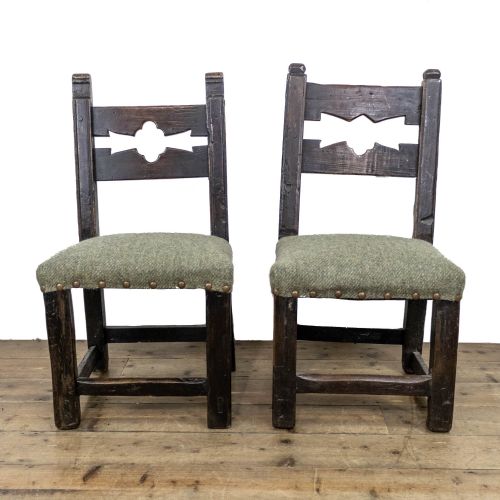
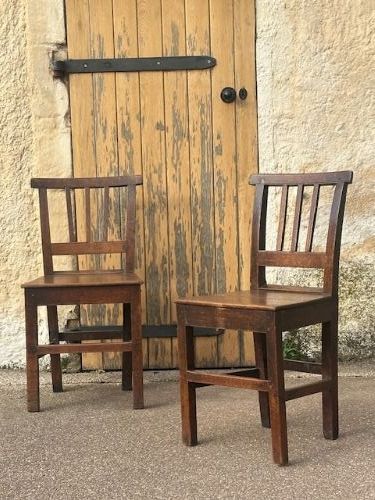


Pair Vernacular Dining Chairs
These pair vernacular dining chairs offer honest country character, built from timber like elm and oak to anchor a rustic interior.
Pair Vernacular Dining Chairs
When you search for pair vernacular dining chairs, you are looking at practical country seating produced across the eighteenth and nineteenth centuries. These listings include side chairs, armchairs, hall chairs, and kitchen chairs created for everyday domestic use rather than formal parlours.
You are most likely to meet elm and oak examples on this page, often featuring rush seats or traditional ladderback and spindleback forms. The origins span English country styles, Georgian country workshops, and Scottish vernacular traditions from the first half of the nineteenth century.
These pairs reflect regional British craftsmanship, utilising local woods and straightforward construction methods. They bring functional utility and historical texture directly into modern dining spaces without the formality of urban furniture.
How they were made
Local timbers formed the core of these pieces, with elm, oak, beech, and walnut shaped by regional joiners and chairmakers. Seat construction frequently relied on woven rush, complemented in later nineteenth-century iterations by upholstery in velvet or tweed wool, sometimes finished with brass details.
Construction techniques prioritized durability over decorative excess, employing pegged joints, turned spindles, and ladderbacks suited to heavy farmhouse use. The turners and joiners utilised greenwood working traditions alongside seasoned planks, depending on whether they built Windsor forms or joined Scottish vernacular chairs.
Pair Vernacular Dining Chairs Retail Price Guide 2026
Typical asking prices for pair vernacular dining chairs among the pieces listed under this phrase on Sellingantiques today, from the lower quarter to the upper quarter. They describe what is for sale here now, not the wider market.
Materials recorded across these items include solid elm, oak, beech, walnut, rush, velvet, tweed wool, and brass accents.
What varies in quality
The degree of original preservation dictates value among collectors, particularly where rush seats remain intact or early surface finishes are untouched by aggressive modern sanding. Finer regional variations, such as those from northern Scottish workshops or specific Georgian country traditions, exhibit greater structural ambition.
The Pair Vernacular Dining Chairs Glossary
- Vernacular
- Everyday furniture made by local craftsmen using regional traditions rather than following strict London stylistic decrees. This approach prioritises local timber and utility.
- Spindleback
- A chair back constructed with a series of slender turned wooden rods between the top and seat rails. This design lightens the frame while maintaining strength.
- Ladderback
- A chair back featuring horizontal curved wooden slats resembling the rungs of a ladder. It is a defining feature of many traditional country dining chairs.
- Rush seat
- A seating surface woven from dried marsh rushes around a wooden frame. It provides a resilient and comfortable pad for daily sitting.
- Side chair
- A chair without arms intended for dining or general room use. These form the majority of seating pairs found in country houses.
Pair Vernacular Dining Chairs: Frequently Asked Questions
What defines a vernacular chair?
A vernacular chair is built to local traditions and practical needs rather than high London fashion. Makers used whatever native timbers were to hand, resulting in robust, unpretentious furniture.
These pieces reflect the specific regions where they were made, from Scottish workshops to English country districts, retaining a direct connection to rural life.
Are rush seats durable?
Rush seats are surprisingly resilient when treated with care and kept away from excessive damp. They are woven tightly around a wooden frame to give firm support.
When an old rush seat wears down, traditional cordage allows skilled restorers to re-weave the surface while keeping the historic frame intact.
How do I date a country chair?
Dating relies on examining tool marks, timber selection, and structural joinery rather than formal maker stamps. Eighteenth-century examples often display simpler, heavier turnings and deeper patination.
Nineteenth-century pieces frequently introduce lighter spindle arrangements or alternative seat materials like upholstery while maintaining the traditional country aesthetic.
Can I mix these with modern tables?
Pair vernacular dining chairs work well around contemporary dining tables by adding tactile warmth and historical contrast. Their simple wooden forms prevent them from overwhelming modern minimalist spaces.
Choosing chairs with similar wood tones, such as elm or oak, helps tie disparate seating and table designs together smoothly.