
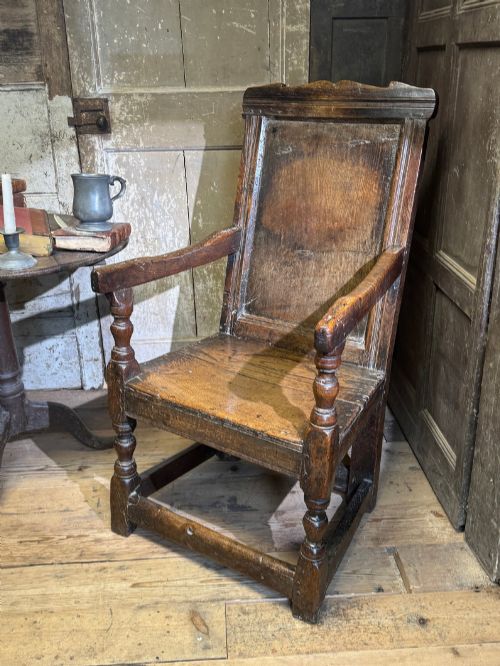


Antique Regional Oak Chair
An antique regional oak chair brings robust local character and time-worn timber into a room, offering sturdy utility shaped by centuries of British vernacular craft.
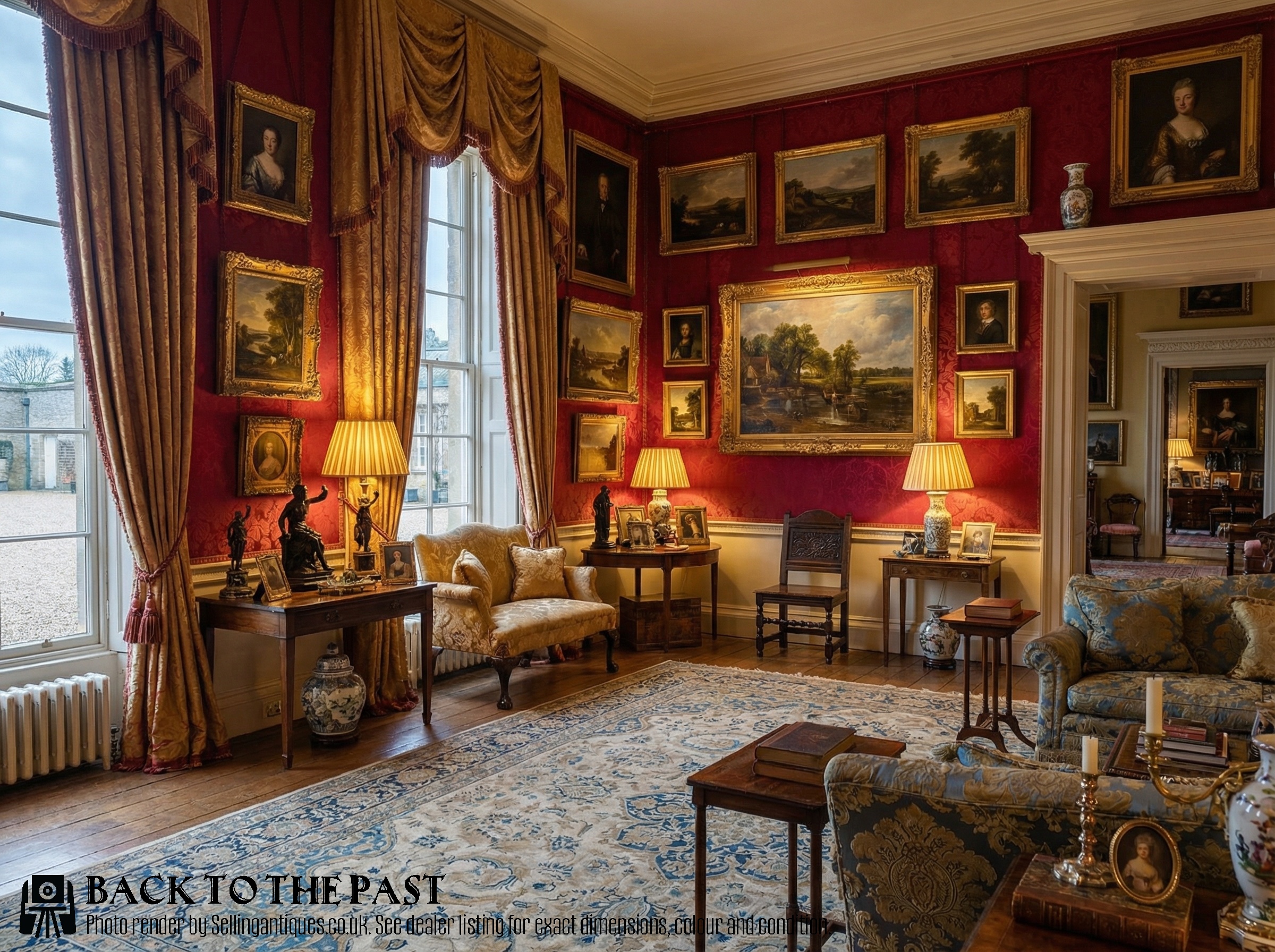
Antique Regional Oak Chair
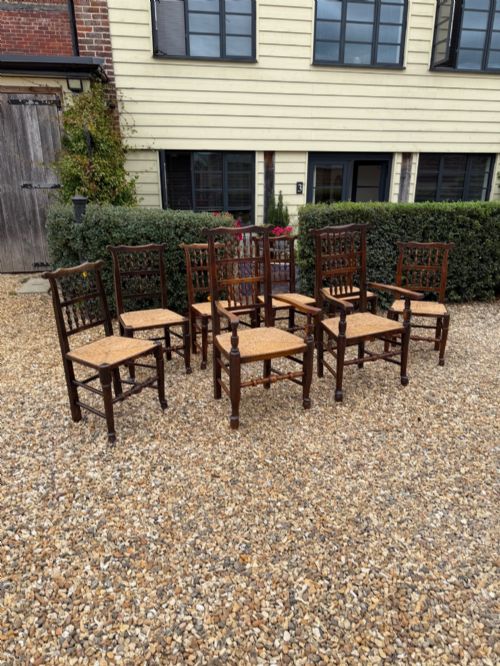
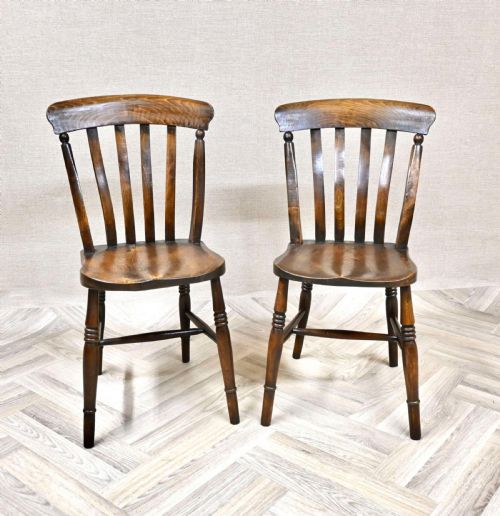
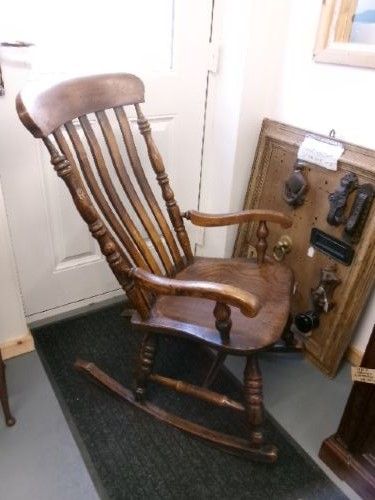
When you search for an antique regional oak chair, you encounter a diverse group of vernacular seating shaped by local traditions, vernacular designs, and rural workshops across Britain. These pieces span from seventeenth-century joined wainscot armchairs and Lancashire spindlebacks to nineteenth-century Windsor armchairs and farmhouse dining sets.
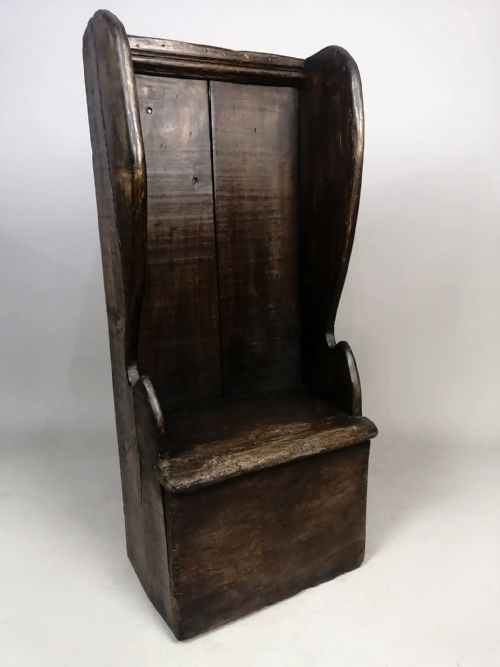
The selections on this page demonstrate distinct geographical traits, originating from regions such as Yorkshire, the Thames Valley, Shropshire, and East Anglia. You will find various forms here, including armchairs, side chairs, ladderbacks, child lambing chairs, and farmhouse rockers.
The materials and structural frameworks reflect the timber available to local carpenters, resulting in robust forms designed for everyday domestic life. These chairs bridge the gap between utilitarian rural furniture and enduring historical artefacts.
Distinctions in quality and execution
Quality in these vernacular pieces rests upon the integrity of the original timber, the crispness of turned spindles, and the preservation of historical surfaces. Chairs retaining their original joined construction and surface patination stand distinctly apart from examples burdened by extensive modern timber replacements or unsympathetic structural repairs.
The balance of regional proportions and the sophistication of local turning - such as the distinctive details found on Thames Valley or Yorkshire examples - signal the hand of a skilled country carpenter. Superior pieces display harmonious material pairing, where secondary woods complement the primary oak frame without compromising structural unity.
Listings feature regional variations spanning the seventeenth century through the Edwardian period, utilising oak, elm, ash, and rush.
The Antique Regional Oak Chair Glossary
- Wainscot armchair
- A heavy seventeenth-century wooden armchair constructed with joined panels and turned legs. These early seats represent status and robust carpentry before lighter framed chairs became common.
- Lambing chair
- An enclosed wooden armchair featuring high wings and a solid lower section designed to block drafts near hearths. Examples often incorporate storage boxes beneath the seat.
- Ladder back
- A chair featuring horizontal arched slats between the rear uprights. Sets of these chairs appear frequently in vernacular dining arrangements.
- Rush seat
- A seating surface woven from dried marsh rushes around a wooden frame. This traditional method provides a resilient and slightly yielding platform for daily sitting.
Antique Regional Oak Chair: Frequently Asked Questions
How do I date an oak regional chair?
Dating relies on examining the joinery methods, tool marks left by early saws or adzes, and the overall evolution of regional styles from joined seventeenth-century frames to nineteenth-century Windsor forms. Secondary woods and fastener types also offer chronological clues.
Comparing structural wear patterns against documented regional examples helps confirm the period of manufacture.
Are rush seats original to these chairs?
Many regional chairs, particularly ladderbacks from Lancashire and Suffolk, originally featured woven rush seating. Over centuries, these organic surfaces often required professional rewoven restoration.
Examining the underlying seat rails reveals whether the current woven pattern respects the original rebate and framing dimensions.
How should I care for historic oak furniture?
Historic oak requires a stable indoor environment away from direct heat sources and extreme humidity fluctuations to prevent timber splitting. Applying occasional applications of traditional beeswax helps nourish the aged surface.
Avoid modern silicone polishes, which can penetrate porous historical finishes and degrade the natural patination.