
Antique Red Sofa
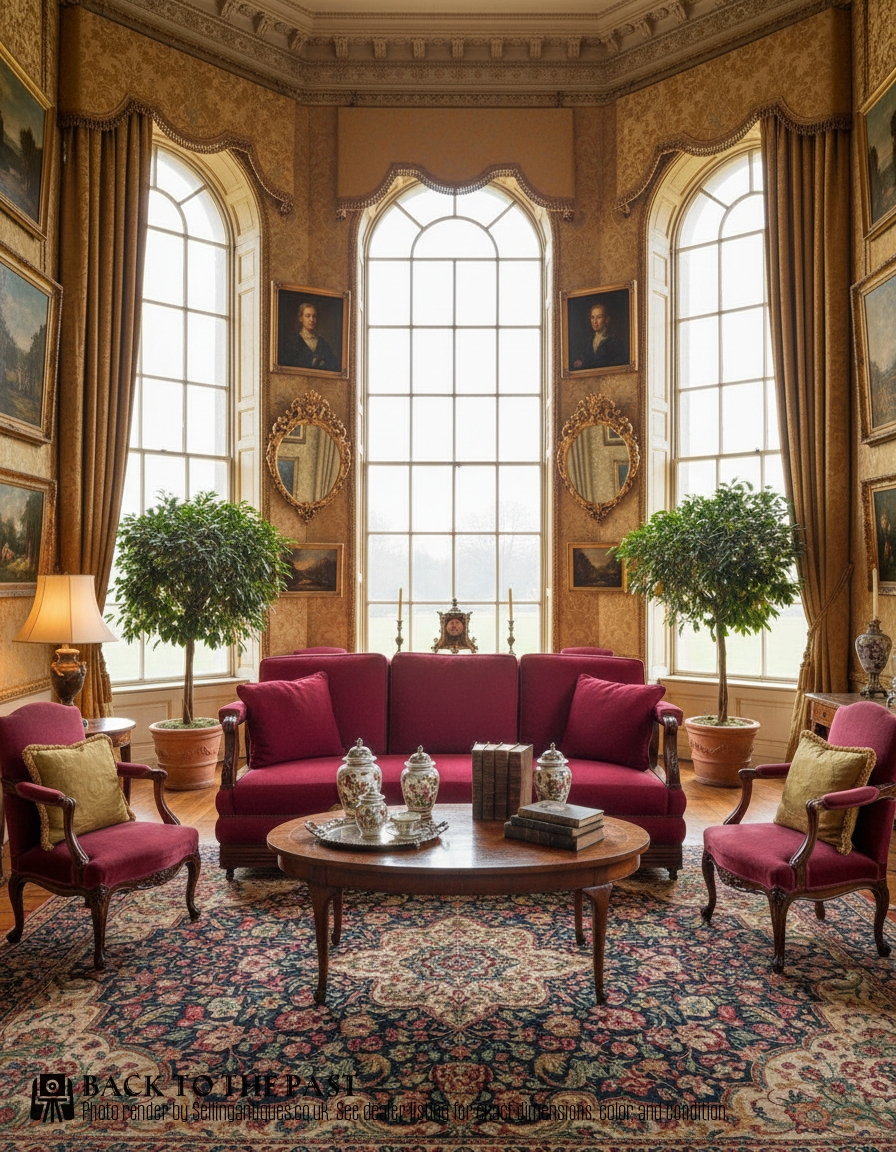
An antique red sofa brings warmth and enduring style to a room, offering generous seating rooted in centuries of fine furniture making.
Antique Red Sofa
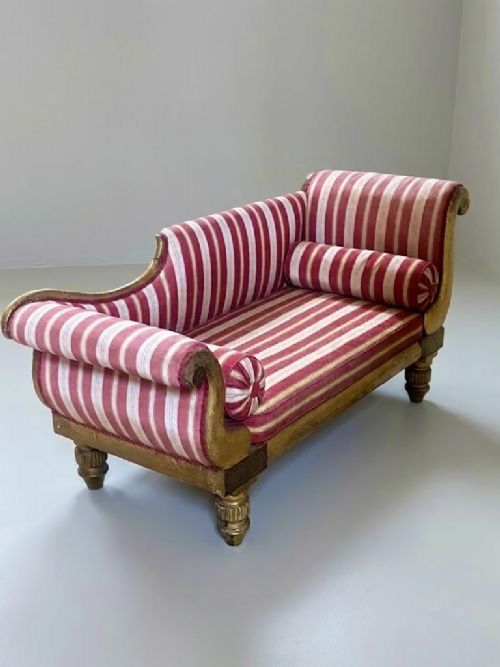
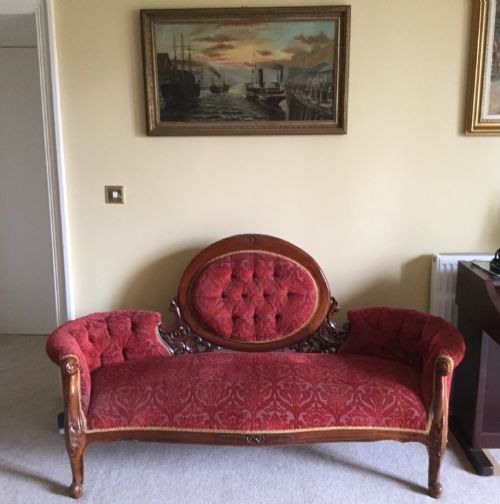
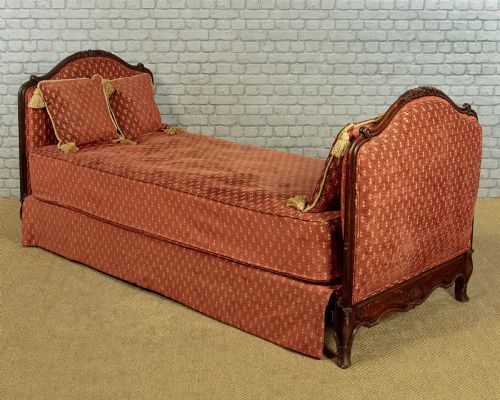
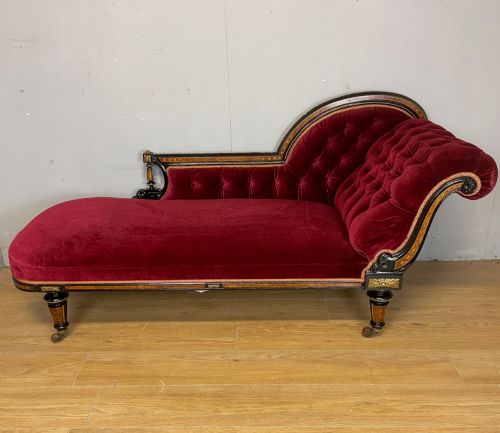
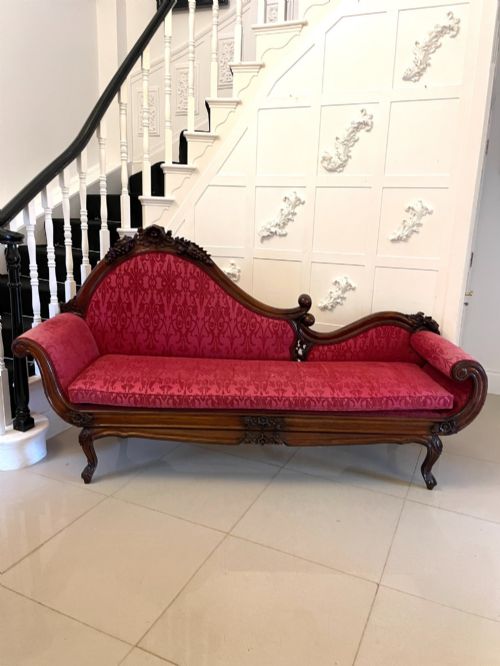
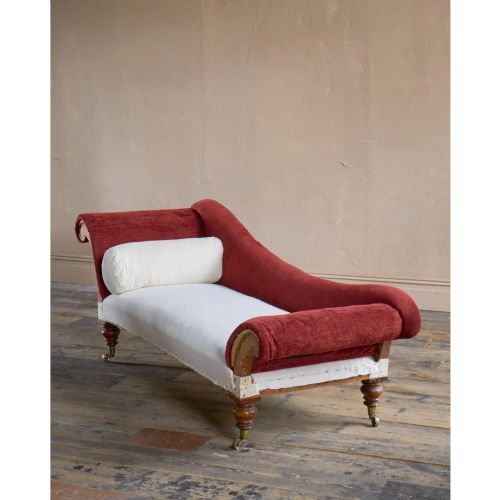
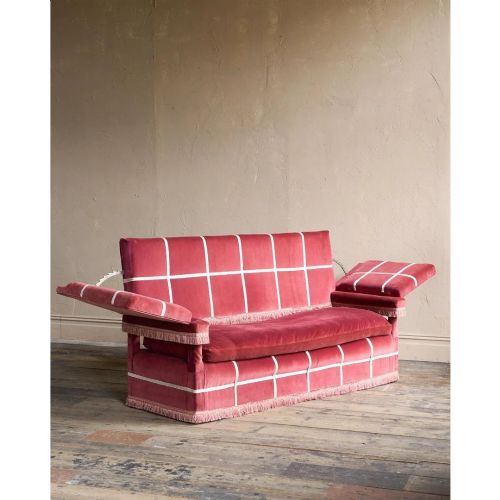
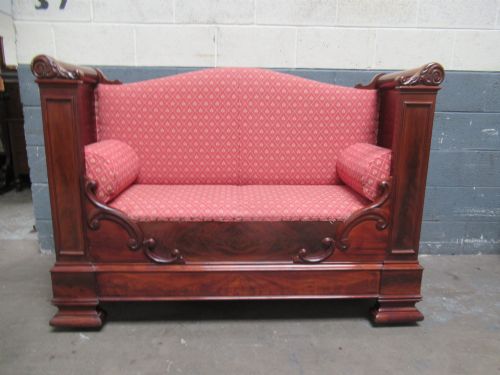
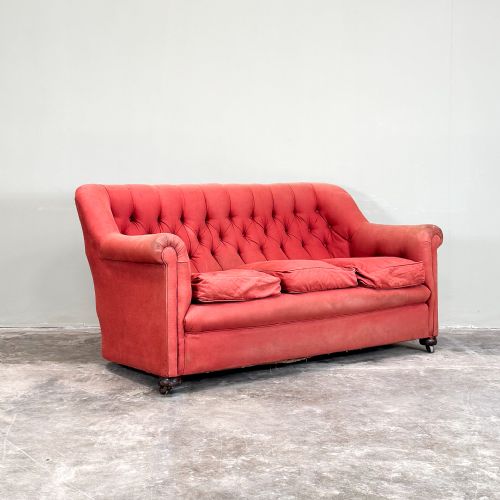
When searching for an antique red sofa, buyers encounter a diverse selection of seating ranging from deep-seated Victorian Chesterfields upholstered in rich leather to elegant Edwardian frames and nineteenth-century day beds. These pieces combine historic forms with striking crimson and burgundy textiles, creating a commanding focal point in traditional and contemporary interiors alike.
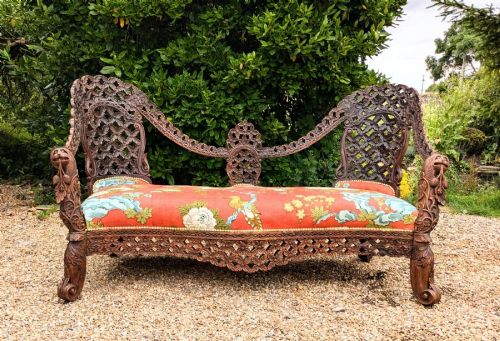
The pieces appearing on this page span several distinct periods, including Regency, Victorian, and Edwardian eras, alongside later twentieth-century interpretations. Frames vary widely from carved mahogany and walnut to gilded wood, supporting sumptuous upholstery in velvet, brocade, wool, and leather.
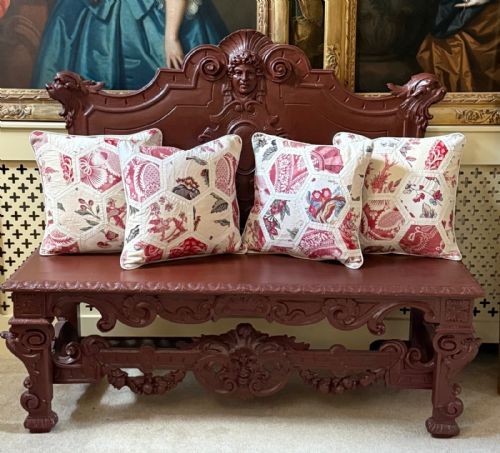
Beyond standard settees, the selection incorporates related forms such as chaise longues, salon suites, and window seats sharing similar red colour palettes and period craftsmanship. This variety allows collectors to choose a scale and silhouette that suits their exact spatial requirements.
Materials and construction
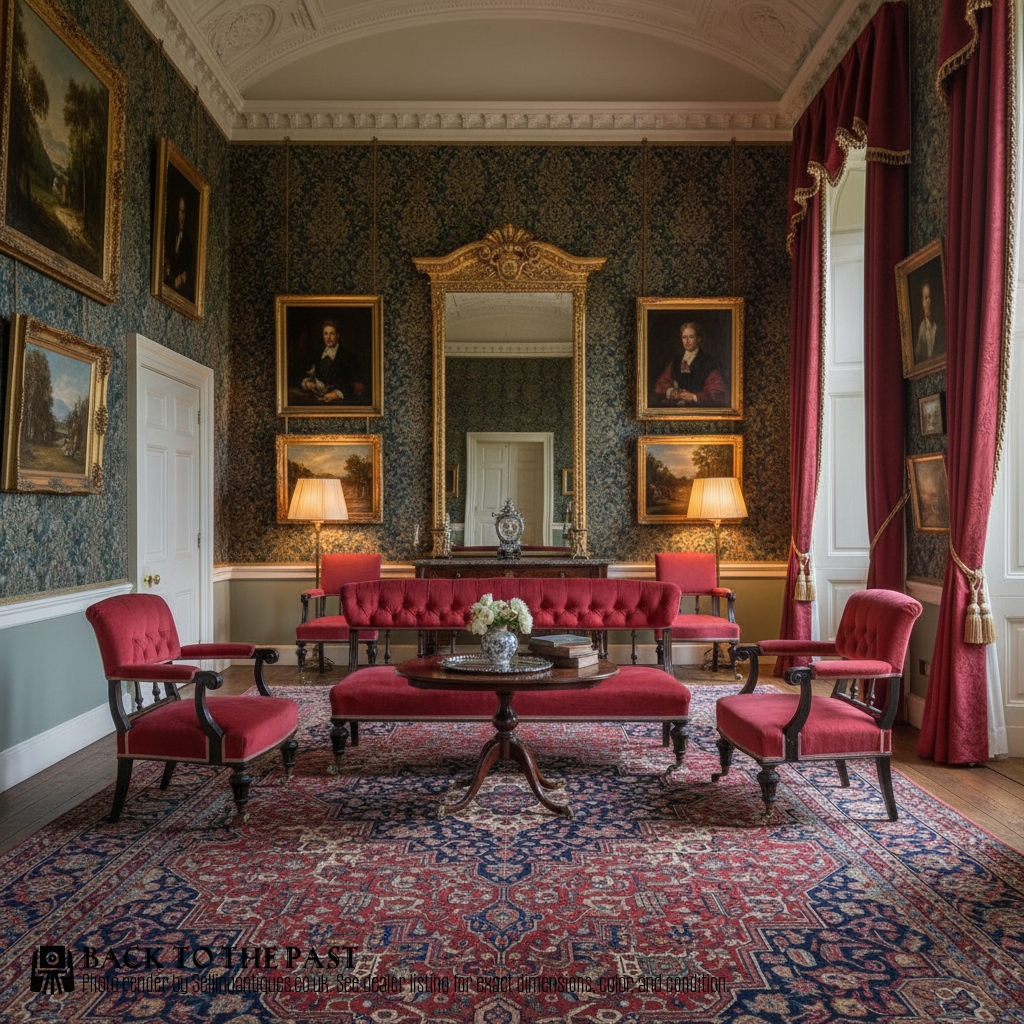
Makers built the structural frames of these seats using dense hardwoods such as mahogany, walnut, oak, and ebonised timber, often embellished with hand-carved details, brass accents, or inlaid panels. These robust foundations ensured the furniture could withstand generations of daily use.
Upholstered surfaces relied on traditional stuffing methods employing natural materials like horsehair, wool, and feathers, secured over sprung or webbed bases to give deep support. Finished pieces were then covered in durable textiles including heavy leather, patterned velvet, silk, and woven brocade.
Frames combine mahogany, walnut, and oak with decorative elements including ormolu mounts and carved woodwork.
Assessing craftsmanship and finish
Quality in these seating pieces rests upon the integrity of the underlying woodwork and the precision of the joinery, where tight joints and substantial timber indicate superior workshop origin. Finer examples often bear attribution to notable cabinet makers or retail houses of the period.
The standard of upholstery and the retention of original decorative elements, such as ormolu mounts, hand-turned legs, and buttoned leather work, significantly elevate a piece. Evidence of thoughtful restoration that respects the historical fabric of the furniture also distinguishes the finer items in the range.
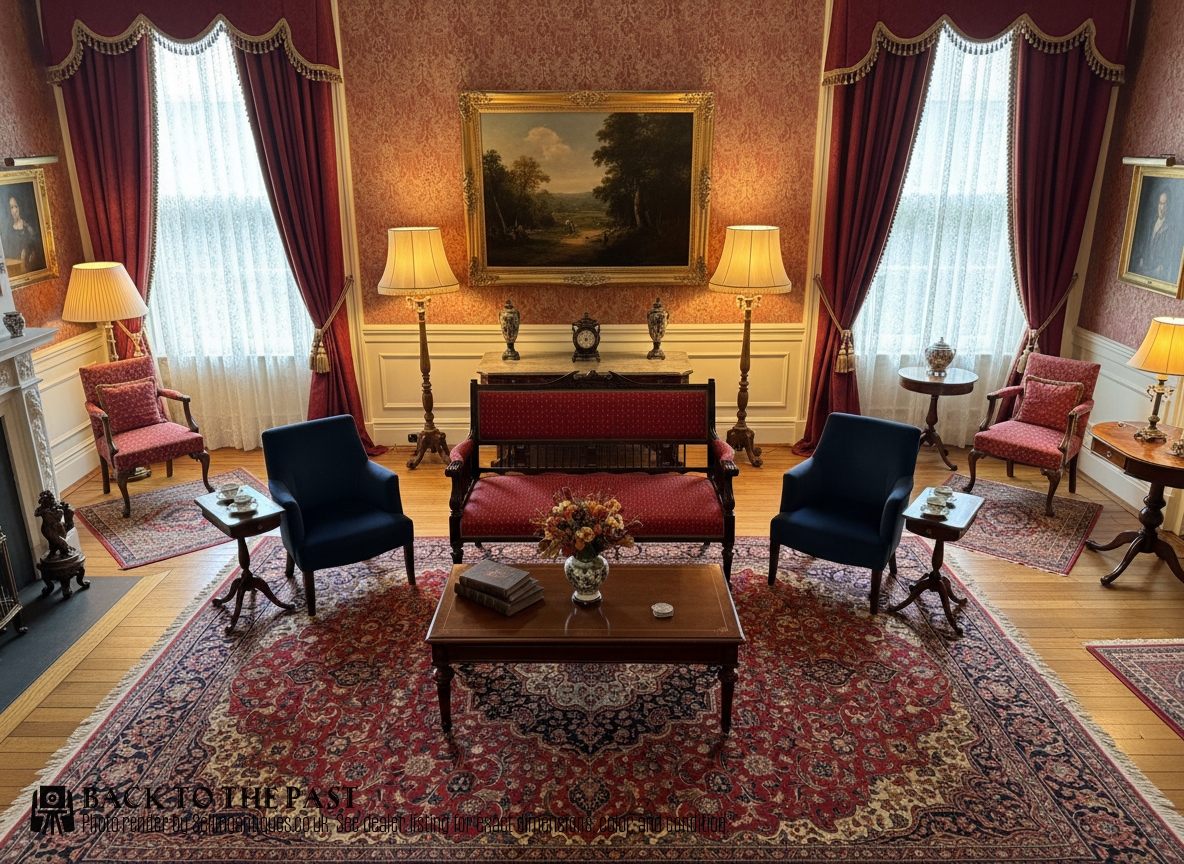
Holland and Sons·Gillows·Howard and Sons
The Antique Red Sofa Glossary
- Chesterfield
- A traditional deep-buttoned sofa traditionally upholstered in leather with arms and back of the same height. This classic form remains highly sought after for its distinct silhouette.
- Chaise Longue
- An upholstered long chair intended for reclining, typically featuring a single raised backrest at one end. Originating in French fashion, it became a staple of Victorian drawing rooms.
- Giltwood
- Wood that has been coated with a thin layer of gold leaf or gilt powder. This decorative treatment highlights carved details on formal nineteenth-century salon furniture.
- Brocade
- A class of richly decorative shuttle-woven fabrics, often featuring raised patterns in gold or silver threads. It frequently appears on formal period seating.
- Orlumu
- Gilded bronze ornamentation applied to furniture frames during the eighteenth and nineteenth centuries. The technique adds metallic contrast to dark woods like mahogany and ebonised timber.
Antique Red Sofa: Frequently Asked Questions
How do I care for leather upholstery?
Leather upholstery benefits from regular dusting with a soft, dry cloth and occasional treatment with appropriate conditioning balms to prevent drying out. Keeping the piece away from direct sunlight and heat sources preserves the natural suppleness of the hide.
Avoid using harsh chemical detergents or excess water during cleaning. Gentle maintenance ensures the deep red tones of the leather remain rich and well-conditioned over time.
Are these sofas suitable for daily sitting?
Many period sofas are structurally robust and built with sturdy hardwood frames and sprung bases designed for comfortable everyday use. Selecting a piece with sound internal construction ensures it handles regular household demands.
It remains wise to consider the age of the internal webbing and stuffing when planning heavy daily use. Professional reupholstery using traditional methods can restore firm support to older frames.
How do I identify a Victorian piece?
Victorian seating often displays heavier proportions, dark mahogany or walnut frames, and characteristic decorative elements like button-tufting or elaborate wood carvings. Pieces from this era frequently utilise deep red velvets and leathers. Nineteeth-century construction methods, such as hand-tied springs and traditional joinery visible beneath the frame, help confirm the period. Examining the style of the legs and any maker stamps provides further dating clues.
Can I mix these with modern furniture?
Placing an antique red sofa within a modern interior creates a striking focal point by contrasting historic craftsmanship with contemporary clean lines. The bold red palette bridges different design eras effectively.
Keeping surrounding decor relatively simple allows the rich texture and historic form of the sofa to stand out. The piece anchors the room with character and established provenance.