


Antique Red Lacquer Furniture
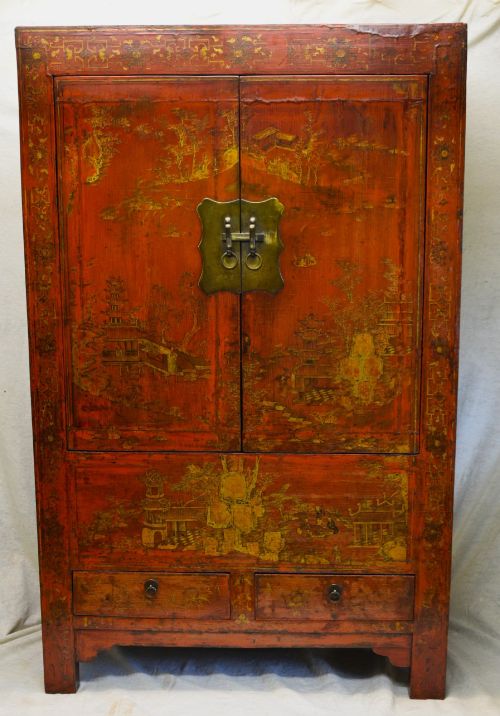
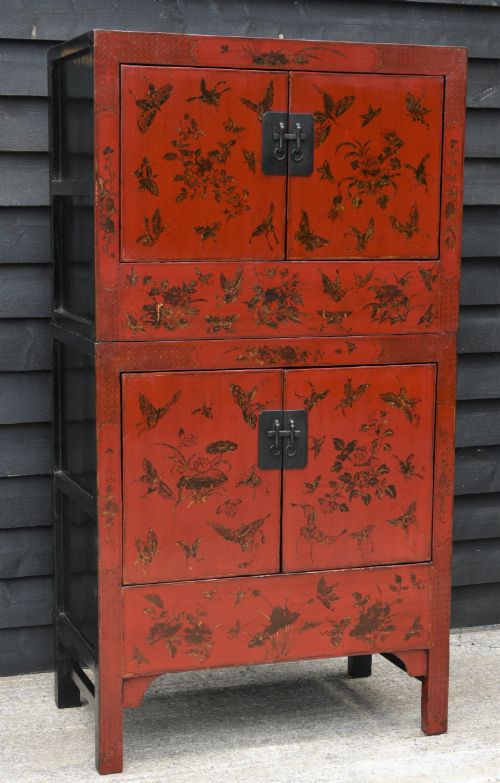
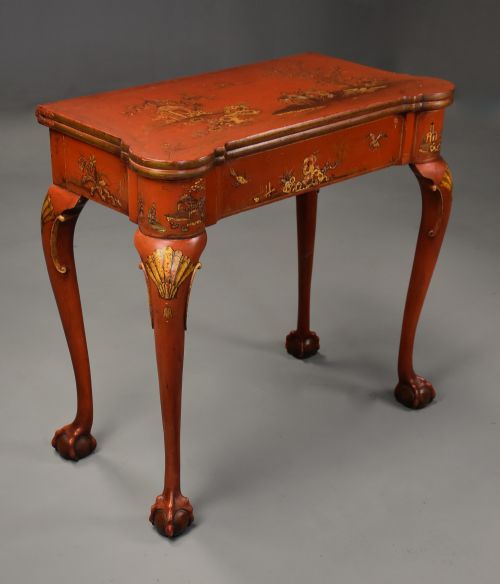
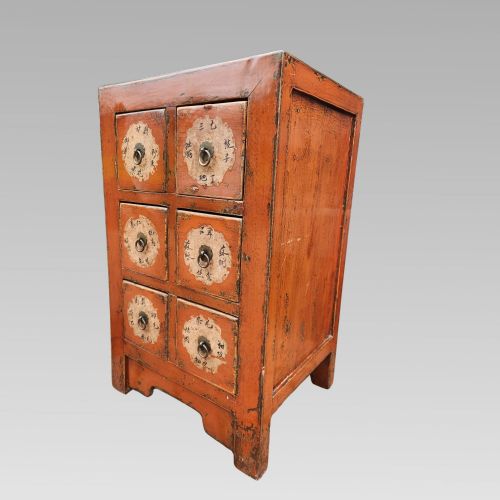
Antique red lacquer furniture brings rich colour and layered depth into a room, spanning Chinese wedding cabinets, Japanese tansu chests, and British Chinoiserie tables.
Antique Red Lacquer Furniture
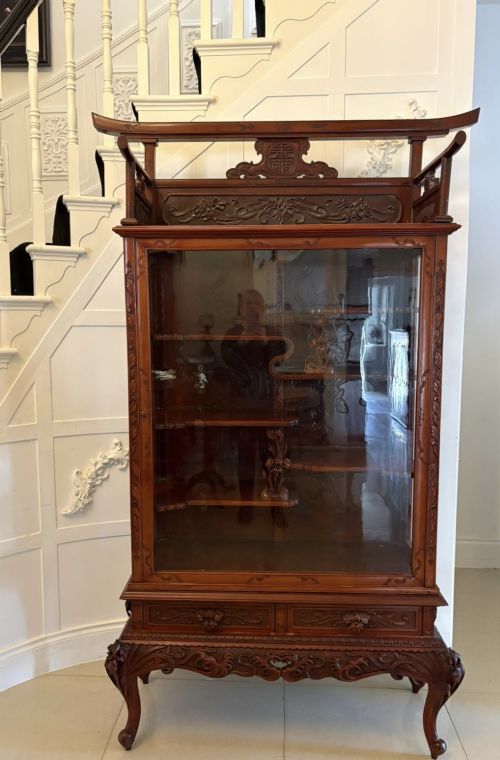
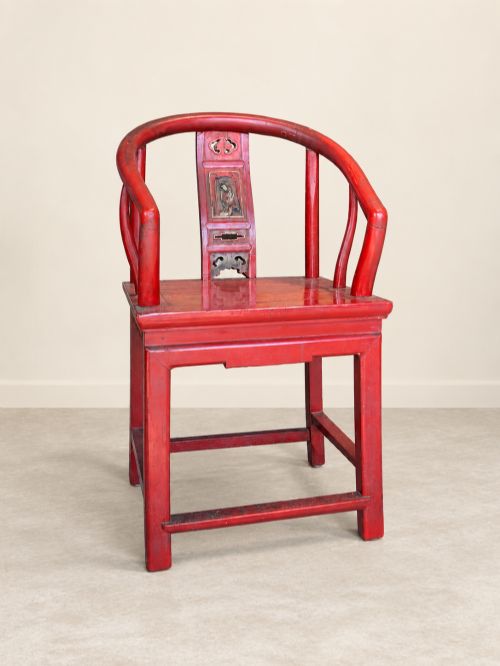
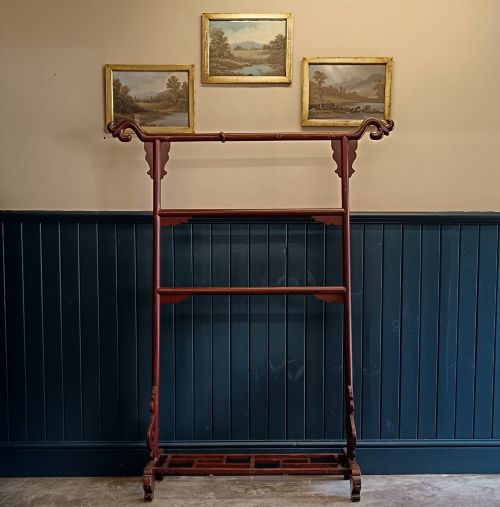
Forms range from large side cabinets and display cabinets to smaller items like nesting tables, plant stands, and armchairs. Asian workshops and European makers alike produced these distinctive red surfaces for domestic interiors.
Domestic utility guided the creation of these forms, from clothes storage to games tables and bedside cabinets. Each piece reflects the aesthetic priorities of its period, whether Qing Dynasty carving or Edwardian European decoration.
How they were made
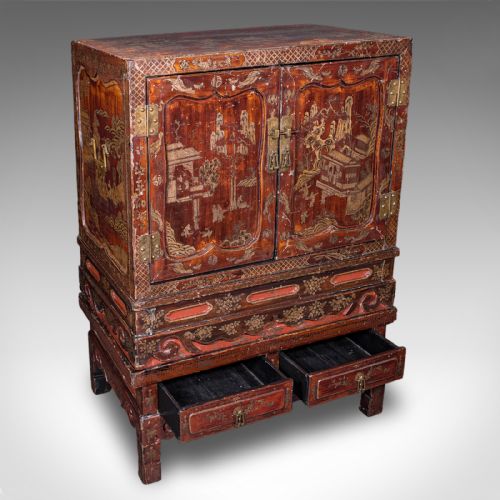
Wood provides the structural core for these items, with elm, kiri, and other hardwoods serving as the foundation for the surface finishes. Artisans applied layers of lacquer to timber substrates, sometimes incorporating carved wood elements or bamboo.
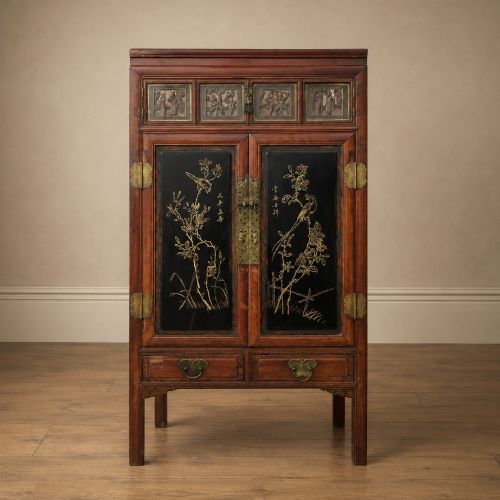
Surface ornamentation often involves gold leaf application, painting, and intricate carving directly into the lacquered coating. Brass hardware frequently appears on cabinets and chests to secure doors and drawers while adding metallic contrast to the red finish.
Listings include items from the Victorian, Edwardian, and Meiji periods alongside eighteenth and nineteenth century Chinese designs.
What varies in quality
The standard of the underlying timber and the depth of the layered lacquer finish dictate the overall calibre of a piece. Finer examples display meticulous control in the carved details and the application of decorative gilding.
Coarser items rely on simpler painted decoration over standard wood substrates without the intricate multi-tier finishing found in higher grade pieces. The precision of joinery in cabinets and tables further separates standard utility furniture from superior workshops.
The Antique Red Lacquer Furniture Glossary
- Chinoiserie
- European artistic style reflecting Chinese motifs and decorative techniques, popular across various periods. Makers applied these designs to cabinets, tables, and desks.
- Tansu
- Traditional Japanese mobile storage chests built from wood, often featuring iron hardware. These pieces served practical storage functions in domestic interiors.
- Qing Dynasty
- The final imperial dynasty of China, spanning from the seventeenth to the early twentieth century. Many items originating from this era feature carved red lacquer.
- Demilune
- Half-moon shape applied to console tables and side tables designed to sit flush against a wall. This format appeared frequently in nineteenth century table design.
Antique Red Lacquer Furniture: Frequently Asked Questions
How do I care for red lacquer?
Keep pieces out of direct sunlight and away from extreme temperature shifts to protect the delicate lacquer surface from drying or cracking. Dust gently with a soft, dry cloth without applying modern chemical polishes or cleaning agents.
Maintain stable indoor humidity levels to preserve the underlying wood and prevent the lacquer coating from lifting away from the substrate over time.
Where does Chinoiserie originate?
Chinoiserie represents the European interpretation of Chinese artistic traditions, developing during the seventeenth and eighteenth centuries as imported goods arrived from East Asia. British and continental makers adopted these motifs for furniture and interior decoration.
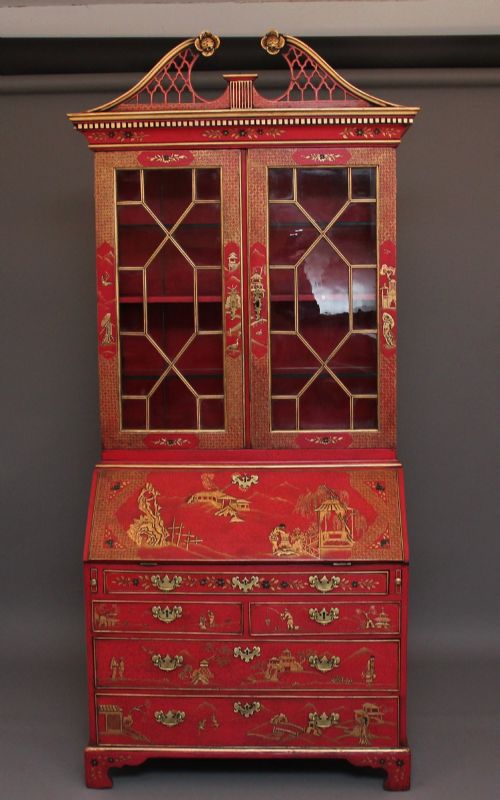
By the Victorian and Edwardian eras, this decorative style experienced revivals, resulting in lacquered bookcases, side cabinets, and games tables produced in European workshops.
Are tansu chests Japanese?
Tansu chests originated in Japan as versatile mobile storage units constructed from timbers such as kiri wood. These cabinets feature distinct iron fittings and handles designed for practical transport.
Unlike stationary European cupboards, tansu units functioned flexibly within domestic spaces for storing clothing, documents, and household goods.