



Antique Putto Lamp
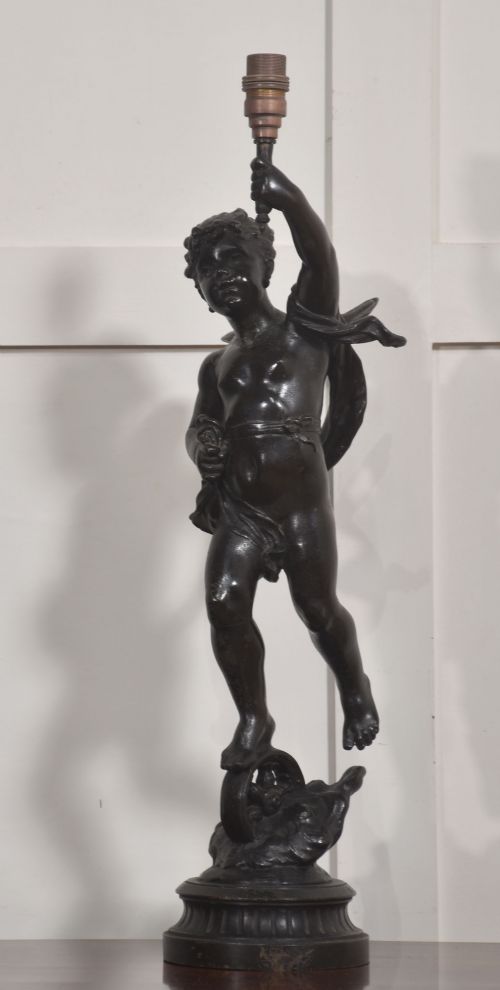
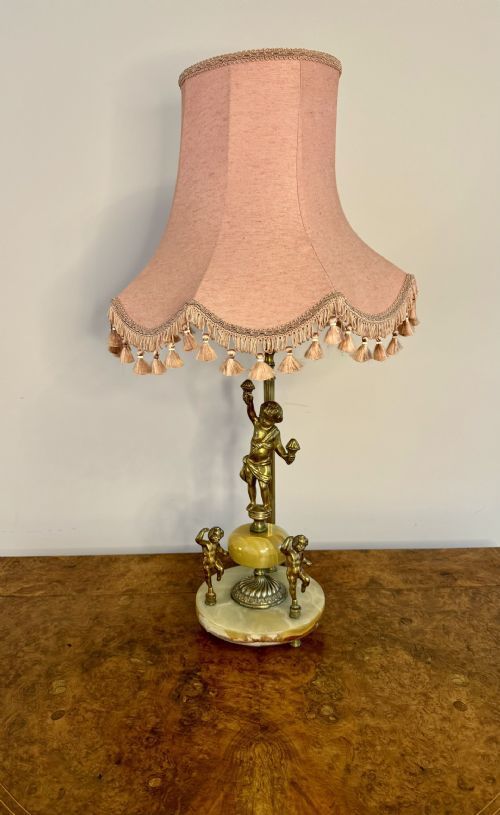
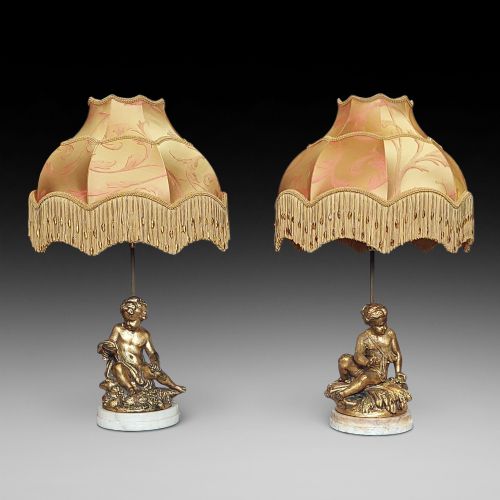
An antique putto lamp brings sculptural charm to a room, combining figures of winged cherubs with functional lighting.
Antique Putto Lamp
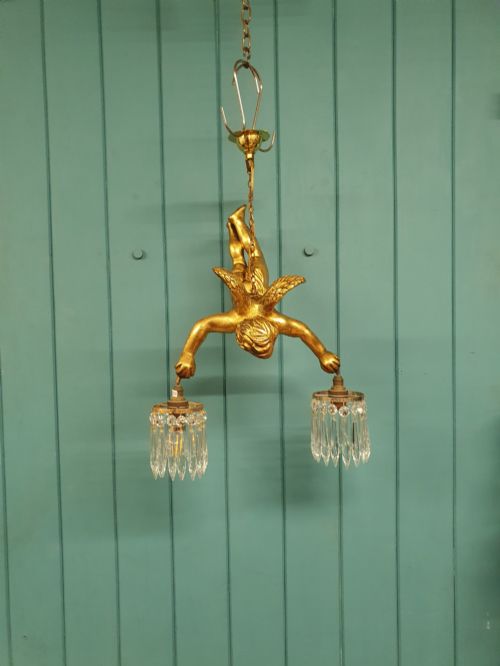
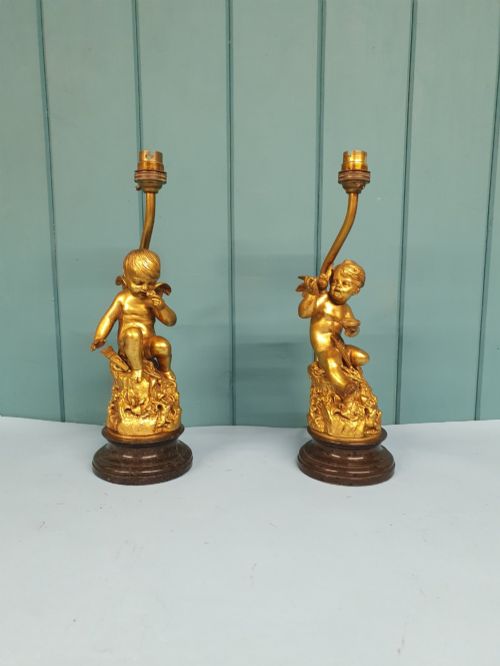
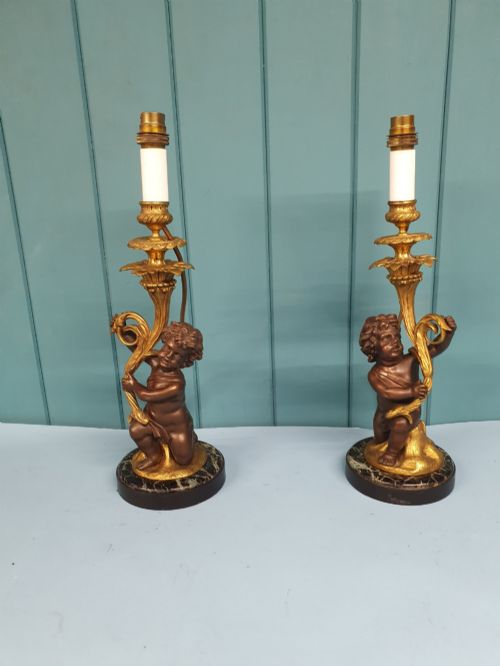
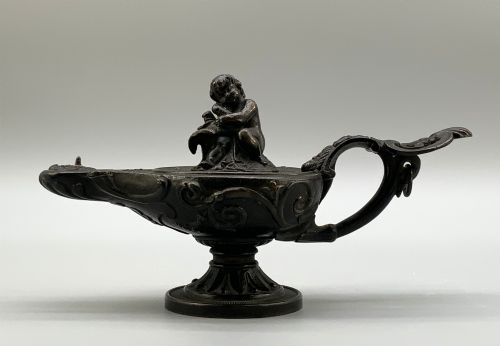
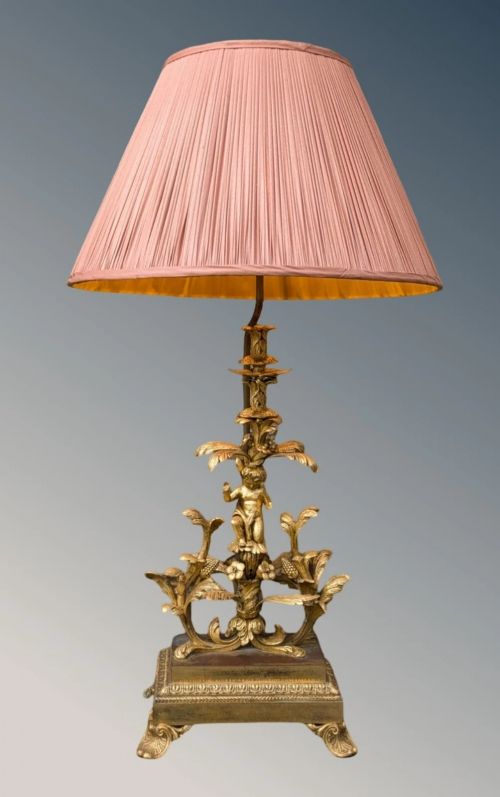
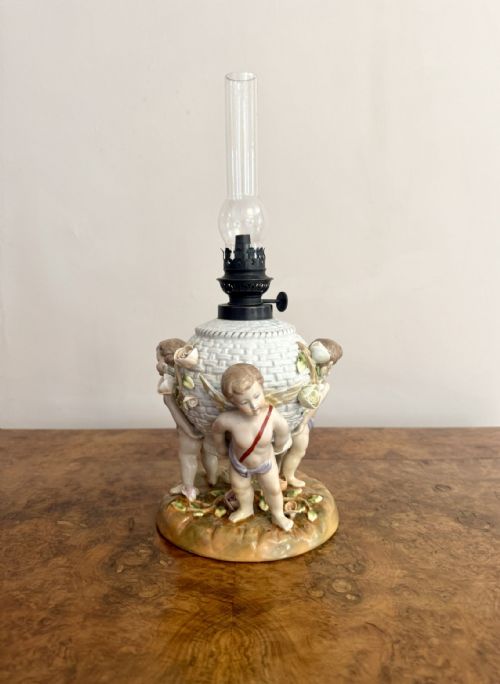
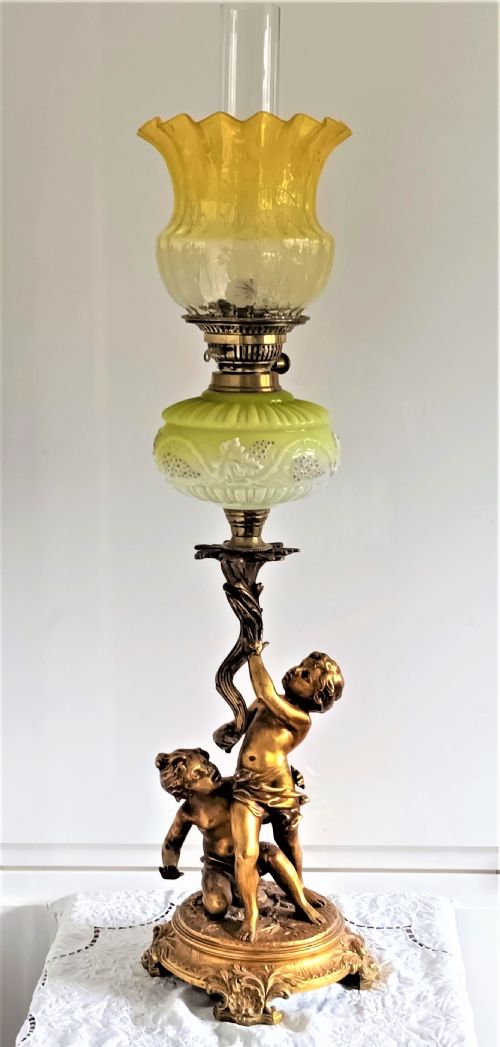
The antique putto lamp centres on figural representations of winged cherubs, infants or putti integrated into lighting forms. Buyers searching for this phrase encounter table lamps, oil lamps and wall sconces featuring these sculptural motifs. The examples span the nineteenth century and the early decades of the twentieth century, with French Rococo Revival and Victorian aesthetics predominating.
Most pieces combine metal or porcelain figures with lighting fixtures, frequently appearing in pairs. The figures support candle arms, hold light fittings or serve as decorative bases for oil and electric conversions. Stylistic influences draw heavily from continental traditions, ranging from neoclassical restraint to ornate baroque and rococo designs.
Materials and construction
Foundry casting dominates the metal examples, utilising bronze, gilt bronze, brass, or gilt metal to shape the figures and bases. Skilled artisans chased and patinated the metal surfaces by hand, sometimes applying mercury gilding or ormolu finishes to achieve brilliant golden highlights. Marble and onyx frequently provide substantial weighted plinths for these metal sculptures.
Ceramic examples rely on European porcelain bodies, painted and glazed with meticulous detail before mounting onto metal or wooden bases. Workshops combined diverse elements such as cut glass crystals, beaded fabric shades and gilt toleware components to complete the functional lamps and chandeliers.
Listings feature materials spanning bronze, brass, porcelain, and marble across Victorian and twentieth-century periods.
Evaluating craftsmanship
Quality rests primarily in the crispness and anatomical definition of the putto figure. Finer examples display subtle facial expressions, carefully delineated hair and articulate hand-chased feather work on the wings, whereas lesser pieces exhibit softer cast details and minimal hand finishing.
The choice of secondary materials influences overall calibre, with heavy patinated bronze, fine ormolu and hand-painted porcelain denoting superior workshop production. Integrated design harmony between the figural base and the lighting apparatus separates standard utilitarian conversions from accomplished sculptural works.
Sitzendorf porcelain·Meissen porcelain·Aug Moreau·French Sevres
The Antique Putto Lamp Glossary
- Putto
- A representation of a plump, winged human infant, commonly found in Renaissance and later decorative arts. These figures appear frequently as playful or celestial attendants on lamp bases and sconces.
- Ormolu
- Gilt bronze produced by applying a finely ground high-carat gold mercury amalgam to a bronze object. The technique creates a durable, rich golden surface typical of luxury French lighting.
- Toleware
- Enamelled or lacquered sheet metal items, often painted with floral or scenic decorations. This material appears on decorative shades and reservoirs associated with period lamps.
- Torchere
- A tall ornamental stand or candlestick adapted to hold lights. In lamp forms, the figure often holds aloft a torch or light cluster.
- Grand Tour
- Cultural travel undertaken by wealthy Europeans in the eighteenth and nineteenth centuries to collect antiquities and art. Items acquired often included classical bronze statuettes later converted into lamps.
Antique Putto Lamp: Frequently Asked Questions
What is an antique putto lamp?
An antique putto lamp is a decorative lighting fixture incorporating sculptural figures of winged cherubs or putti. These pieces date primarily from the nineteenth and early twentieth centuries.
They utilise materials such as bronze, porcelain, and marble, functioning as table lamps, oil lamps, or wall sconces within domestic interiors.
How do I date an antique putto lamp?
Dating relies on examining the casting techniques, materials, and stylistic markers of the base and figures. Nineteenth-century examples often feature heavy patinated bronze or detailed porcelain.
Twentieth-century pieces frequently display art nouveau or early twentieth-century manufacturing methods. Wiring and fittings also provide clues, though many older lamps have modern electrical conversions.
Were these lamps originally electric?
Most antique lamps of this type began as oil lamps, candleholders, or decorative bronze statuettes. Many were subsequently converted to electricity during the twentieth century to suit modern homes.
Original oil reservoirs and burners are frequently retained by collectors who value the historical integrity of the piece.
How do I care for gilt bronze?
Gilt bronze surfaces require gentle dusting with a soft, dry cloth to prevent accumulation of dirt. Avoid harsh chemical cleaners and abrasive cloths that can strip the delicate gold finish.
Preserving the original patination maintains both the historical character and visual depth of the metalwork.