





Ormolu Candelabra Lamp
These ormolu candelabra lamp pieces bring heavy cast metals and French styling to interiors, offering an ornamental lighting choice that commands attention.
Ormolu Candelabra Lamp
When you search for an ormolu candelabra lamp, you are looking at substantial lighting fixtures that combine metalwork with electrical fittings or candle sconces. The pieces gathered here draw from the nineteenth century, including specific dates from the eighteen-seventies and eighties alongside Regency and Edwardian examples.
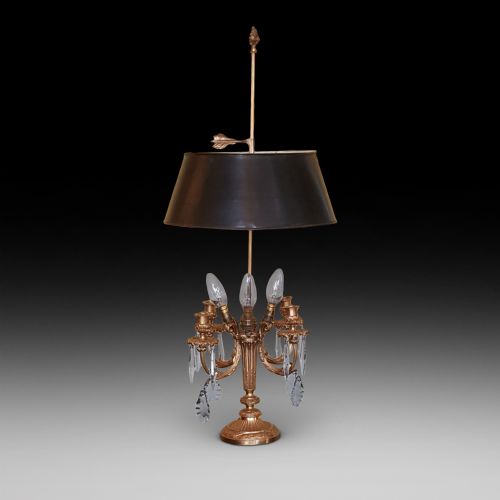
You will encounter table lamps, wall lights, standard lamps, and candlesticks converted or built for illumination. Many originate from French traditions, spanning Rococo Revival, Neoclassical, and Empire styles.
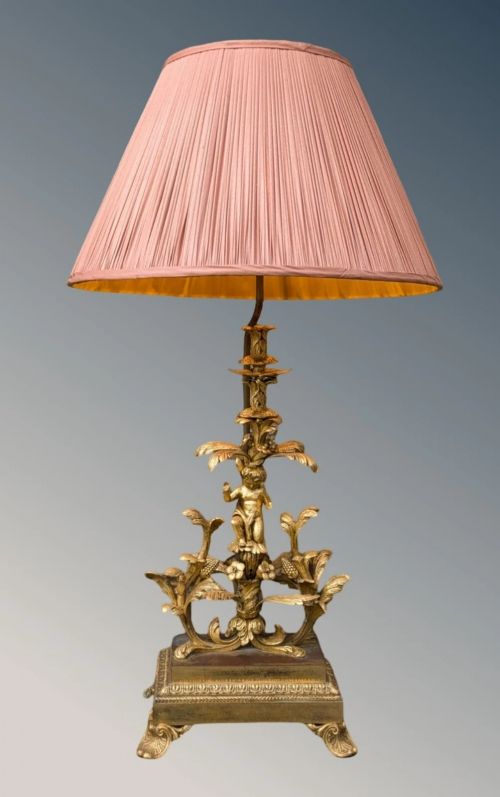
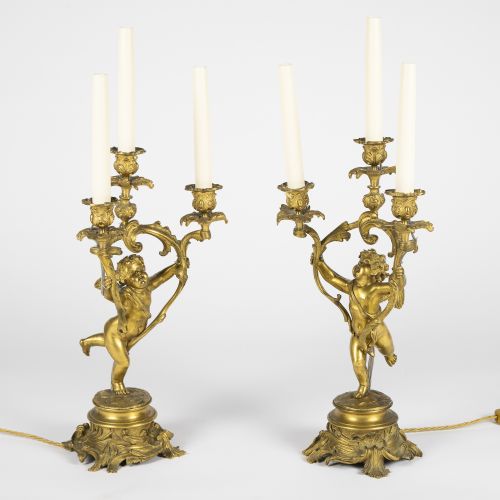
The dominant forms rely on multi-arm branches and sculptural figures like cherubs and putti. These items serve as focal points on side tables, mantels, or large living spaces.
How they were made
The primary construction relies on cast metals, specifically ormolu, gilt bronze, brass, and patinated bronze. Workshops utilised mercury gilding or modern electroplating to achieve the characteristic golden surface of ormolu.
Secondary materials like marble provide heavy, stable bases for slender stems and candelabra branches. Fabric and silk shades appear on lamp conversions, softening the directional glow from the bulbs above.
Cherubs and putti frequently dangle from the branches, overseeing your reading nook with permanent bronze serenity.
What varies in quality
The crispness of the chased detail on the bronze and brass defines the upper tier of these objects. Sharply rendered facial expressions on cherubs and deeply cut acanthus leaves indicate superior craftsmanship.
Weight and stability also separate standard pieces from monumental examples. Solid marble plinths and thick-gauge metal castings ensure longevity and balance across multi-arm branches.
Thomas Messenger
The Ormolu Candelabra Lamp Glossary
- Ormolu
- Gilded bronze produced by applying a gold-mercury amalgum to a base metal. This historic technique creates a rich, warm yellow lustre.
- Patinated bronze
- Darkened or chemically treated bronze surface used to contrast against bright gilt ormolu highlights. It adds visual depth to figural elements.
- Candelabrum
- A multi-branched lighting device designed to hold several candles or electrical equivalents. Pairs often flank mirrors or fireplaces.
- Neoclassical
- A design style inspired by classical Greece and Rome, featuring symmetry, urns, and restrained classical motifs. It dominates many nineteenth-century French pieces.
- Rococo Revival
- An ornate nineteenth-century style characterised by asymmetrical scrolls, naturalistic foliage, and shell motifs. It produces exuberant, curved lamp silhouettes.
Ormolu Candelabra Lamp: Frequently Asked Questions
Are these lamps converted from old candelabra?
Many examples began life as candle-burning candelabra before receiving modern electrical wiring at a later date. This conversion process allows historic metalwork to function safely in contemporary rooms.
Evidence in the archive shows both dedicated lamp structures and adaptable candlesticks fitted for electrical cords. The conversion preserves the decorative branches while accommodating standard bulbs.
How do I clean gilt bronze and ormolu?
Dusting with a soft, dry brush prevents dirt from settling into the recessed chased details of the metal. Avoid harsh commercial metal polishes that can strip the delicate gold surface layer.
Gentle care preserves the original patination and the integrity of the mercury gilding. Moisture should be kept away from any fabric shades and electrical components.
Where should I place a standard lamp?
Standard lamps with multi-arm branches work well in corners or beside heavy furniture where they provide height and ambient light. Their substantial bases require sturdy flooring and adequate clearance from foot traffic.
Pairing them with matching wall lights creates a cohesive lighting scheme within a room. The vertical presence draws the eye upward toward architectural details.
How do I identify French Empire style?
French Empire pieces display martial motifs, classical symmetry, and restrained parcel-gilt bronze surfaces. They reflect the aesthetic tastes prevalent during the early nineteenth century.
Look for crisp casting, laurel wreaths, and clean architectural lines rather than the flowing curves of Rococo Revival. These items project a formal, monumental presence.