


Antique French Candelabrum Lamp
An antique french candelabrum lamp brings heavy cast metalwork and branching crystal directly into a room as practical illumination.
Antique French Candelabrum Lamp
An antique french candelabrum lamp combines multi-branched candle holders with electrical fittings, appearing across nineteenth-century styles such as Empire, Rococo Revival, and Neoclassical.
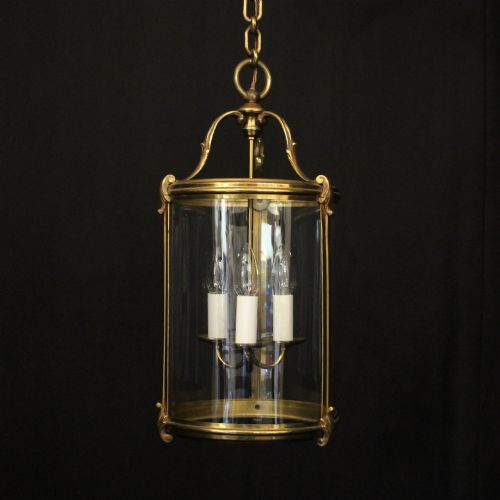
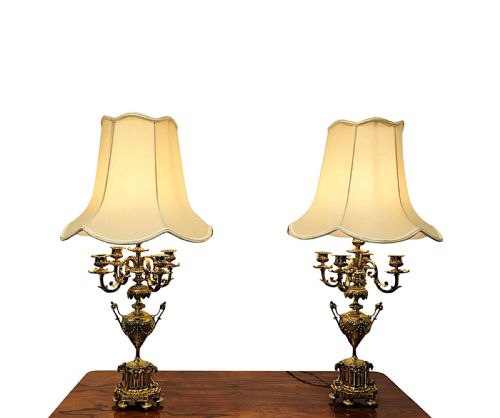
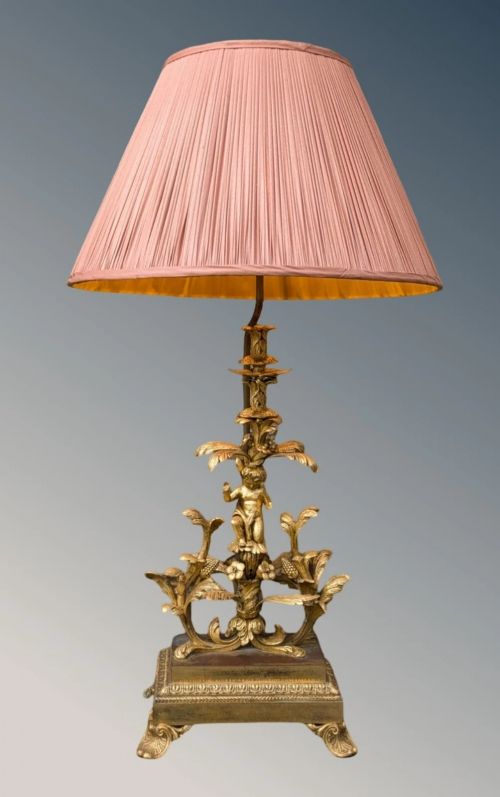
Buyers meet forms ranging from paired gilt bronze torchères featuring cherubs and putti to multi-light brass structures hung with crystal drops.
The selections span from the mid nineteenth century through the nineteen thirties, encompassing table lamps, floor standards, and converted candelabra.
Materials and construction methods
Pieces utilise cast metals including brass, bronze, patinated bronze, and ormolu, often finished with gilt or silver coatings.
Casting is frequently paired with cut crystal or glass drops and prisms, alongside fabric components for shade elements.
Makers integrated electrical wiring into existing metal candle branches during conversions, mounting figures and arms onto solid bases.
Numerous nineteenth-century bronzes double as miniature stages for heavy-handed cherubs awkwardly balancing multiple brass candle branches.
Distinctions in manufacture and design
The standard of chasing and casting on bronze and ormolu figures separates fine sculptural work from simpler commercial metalware.
The weight of the metal base, the clarity of the crystal components, and the complexity of multi-branch arms dictate the overall execution.
François Christophe Armand Toussaint
The Antique French Candelabrum Lamp Glossary
- Ormolu
- A gilded bronze technique used extensively for decorative mounts on nineteenth-century French lighting. It involves applying a mercury and gold amalgam to bronze before heating.
- Torchère
- A tall ornamental stand or candelabrum designed to hold lights. These frequently take the form of figural bronze standards.
- Girandole
- An ornamental branched candlestick or candelabrum often fitted with hanging crystal prisms. They appear frequently in table lamp and wall light formats.
- Patinated bronze
- Bronze that has been treated with chemical solutions to produce a darkened surface colour. This finish contrasts against bright gilt metal highlights.
Antique French Candelabrum Lamp: Frequently Asked Questions
What is an antique french candelabrum lamp?
These pieces are lighting fixtures created by adapting traditional multi-armed French candle holders for electricity. They incorporate cast metals and crystal elements.
Most examples originate from the nineteenth century or the early decades of the twentieth century, reflecting styles like Empire and Rococo Revival.
How do you clean crystal drops?
Crystal prisms and drops are best washed by hand using warm water and a mild soap solution. Each piece should be dried with a lint-free cloth before reattachment.
Harsh chemical cleaners can damage the original metal fixings or strip finishes from the surrounding brass and ormolu frames.
Where should you place them?
Table lamps and smaller candelabra suit sideboards, side tables, and desks where their detailed metalwork remains visible. Larger floor standards require open spaces.
Placing them away from direct sunlight protects fabric elements and prevents fading on gilded and patinated bronze surfaces.
How are periods identified?
Stylistic indicators such as Neoclassical symmetry or Rococo curves help narrow down the date of manufacture. Heavier cast bronze often points to the nineteenth century.
Later pieces from the nineteen twenties and thirties tend to feature lighter brass construction alongside integrated crystal and glass components.