


Antique Purdonium Box
An antique purdonium box is a specialised fireside fuel cabinet designed to store coal near the hearth while keeping domestic spaces clean.

Antique Purdonium Box
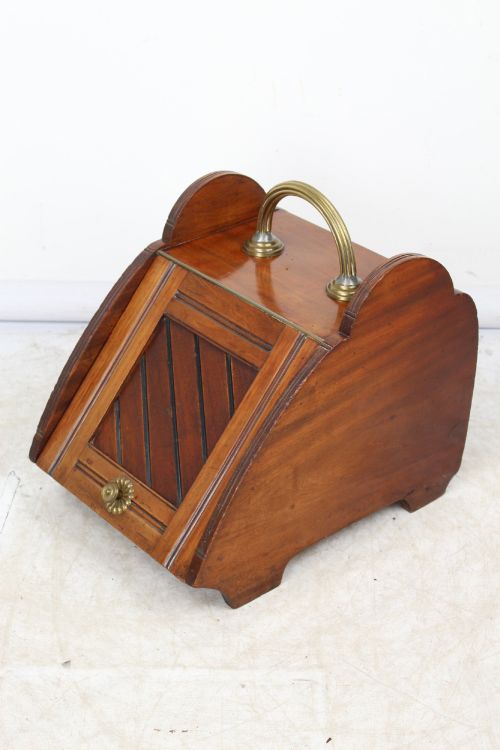
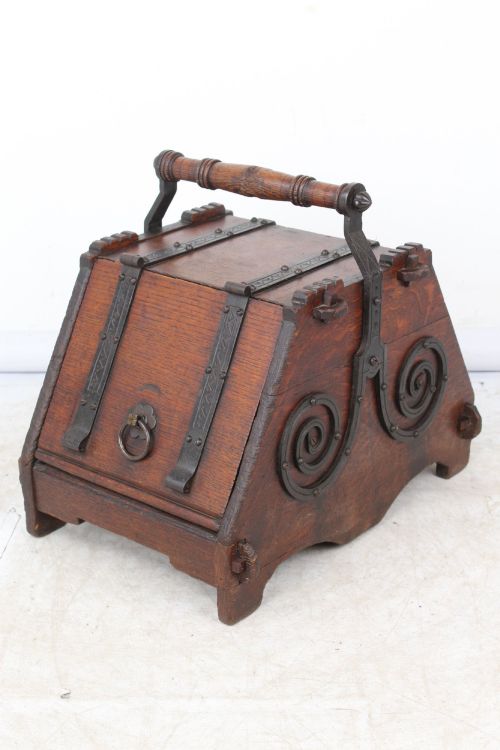
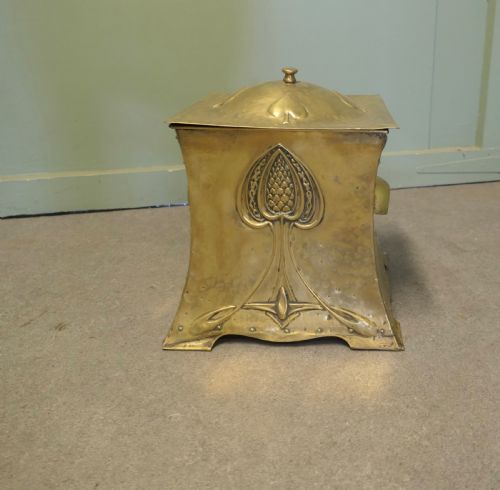
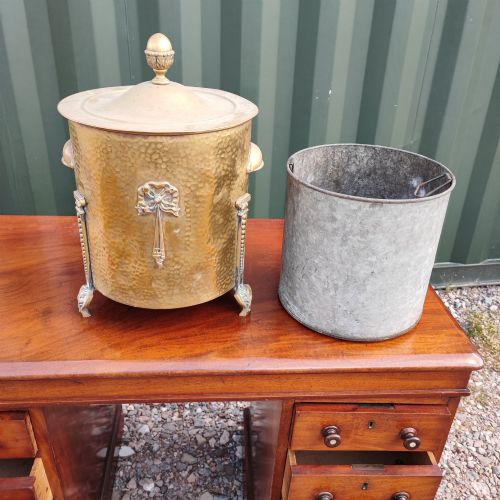
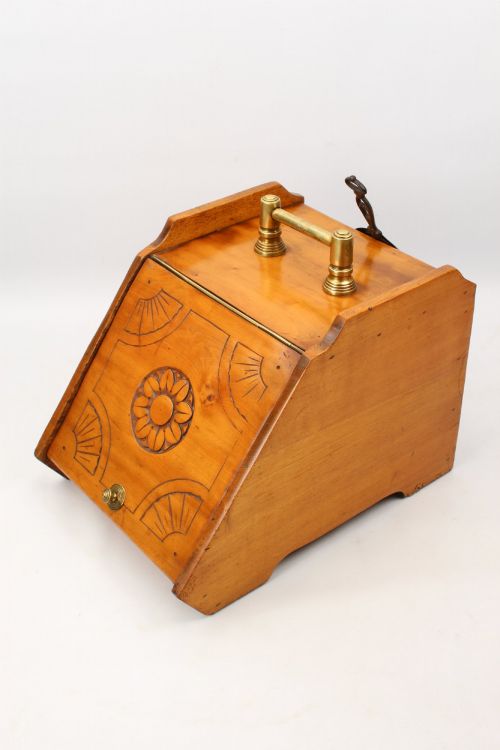
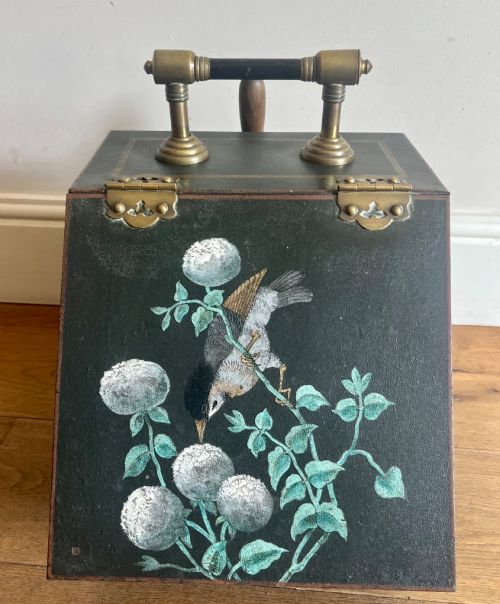
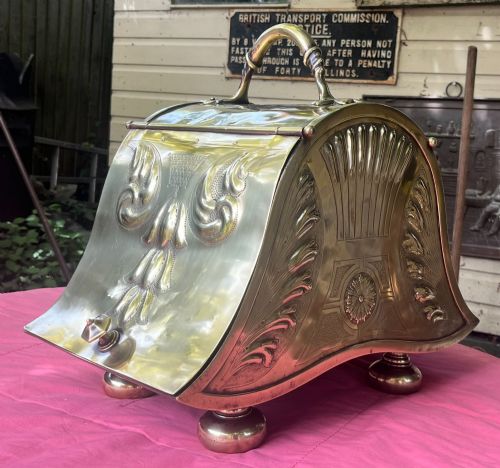
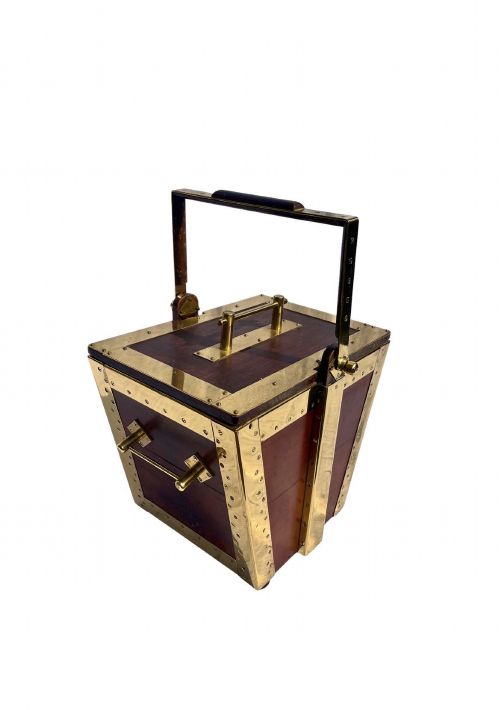
When you search for an antique purdonium box, you encounter dedicated coal storage containers and cabinets that became essential domestic furniture during the Victorian and Edwardian eras. These pieces range from slanted wooden scuttles with drop-front lids to upright freestanding cabinets fitted with internal metal liners.
How they were made
Cabinetmakers constructed these fuel containers primarily using solid and veneered hardwoods like oak, walnut and mahogany, alongside turned or pressed sheet metals including brass, copper and iron. Timber panels often received decorative carving, marquetry inlay or ormolu mounts to match contemporary domestic interiors.
Functional design dictated construction, meaning interior galvanised or metal liners were integrated to contain coal dust and moisture while protecting the surrounding wooden structure. Drop-down fronts and slanted lids allowed fuel to be shovelled out easily without spilling debris onto hearth rugs.
Stylistic influences on this site include Arts and Crafts, Art Nouveau, Gothic Revival and Aesthetic Movement designs.
What varies in quality
The standard of materials and complexity of cabinetwork determine the distinction between basic utility models and finer decorative pieces. Examples featuring dense timbers, crisp carved detailing, intricate marquetry inlay or substantial brass mounts occupy the upper tier of the range.
The survival of original internal metal liners and matching shovels elevates the integrity of a piece. Finer items also demonstrate superior joinery, balanced proportions and thoughtful integration of stylistic movements like Arts and Crafts or Art Nouveau.
Benham and Froud
The Antique Purdonium Box Glossary
- Purdonium
- A specialised cabinet or box designed specifically for storing household coal near a fireplace. It typically includes a hinged or drop-down front and an internal metal liner.
- Coal scuttle
- A bucket or container used for carrying and holding coal. Victorian versions often featured a slanted opening and a sturdy carrying handle.
- Tole ware
- Lacquered or enamelled metal objects, often made of tinplate. Unusual examples appear as decorated coal containers.
- Ormolu
- Gilded bronze or brass applied as decorative mounts to furniture. These metallic details enhanced the visual appeal of high-status fireside cabinets.
- Marquetry
- Decorative woodwork where pieces of veneer are fitted together to form geometric or floral patterns. This technique frequently embellished the lids of walnut and mahogany coal boxes.
Antique Purdonium Box: Frequently Asked Questions
What is a purdonium box?
A purdonium is a Victorian or Edwardian piece of furniture created to hold coal cleanly beside a fireplace. It typically takes the form of a lidded box or small cabinet.
Inside, these containers usually feature a removable metal liner that catches dirt and makes refuelling straightforward without scattering dust across the room.
How were they used?
These boxes sat by the hearth to keep a supply of coal close at hand for open fires. Users opened the slanted lid or drop-front to shovel fuel directly into the grate.
Many came equipped with a dedicated interior compartment or side brackets to store a matching brass or iron coal shovel.
How do I date an antique purdonium?
Dating relies on timber choices, construction methods and prevailing decorative styles. Earlier Georgian and Regency iterations lean towards robust plain timber, while Victorian pieces often showcase heavy brass mounts or walnut veneers.
Edwardian examples frequently display Art Nouveau or Arts and Crafts influences, utilising carved oak and stylised metalwork fittings.
Can they store logs instead of coal?
Many examples function well for logs and kindling, often appearing in historical records as log bins or bunkers. Their robust wooden construction and metal linings make them suitable for holding firewood.
When using them for logs, checking the internal dimensions ensures the fuel length fits comfortably within the cabinet.