







Antique Privacy Divider
An antique privacy divider transforms a room with folding panels of wood, leather, or lacquer that shape space.
Antique Privacy Divider
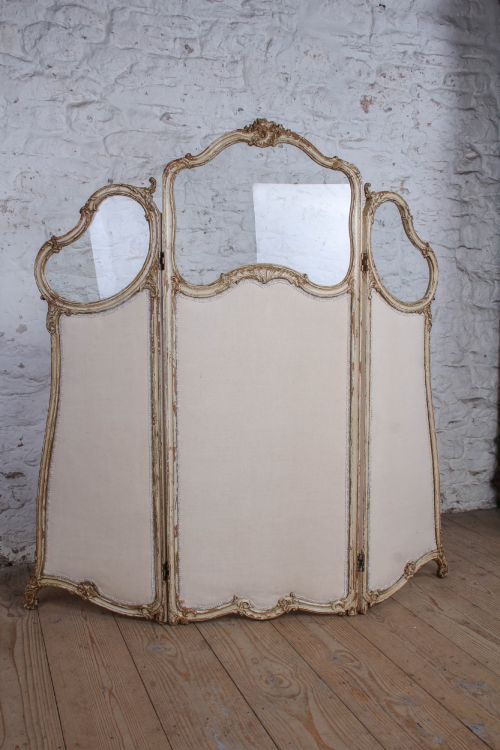
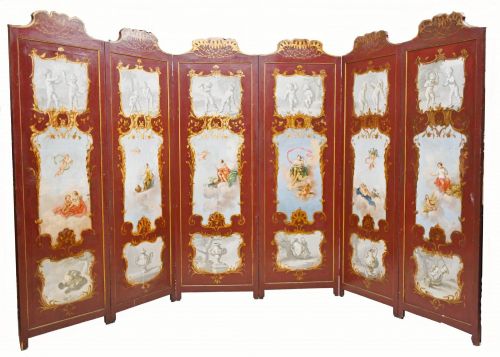
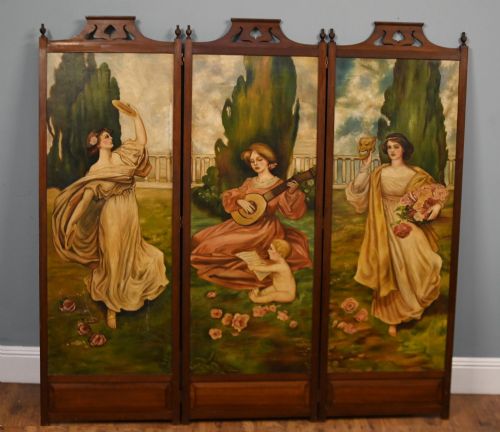
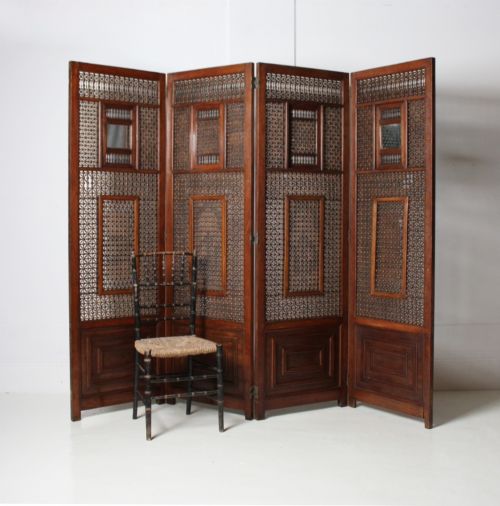
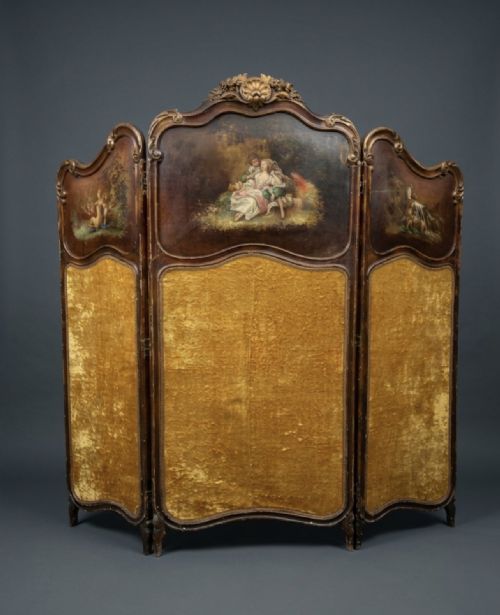
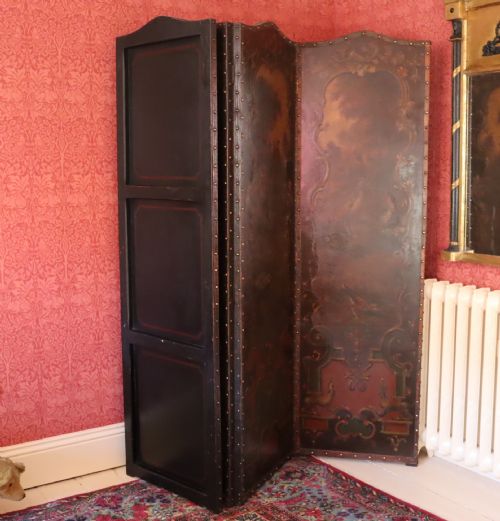
Every antique privacy divider serves to partition a room or create a secluded dressing area using hinged panels. These objects appear in forms such as folding screens, room dividers, and dressing screens spanning periods from the eighteenth century through the early twentieth century.
The selection ranges from tall country-house canvas screens to modest vanity panels and intricate mashrabiya partitions. Each piece reflects the aesthetic of its period, whether Victorian, Regency, Edwardian, or Chinese Chippendale.
Materials and construction
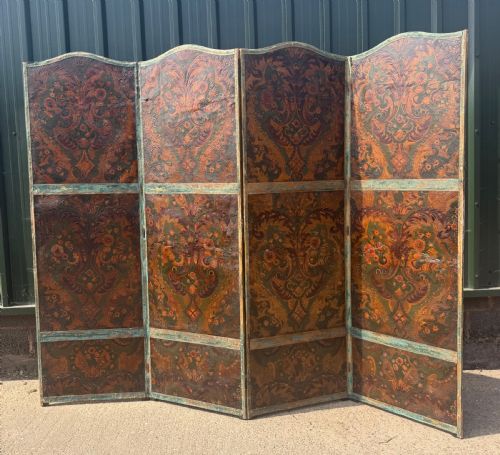
Carpenters utilised woods like mahogany, oak, walnut, and ebonised hardwood to build sturdy multi-fold frames. These structural elements support panels of canvas, leather, silk cotton, glass, or paper mâché.
Surface ornamentation relies on hand painting, polychrome decoration, oil paint, and gilt embossing. Artisans applied lacquer, carved bone figures, mounted hardstones, and stitched needlepoint to create intricate visual detail across the panels.
Antique Privacy Divider Retail Price Guide 2026
Typical asking prices for privacy divider among the pieces listed under this phrase on Sellingantiques today, from the lower quarter to the upper quarter. They describe what is for sale here now, not the wider market.
One unexpected piece served as an Eton College debating and political society screen.
Assessing craftsmanship
Quality rests upon the execution of the surface artwork and the stability of the framing woodwork. Finer pieces display meticulous hand-painted details, deep carving in bone or wood, and expertly tooled leather panels.
The integrity of the hinges and the precise alignment of multiple folds distinguish superior examples. Construction using durable hardwoods and well-preserved lacquering indicates higher standards of period manufacture.
The Antique Privacy Divider Glossary
- Mashrabiya
- A traditional wooden oriel window or architectural screen formed of turned wooden elements. It filters light and provides ventilation while maintaining privacy.
- Coromandel
- A type of Chinese incised lacquerware featuring dark wood coated in multiple layers of lacquer. Artisans carve into the surface and colour the recessed designs.
- Chinoiserie
- European decorative art influenced by Chinese styles and motifs. It appears on lacquer screens and painted panels depicting oriental scenes.
- Needlepoint
- A type of canvas work embroidery stitched with yarn. It provides textured pictorial panels for Victorian and Regency screens.
- Papier mâché
- A composite material made from paper pulp reinforced with glue or resin. It forms lightweight yet firm panels suitable for detailed surface decoration.
Antique Privacy Divider: Frequently Asked Questions
How do I place a room divider?
Position the folding panels on level flooring to ensure each hinge bears weight evenly without straining the joints.
Angle the outer folds to keep the screen stable and create a designated alcove or partition within the room.
How were these screens used originally?
Households utilised these movable panels to shield occupants from drafts near doors and windows.
They also served to partition large living spaces or create private dressing areas in bedrooms.
How do I care for leather panels?
Keep painted and tooled leather surfaces away from direct sunlight to prevent drying and cracking.
Dust the panels gently with a dry cloth and avoid using liquid cleaners on aged finishes.
Can I distinguish between periods?
Examine the timber frame, hardware, and decorative motifs to identify the era of manufacture.
Regency and Victorian pieces display distinct stylistic characteristics such as needlepoint inserts or giltwood frames that align with known design periods.