


Antique Prayer Mat
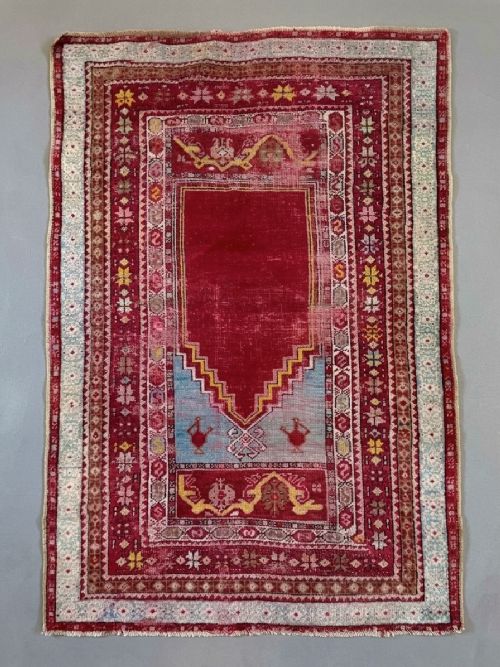
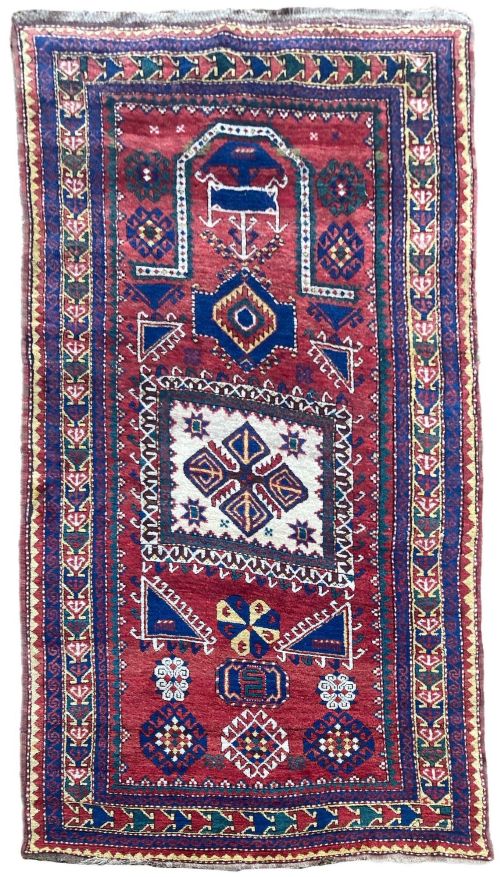
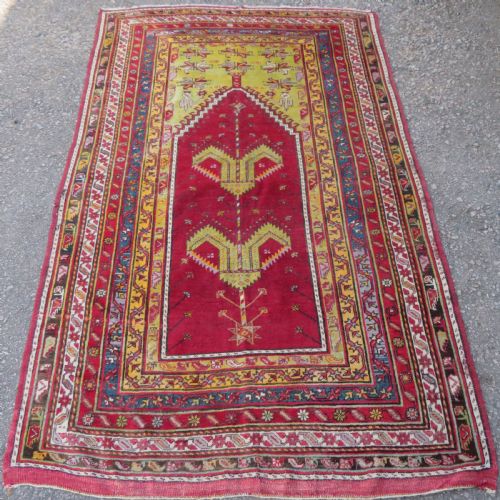
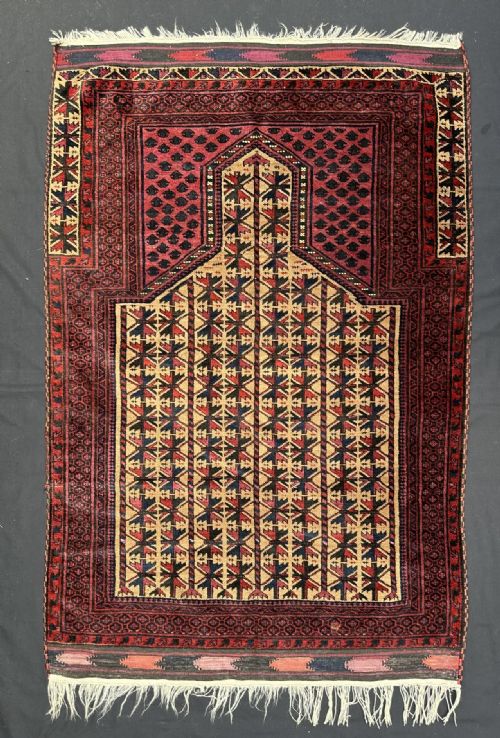
An antique prayer mat is a woven textile featuring a mihrab design, made for ritual devotion across nomadic and village communities.
Antique Prayer Mat
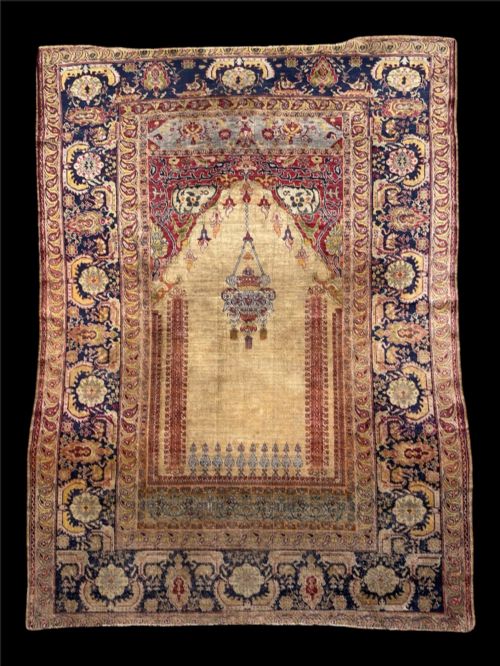
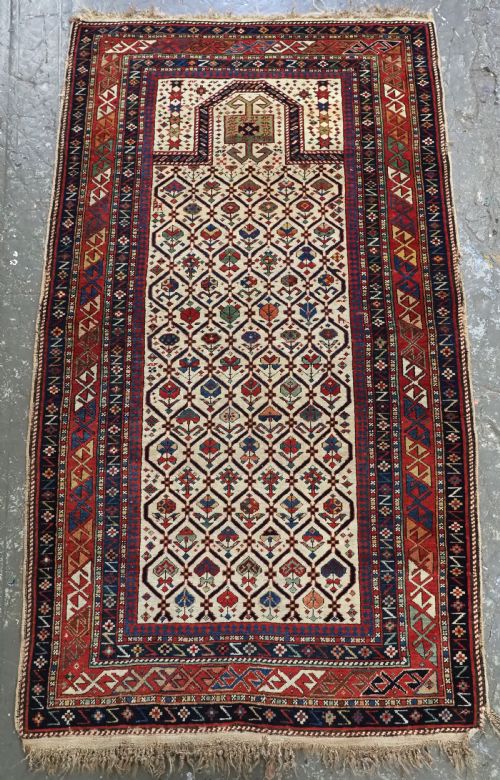
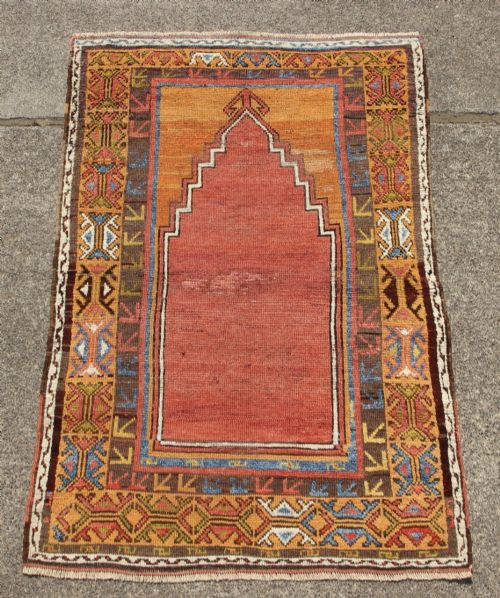
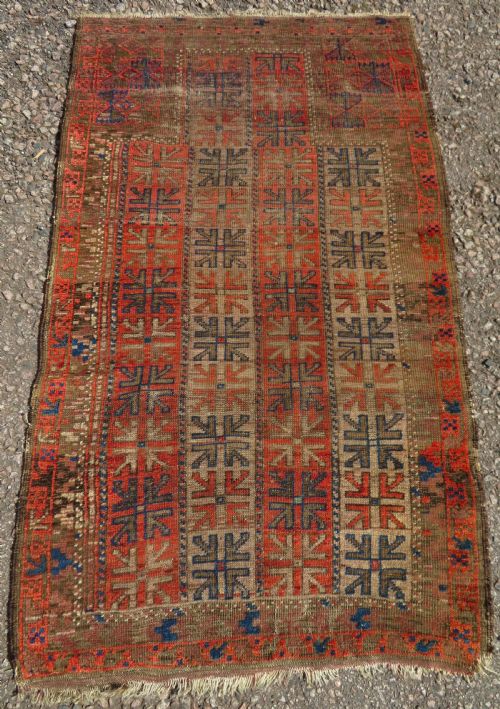
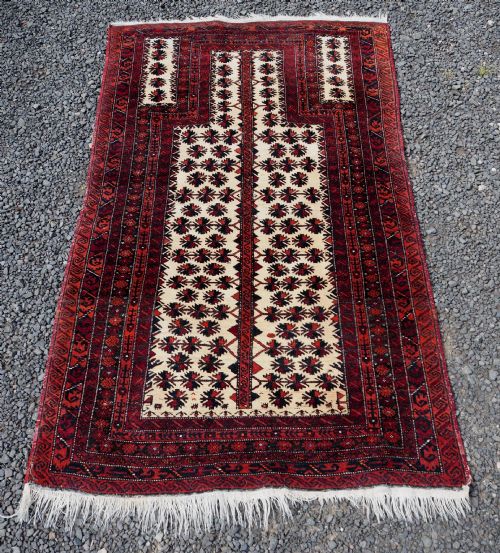
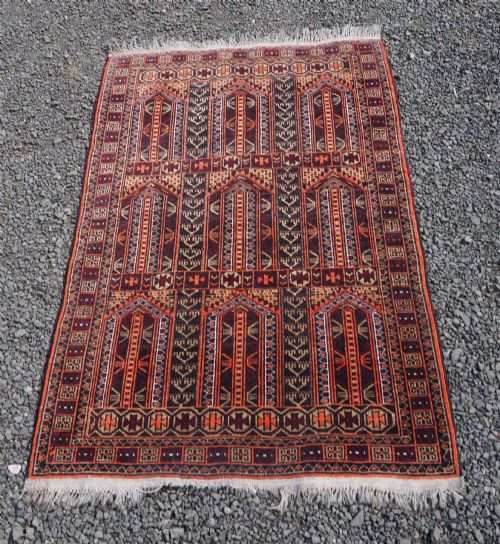
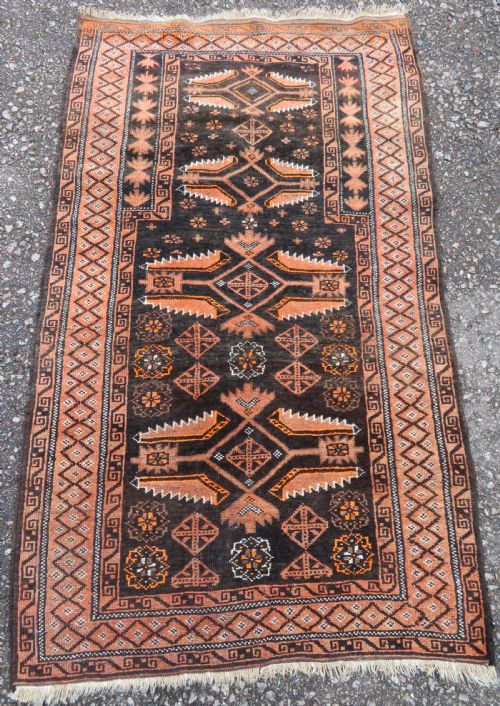
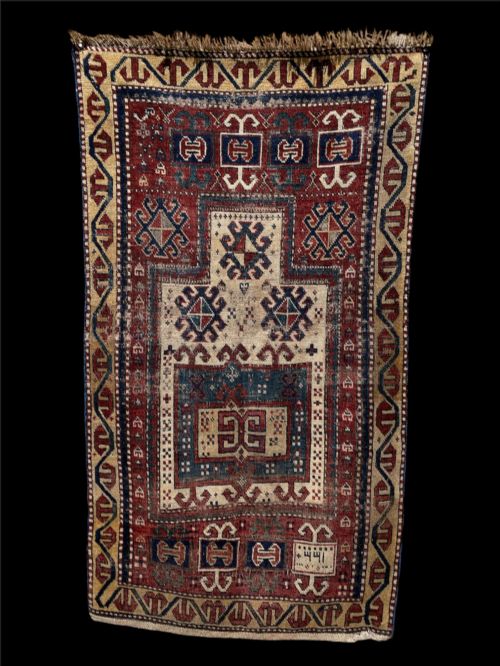
When you search for an antique prayer mat, you encounter hand-knotted woolen rugs created in village and nomadic traditions from the late nineteenth century into the early twentieth century. These pieces encompass regional expressions from Persian tribal weavers, Caucasian workshops, traditional Anatolian centres, and Turkmen groups.
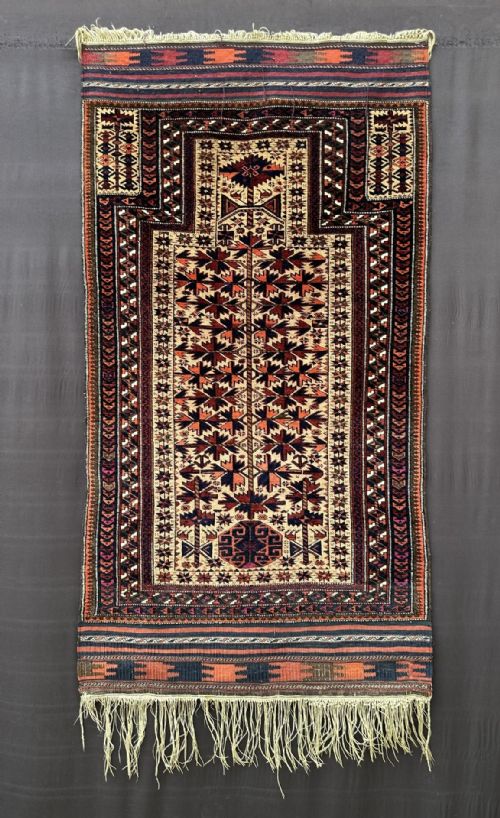
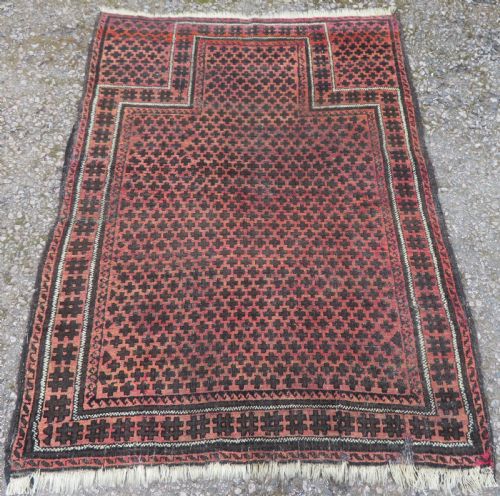
The defining characteristic of these rugs is the mihrab, a pointed arch motif that orientates the textile towards Mecca during daily prayers. The selection includes specific regional variants such as the Marasali style from the Caucasus, Bergama village pieces from West Anatolia, Baluch rugs featuring single or multiple mihrabs, and Kizil Ayak Turkmen examples displaying rams horn motifs.
How they were made
These textiles are constructed entirely from wool, utilising hand-knotted pile techniques executed on upright or horizontal looms by village and nomadic weavers. The materials reflect pastoral economies where sheep's wool provided both the structural foundation and the soft surface pile.
Weavers employed traditional dyeing and knotting methods passed down through generations, creating durable floor coverings designed for portability and frequent use. The resulting structures show the dense, resilient handling characteristic of tribal manufacture from regions including Afghanistan, Persia, Anatolia, and the Caucasus.
Antique Prayer Mat Retail Price Guide 2026
Typical asking prices for prayer mat among the pieces listed under this phrase on Sellingantiques today, from the lower quarter to the upper quarter. They describe what is for sale here now, not the wider market.
Listings span four decades from 1880 to 1930, utilising wool materials across Persian tribal, Caucasian, Anatolian, and Turkmen styles.
What varies in quality
Quality in these textiles rests upon the precision of the knotting and the crispness of the architectural mihrab design. Stronger pieces display clear geometric or floral motifs and balanced proportions across the blue or patterned grounds.
The sophistication of the tribal patterns, from repeat leaf designs to complex rams horn mihrabs, distinguishes standard village production from finer examples. The integrity of the wool pile and the retention of original edges further separate the output of different weaving groups.
The Antique Prayer Mat Glossary
- Mihrab
- The arched niche design at one end of a prayer rug that indicates the direction of prayer. This architectural motif forms the focal point of the textile.
- Pile
- The cut wool surface of the rug formed by individual knots tied to the warp threads. It provides the texture and colour depth of the textile.
- Warp
- The vertical foundation threads running the length of the rug through the fringes. Weft threads are interlaced across these to secure the knots.
- Baluch
- A tribal weaving group originating from the borderlands of Persia and Afghanistan. Their rugs typically employ deep blue grounds and geometric motifs.
- Marasali
- A specific style of Caucasian weaving known for structured designs and crisp execution. These pieces originate from the eastern Caucasus region.
Antique Prayer Mat: Frequently Asked Questions
What is a mihrab?
The mihrab is the pointed arch motif woven into one end of the rug to indicate the direction of Mecca.
This architectural feature defines the textile's ritual purpose and orients the user during prayer.
Where were these rugs made?
These textiles were produced by nomadic and village weavers across Persia, the Caucasus, Anatolia, and Turkmenistan.
Each region developed distinct tribal patterns, colour palettes, and knotting techniques rooted in local tradition.
How do I care for wool rugs?
Wool pile textiles require gentle vacuuming without a rotating brush to protect the delicate antique fibres.
Professional cleaning suited to historic textiles helps preserve the integrity of the wool and dyes over time.
How are different tribal styles identified?
Regional types are distinguished by specific motifs such as rams horn arches, repeat leaf patterns, or particular structural materials.
Comparing the border arrangements and colour combinations helps attribute pieces to groups like the Baluch or Turkmen.