




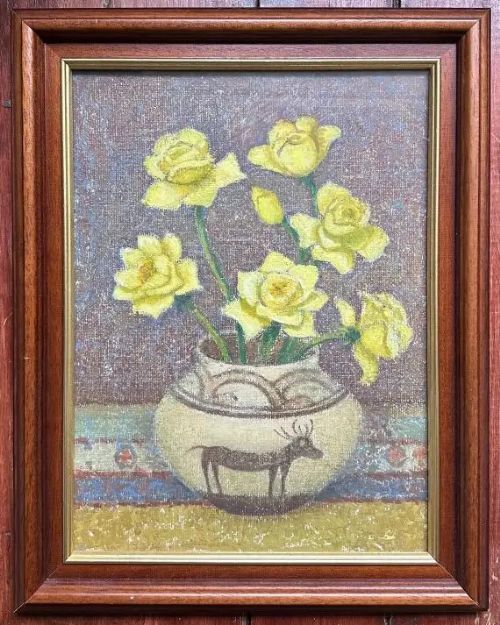
Antique Pottery Flower Vase
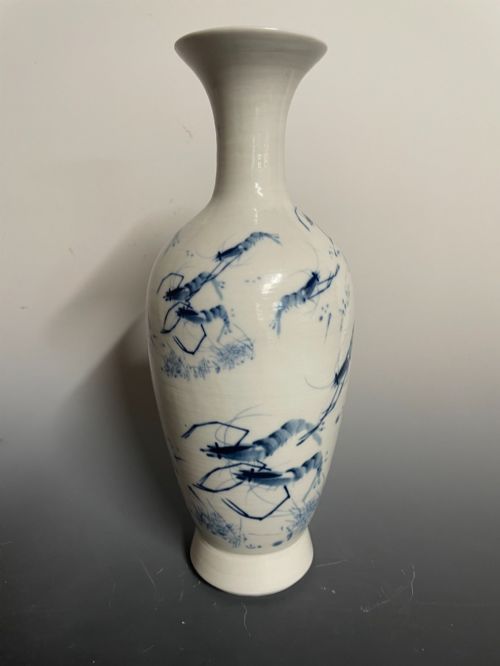
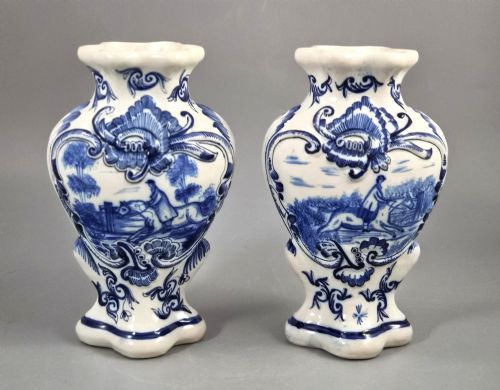
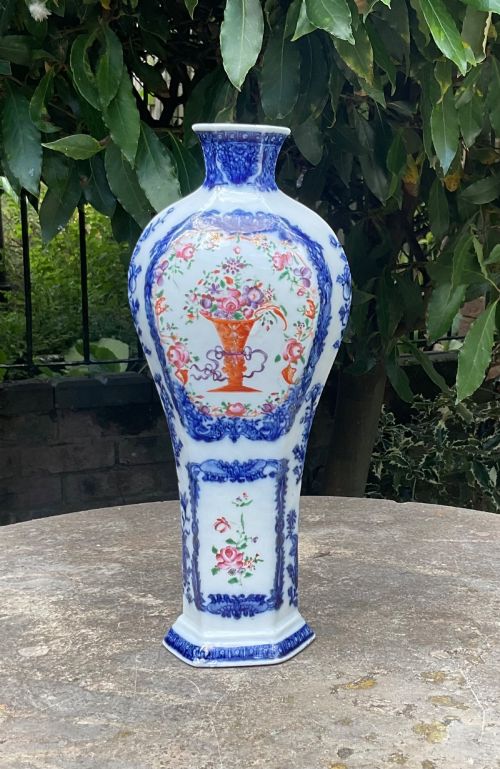
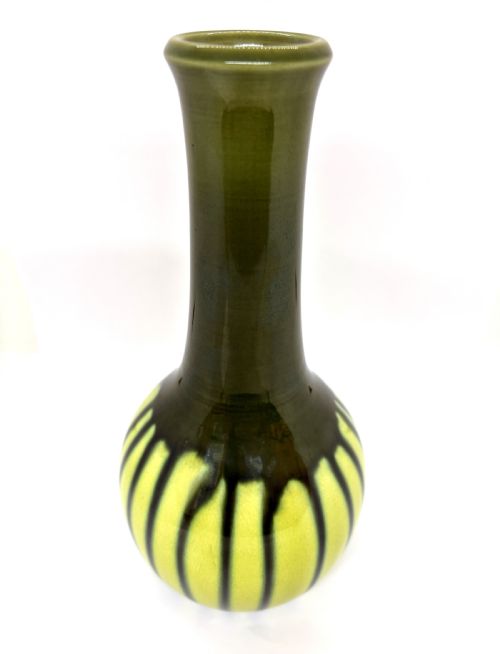
These antique pottery flower vase examples bring tactile weight and historic colour to a room, spanning studio earthenware and export porcelain.
Antique Pottery Flower Vase
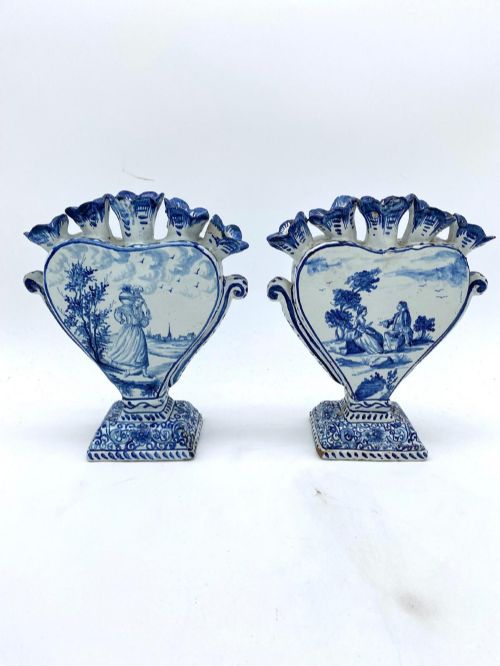
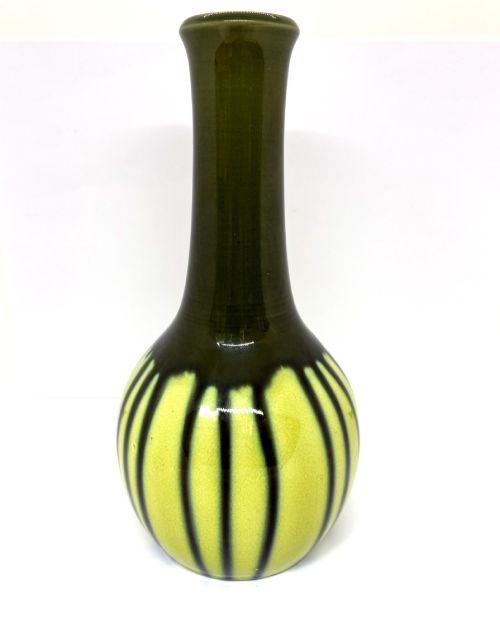
An antique pottery flower vase serves as a vessel for display and arrangement, taking forms from simple baluster shapes to elaborate hexagonal profiles and garlic head silhouettes. The items gathered under the search phrase antique pottery flower vase span European art pottery, English stoneware, and East Asian export wares.
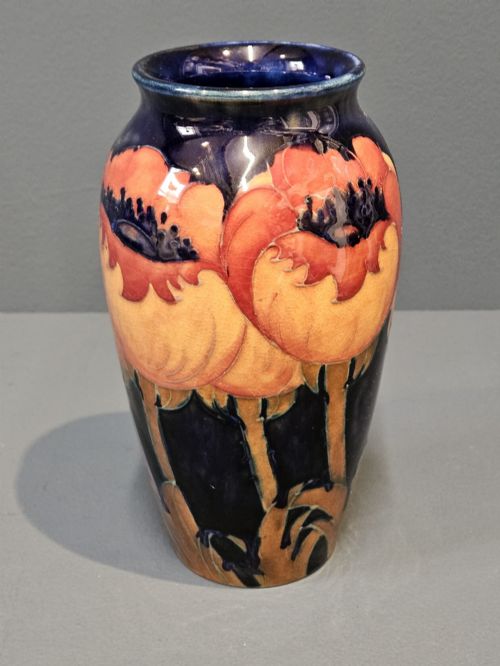
Buyers meet pieces stretching from the eighteenth century through the Victorian era into the Art Nouveau and Art Deco periods. English salt-glazed stoneware, Moorcroft tube-lined earthenware, and Japanese Satsuma earthenware appear frequently across the selection.
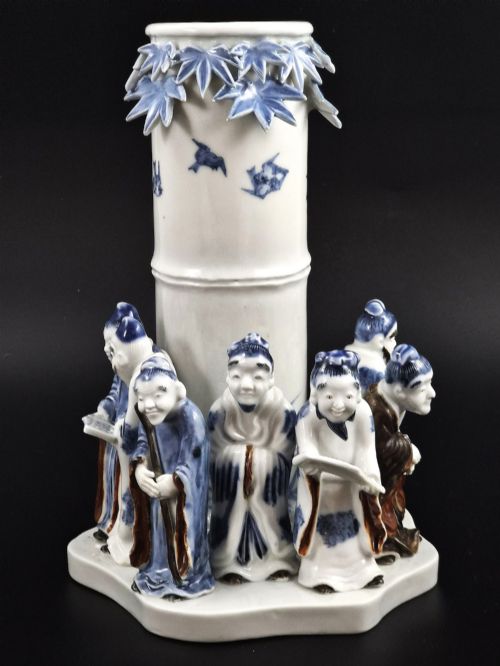
Origins range across English potteries, French faience workshops, Italian majolica kilns, and Japanese Meiji period kilns. Each regional tradition brings distinct decorative vocabularies, from blue and white Chinoiserie to vibrant floral tube-lining.
Materials and construction
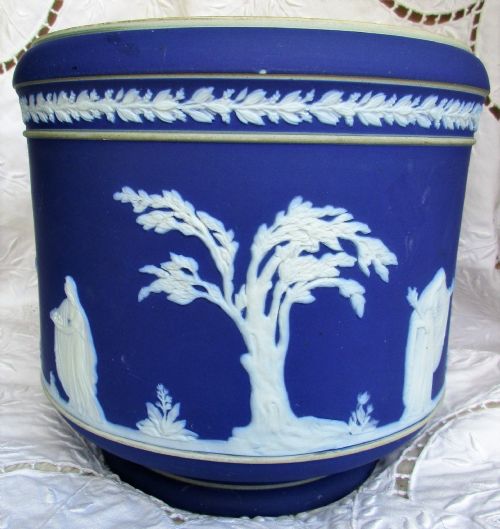
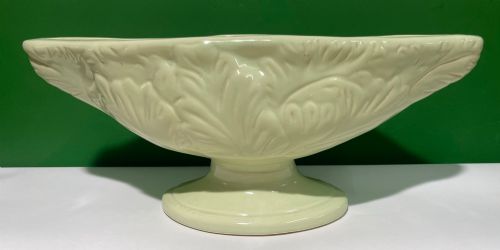
Potters shaped these vessels using earthenware, porcelain, and stoneware bodies, often finished with coloured glaze or enamel paint. Artisans applied tin glazes to European faience and majolica, whilst English makers utilised dense salt-glazed stoneware.
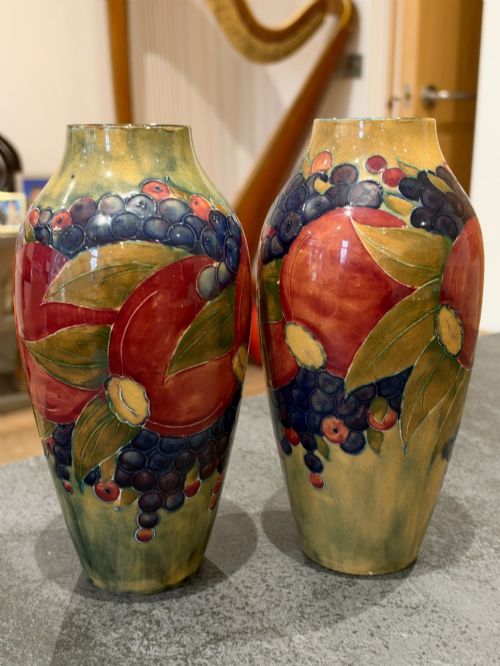
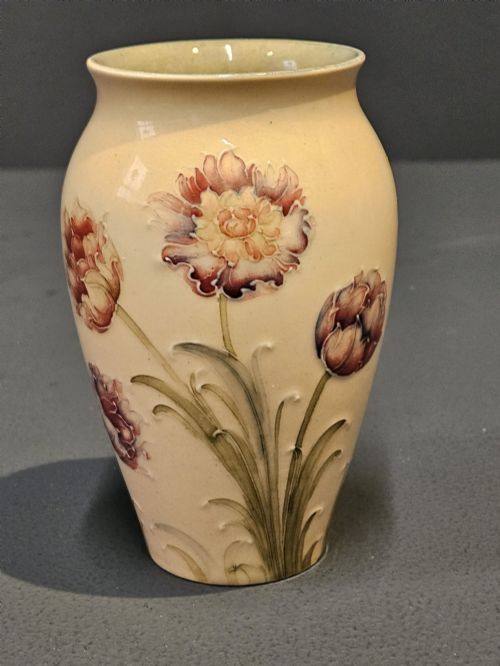
Decoration methods include hand-painted pigments, raised enamel work, and tube-lining where clay slip creates raised outlines to hold vibrant glazes. Certain pieces incorporate gold leaf highlights or delicate iron-red motifs over white ceramic grounds.
Antique Pottery Flower Vase Retail Price Guide 2026
Typical asking prices for pottery flower vase among the pieces listed under this phrase on Sellingantiques today, from the lower quarter to the upper quarter. They describe what is for sale here now, not the wider market.
Victorian households often used garlic head vases to ward off airborne illnesses, transforming pungent superstition into delicate mantelpiece decor.
Judging quality in ceramic vessels
Quality rests in the crispness of the moulded or thrown form and the control shown in hand-painted or enamel decoration. Finer examples display precise brushwork, balanced proportions, and even glaze coverage without distracting kiln flaws.
Maker attribution and documented workshop origins elevate a piece, particularly when combined with signed artist ciphers or clear impressed factory marks. The depth of colour and complexity of patterns, such as dense millefleurs or intricate tube-lined floral designs, set superior vessels apart.
Moorcroft·Royal Doulton·Doulton Lambeth·Kinkōzan Workshop·Charlotte Rhead·Ernst Wahliss
The Antique Pottery Flower Vase Glossary
- Earthenware
- A porous ceramic body fired at lower temperatures, typically requiring a glaze to hold water. It forms the base for much traditional European pottery and majolica.
- Stoneware
- A dense, impermeable ceramic fired at high temperatures until vitrified. English makers utilised this robust material for salt-glazed and impressed decorative vessels.
- Tube-lining
- A decorative technique where liquid clay is squeezed through a nozzle onto a ceramic body to form raised outlines. This method separates many fine twentieth-century English art pottery pieces.
- Majolica
- A type of earthenware coated with a tin-opacified glaze and painted with metallic oxide colours. Italian and European kilns produced these vibrantly hued display pieces.
- Faience
- European tin-glazed earthenware, particularly associated with French and Dutch traditions. It provides a smooth white ground for painted blue and polychrome designs.
Antique Pottery Flower Vase: Frequently Asked Questions
How do I clean an antique vase?
Dust gently with a dry, soft cloth to protect vulnerable glazes and enamel decoration. Avoid submerging porous earthenware or pieces with delicate gold leaf in water.
For glazed interiors used for display, wipe with a damp cloth rather than running under taps. Harsh chemical cleaners strip historic finishes and damage fragile ceramic bodies.
Can these vases hold water safely?
Stoneware and fully glazed porcelain vessels generally hold water without issue. Porous earthenware and antique faience can seep moisture through micro-fissures in the glaze over time.
Protect interior surfaces and wooden furniture by placing a small glass or plastic liner inside historic vessels. This preserves the dry ceramic body whilst allowing fresh flower displays.
What does majolica mean?
Majolica describes tin-glazed earthenware decorated with brightly coloured metallic oxide paints. This tradition spans Italian Renaissance roots through to Victorian revival output.
The opaque white glaze provides a smooth background that makes greens, blues, and yellows appear exceptionally vivid. Pieces often feature moulded plant or animal motifs.
How do I identify Art Nouveau pottery?
Art Nouveau ceramics display organic flowing lines, stylised plant motifs, and iridescent lustre glazes. Makers embraced asymmetrical forms inspired by natural growth and insect wings.
Look for smooth transitions, whiplash curves, and naturalistic colour palettes. European manufactories translated these fluid botanical themes into glazed stoneware and earthenware.