


Antique Portraiture Art
Antique portraiture art spans centuries of painted and printed likenesses, offering collectors a direct link to historical sitters through oil on canvas, pastel, and mezzotint.
Antique Portraiture Art
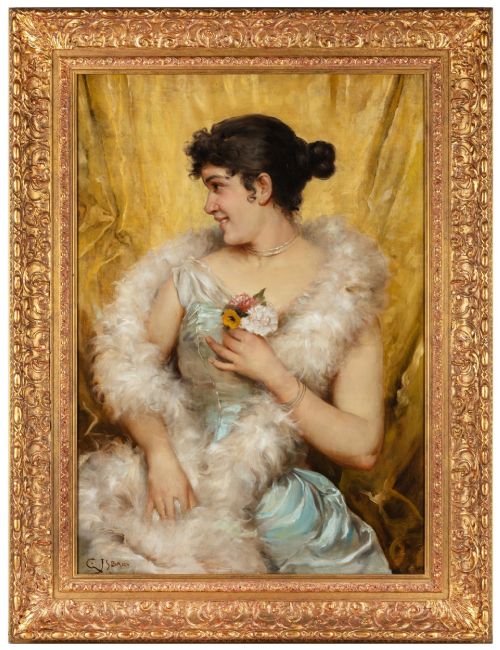
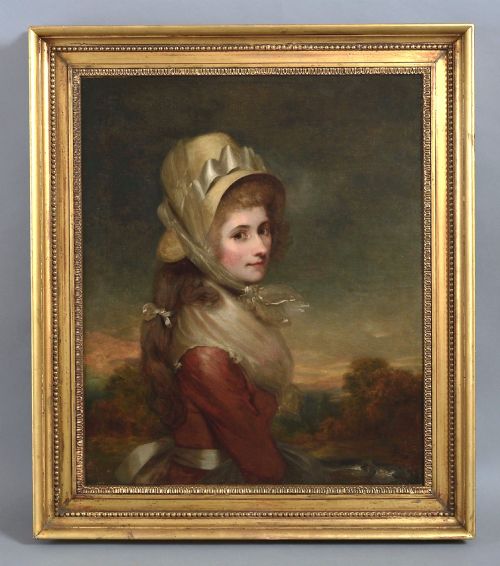
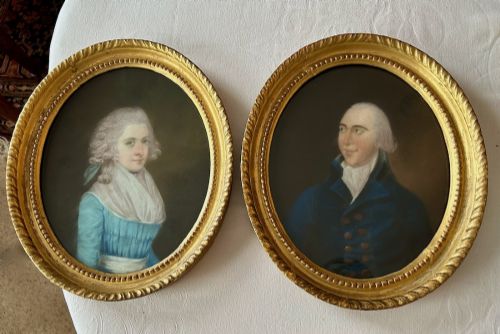
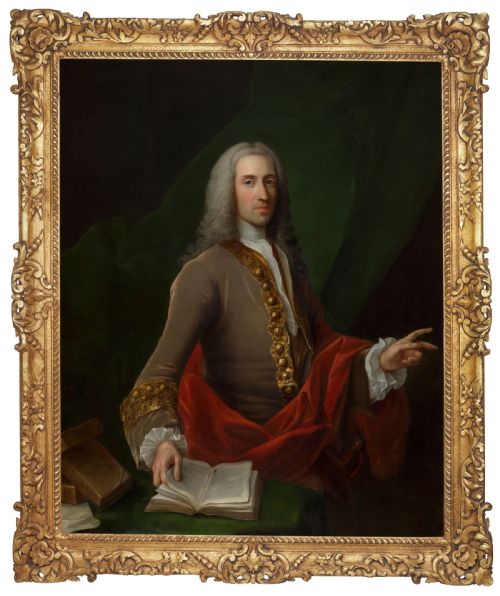
When searching for antique portraiture art, buyers encounter oil paintings, pastels, and print works depicting named sitters and anonymous subjects from the seventeenth century onwards. These works range from grand aristocratic commissions down to modest panel portraits executed by regional European and British schools.
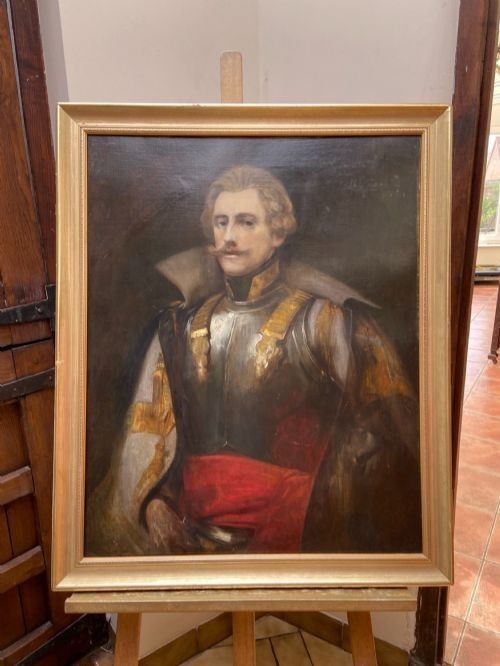
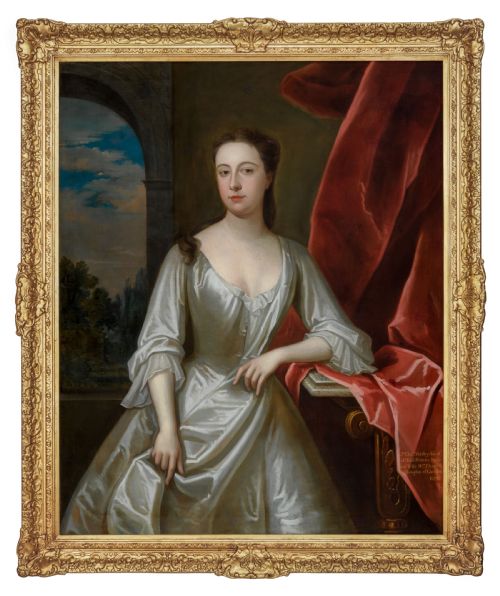
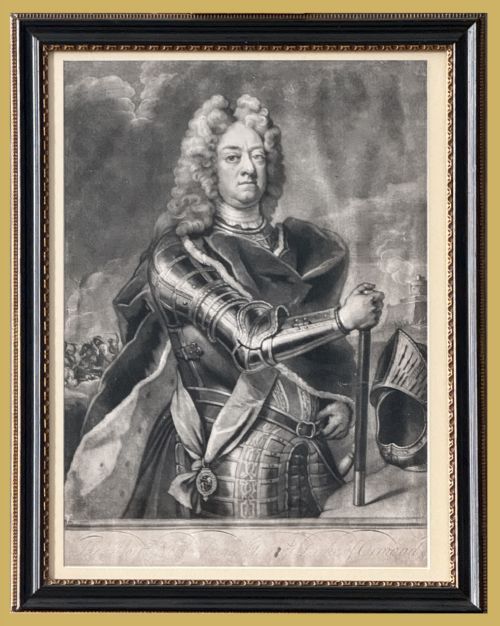
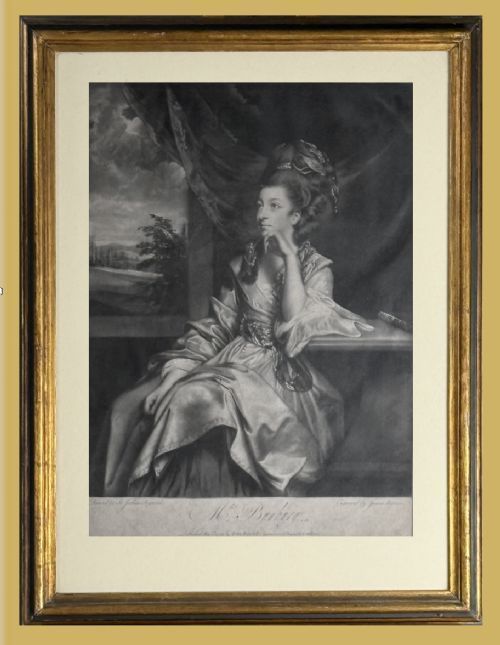
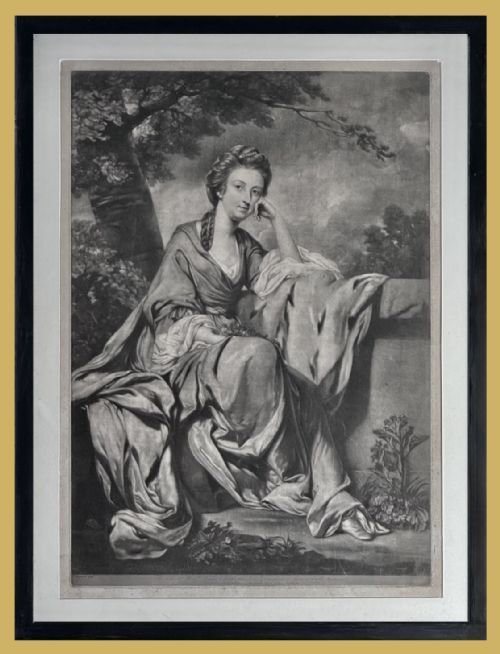
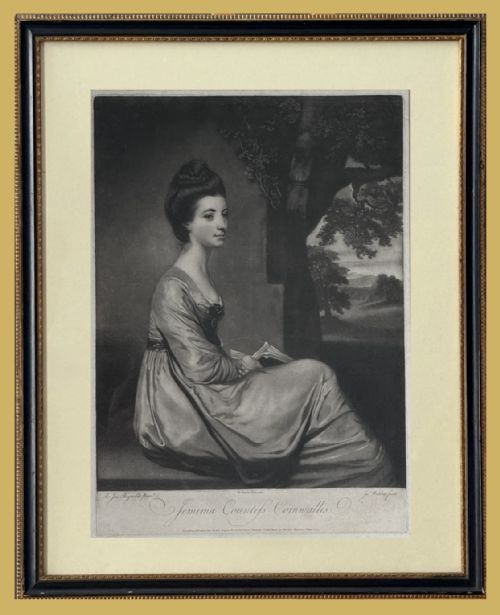
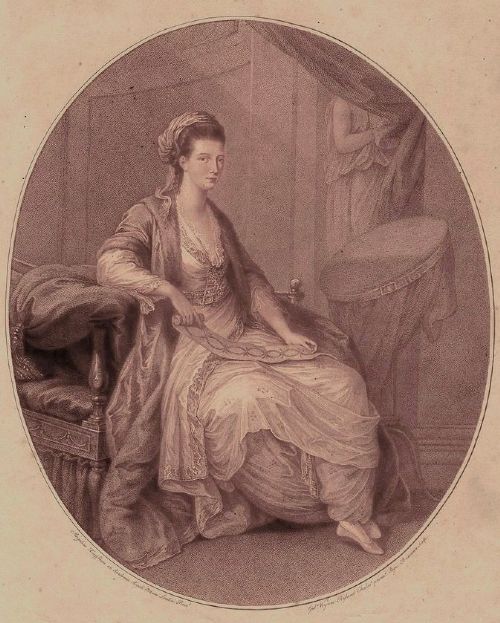
The selection on this page leans heavily toward seventeenth- and eighteenth-century oil paintings on canvas or panel, alongside period mezzotint engravings after major masters like Sir Joshua Reynolds. Regency oils and Victorian canvases also appear regularly, documenting sitters from nobility to military officers.
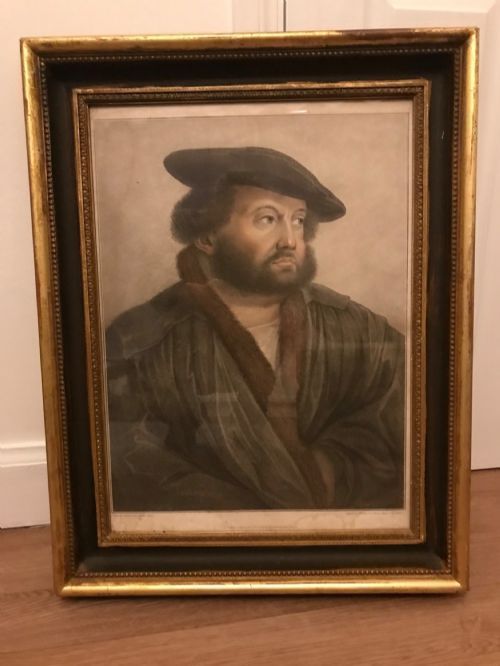
Framed presentation is common, frequently utilising period giltwood or wood frames that complement the depth and tone of the underlying medium. Whether rendered as a single bust or a full-length study with attributes such as books or drapery, each piece captures the likeness and social standing of its era.
What defines the standard
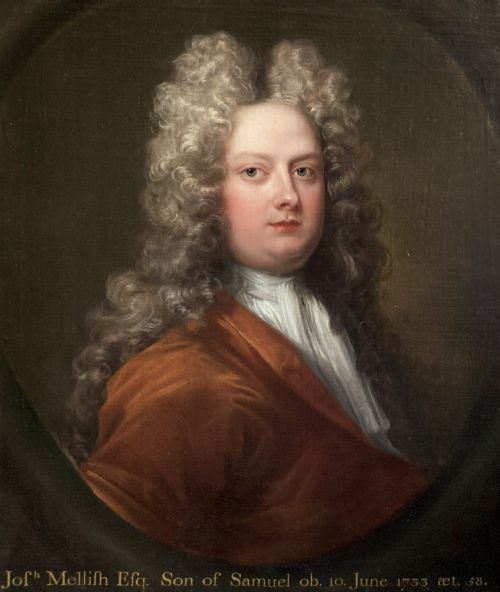
The survival of the original surface condition dictates much of the standing of a piece, separating untouched pigment layers from those compromised by heavy restoration or overpainting. Strong provenance, including legible contemporary inscriptions or documented attribution to a known studio, elevates the historical weight of the portrait.
Listings feature works spanning the seventeenth, eighteenth, and nineteenth centuries, utilising oil on canvas, wood panel, paper, and giltwood frames.
Sir Godfrey Kneller·Charles Jervas·Sir Joshua Reynolds·Joseph Clover·Francesco Bartolozzi·Sir Peter Lely
The Antique Portraiture Art Glossary
- Mezzotint
- A printmaking process of the intaglio family where the copper plate is roughened evenly and scraped to produce rich darks and subtle gradations of tone. It was widely used in the eighteenth century to reproduce famous oil paintings.
- Giltwood
- Wood that has been carved and coated with a thin layer of gold leaf or gold paint. It frequently forms the decorative frame of a formal oil painting.
- Periwig
- A voluminous man's wig fashionable in the seventeenth and early eighteenth centuries, commonly seen in male portraiture of that period to denote high social status.
- Panel
- A flat piece of wood, often oak, used as a rigid support for oil painting before canvas became dominant. Panel works often date from the seventeenth century or earlier.
- Stipple engraving
- A method of producing prints by means of dots rather than continuous lines, allowing for delicate flesh tones. Francesco Bartolozzi popularised this technique in Britain.
Antique Portraiture Art: Frequently Asked Questions
How do I identify seventeenth-century portraits?
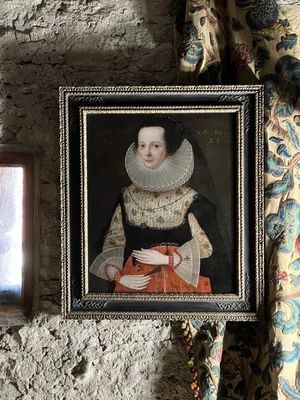
Seventeenth-century portraits typically feature sitters wearing elaborate lace collars, stiff ruffs, or large periwigs against dark, unadorned backgrounds. The construction often involves heavy wood panels or early coarse-weave canvases.
Inscriptions naming the sitter or date are occasionally found directly on the canvas edge or recorded in old backing papers, helping to secure the timeframe.
What is a mezzotint portrait?
A mezzotint is an engraved print created by roughening a copper plate to hold ink, then scraping areas away to create velvety darks and soft highlights. This method was the premier way to reproduce grand oil paintings in print during the eighteenth century.
Publishers issued these prints widely, allowing collectors to own likenesses of nobility and military heroes without acquiring the original canvas.
How should I hang oil portraits at home?
Oil portraits on canvas require stable indoor humidity away from direct sunlight, which can fade pigments and dry out wooden stretchers over time. Traditional placement involves eye-level hanging on a solid wall where the natural light highlights the varnish.
Pairing historic oil paintings with period giltwood frames helps them anchor a room alongside both antique and modern interior schemes.