

Antique Portrait in Gilt Frame
When you search for an antique portrait in gilt frame, you encounter historic likenesses encased in shimmering surrounds of gold leaf and carved wood.
Antique Portrait in Gilt Frame
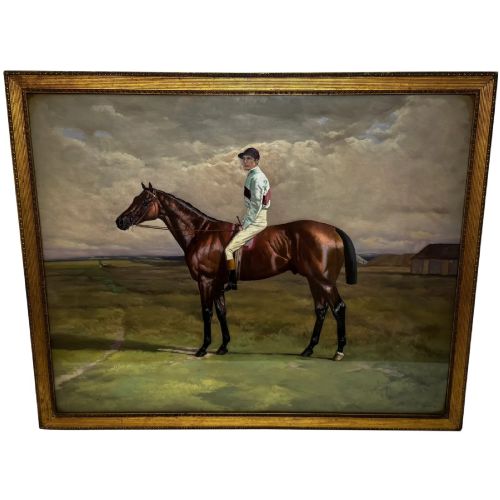
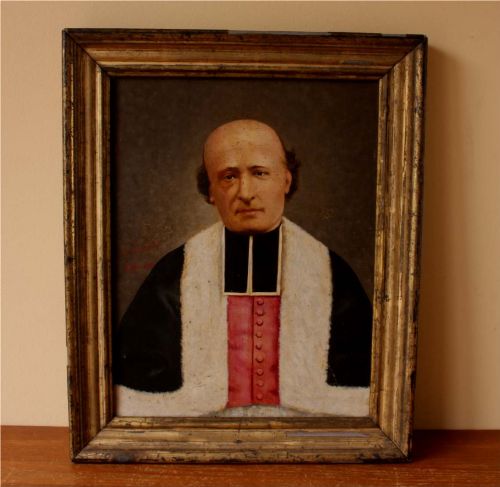
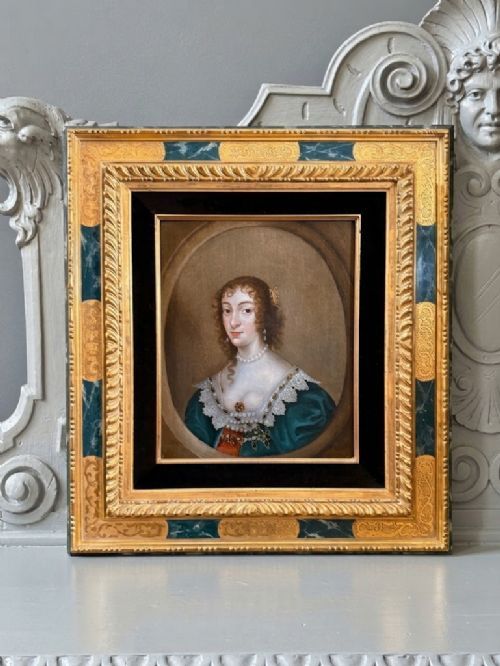
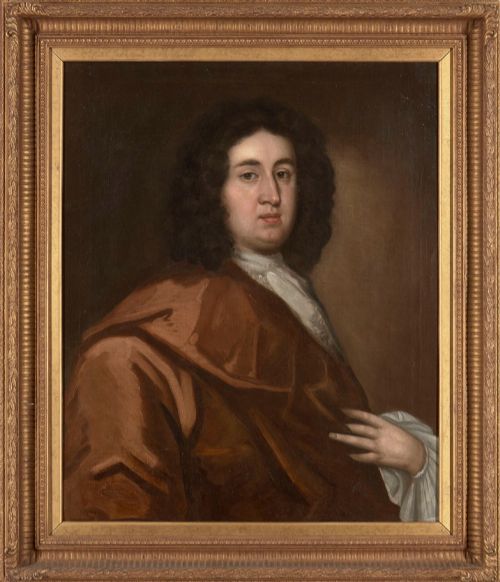
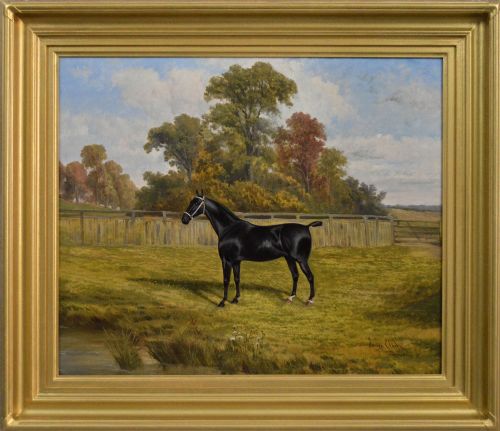
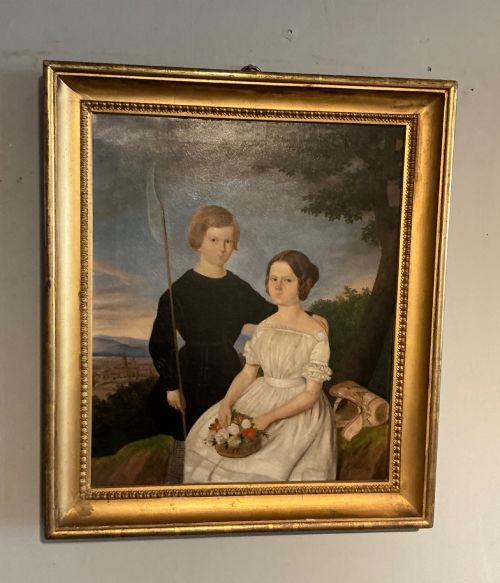
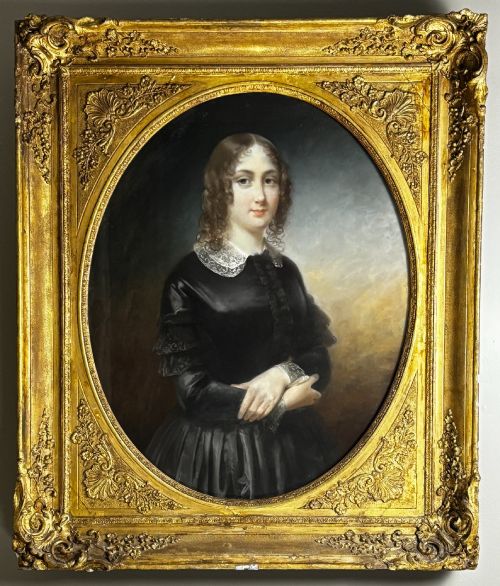
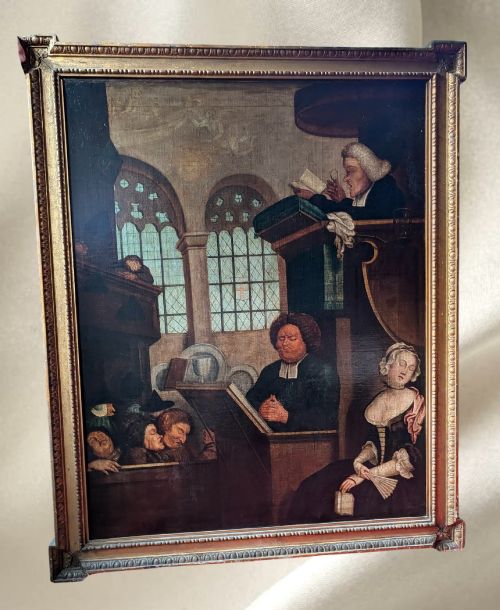
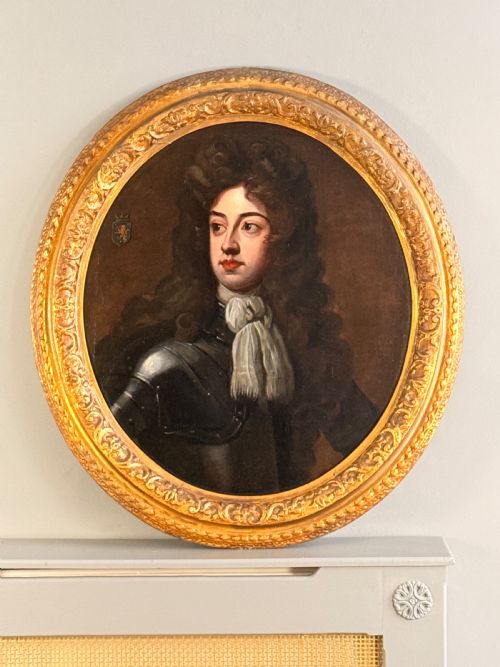
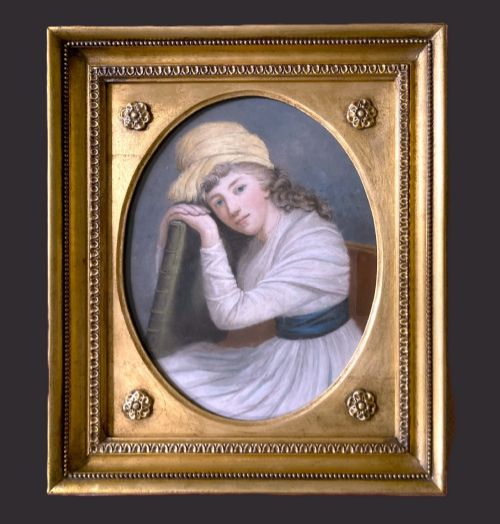
An antique portrait in gilt frame presents historic subjects captured through various media, most commonly oil on canvas, wood panel, pastel, or paper. The surviving works stretch across multiple centuries, originating from British, French, and broader European schools of art.
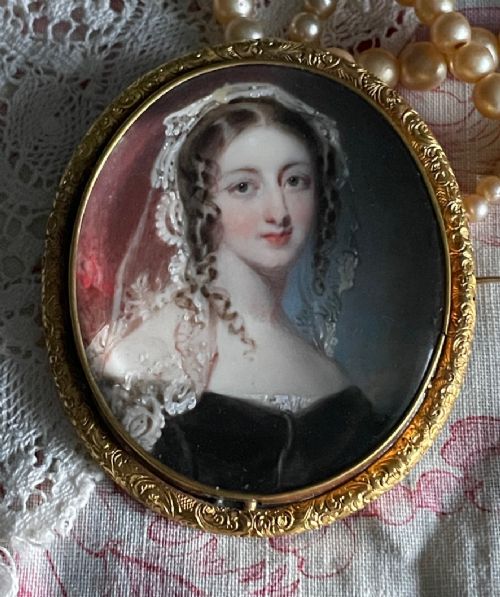
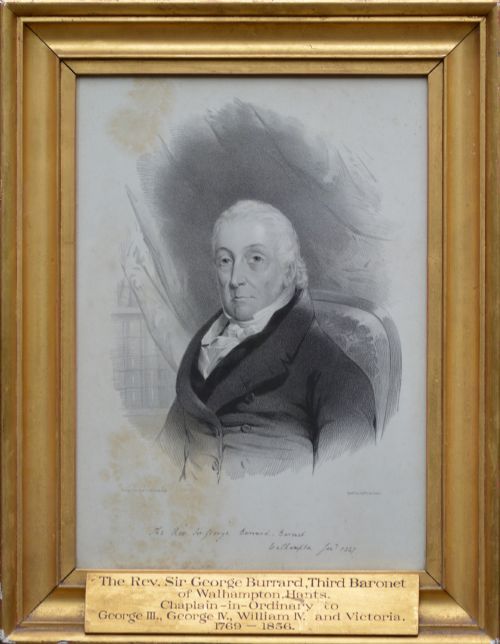
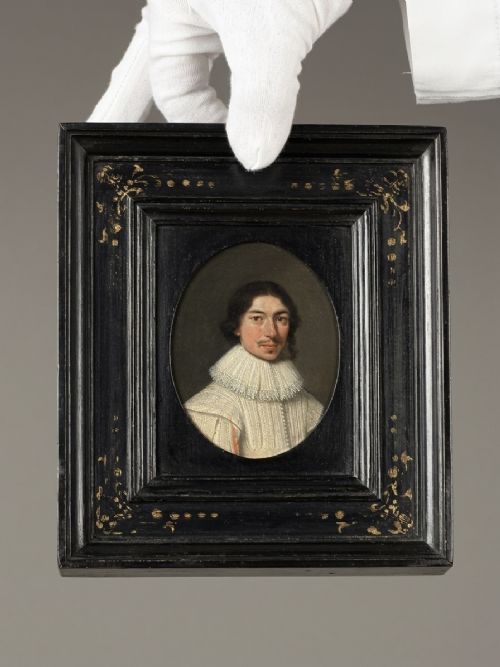
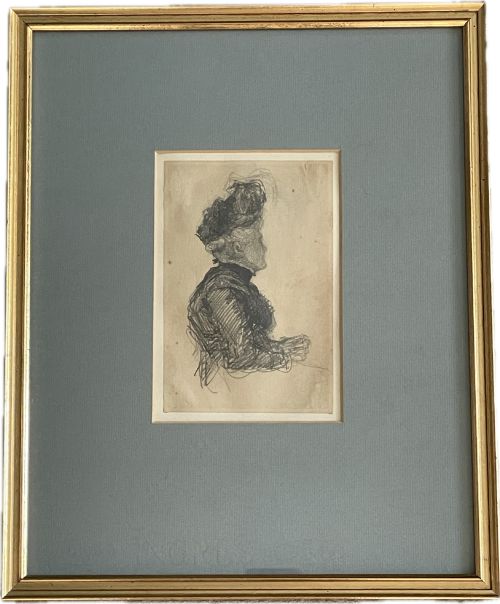
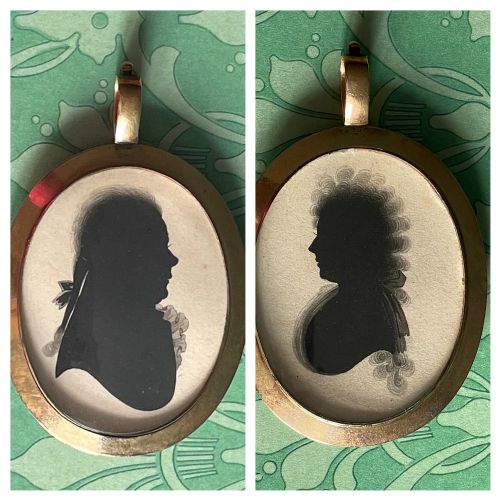
The assortment includes large formal canvases of nobility alongside intimate portrait miniatures, silhouette works, and graphic mezzotints. Buyers frequently encounter pieces hailing from the seventeenth, eighteenth, and nineteenth centuries, reflecting shifting aesthetic trends from the Georgian and Regency eras to Victorian fine art.
Materials and construction techniques
Painters utilised oil pigments applied to stretched canvas or wooden panels, often building up rich layers of colour to render fabrics, flesh tones, and background details with depth. Works on paper typically involved pastel, watercolour, or stipple engraving techniques executed by skilled hands.
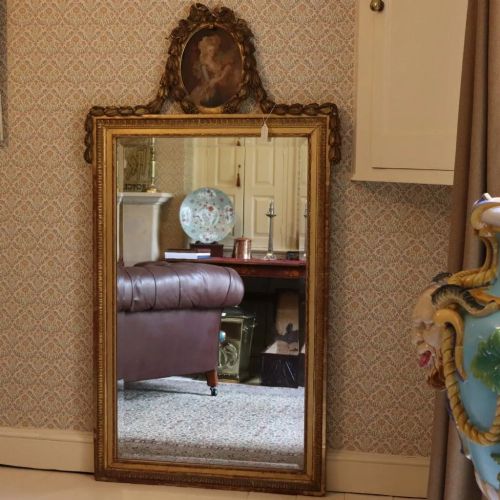
The surrounding frames rely on foundational substrates of timber or bronze, which were then prepared with gesso and bole before receiving applications of gold leaf. Gilding methods required meticulous craftsmanship to achieve a burnished or matte metallic sheen that would endure across generations.
Antique Portrait in Gilt Frame Retail Price Guide 2026
Typical asking prices for portrait in gilt frame among the pieces listed under this phrase on Sellingantiques today, from the lower quarter to the upper quarter. They describe what is for sale here now, not the wider market.
Primary materials recorded in current inventory include oil on canvas, wood, giltwood, paper, glass, and gold leaf.
Distinguishing the finest examples
The fidelity of the likeness and the anatomical precision of the subject set superior works apart from more formulaic productions. Master practitioners demonstrate an advanced command over light, shadow, and texture, particularly in the rendering of textiles such as silk, lace, and embroidered doublets.
The integrity and originality of the surrounding enclosure heavily influence the overall standing of a piece. Frames displaying period-correct hand-carved ornamentation and original gold leaf gilding hold greater aesthetic and historical cohesion than later replacements.
Sir Joshua Reynolds·Sir Godfrey Kneller·Sir Peter Lely·Jean-Baptiste Van Loo·William James Hubard
The Antique Portrait in Gilt Frame Glossary
- Mezzotint
- A printmaking process of the scraperboard family, allowing smooth gradations of tone and dark backgrounds. It gained popularity for translating oil paintings into accessible printed portraits.
- Giltwood
- Timber that has been coated with a thin layer of gold leaf or powder. This material defined high-status picture framing across the baroque, georgian, and victorian periods.
- Portrait Miniature
- A small, highly detailed painting, usually executed on ivory, vellum, or card. These intimate items were often designed to be carried on the person or housed in protective pocket cases.
- Doublet
- A man's close-fitting jacket worn during the Renaissance and seventeenth century. Its presence helps date early portraiture alongside elaborate neckwear like ruffs.
Antique Portrait in Gilt Frame: Frequently Asked Questions
How do I date an antique portrait?
Dating relies primarily on the sitter's costume, hairstyle, and framing style, which adhered to strict contemporary fashions of their decade. Documentation, inscriptions on the reverse, or attributed artist hands also provide reliable chronological anchors.
Material analysis of the canvas, pigments, and underlying wood panel further aids specialists in confirming the period of execution.
Are these frames original to the paintings?
Many works retain their period-appropriate surrounds, though framing practices varied over centuries as owners updated displays to match changing interior aesthetics. Matching the age of the frame to the canvas requires examining wood shrinkage, rebate wear, and gilding oxidation.
An authentic period frame should complement the scale and school of the artwork without appearing forced or chemically distressed.
How should I hang and light these works?
Historic canvases and pastels require stable environmental conditions away from direct sunlight and strong heat sources that can dry out paint layers or fade paper. Wall placement should avoid exterior damp walls to protect both the artwork and the wooden frame substrate.
Directional low-UV picture lights or museum-grade LED spot illumination help showcase the metallic shimmer of the gold leaf without causing thermal damage.
What is the difference between an oil painting and a miniature?
Oil paintings on canvas or panel were traditionally produced as large-scale formal statements for display in principal rooms and galleries. Portrait miniatures were executed on a much smaller scale for private, intimate viewing and personal keeping.
While oils rely on heavy pigment layers and impasto, miniatures demand meticulous precision using fine brushes on smooth surfaces.