
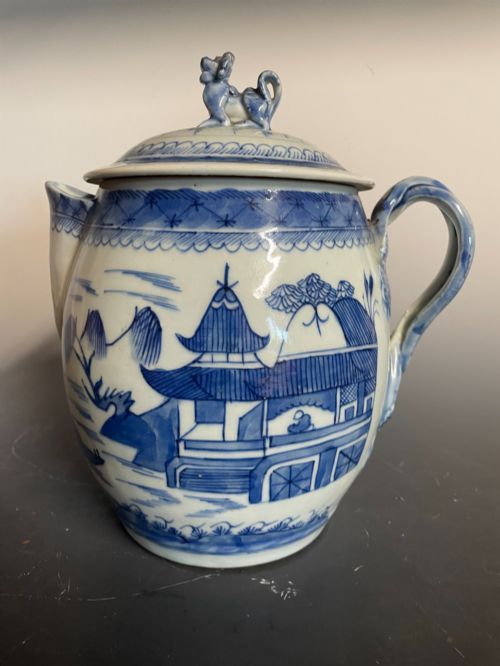
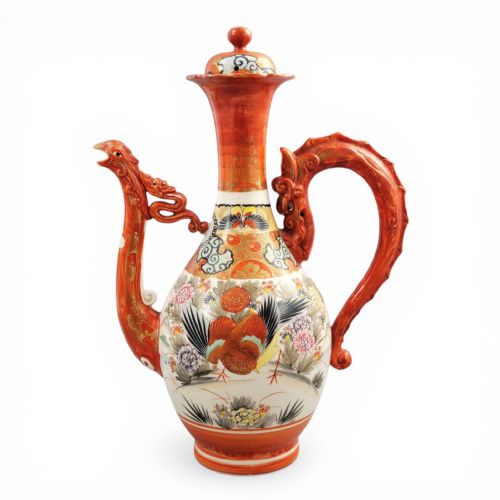


Antique Porcelain Water Pitcher
These antique porcelain water pitchers span centuries of ceramic artistry, offering functional elegance and decorative presence for the home.
Antique Porcelain Water Pitcher
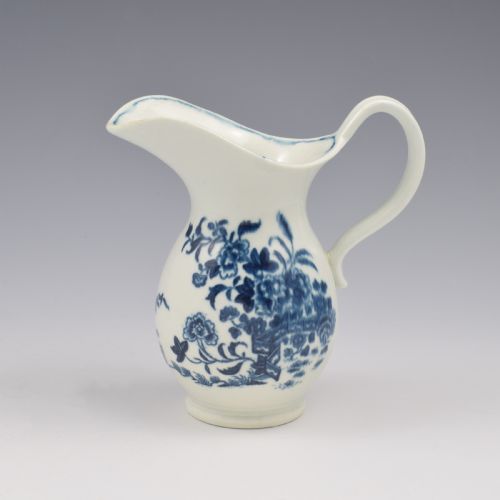
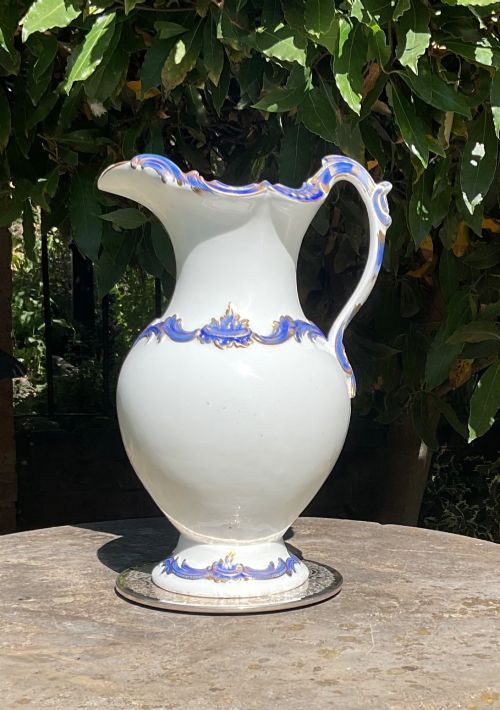
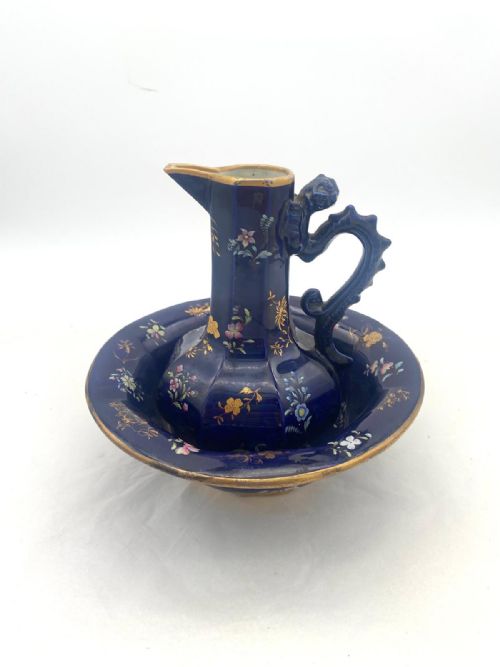
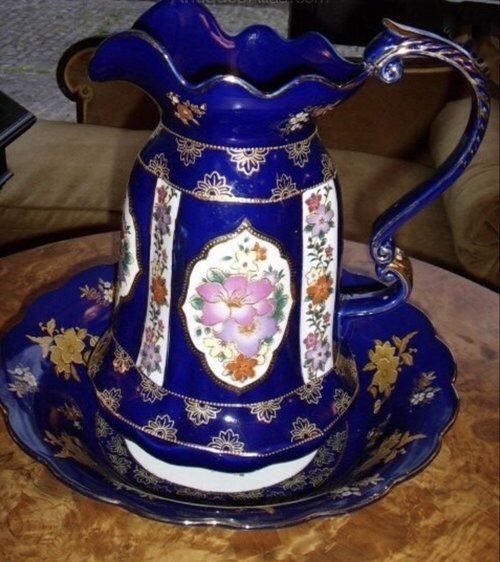
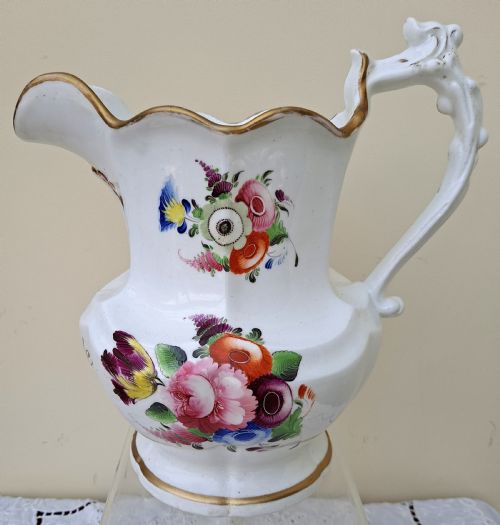
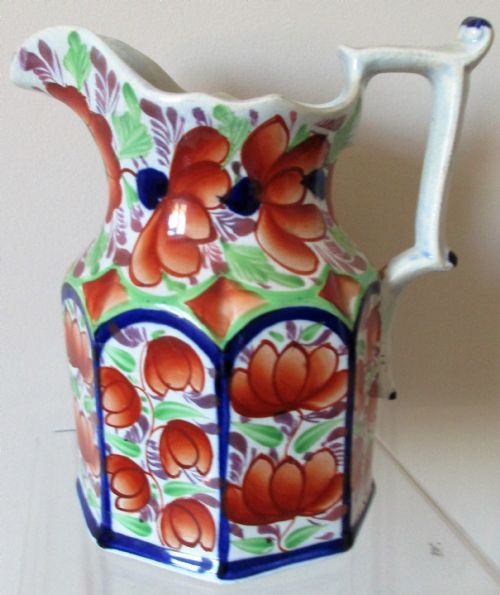
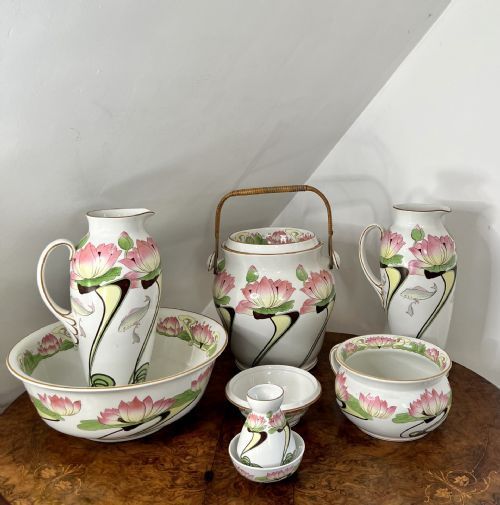
When you search for an antique porcelain water pitcher, you encounter diverse forms ranging from traditional jugs and ewers to complete wash sets and basin combinations. The selection spans domestic utility vessels and highly decorative display pieces originating from British factories, European makers, and Asian kilns. Victorian examples and nineteenth-century productions appear frequently, alongside earlier eighteenth-century designs and transitional pieces.
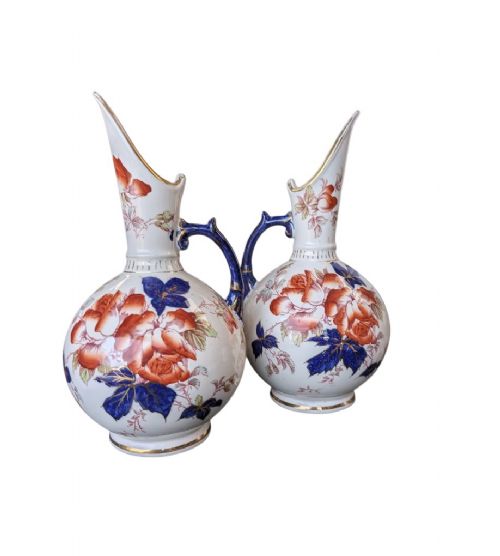
Forms vary from robust ironstone and earthenware jugs to delicate porcelain ewers, kendis, and miniature vessels. Many items form part of larger bathroom sets or wash sets intended for nineteenth-century chambers, while others served specific beverage or decorative functions. The styles encompass Georgian and Regency restraint, Victorian revivalism, Edwardian refinement, and distinct Japanese or Chinese aesthetics.
Materials and construction
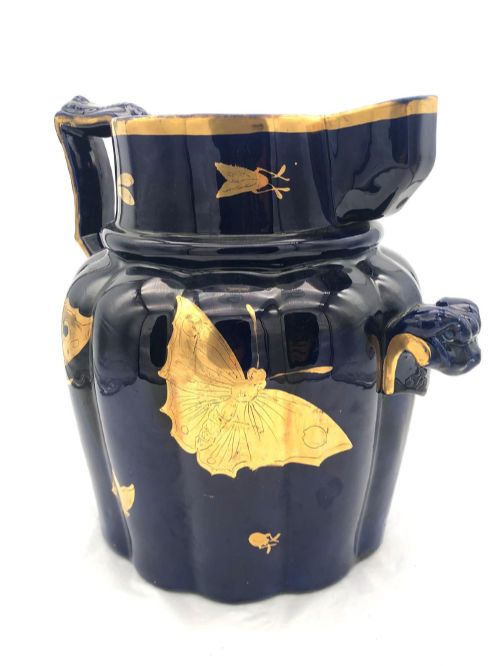
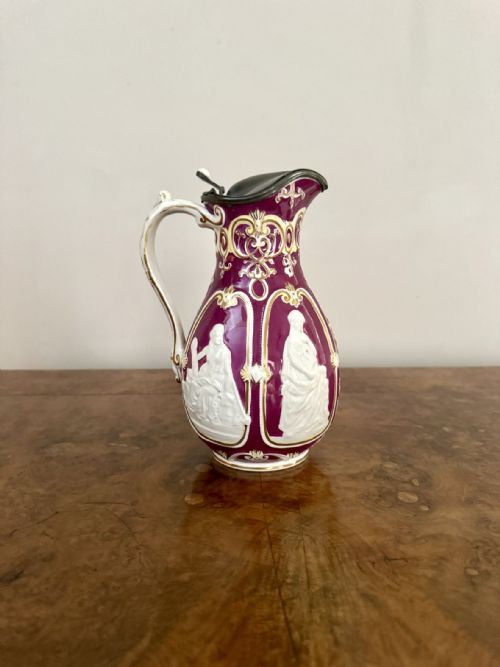
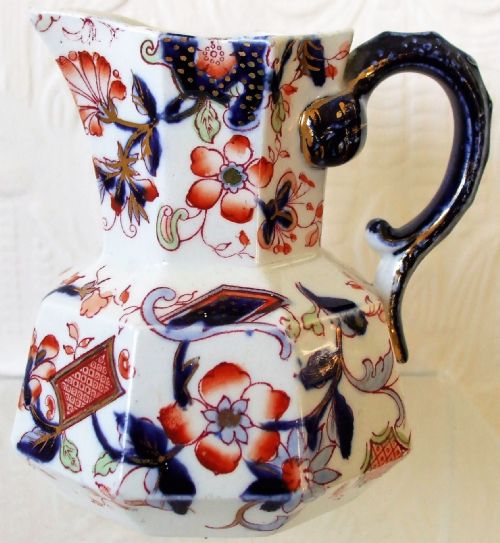
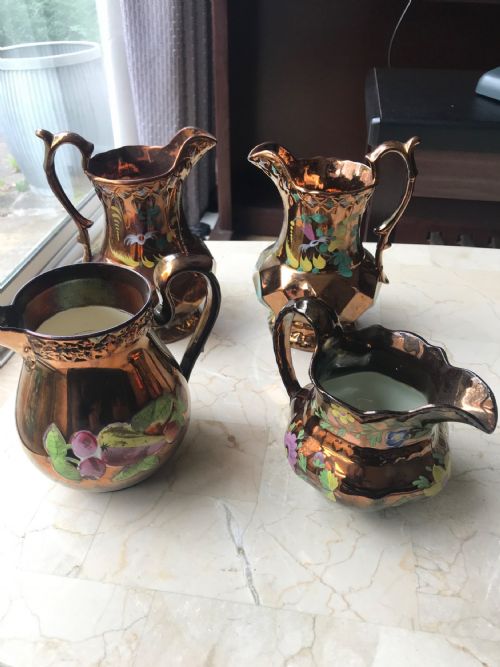
The objects are constructed from ceramic bodies including porcelain, ironstone, earthenware, and bisque porcelain or Parian ware. Manufacturers applied surface decoration through hand-painting, cobalt blue glazes, copper lustre, enamel work, and underglaze pigments. Gilding and gold leaf often accent handles, rims, and moulded motifs.
Techniques range from traditional throwing and moulding to specialised glazing processes seen in Chinese Qing dynasty wares and Japanese Imari or Kutani pieces. Makers utilised specialised kilns to fire complex forms, incorporating mask heads, dragon handles, and phoenix spouts into the structural ceramic body.
Recorded styles encompass eighteenth-century Chinese periods, Georgian elegance, Victorian floral decorations, and Japanese Kutani or Imari designs.
Distinguishing quality
Quality separates standard utilitarian wares from exceptional cabinet pieces through the crispness of the moulding and the refinement of the ceramic body. Superior examples display finely controlled potting, balanced proportions, and sophisticated handling of complex shapes such as mask heads or ribbed walls.
Hand-painted decoration provides another distinction, where artist-executed birds, insects, armorial crests, and floral scenes demonstrate superior brushwork and colour blending compared to transfer-printed alternatives. The depth of the glaze, the precision of the gilding, and the clarity of factory marks further elevate certain jugs and ewers.
Keeling and Co.·John Baley·Royal Worcester·Chamberlain Worcester·Doulton Burslem
The Antique Porcelain Water Pitcher Glossary
- Ewer
- A large jug with a wide spout and shaped handle, traditionally used for holding water. These vessels often served a decorative purpose in wash sets.
- Kendi
- A specific type of drinking vessel or water pitcher originating from Asia, characterised by a globular body and a distinctive spout without a handle.
- Ironstone
- A heavy, durable type of earthenware patented in the nineteenth century that combined the strength of stone with the refined qualities of ceramic.
- Parian ware
- A type of bisque porcelain developed in the nineteenth century to imitate white marble, frequently utilised for sculptural jugs and portrait busts.
- Armorial
- A ceramic design featuring painted coats of arms or family crests, commonly commissioned for wealthy households during the Georgian and Regency periods.
Antique Porcelain Water Pitcher: Frequently Asked Questions
How were water pitchers used historically?
In past centuries before modern indoor plumbing, these pitchers sat upon washstands in bedrooms to supply fresh water for morning hygiene and grooming.
Certain ornamental ewers and kendis served decorative display roles or specialised pouring functions during meals and gatherings.
How do I display a water pitcher at home?
You can showcase these pieces on sideboards, open shelving, or mantelpieces as sculptural decorative objects, or pair them with matching basins for traditional interior styling.
Larger jugs also accommodate dried botanicals or fresh floral arrangements when utilised as decorative vases.
How do I identify the period of a pitcher?
Dating relies on examining the ceramic body, glaze characteristics, stylistic markers such as Victorian revivalism or Regency restraint, and any factory backstamps or painter marks.
Comparing the manufacturing technique and decorative motifs to documented kiln output helps establish the era of production.