


Victorian Porcelain Water Pitcher
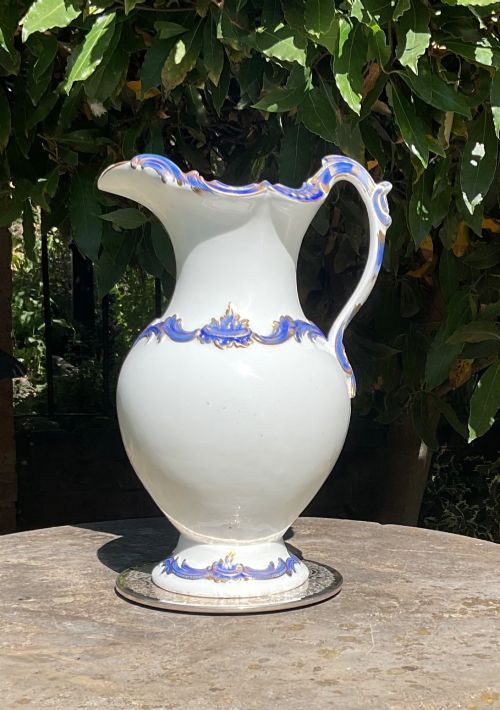
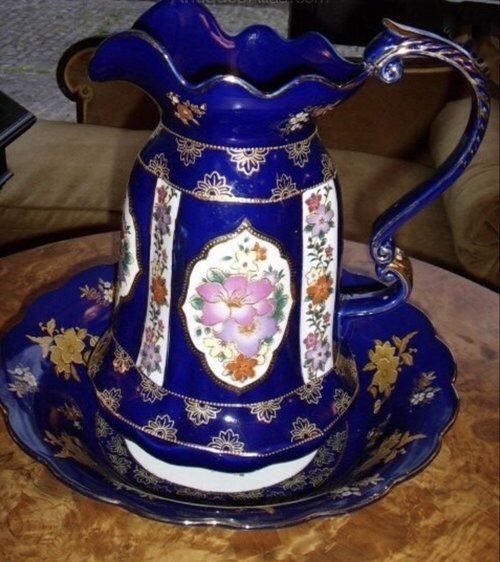
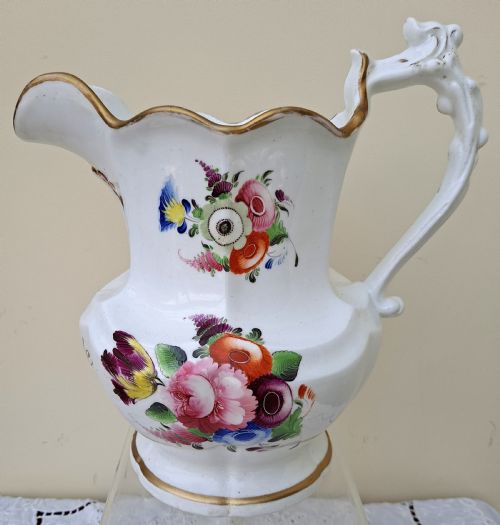
A victorian porcelain water pitcher brings heavy Victorian Rococo Revival curves and gilt floral decoration straight to a washstand or sideboard.
Victorian Porcelain Water Pitcher
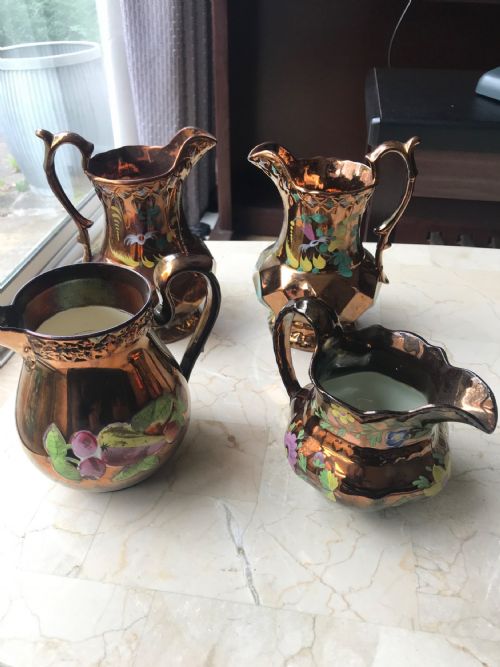
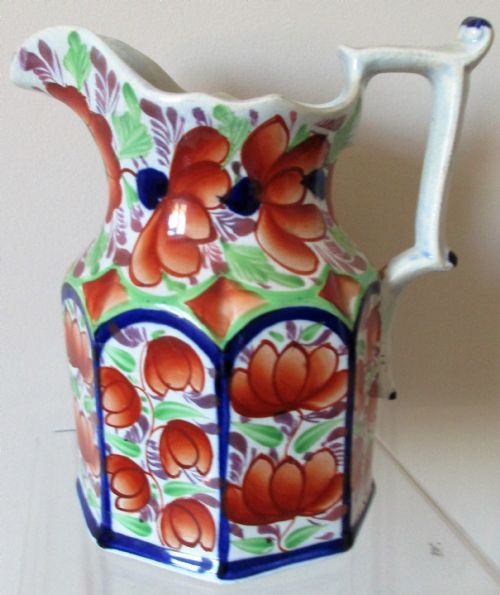
A victorian porcelain water pitcher serves primarily as a large pouring vessel, often appearing within multi-piece washstand sets alongside matching basins or as a standalone decorative ewer. These items range from sturdy nineteenth-century utility pieces to elaborate display items featuring gilded highlights and painted flower designs.
The form appears in various guises across the collection, including large jugs, handled ewers, and complete jug and bowl sets intended for bedroom hygiene or grand interior presentation. Many examples reflect the dominant aesthetic tastes of the nineteenth century, spanning standard Victorian production through to later Edwardian and transitional twentieth-century domestic ware.
How they were made
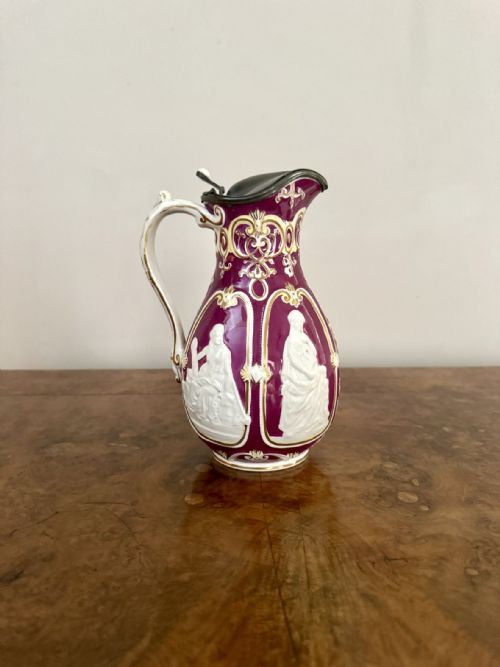
Makers shaped these vessels using porcelain, ceramic, earthenware, and parian bisque, applying smooth glazes and occasional cobalt blue coloration to the body. Artisans then hand-decorated many of these surfaces with enamel paints and applied gold leaf or gilding to highlights and rims.
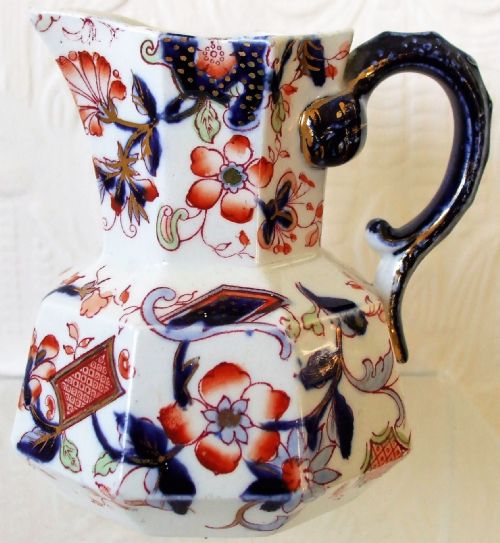
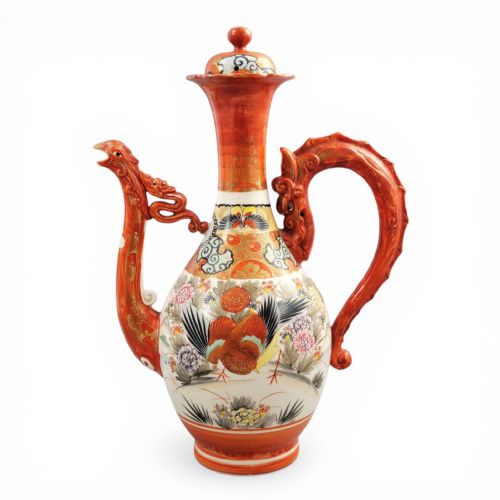
Firing techniques allowed for intricate moulded reliefs such as the Hydra shape or dragon motifs, whilst secondary materials like pewter sometimes formed hinged lids fitted directly to the ceramic lip.
Materials in these listings span basic earthenware and ceramic up to fine porcelain, enamel, and gold leaf gilding.
What varies in quality
The refinement of the hand-decorated enamel work and the crispness of moulded details separate standard utility containers from finer exhibition pieces. High-end examples display meticulous gilding and unblemished cobalt glaze coats.
Subtleties in potting thickness and the complexity of the handle or spout formation also distinguish basic washware from prestigious factory output.
Keeling and Co·John Baley·Royal Worcester·Doulton Burslem·Coalport
The Victorian Porcelain Water Pitcher Glossary
- Ewer
- A large pitcher with a wide spout and ornate handle, traditionally used for holding water rather than serving drinks.
- Parian ware
- A fine white bisque porcelain developed in the nineteenth century to imitate carved marble sculpture.
- Gilding
- The application of gold leaf or gold powder onto the ceramic surface to create metallic decorative accents.
- Hydra
- A classical jug shape featuring a distinctive multiple-reeded handle and sweeping rim profile.
- Bisque
- Unglazed fired porcelain possessing a matte, stone-like texture that absorbs light differently than glossy ceramics.
Victorian Porcelain Water Pitcher: Frequently Asked Questions
Were these pitchers used for washing?
Many pitchers functioned as part of washstand sets, pairing with large basins for morning ablutions before indoor plumbing became universal in bedrooms.
Other smaller or more heavily gilded versions served decorative purposes on sideboards or featured as commemorative items.
How do I date a porcelain pitcher?
Dating relies on factory marks printed or impressed on the base, stylistic clues such as Aesthetic Movement motifs, and manufacturing materials like parian bisque.
Comparing glaze characteristics and decorative painting styles against documented factory production years helps narrow down the decade.
Can I use these pitchers for fresh water?
Most antique pitchers hold water safely, though hairline cracks, historical repairs, or delicate interior glaze crazing require careful inspection before daily use.
Many collectors prefer to display them safely as decorative objects rather than subjecting them to thermal shock from hot liquids.