


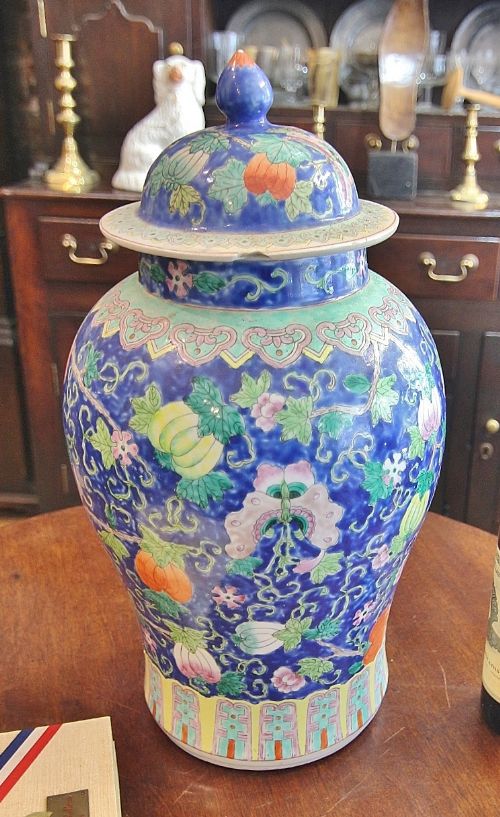

Antique Porcelain Urns Lids
These antique porcelain urns lids bring decorative presence to a room, offering both form and utility through centuries of craftsmanship.
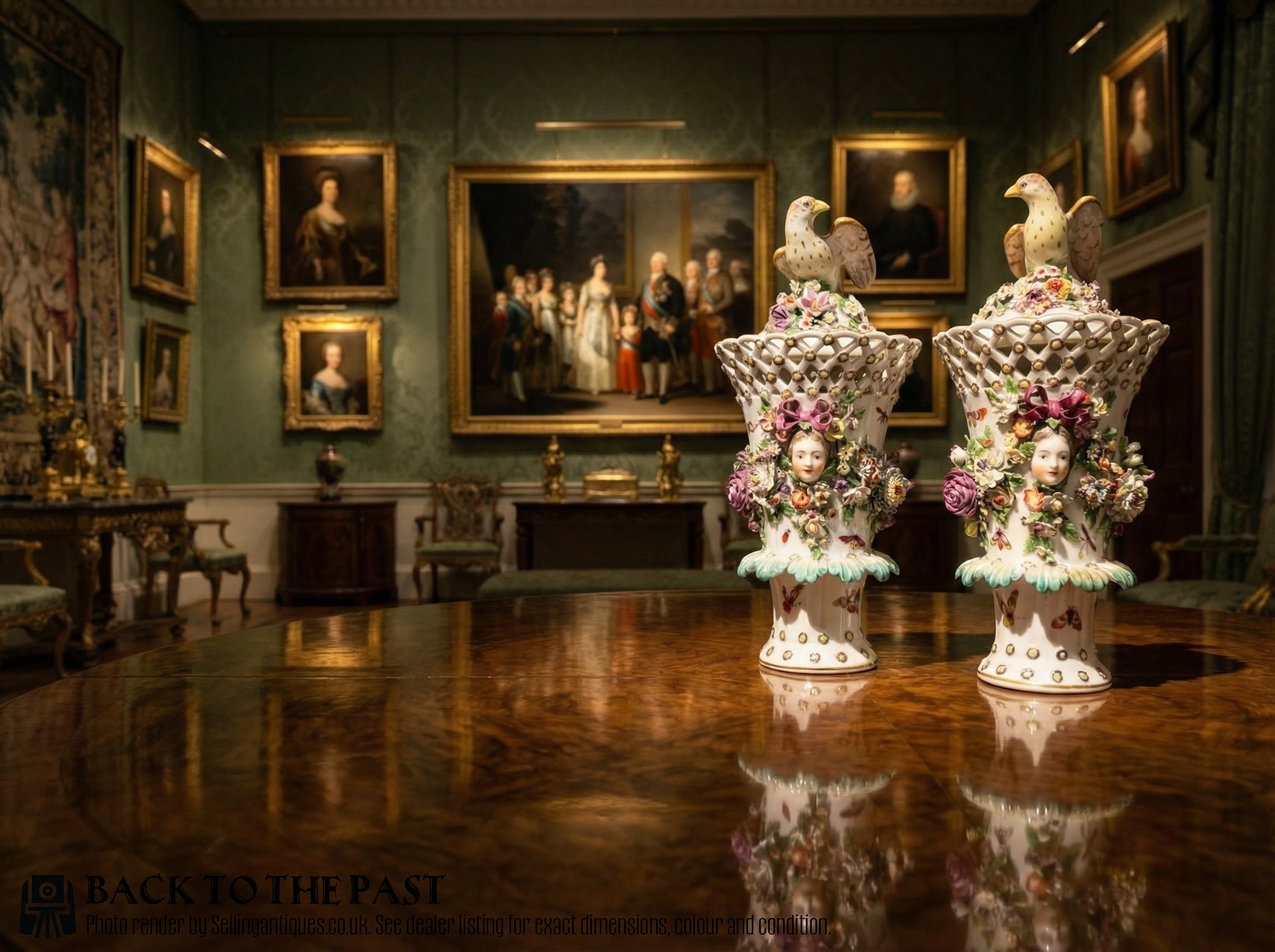
Antique Porcelain Urns Lids
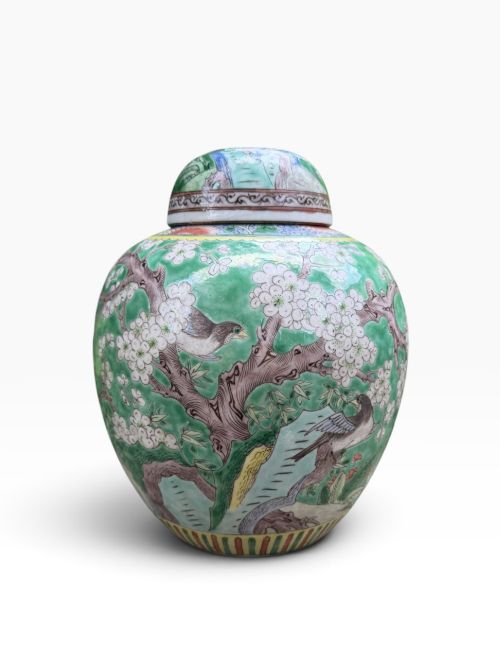
When searching for antique porcelain urns lids, collectors encounter covered vessels ranging from ginger jars to amphora vases spanning the 18th, 19th, and early 20th centuries.
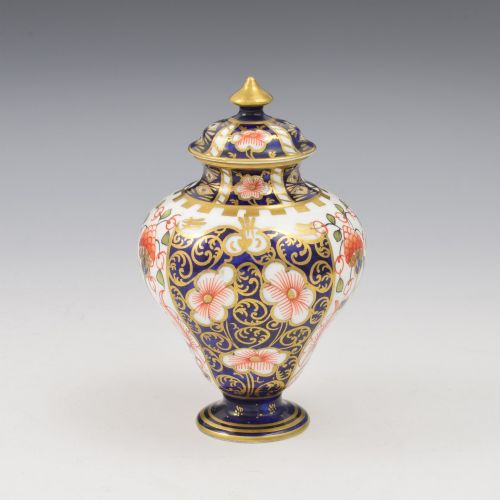
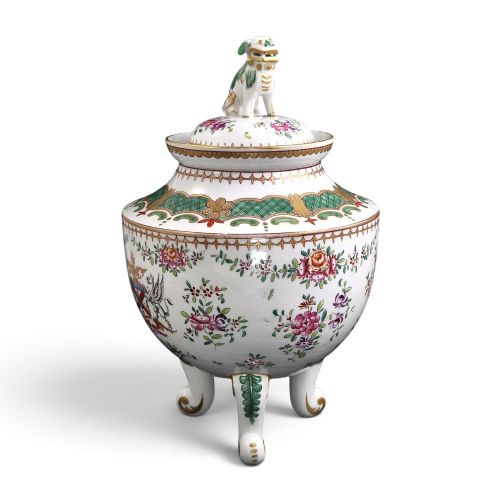
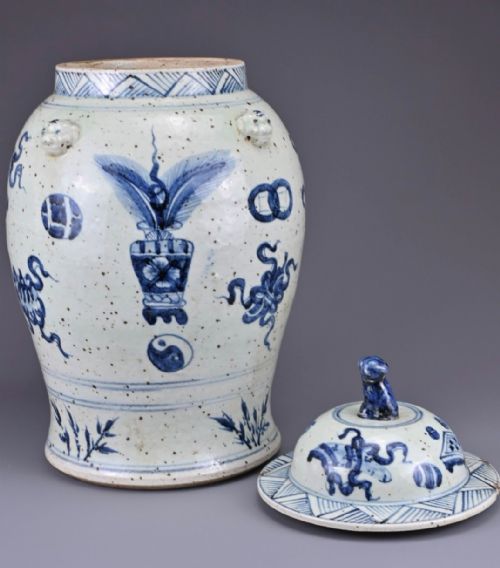
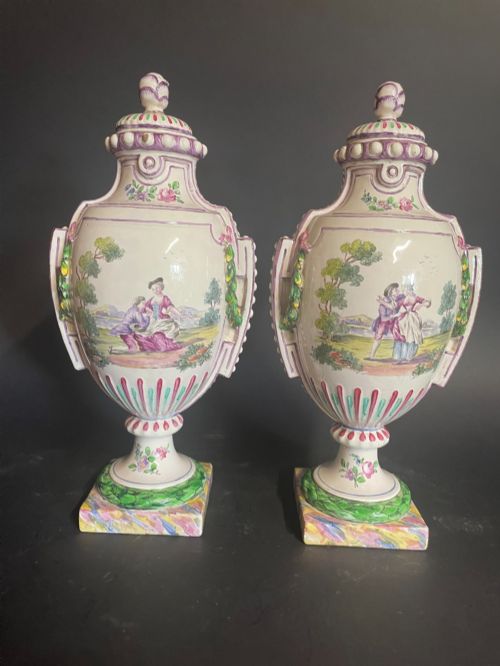
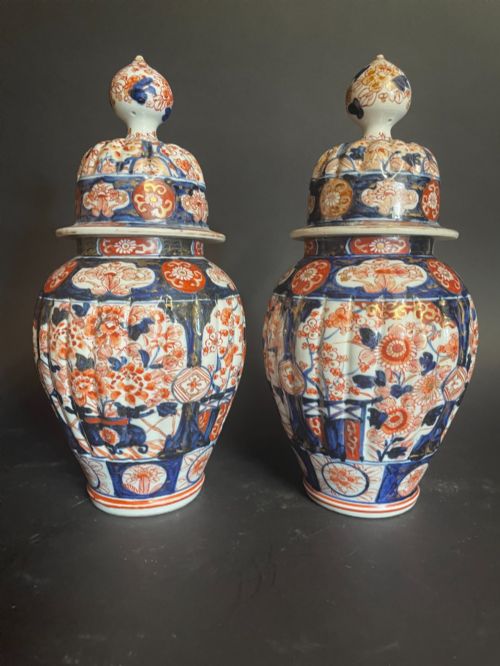
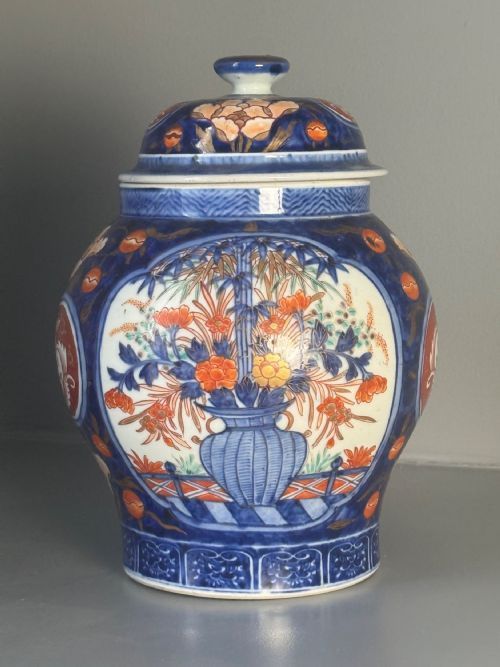
The pieces present on this page include Japanese Imari patterns, Chinese blue and white porcelain, and European works from English and French factories.
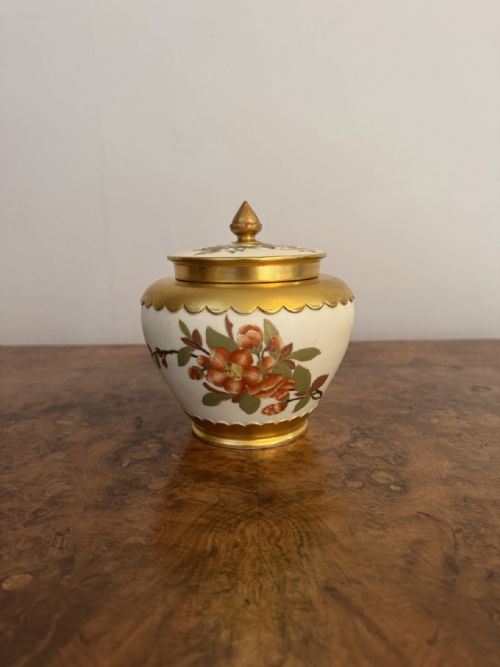
Forms vary from small potpourri pots to large baluster vases and jars, each retaining a matching lid.
Materials and Techniques
The foundation rests on porcelain, earthenware, and ironstone shaped by hand or mould, then finished with glaze.
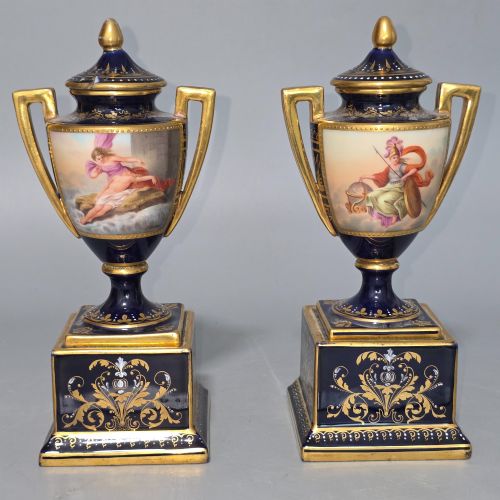
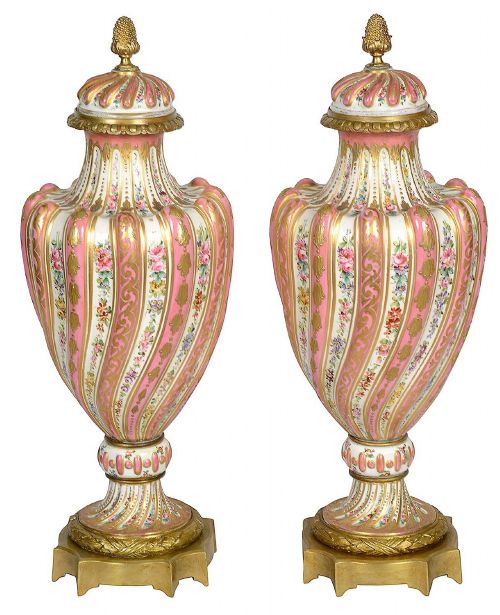
Decoration relies on hand-painting, enamel colours, and the application of gold leaf, gilt, or ormolu mounts.
Kiln firing sets the pigments and glaze, whilst secondary firing fixes gilding and enamel overglaze details.
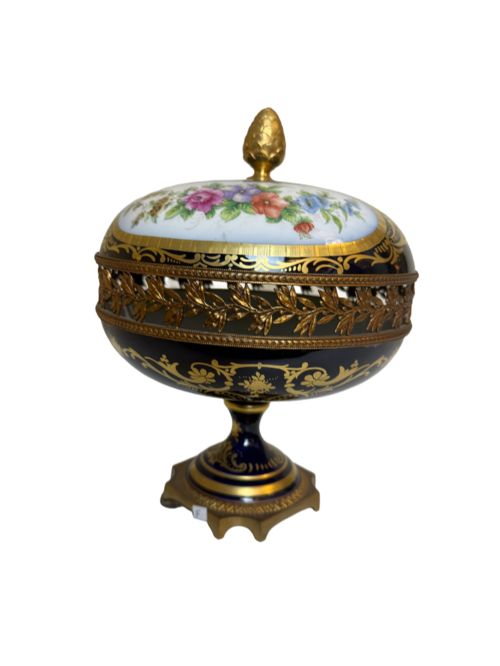
Several potpourri pots feature secret pierced lids designed to gently release the scent of dried rose petals across nineteenth-century drawing rooms.
Assessing Quality
Distinctions in quality emerge through the crispness of the hand-painted brushwork and the precision of the gilding.
Superior examples display balanced proportions in the body and a secure, well-fitted lid that completes the silhouette.
Royal Crown Derby·Royal Worcester·Samson Paris·Chamberlain Worcester·Mason Ironstone
The Antique Porcelain Urns Lids Glossary
- Imari
- A style of Japanese porcelain featuring underglaze blue and iron red with added gold. This palette originated in Arita and was widely copied in Europe.
- Potpourri
- A covered vessel pierced with holes to release the scent of dried flower petals and spices contained within. These jars often feature intricate pierced ceramic covers.
- Ormolu
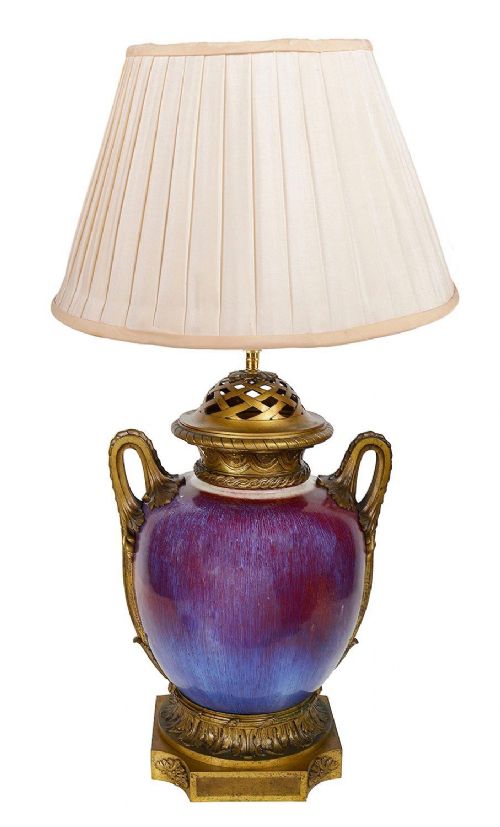
- Gilded bronze mounts applied to ceramic bodies for decorative effect. French makers frequently employed this technique on nineteenth-century urns.
- Baluster
- A vase form with a rounded body that tapers toward the base and swells near the centre. This shape provides stability for large lidded jars.
- Glaze
- A glassy coating fused to the ceramic body by heat. It renders the vessel impervious to liquid and gives a smooth surface.
Antique Porcelain Urns Lids: Frequently Asked Questions
What were antique porcelain urns lids used for?
These covered vessels served to hold dried flowers, aromatics, or dry goods in period interiors. Their decorative presence also functioned as a display of wealth and taste.
Larger urns and jars acted as focal points on mantelpieces, consoles, and sideboards in formal rooms.
How do I identify Japanese Imari pieces?
Japanese Imari porcelain typically displays a distinctive palette of underglaze blue, iron red, and gilt details. The designs often incorporate floral and brocade motifs.
Production centres in Arita exported these wares extensively to Europe from the seventeenth century onward, inspiring numerous regional copies.
Are lids usually original to the urn?
Matching lids share the same paste, glaze characteristics, and decorative patterns as the base vessel. Minor variations in firing colour can indicate replacement over time.
Examining the interior rim helps confirm whether the lid rests naturally and matches the wear of the lower section.
How should I clean lidded porcelain?
Dusting with a soft, dry brush removes surface particles safely without risking delicate gilt or enamel work. Water should be used sparingly, avoiding harsh chemical cleaners.
Lids require separate handling during cleaning to prevent accidental drops and rim chips.