


Antique Porcelain Teaware
Antique porcelain teaware comprises cups, saucers and sets from the Regency period, prized for fine ceramic bodies and hand-painted detail.
Antique Porcelain Teaware
Antique porcelain teaware consists of decorative cups, saucers and sets designed for serving tea. These survivals from the early nineteenth century reflect the social habits of the Regency era.
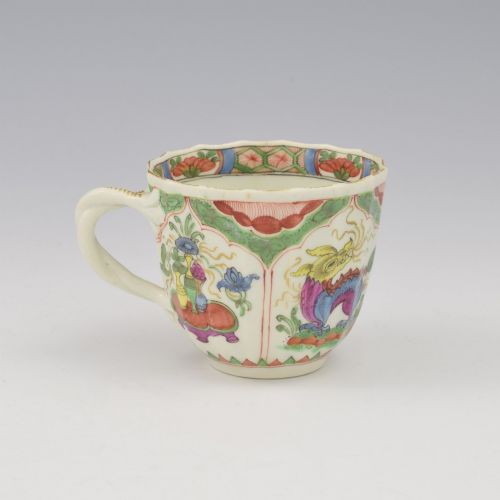
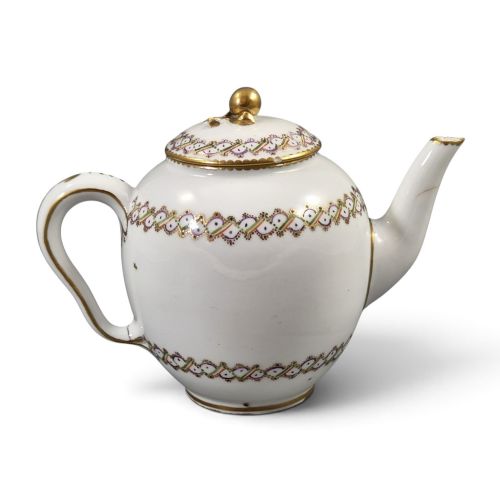
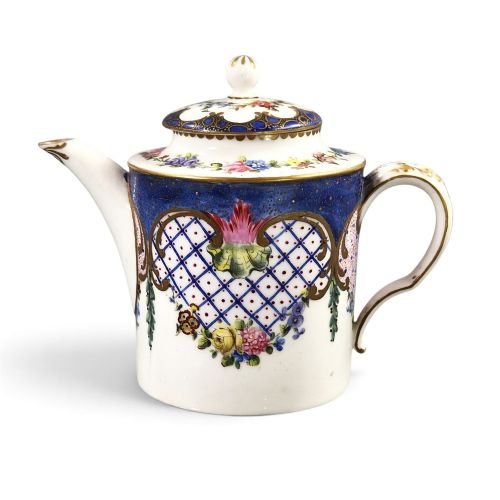
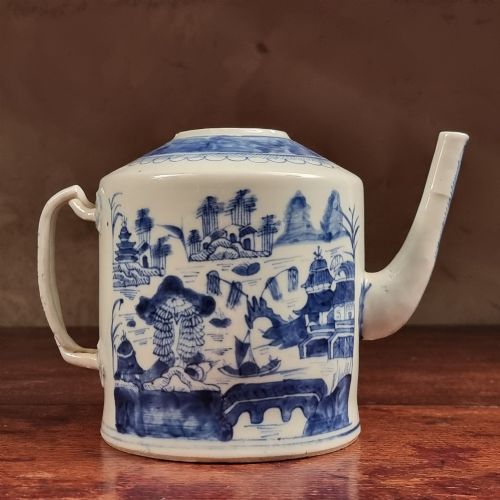
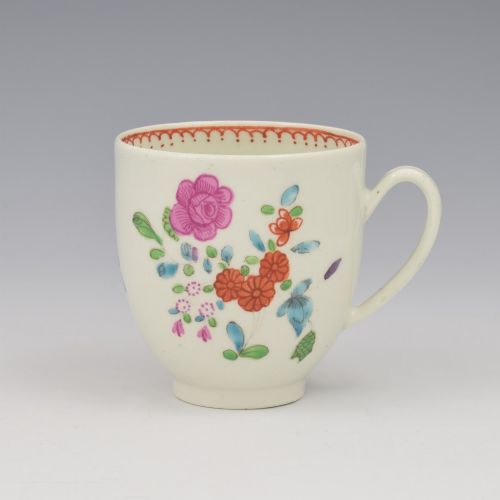
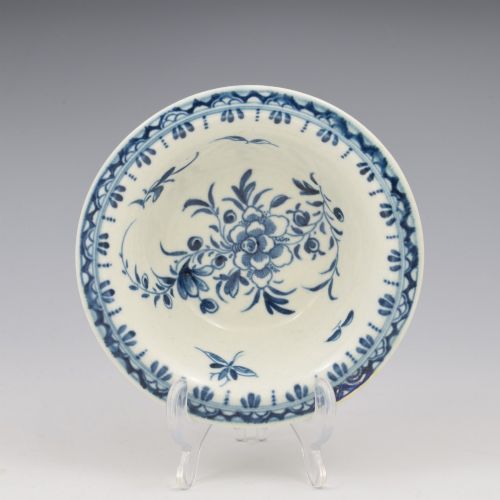
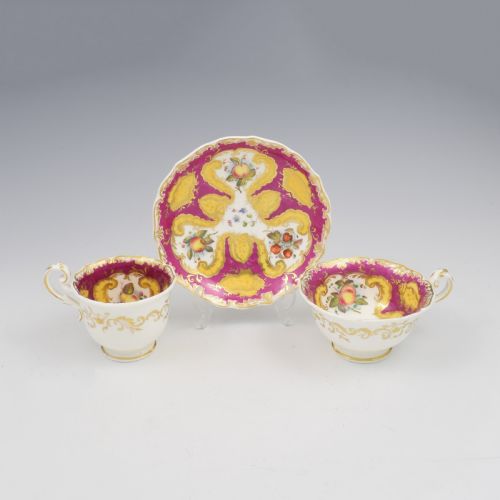
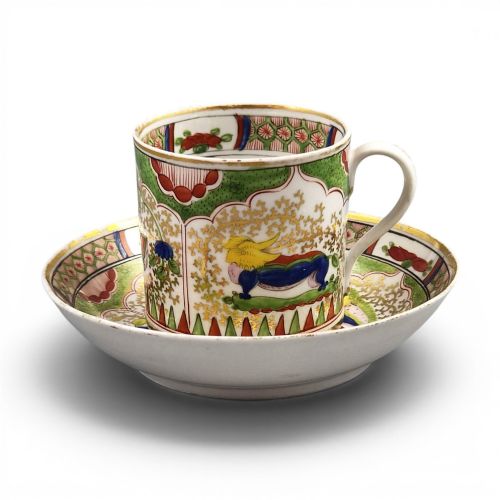
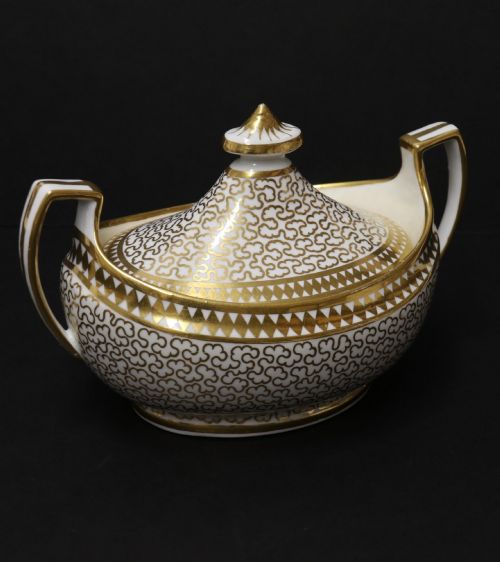
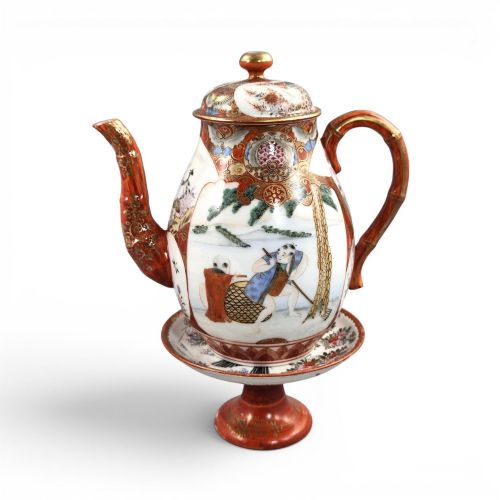
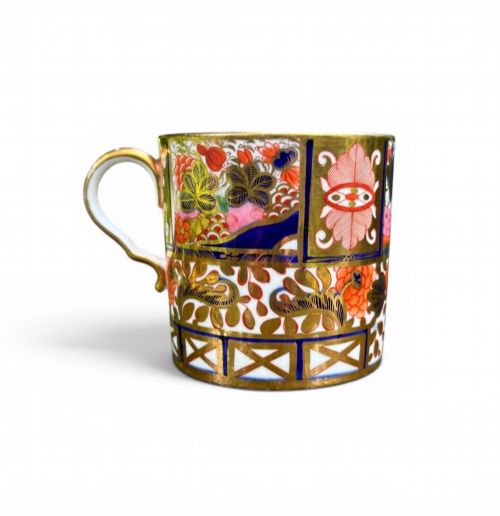
The pieces on this page include Davenport porcelain cups and saucers and a Minton set. These examples show the domestic forms typical of the Regency period and the year eighteen hundred.
What varies in quality
Quality rests in the precision of the hand-painted enamel glaze and the application of gold leaf. Finer sets display crisp detail in pictorial motifs like the Bengal Tiger design.
The finesse of the porcelain and bone china body determines the refinement of each cup and saucer. Earlier Regency pieces demonstrate the skill of leading factories in shaping delicate ceramics.
Listings feature bone china and porcelain from the Regency period, incorporating enamel glaze and gold leaf decoration.
Davenport·Minton
The Antique Porcelain Teaware Glossary
- Bone china
- A type of porcelain containing bone ash, known for its strength and translucent quality. This material formed the basis for many early nineteenth-century teaware sets.
- Enamel glaze
- A glassy coating fused to the ceramic body through firing, providing a smooth finish. It protects the painted decoration underneath.
- Gold leaf
- Hammered gold beaten into extremely thin sheets, applied to ceramics for surface decoration. It adds metallic lustre to the rims and handles of teacups.
Antique Porcelain Teaware: Frequently Asked Questions
What is antique porcelain teaware?
Antique porcelain teaware includes cups, saucers and matched sets produced during the Regency period. These items were made for domestic tea consumption.
The surviving examples combine ceramic bodies with hand-painted enamel decoration and gold leaf accents.
How old is this teaware?
The pieces available date from the early nineteenth century, specifically the Regency era around eighteen hundred to eighteen twenty.
Evidence from listings places these items in a distinct historical period associated with specific ceramic factories.
What materials are used?
Makers used porcelain and bone china to form the cups and saucers. These ceramic bodies provided a stable base for detailed painting.
Surface decoration relied upon enamel glaze for colour and gold leaf for metallic detailing.
Who made these pieces?
Noted English potteries such as Davenport and Minton produced tea sets during this era. Their workshops employed skilled painters and ceramicists.
Maker marks and stylistic motifs help identify the origin of individual cups and saucers.