


Antique Porcelain Serving Tray
An antique porcelain serving tray brings hand-painted panels, gilt borders and centuries of European and Asian kiln artistry directly to the table.
Antique Porcelain Serving Tray
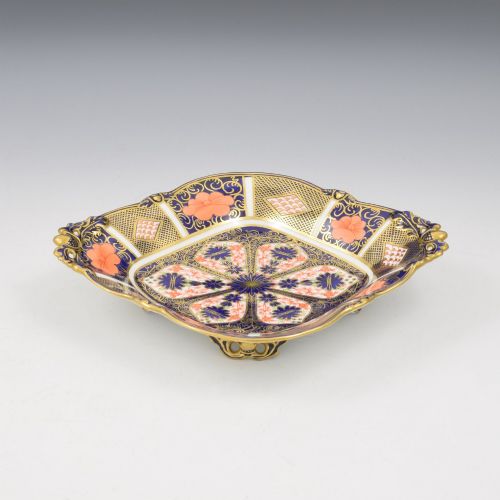
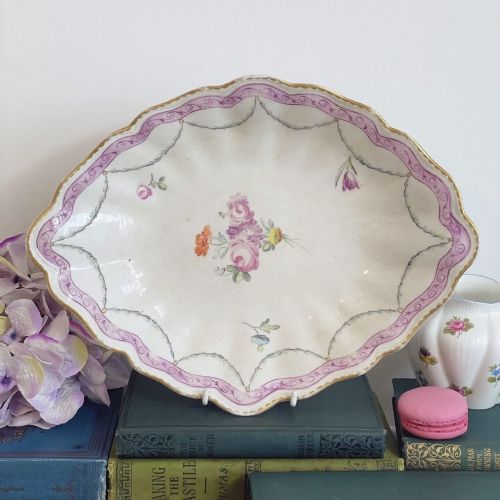
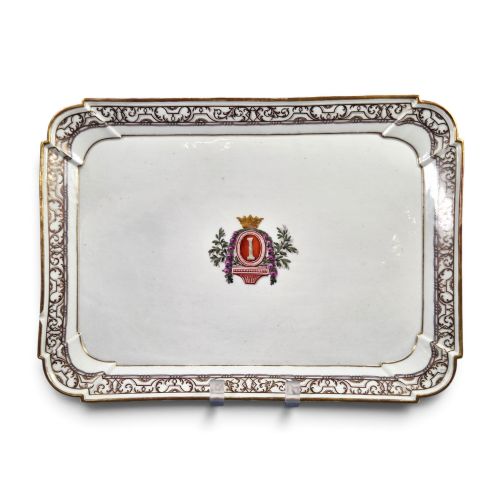
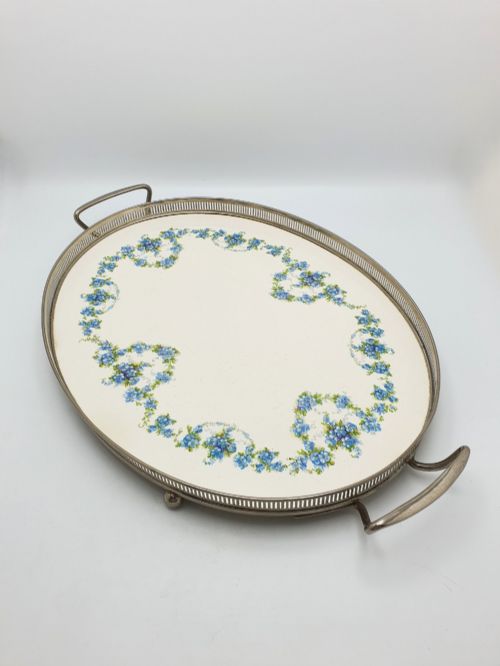
An antique porcelain serving tray encompasses varied forms such as oval platters, shaped dishes, rectangular servers and multi-piece hors d'oeuvre sets designed for presentation. The pieces span the eighteenth, nineteenth and early twentieth centuries, drawing on periods from Georgian and Regency to Victorian and Edwardian.
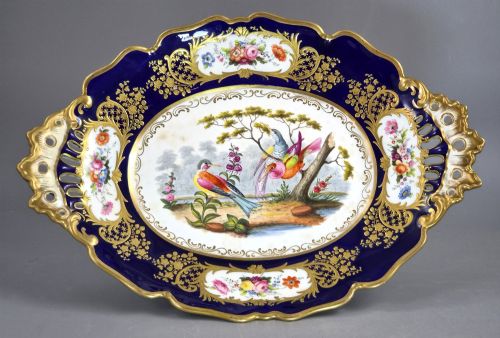
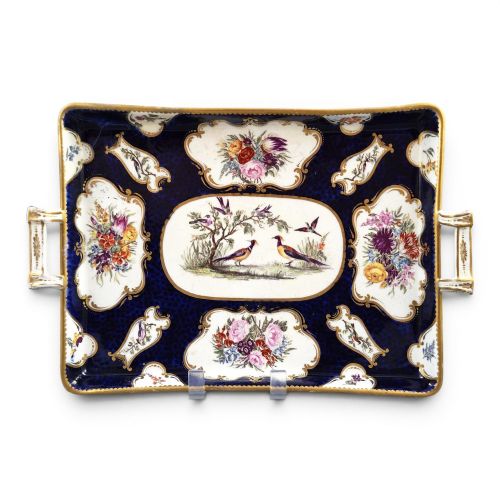
The objects originate from notable European factories including Worcester, Derby, Minton, Meissen, Sèvres and Vienna, alongside Chinese Export and Japanese Meiji production. Buyers encounter hand-painted floral reserves, exotic birds, mythological scenes and blue-and-white patterns on hard-paste porcelain, bone china and ceramic bodies.
Materials and manufacture
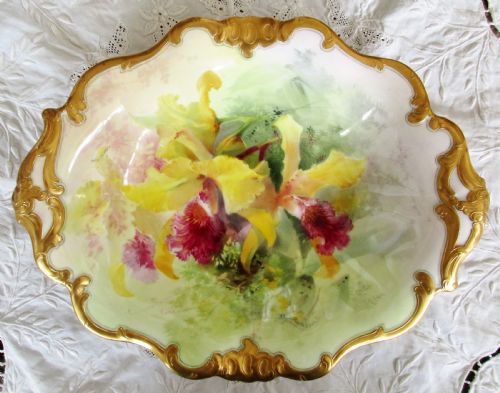
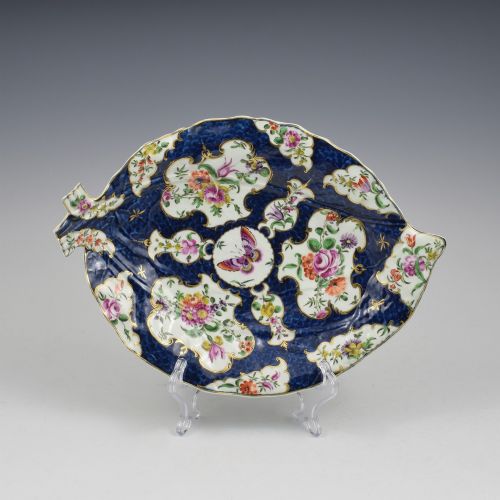
Potters shaped hard-paste porcelain, bone china and ceramic using moulds or throwing techniques before applying underglaze blue, enamel colours and gilding. Artisans frequently used gold leaf and rich cobalt blue grounds to highlight moulded borders and central painted motifs.
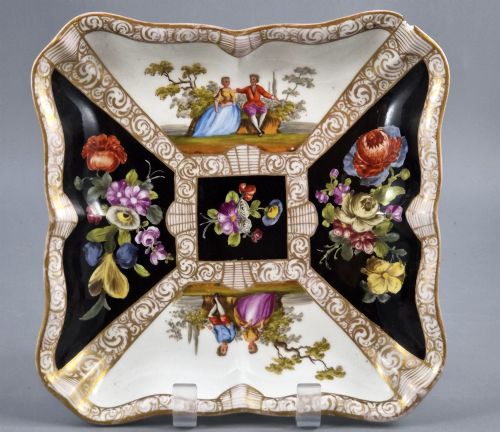
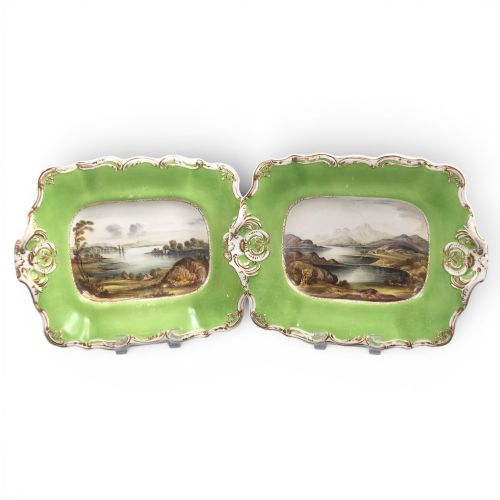
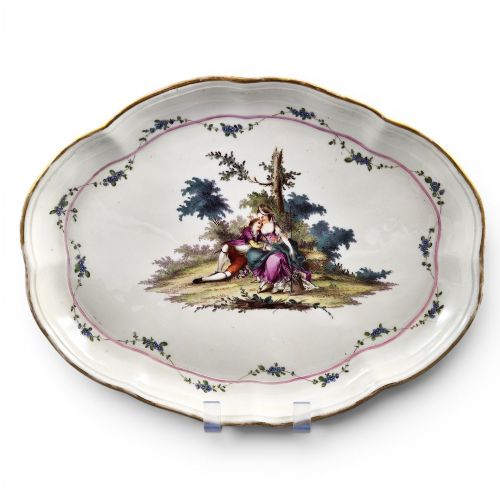
Kiln firing fixed the detailed polychrome pigments, Watteau scenes, and hand-painted fruit or botanical studies onto the glazed body. Many works received specific factory marks, pattern numbers or attribution to painters such as David Dewsberry and R. Sebright.
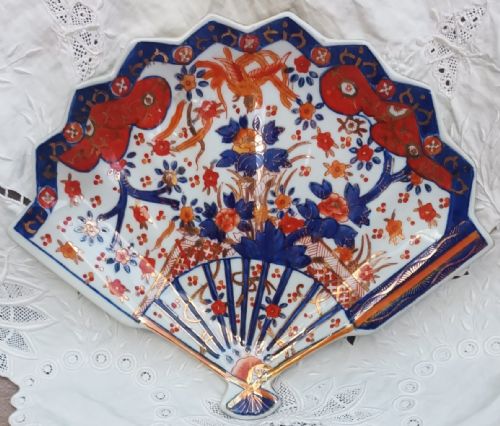
The inventory records pieces from diverse traditions including Chinese Export Canton ware, Japanese Meiji Imari, and European factories like Minton and Wedgwood.
Assessing quality and execution
Quality reveals itself in the crispness of the porcelain moulding, the control of the cobalt blue underglaze and the precision of the hand-painted details. Finer examples display meticulous brushwork in floral sprays, figural scenes and gilt highlights without blurring or excessive kiln smoke.
The distinction between standard commercial output and superior wares lies in the artistic ambition of the painting and the complexity of the form, such as pierced rims or twin handles. Established factories like First Period Worcester, Meissen or Sèvres maintain rigorous standards in paste preparation and enamel application.
Royal Crown Derby·Ludwigsburg Porcelain·Coalport·Meissen Porcelain·Royal Doulton·Worcester·James Giles·Copeland and Garrett·Joseph Gaspard Robert·Minton·Carlton Ware·Paul Muller Selb·Sevres Porcelain·Samson Paris·Royal Worcester·Regency Ridgway·Spode Porcelain·Barr Flight and Barr·Wedgwood·KPM
The Antique Porcelain Serving Tray Glossary
- Hard-paste porcelain
- A dense, vitrified ceramic composed of kaolin and petuntse fired at high temperatures. It forms the durable white body typical of many continental and oriental serving trays.
- Bone china
- A hybrid porcelain incorporating animal bone ash into the paste. This material yields a translucent body favoured by English potteries for shaped dishes.
- Gilding
- The application of gold leaf or powdered gold to ceramic surfaces. Artisans use this technique to accentuate rims, handles and decorative borders.
- Polychrome
- A multi-coloured decorative scheme utilising various enamel pigments. Painters apply these colours by hand to depict floral bouquets, birds and historical scenes.
- Imari
- A decorative style originating in Japan and widely copied in Europe featuring underglaze blue, iron red and gilt details. It appears frequently on serving trays and platters.
Antique Porcelain Serving Tray: Frequently Asked Questions
How were antique porcelain serving trays used?
These pieces served food and drink in formal dining rooms or displayed sweetmeats, fruit and hors d'oeuvres during nineteenth-century gatherings. Larger platters managed roasted meats or side dishes while smaller trays held desserts or cabinet wares.
Over time, many transitioned from functional dining implements to decorative display items shown on sideboard shelves or mounted on walls to highlight their painted panels and gilt work.
How do I clean and care for an antique serving tray?
Wash the tray gently by hand using lukewarm water and a mild detergent, avoiding abrasive sponges or harsh chemical cleaners that can damage the enamel and gilding. Dry the surface immediately with a soft, lint-free cloth.
Keep the piece away from direct sunlight and extreme temperature fluctuations to prevent crazing in the glaze or weakening of historical repairs.
How can I tell the difference between English and continental porcelain?
English factories like Worcester, Derby and Spode frequently utilised bone china or softer porcelain bodies in the early nineteenth century, often marked with pattern numbers or script factory names. Continental makers such as Meissen, Sèvres and Vienna typically employed hard-paste porcelain and used underglaze blue swords, crowned monograms or impressed shields.
Stylistic cues also separate regions, with French and German works favouring elaborate classical figures and Watteau scenes, while English designs often leaned towards botanical studies and Imari interpretations.
What do factory marks and pattern numbers tell us?
Factory marks provide a primary clue to the origin, studio and general production period of a serving tray. Painted or impressed symbols identify whether a piece emerged from a state-sponsored kiln like Sèvres or a private English enterprise.
Pattern numbers help narrow down the exact manufacturing decade, linking surviving pieces to factory ledgers and specific decorator hands.