



Antique Porcelain Rose Jar
These antique porcelain rose jar pieces bring floral fragrance and vibrant enamel colour into domestic spaces.
Antique Porcelain Rose Jar
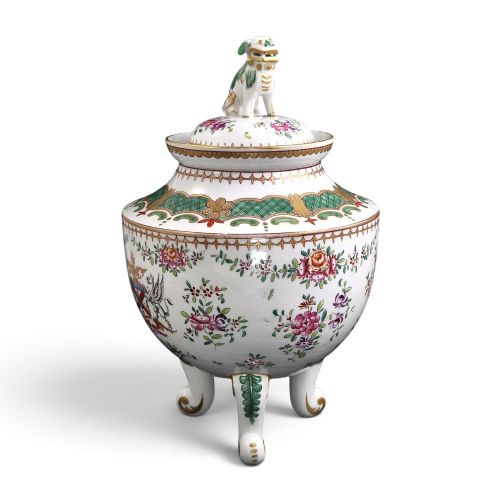
When you search for an antique porcelain rose jar, you find lidded vessels designed to hold dried petals and spices for scenting rooms. The examples on this page span the eighteenth century to the mid twentieth century, covering both English and Chinese export origins.
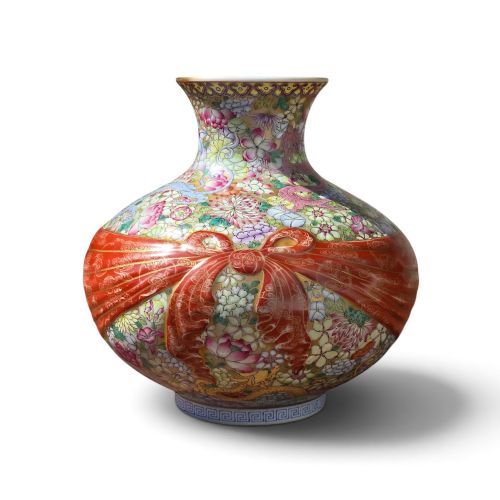
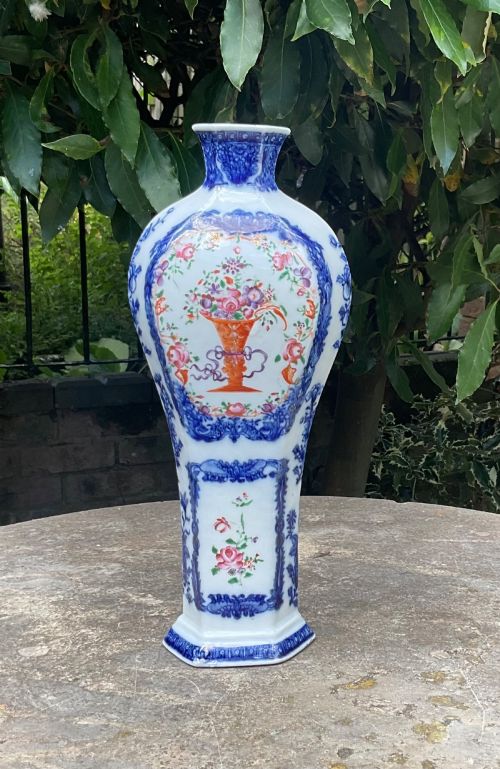
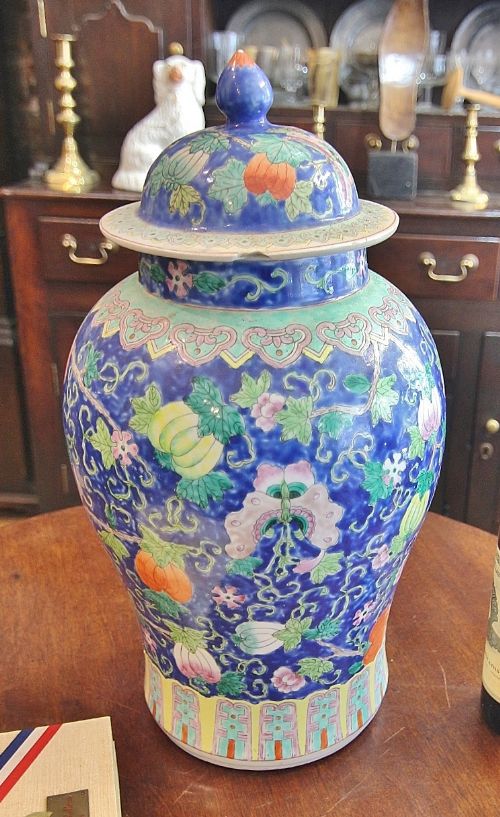
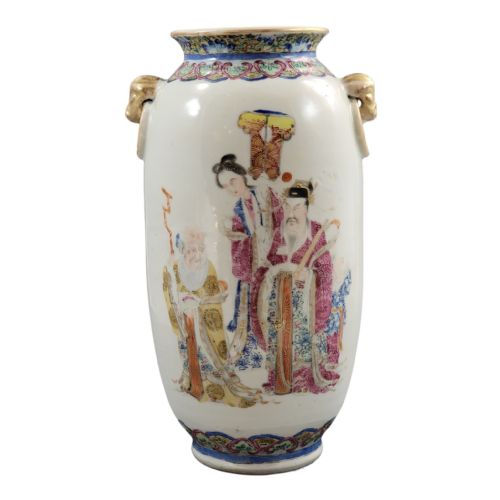
Chinese production dominates the selection, featuring Qing dynasty pieces decorated in Cantonese, Rose Medallion and Famille Rose styles alongside English works from factories such as Royal Worcester. You encounter ginger jars, baluster vases with covers and dedicated potpourri forms among the listed objects.
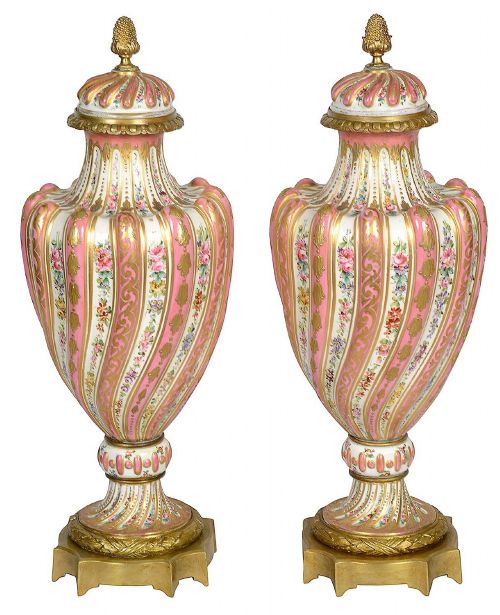
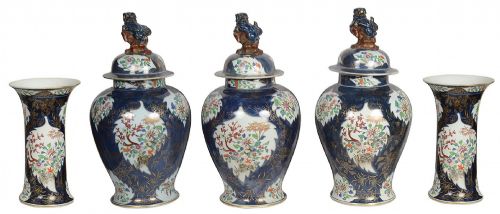
Many of these vessels have been adapted into table lamps over time while retaining their original porcelain bodies and painted surfaces. Others remain in their original lidded vase configuration, serving as decorative urns or garniture pieces.
How they were made
Potters shaped the ceramic bodies from porcelain clay before applying intricate designs through hand-painting techniques. Overglaze enamel colours, including iron-red and diverse floral palettes, were fused to the surface in kilns.
Gilt highlights and gold leaf accents frequently embellish the painted scenes, complementing brass fittings on pieces converted into lamps. Certain European and English works utilise wood or fabric elements in their subsequent mountings and shades.
Several ginger jars have quietly abandoned their original scent-diffusing duties to moonlight as dramatic bedside lamps.
What varies in quality
The precision and detail of the hand-painted enamels separate standard commercial production from finer artistic output. Figurative scenes involving multiple characters, birds or intricate millefleurs patterns require greater skill than repetitive geometric borders.
The presence of matching original covers on baluster vases and ginger jars influences the integrity of the piece. Preservation of the original overglaze colours and gold leaf without excessive rubbing dictates the visual impact of the ceramic.
The Antique Porcelain Rose Jar Glossary
- Famille Rose
- A major palette of Chinese ceramic enamels introduced in the Qing dynasty, distinguished by opaque pink or rose colours derived from colloidal gold.
- Potpourri Jar
- A lidded vessel perforated to allow dried rose petals and botanical scents to diffuse into a room.
- Rose Medallion
- A nineteenth century Cantonese decorative style featuring panels of figures alternating with birds and flowers, arranged around a central medallion.
- Baluster Vase
- A tall vase with a rounded body that tapers towards the base and flares slightly at the neck.
- Overglaze Enamel
- Coloured glass decoration applied on top of a previously fired and glazed porcelain surface, then fixed with a lower temperature second firing.
Antique Porcelain Rose Jar: Frequently Asked Questions
How do I tell Chinese export pieces apart?
Chinese export pieces from the Qing dynasty typically feature distinct palette names like Famille Rose or Rose Medallion, alongside characteristic brushwork.
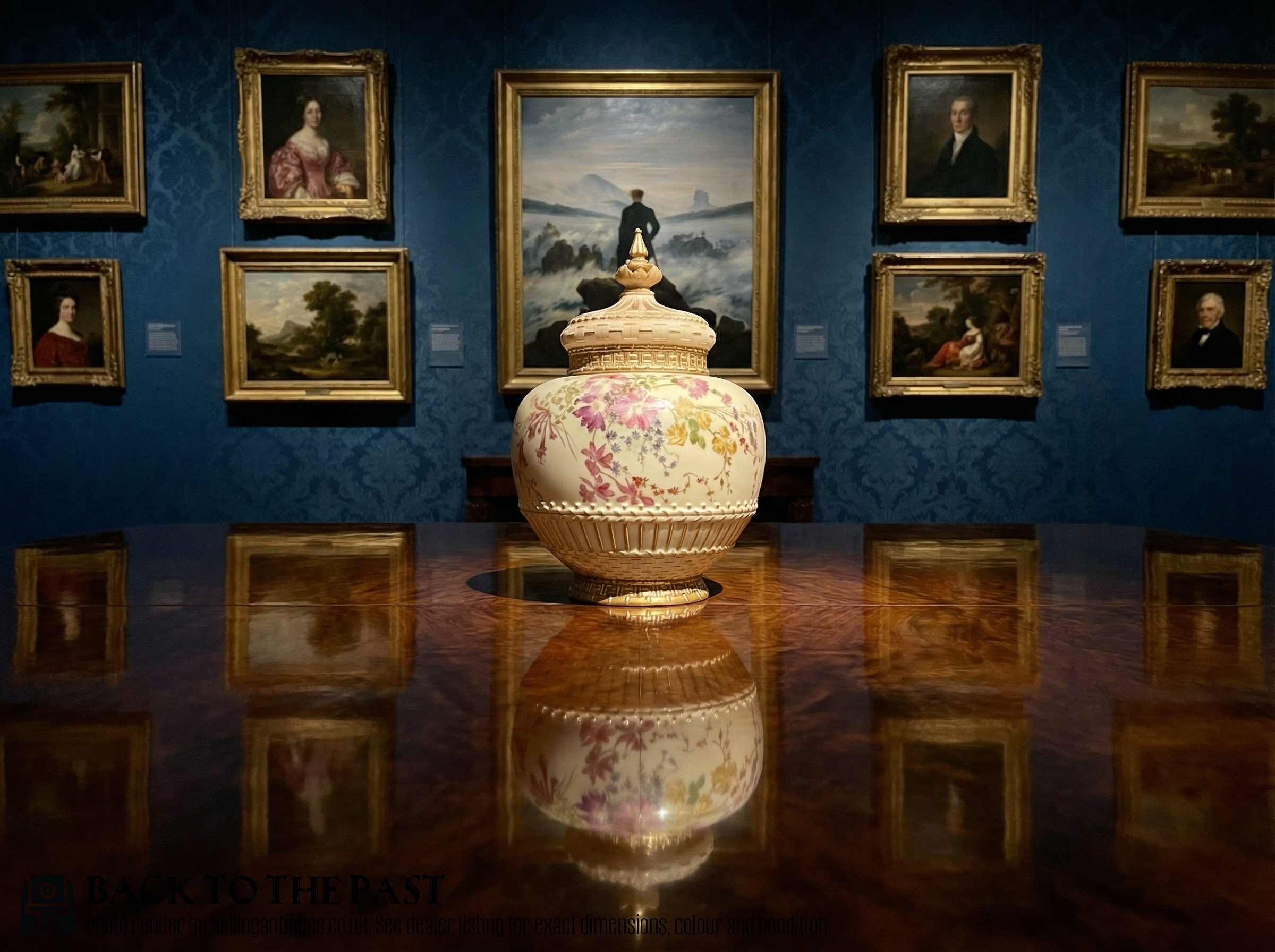
European factories like Royal Worcester produced distinct English interpretations of rose jars with blush ivory glazes and hand-painted floral motifs.
Are these jars sold with their original covers?
Many of the baluster vases and ginger jars retain their matching lidded covers, which is significant for symmetry and completeness.
Some listings note converted lamp fittings where the original lid configuration is altered or absent to accommodate electrical components.
How should I clean my porcelain rose jar?
Dust the porcelain surface gently with a soft dry cloth to protect fragile overglaze enamels and gold leaf highlights.
Avoid using chemical cleaning solutions or immersing antique ceramics in water, particularly where gilt or hand-painted details are exposed.