

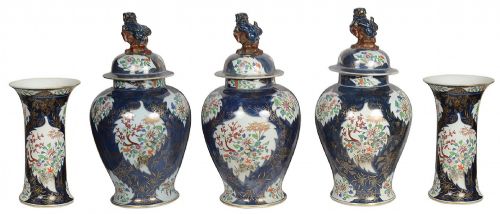

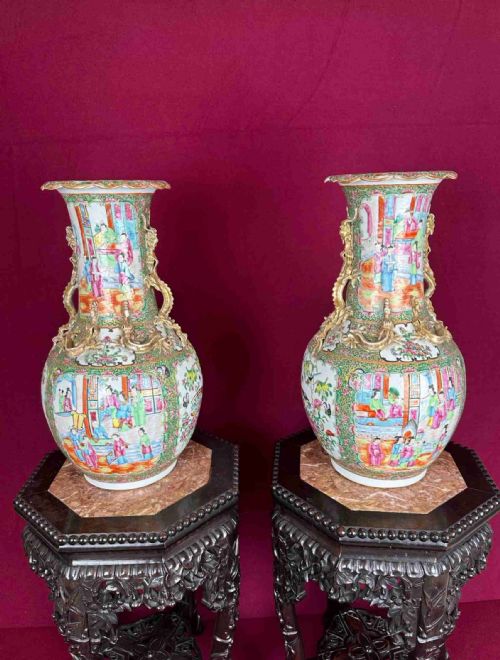


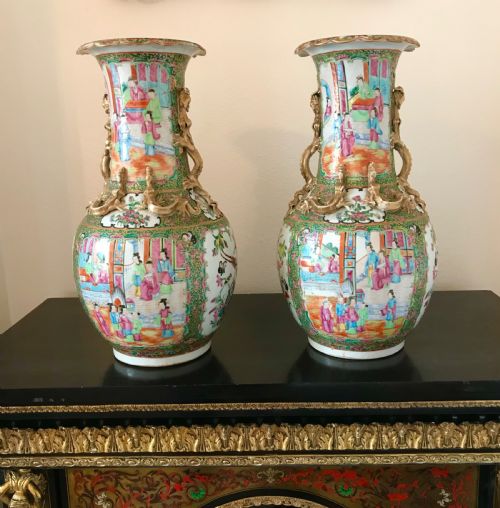

Gilded Porcelain Rose Jar
These gilded porcelain rose jars bring floral scent and rich decoration to a room, drawing on centuries of ceramic tradition.
Gilded Porcelain Rose Jar
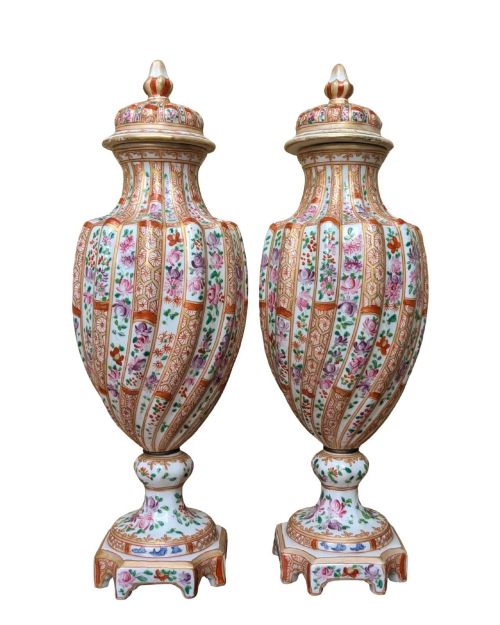
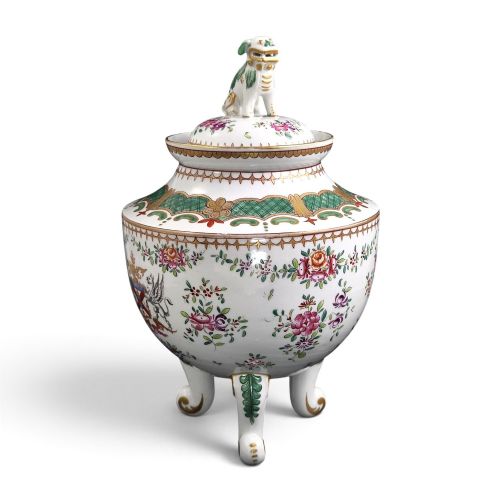
A gilded porcelain rose jar is a covered vessel designed to hold dried petals and fragrant spices, filling a space with subtle scent. When you search for a gilded porcelain rose jar, you encounter forms ranging from nineteenth-century English manufactory pieces to French Rococo Revival mounts and Chinese export wares.
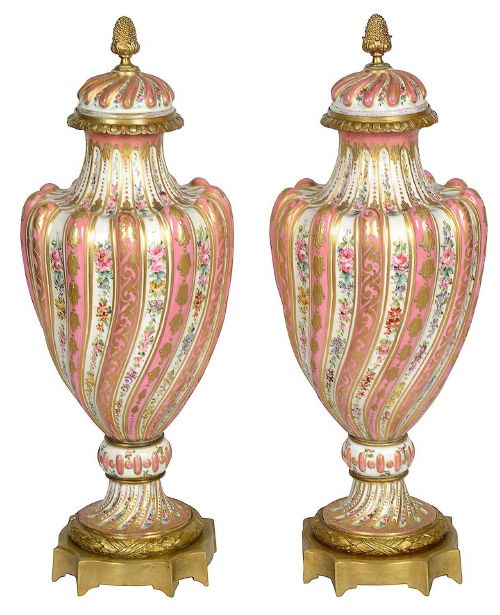
The pieces on this page span the nineteenth century through the mid-twentieth century, including Victorian creations and later twentieth-century studio interpretations. They appear as lidded vases, potpourri jars, and garniture vessels, often mounted in gilt metal or ormolu.
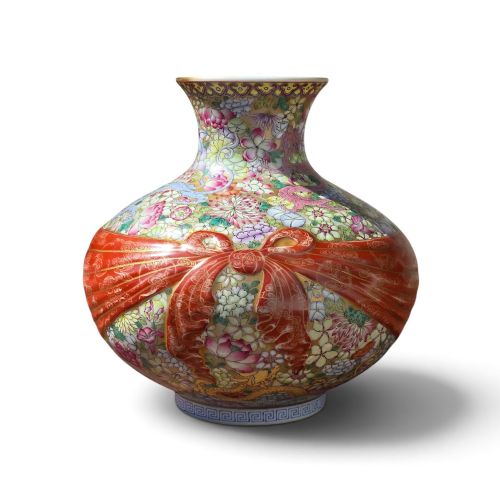
Many examples lean into distinct stylistic traditions, notably Chinese Canton and Famille Rose styles, alongside English works from makers such as Royal Worcester. Buyers frequently meet pieces that combine hand-painted floral decoration with heavy gilding and pierced covers designed to release fragrance.
How they were made
The foundation of these objects is hard-paste porcelain or standard porcelain, shaped into jars, urns, and vases before undergoing high-temperature firing. Artisans then applied enamel colours and detailed hand-painted motifs, including rose sprays, millefleurs patterns, and armorial designs.
Gilding was added using gold leaf or gold gilt, applied by hand to rims, handles, and raised relief elements to catch the light. Some nineteenth-century examples incorporated ormolu or gilt metal mounts, requiring specialist casting and assembly to frame the ceramic body.
Gilded Porcelain Rose Jar Retail Price Guide 2026
Typical asking prices for gilded porcelain rose jar among the pieces listed under this phrase on Sellingantiques today, from the lower quarter to the upper quarter. They describe what is for sale here now, not the wider market.
Listings feature porcelain, enamel, and gold leaf across periods from the nineteenth century to the mid-twentieth century.
What varies in quality
Quality in these jars rests on the precision of the hand-painting and the crispness of the porcelain moulding. Finer pieces display carefully controlled enamel work and delicate brushstrokes, particularly in floral panels and figural scenes.
The application of the gold leaf or gilt also dictates the piece's standing, with superior examples showing rich burnished surfaces that have retained their depth over generations. Mounts, where present, reveal quality through their weight, secure fitting, and the sharpness of their cast detail.
Royal Worcester·Samson Paris
The Gilded Porcelain Rose Jar Glossary
- Hard-Paste Porcelain
- A dense, durable ceramic composed of kaolin and petuntse, fired at high temperatures. It forms a vitreous body that resists scratching and holds fine enamel decoration securely.
- Ormolu
- Gilded bronze or brass mounts used to ornament ceramic bodies. This technique became prominent in French revival styles during the nineteenth century.
- Famille Rose
- A palette of Chinese ceramic enamels dominated by opaque pink or rose colours, introduced in the eighteenth century and revived in later export wares.
- Potpourri
- A mixture of dried fragrant plant material placed inside a pierced vessel to scent a room. The jars designed for this purpose feature perforated lids to allow the aroma to escape.
Gilded Porcelain Rose Jar: Frequently Asked Questions
What is a rose jar used for?
A rose jar serves to hold potpourri, which is a blend of dried rose petals, herbs, and spices used to scent living spaces. The pierced covers allow the fragrance to diffuse gently into the room while keeping the botanical material neatly contained.
Beyond their practical function, these jars act as decorative ornaments on mantelpieces, side tables, and cabinets. Their painted surfaces and gilt details add colour and traditional craftsmanship to an interior.
How do I clean a gilded porcelain jar?
Dust these vessels gently with a soft, dry brush to prevent accumulation in crevices and around pierced covers. Avoid using water, detergents, or abrasive cloths, which can damage delicate enamel painting and wear away the gold leaf.
If the interior requires cleaning due to residual potpourri dust, use a dry cloth or a very slightly damp cotton swab with extreme care. Keep harsh cleaning agents entirely away from any gilt metal or ormolu mounts.
How do I tell nineteenth century pieces apart?
Nineteenth-century pieces often display stylistic crossovers, such as European manufactories imitating Chinese export patterns or French revival mounts added to oriental porcelain. Examining the base, paste density, and style of the hand-painting helps distinguish English and European works from Asian exports.
Makers' marks, where present underneath the glaze, provide a reliable guide to origin and period. Comparing the weight of the ceramic and the application of the enamel gives further clues to whether a piece belongs to the early Victorian era or the later decades of the century.