
Antique Porcelain Pottery
Antique porcelain pottery spans centuries of diverse traditions, offering collectors durable ceramic vessels and decorative objects created across global kiln centres.
Antique Porcelain Pottery
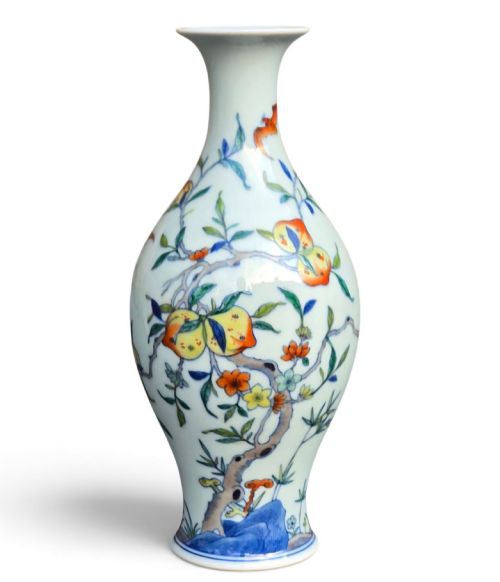
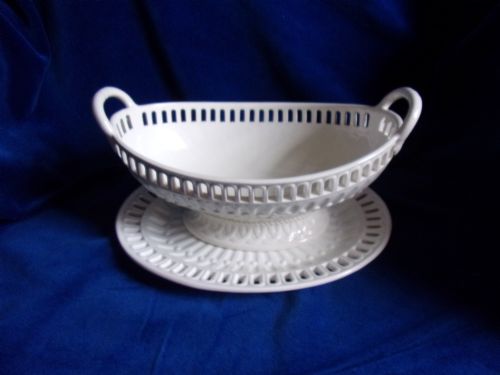
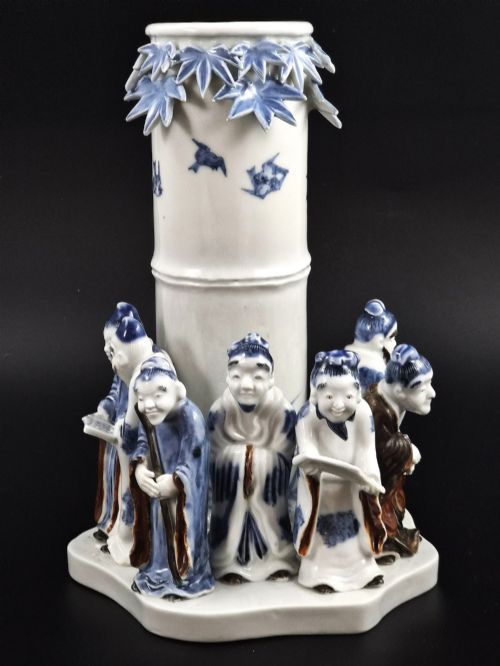
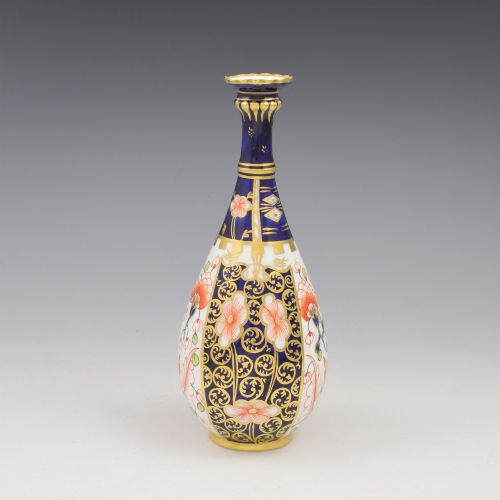
When searching for antique porcelain pottery, buyers encounter a broad selection of ceramic and earthen vessels originating from European, Chinese, and Japanese traditions. These pieces range from utilitarian creamware baskets and earthenware jugs to highly decorative porcelain vases, chargers, and ginger jars produced across the sixteenth to twentieth centuries.
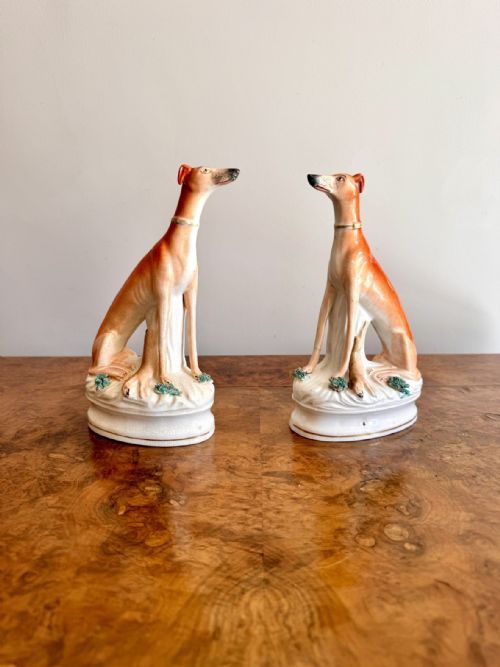
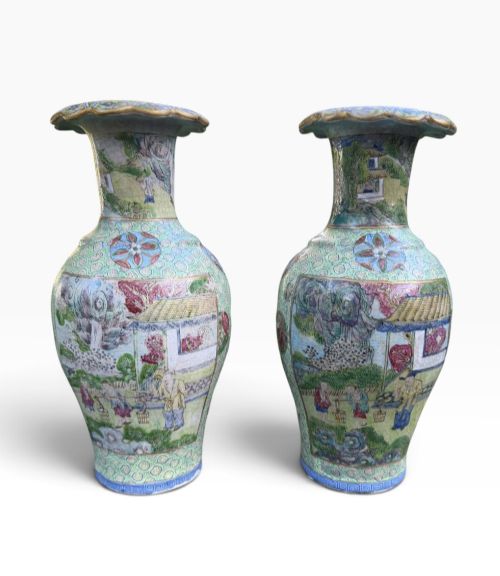
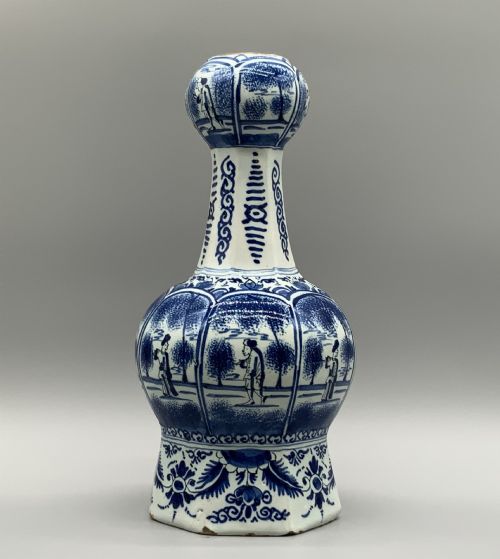
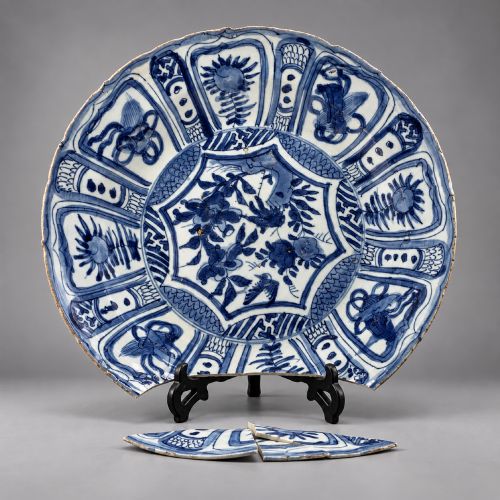
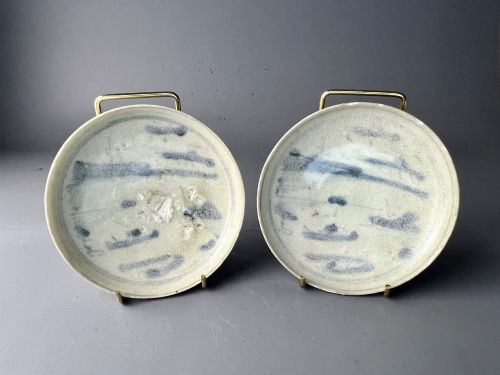
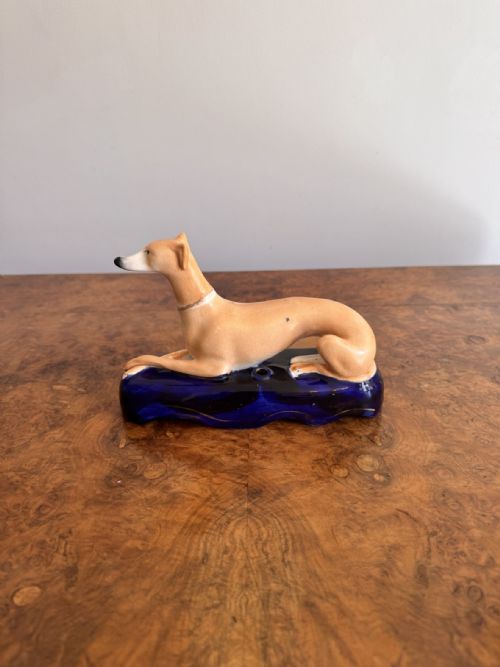
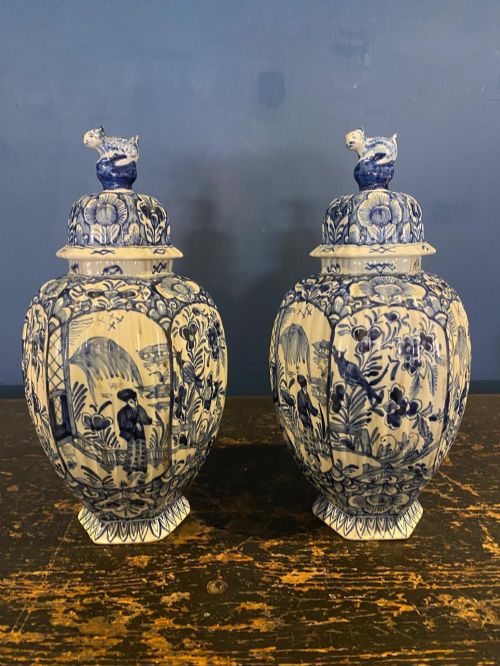
Vases and decorative chargers form the majority of the available inventory, representing distinct stylistic periods such as the Qing Dynasty, the Meiji period, and the Victorian era. European potteries contribute Delft faience, Staffordshire figures, and Wedgwood lustreware, while Asian kilns provide Kraak porcelain, blue and white dishes, and intricate Satsuma earthenware.
The objects serve primarily as decorative focal points, continuing a long history of display in domestic interiors. Buyers select these items to bring historic craftsmanship and traditional glazing techniques into contemporary spaces.
How They Were Made
Potters shaped these objects using fine clays, kaolin-based porcelain mixtures, and stoneware bodies, often finishing the surfaces with lead glazes, cobalt blue underglazes, or tin opacifiers. Artisans applied hand-painted pigments, enamel details, and gold leaf before firing the pieces in wood or coal-burning kilns at high temperatures.
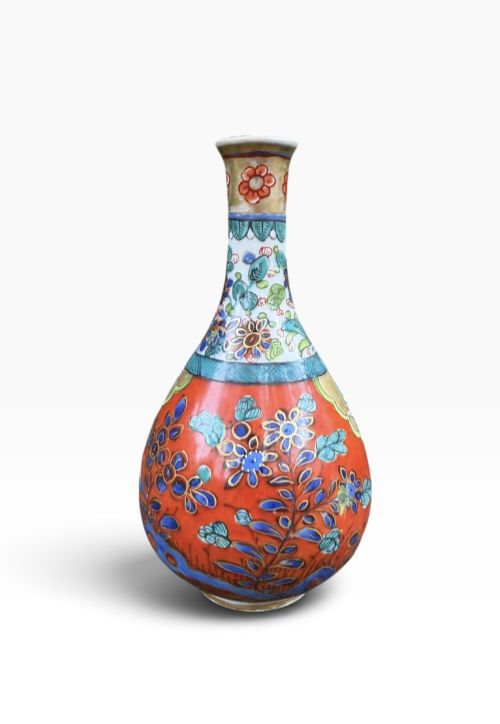
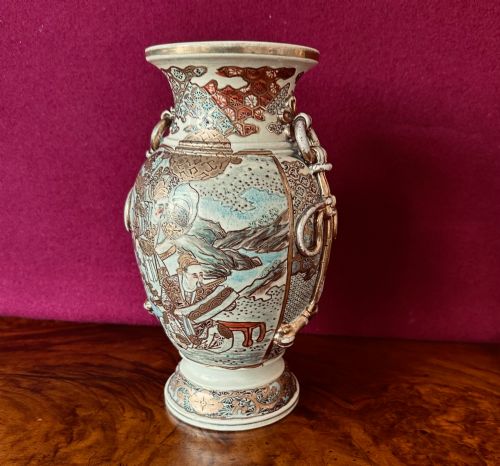
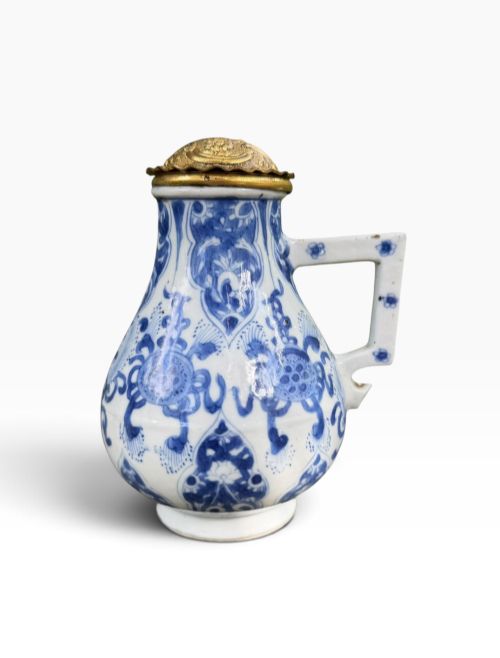
Techniques varied by region and period, encompassing the delicate blue and white painting of Ming and Qing dynasties, the rich moriage relief work on Japanese Satsuma ware, and the transfer-printing or lustre applications found in English factories. Metal mountings, gilt bronze accents, and clobbered overglaze decorations were frequently added after the initial firing to enhance the visual complexity of the finished vessels.
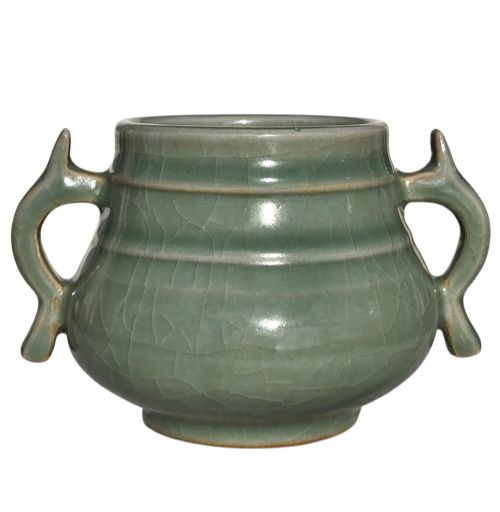
The inventory includes diverse forms such as tripod censers, ginger jars, stirrup cups, and garniture sets across multiple global traditions.
What Varies in Quality
The standard of an antique ceramic piece depends heavily on the precision of its throwing, the clarity of its painted or printed decoration, and the stability of its glaze during firing. Superior examples display balanced proportions, crisp brushwork without excessive bleeding, and controlled application of enamel or gilt highlights.
Provenance and workshop reputation also dictate the standing of individual items, distinguishing standard commercial output from imperial-taste commissions or works by named designers. The depth of the glaze, the absence of kiln distortion, and the preservation of delicate overglaze details mark the distinction between ordinary domestic wares and exceptional collector pieces.
Wedgwood·Mason's·Royal Crown Derby·Jacob Petit·Royal Bonn
The Antique Porcelain Pottery Glossary
- Creamware
- A refined earthenware developed in England during the eighteenth century, noted for its pale yellowish-cream hue and clear lead glaze. Wedgwood and other Staffordshire potteries utilised this body extensively for tableware and baskets.
- Clobbered
- A descriptive term for older Asian or European porcelain that received secondary overglaze decoration and re-firing in European workshops, usually adding bright enamel colours and gilt. This practice altered the original aesthetic to suit Western tastes of the seventeenth and eighteenth centuries.
- Kraak porcelain
- Chinese export porcelain produced mainly during the late Ming dynasty, characterised by thin bodies, panelled border designs, and cobalt blue painting depicting floral or animal motifs. It frequently reached Europe via Dutch East India Company trade.
- Moriage
- A decorative ceramic technique associated with Japanese Satsuma ware, where liquid clay is piped onto the surface to create raised, textured patterns before painting and gilding. This method yields a tactile, highly ornate finish.
- Celadon
- A term for ceramic glazes featuring pale green or grey-green tones, originating in China and mimicking the appearance of jade. The subtle coloration results from iron oxide interacting within a reduction kiln atmosphere.
Antique Porcelain Pottery: Frequently Asked Questions
What is Satsuma ware?
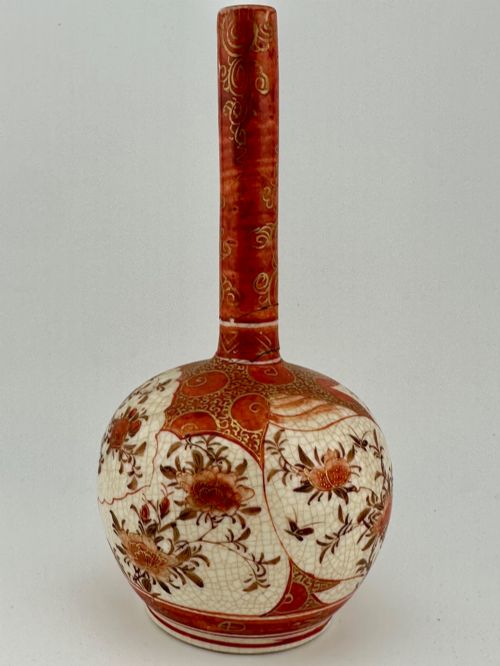
Satsuma ware is a type of Japanese earthenware traditionally characterised by a crackle-glaze ivory body and detailed polychrome enamel paintings enhanced with gold. Originating in Kagoshima Prefecture, production later expanded to Kyoto and other urban centres.
These decorative vessels often depict figural scenes, landscapes, and floral motifs. They became a major export category during the Meiji period for Western collectors.
How do I identify Delft pottery?
Delft pottery consists of tin-glazed earthenware, known as faience, produced in the Netherlands from the sixteenth century onward. It typically exhibits a white tin enamel surface painted with blue designs inspired by Chinese porcelain.
Look for a somewhat porous clay body where the glaze has chipped along the rims. Many pieces display maker marks or town signatures on the unglazed base.
Where should I display heavy chargers?
Support heavy decorative chargers and platters using sturdy, wall-mounted plate hangers with rubber-coated prongs to protect the edges. Ensure the fixing hooks are secured directly into wall studs or masonry.
Alternatively, display them on deep plate stands placed on stable, flat surfaces away from heavy foot traffic. Keep them out of direct sunlight to prevent fading on enamelled surfaces.