

Antique Porcelain Painting
An antique porcelain painting brings together delicate ceramic bodies and meticulous hand-applied pigments across centuries of European and Asian manufacture.
Antique Porcelain Painting
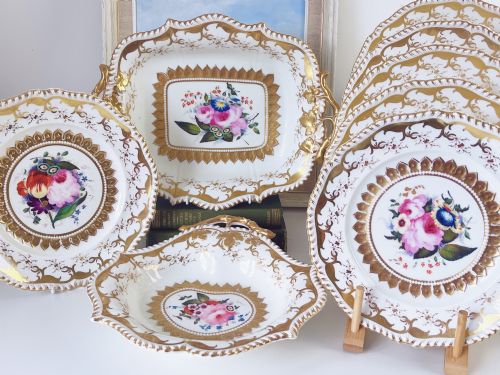
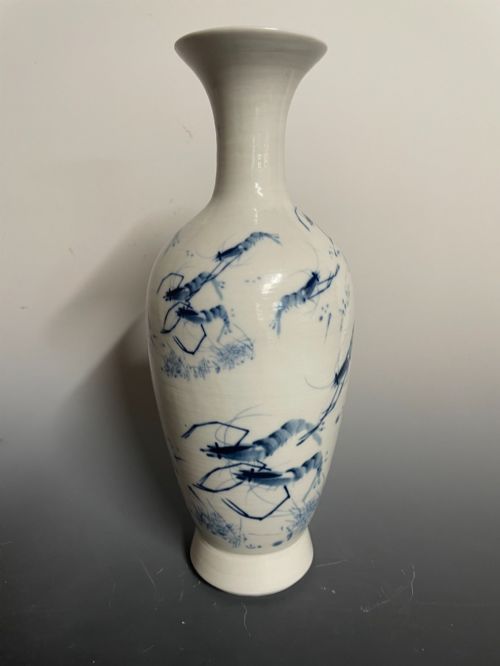
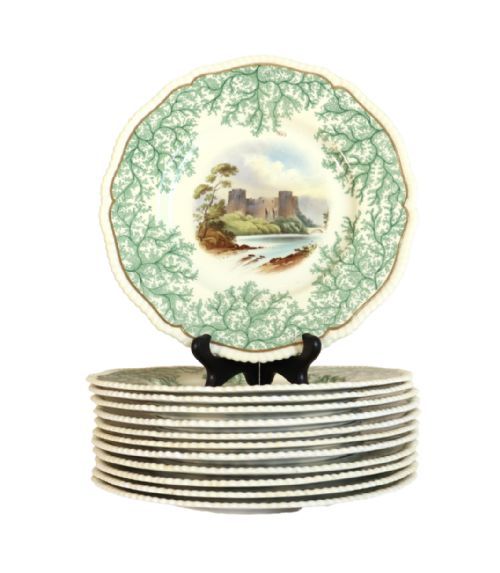
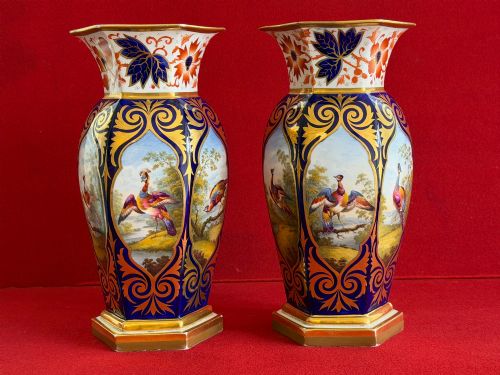
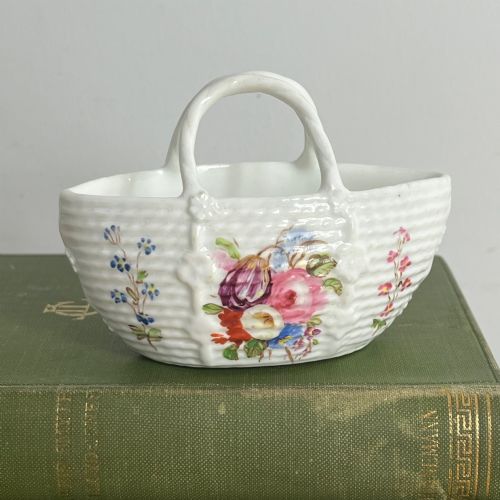
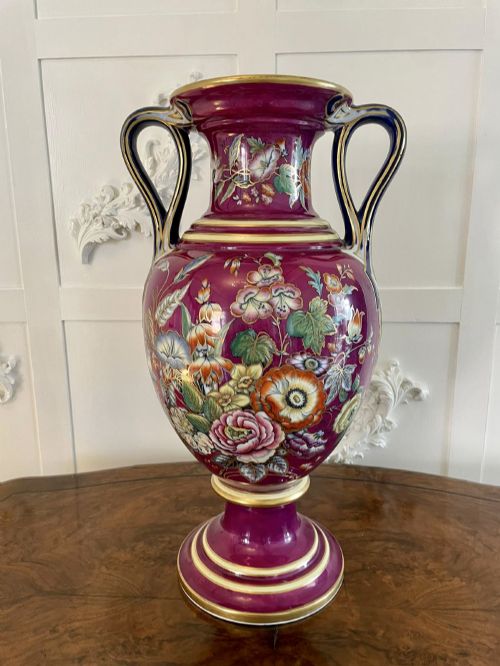
When you search for antique porcelain painting, you encounter a diverse array of decorative and utilitarian objects where fired ceramic surfaces serve as canvases for detailed artistic scenes and floral motifs. The pieces available on this page span the eighteenth and nineteenth centuries, taking the form of cabinet plates, vases, tea services, and decorative chargers from English, French, and Asian origins.
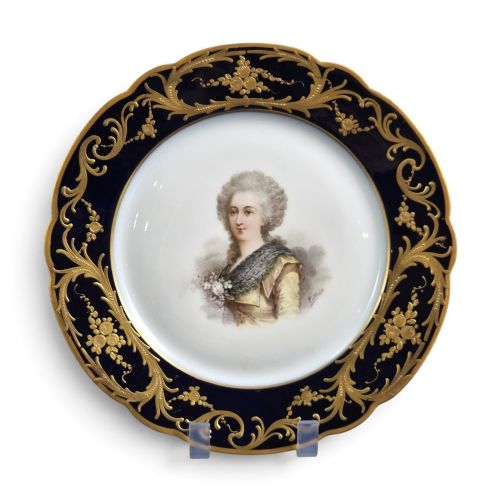
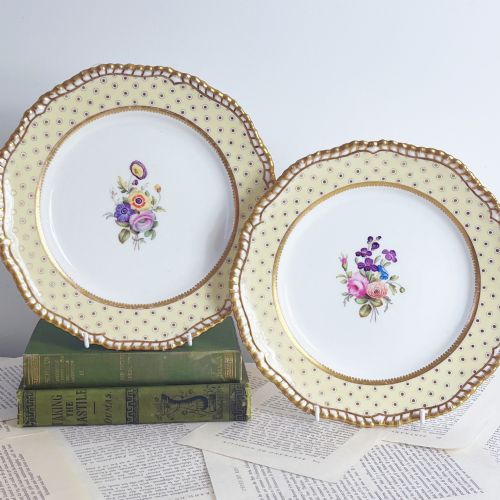
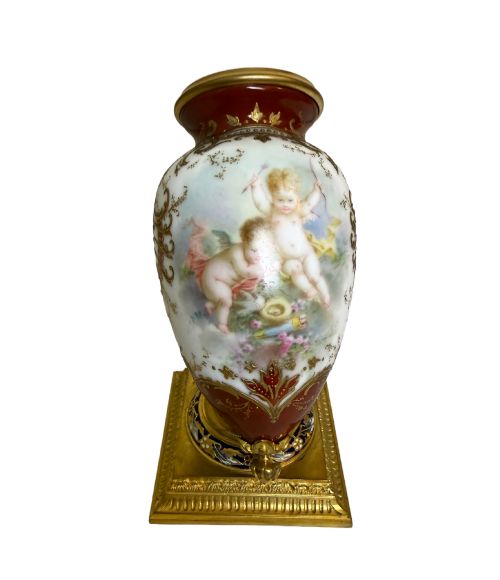
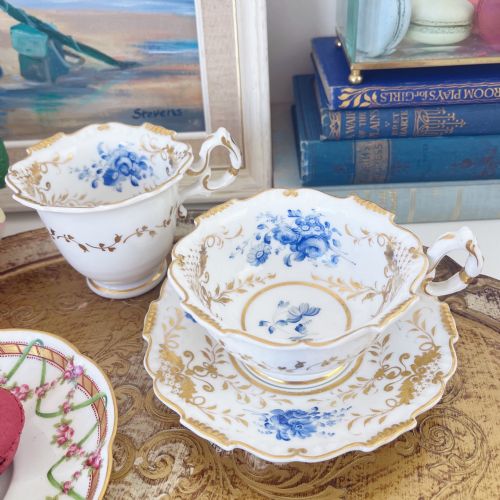
English factories such as Worcester, Spode, and H & R Daniel frequently appear alongside French Sèvres-style works and Japanese Imari or Satsuma pieces. Domestic tea trios and dessert services display botanical studies and birds, while larger continental urns and French clocks incorporate hand-painted portraits and landscape panels within gilt mounts.
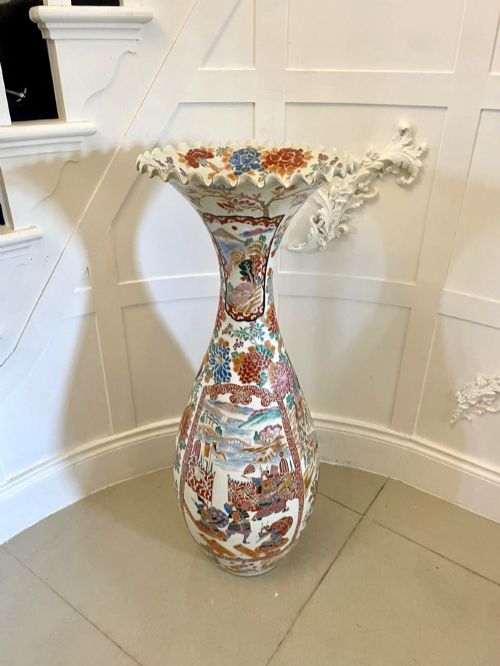
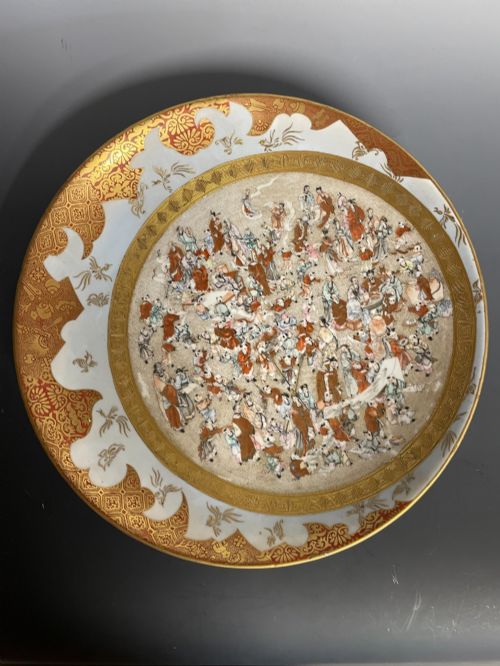
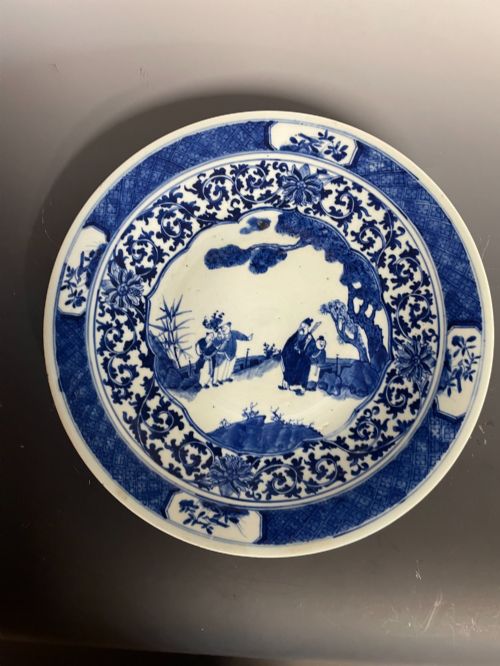
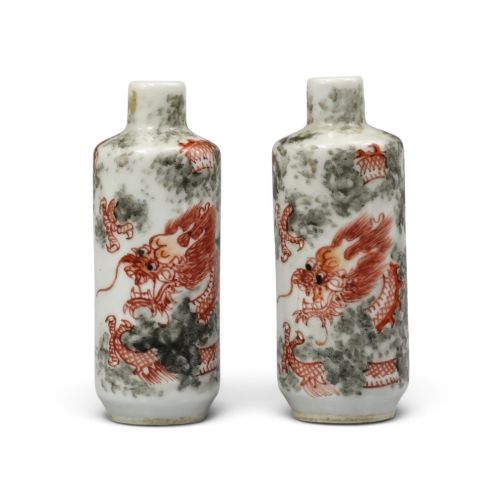
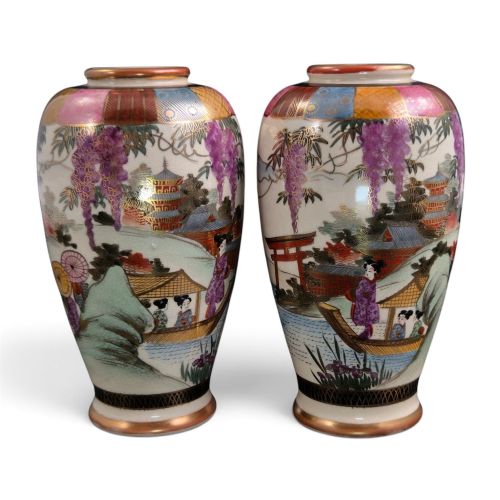
Vases and dishes from Japanese traditions utilise rich glazes and iron-red detailing to build intricate pictorial compositions. Whether meeting an eighteenth-century Worcester tea canister or a late nineteenth-century French portrait plate, the collector engages directly with high-temperature ceramic arts combined with miniaturist painting techniques.
Materials and Techniques
The creation of these painted ceramics begins with bodies formed from soft-paste porcelain, bone china, or hard-paste formulas, which are shaped into vessels, plates, and figurines before undergoing an initial high-temperature biscuit firing. Artisans then apply mineral pigments and enamel colours directly onto the glazed or unglazed ceramic surface, often incorporating gold leaf and heavy gilding to frame the central imagery.
Once the hand-painted designs and botanical scenes are applied, the pieces undergo subsequent kiln firings to fuse the metallic oxides and enamels permanently into the glaze. French and English workshops frequently paired these painted porcelain plaques and bodies with ormolu, brass, and gilt bronze mounts, uniting ceramic artistry with metalworking skills.
Listings feature eighteenth-century pieces from Worcester and Liverpool alongside nineteenth-century works by Spode, Wedgwood, and various continental European manufacturers.
Assessing Quality and Execution
The integration of gilding and the quality of the surrounding metal mounts also indicate the tier of the piece, with raised gold leaf and chased ormolu frames marking higher-status commission work. Additionally, the clarity of the glaze and the complexity of the kiln-fired enamel hues separate standard utility wares from exhibition-grade cabinet pieces.
Grainger Lee and Company·Flight Barr and Barr·H and R Daniel·Chamberlain Worcester·Royal Doulton
The Antique Porcelain Painting Glossary
- Soft-paste porcelain
- An artificial ceramic composition made from glass frit, white clay, and other ingredients, fired at lower temperatures than true hard-paste porcelain. This body type absorbs enamel colours deeply during secondary kiln firings.
- Gilding
- The application of gold leaf or powdered gold to ceramic surfaces, often burnished to create a bright metallic finish. It serves to accent rims, handles, and painted panels.
- Enamel
- Opaque or translucent glass-based pigments applied over a fired glaze and heated in a muffle kiln to fuse permanently. These colours provide the rich palette seen in floral and figural decorations.
- Comport
- A raised decorative dish or tazza used for serving fruit or sweets on formal dining tables. They frequently feature painted landscapes or botanical studies on the central well.
- Imari
- A style of Japanese export porcelain characterised by underglaze blue, iron-red, and supplementary gilt decorations. The technique originated in Arita and was widely imitated by European factories.
Antique Porcelain Painting: Frequently Asked Questions
What is antique porcelain painting?
Antique porcelain painting refers to artistic scenes, portraits, and botanical studies executed with enamel pigments directly onto ceramic plaques, vessels, and tableware during the eighteenth and nineteenth centuries.
These painted surfaces were fused permanently in kilns, allowing delicate details to survive centuries of display and handling across various global ceramic traditions.
How were these painted items used?
Many painted porcelain pieces served as functional dining wares, including tea trios, dessert services, and chocolate cups used in wealthy households during the Georgian and Regency eras.
Others functioned purely as decorative cabinet plates, floor-standing vases, and mantel clocks designed to showcase artistic skill and wealth in domestic drawing rooms.
How do I identify different periods?
Period identification relies on recognising stylistic traits such as the neoclassical motifs of the Regency era, the robust floral patterns of the Victorian period, or the distinct palette of Japanese Meiji exports.
Factory marks, pattern numbers, and the specific composition of the ceramic body, whether bone china or soft-paste porcelain, further narrow down the date of manufacture.