


Antique Porcelain Dog
An antique porcelain dog brings character to a mantelpiece, drawing on centuries of European and Asian traditions.
Antique Porcelain Dog
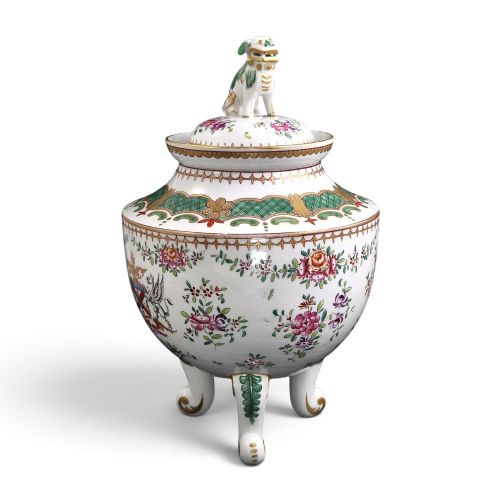
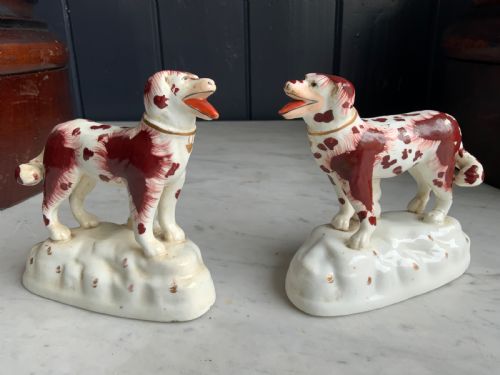
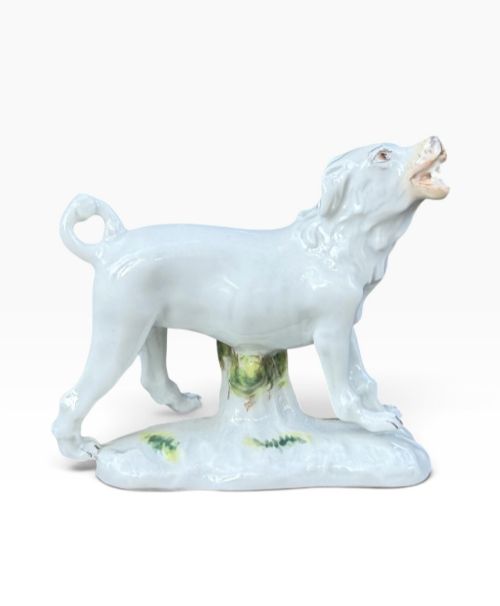
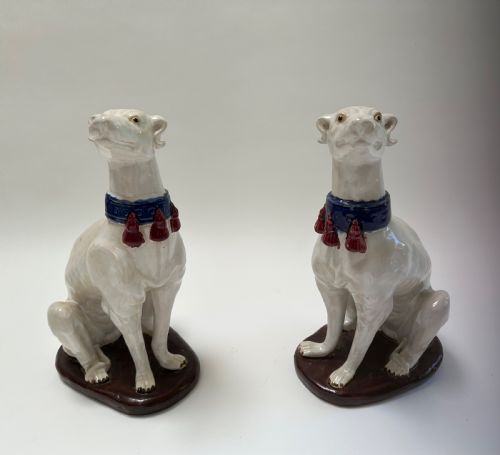
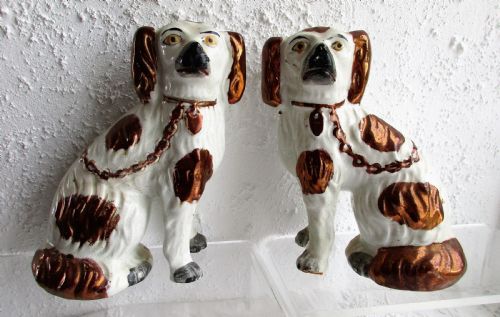
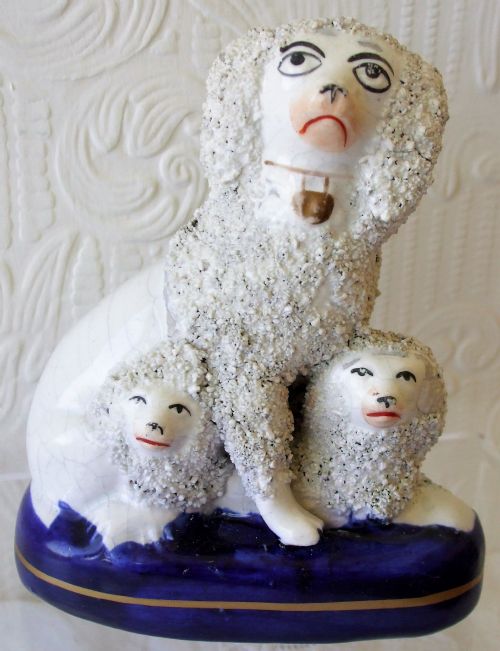
When you search for an antique porcelain dog, you encounter a varied selection spanning English Staffordshire figures, German factory models, and Asian guardian lions. The most frequent discoveries on this page are pairs of Victorian spaniels or greyhounds designed to sit on either side of a fireplace. These figures range from utilitarian Staffordshire earthenware and pottery to fine continental porcelain and glazed Chinese ceramic works.
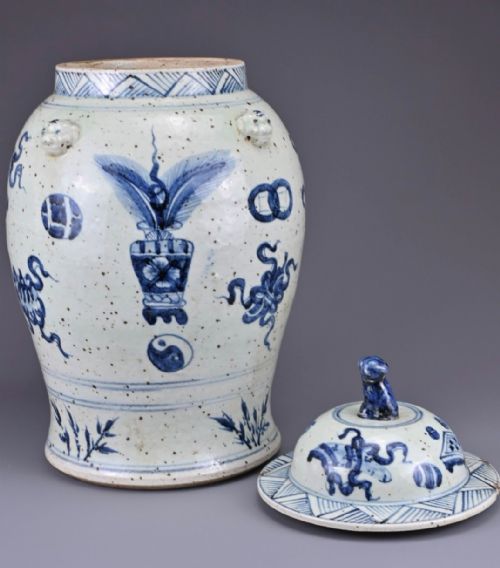
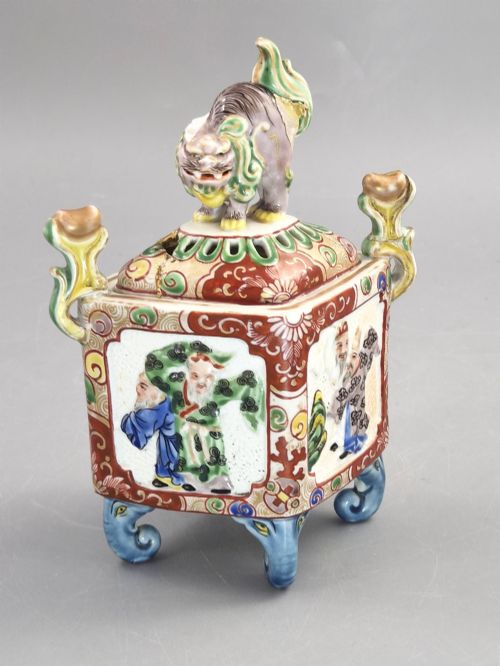
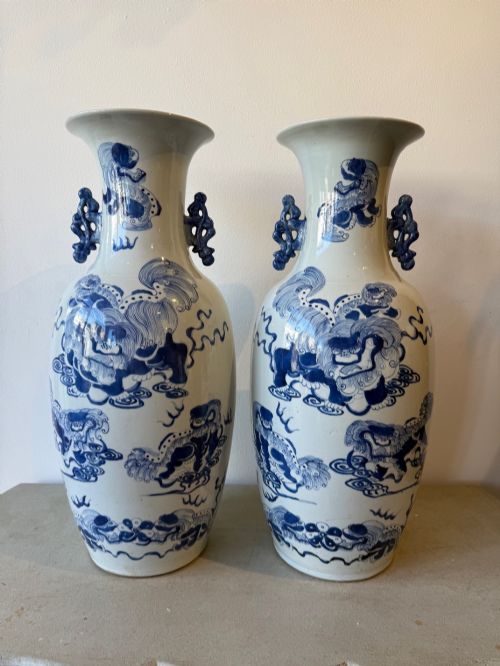
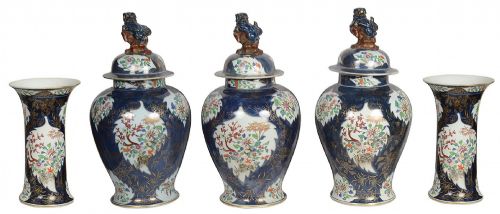
The category extends beyond domestic pets to include mythical guardian figures such as Foo dogs, Shi lions, and Karashishi. Makers across the Georgian, Victorian, and early twentieth-century periods shaped these animals into figurines, lamps, quill holders, and parts of larger figure groups. Collectors choose them for their domestic charm as well as their sculptural presence in a room.
Materials and methods of construction
Potters shaped these animals using ceramic, earthenware, and porcelain bodies, frequently applying coloured glazes or enamel painting by hand. Continental European pieces often utilised hard-paste porcelain fired at high temperatures, while English Staffordshire works typically employed pottery and earthenware bodies finished with enamel details.
Some nineteenth-century Staffordshire spaniels were made with hollow backs so they could double as small flower vases.
Distinctions in craftsmanship and finish
The standard of an antique porcelain dog depends significantly on the crispness of the moulding and the execution of the hand-painting. Finer examples display carefully rendered facial expressions, precise brushwork on the enamel coats, and clean application of gold leaf or gilding.
Meissen·Thomas Parr·Minton·Rosenthal·Ernst Wahliss·Copeland·Samson Paris·Derby·Sevres
The Antique Porcelain Dog Glossary
- Staffordshire
- A term applied to pottery and ceramic figures produced in the Staffordshire region of England during the nineteenth century. These include the popular spaniels and greyhounds found on mantelpieces.
- Foo Dog
- A traditional Chinese guardian lion figure, also known as a Shi lion or Karashishi. They appear frequently in Asian porcelain and ceramic works.
- Parian
- A type of fine-grained white porcelain resembling marble, developed in the nineteenth century for sculptural figures and groups. It gained popularity for unglazed portrait busts and animal models.
- Enamel
- A decorative vitreous substance fused to the surface of porcelain or pottery through firing. It provides the vibrant colours seen on painted figurines and vases.
- Gilding
- The application of gold leaf or gold powder to the surface of ceramic objects. It serves to accent details such as collars and bases.
Antique Porcelain Dog: Frequently Asked Questions
How do I display an antique porcelain dog?
These figures look best placed on mantelpieces, bookshelves, or side tables where their details can be appreciated. Pairs of spaniels or greyhounds traditionally flank a central object or sit symmetrically at either end of a shelf.
Ensure they rest on stable surfaces away from high-traffic edges. Proper lighting helps highlight the hand-painted enamel and gilt details.
What is the difference between a Foo dog and a spaniel?
Foo dogs are traditional Chinese mythical guardian lions associated with temple architecture and protection. They feature stylised curls, fierce expressions, and sometimes a paw resting on a brocade ball.
Spaniels and greyhounds are domestic dog representations originating primarily from European factories and Staffordshire potteries. Their design focuses on naturalistic or decorative portrayals of household pets and hunting animals.
How do I identify the period of a figure?
Examine the base for factory marks, impressed numbers, or painted signatures that correspond to known operating dates. The style of the modelling, the type of ceramic body, and the palette of the enamel colours also provide clues to the era of manufacture.
Comparing the piece to documented examples from factories like Meissen, Derby, or Staffordshire helps narrow down the decade or century.