




Antique Porcelain Desk Light
An antique porcelain desk light brings rich ceramic texture and refined metal mounts to a workspace.
Antique Porcelain Desk Light
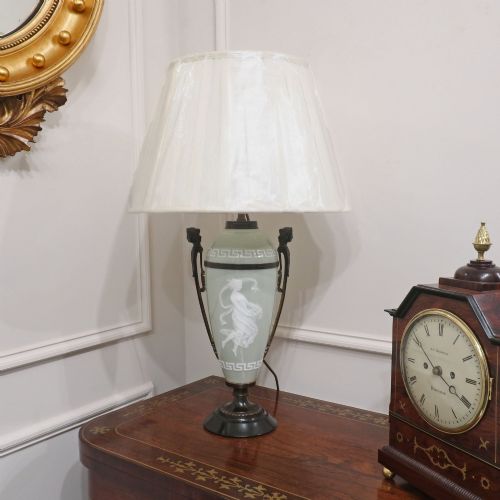
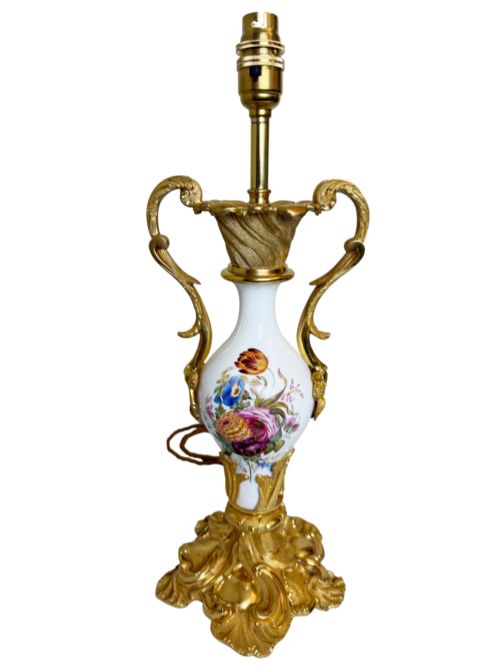
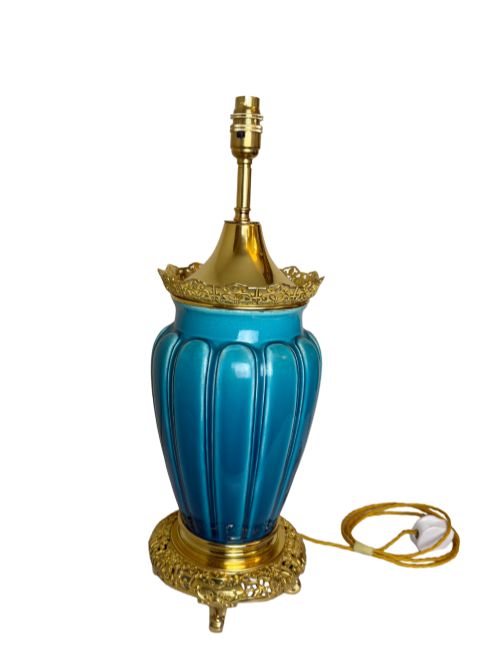
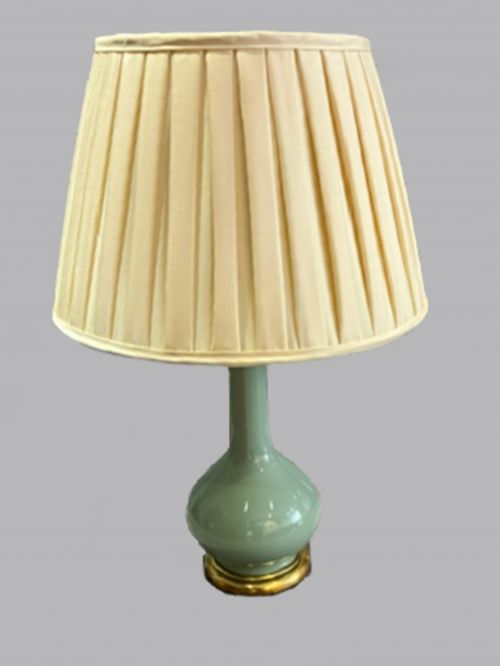
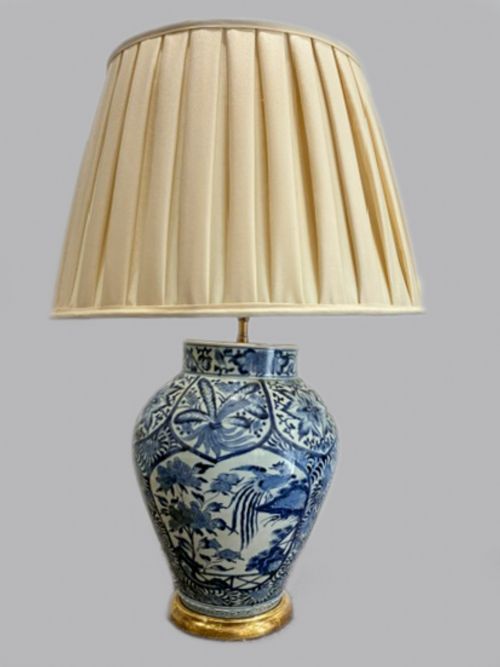
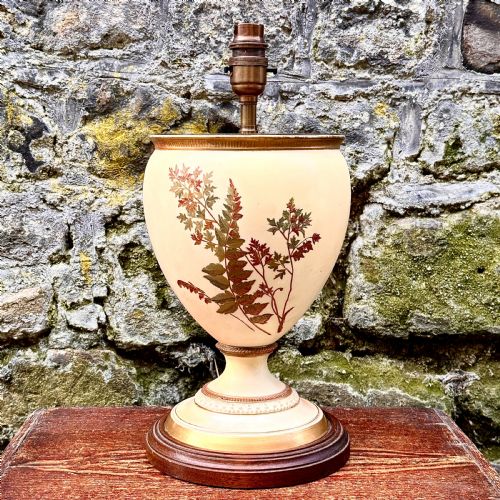
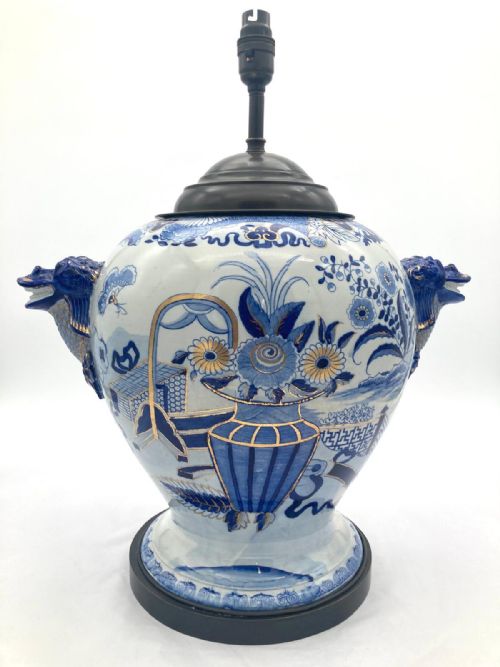
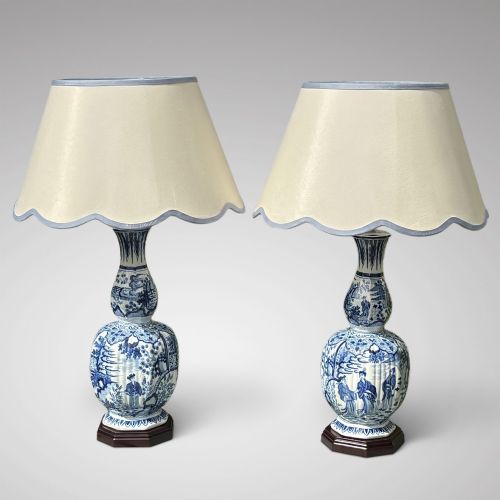
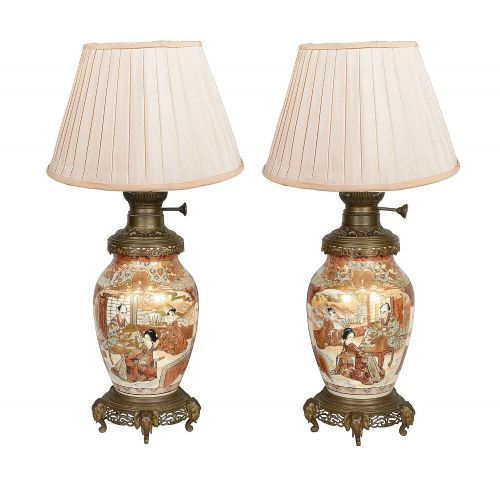
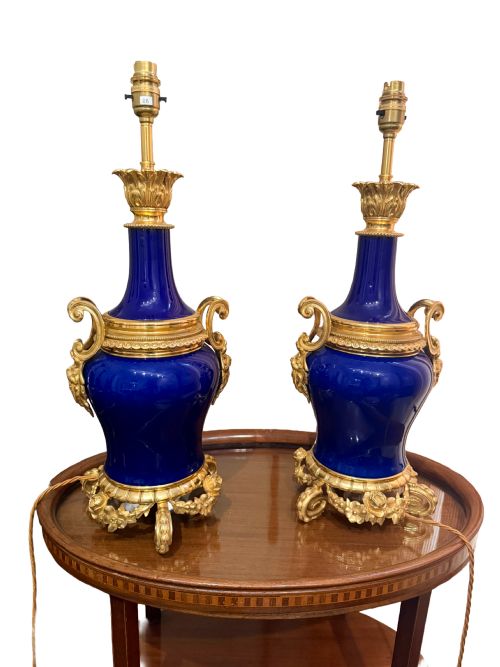
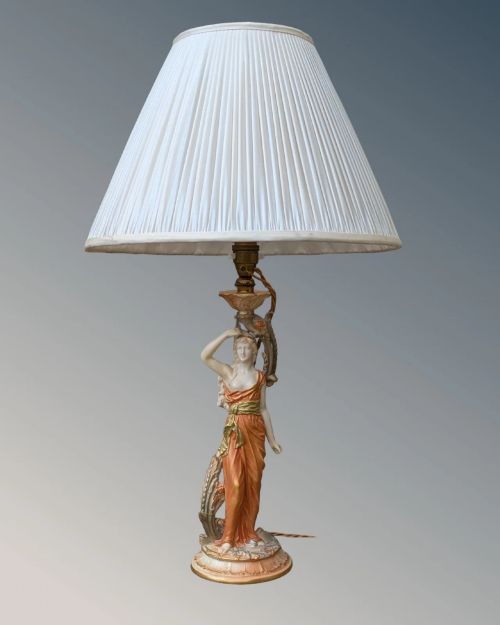
When you search for antique porcelain desk light, you encounter table lamps created from converted ceramic vessels, including vases, ginger jars, and figurative sculptures spanning multiple centuries. The selection on this page relies heavily on nineteenth-century French and Chinese bodies, alongside Japanese Satsuma and European works from the Edwardian era and the nineteen-twenties.
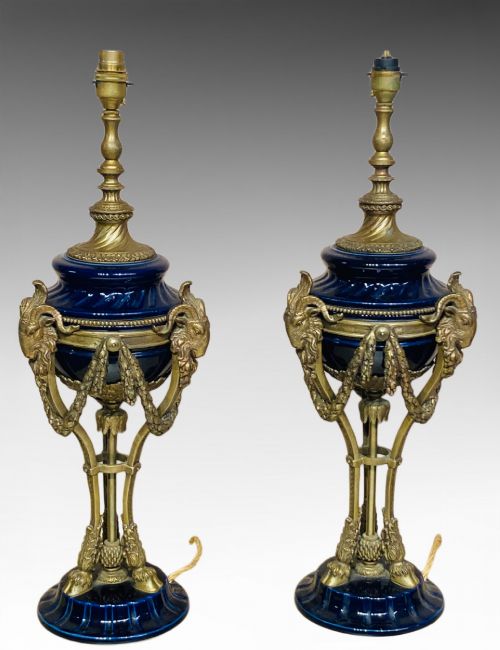
Many of these lighting pieces originate as earlier ceramic items transformed into lamps through the addition of electrical wiring and metal fittings. You will find forms ranging from blue and white Delft and Famille Verte vases to figural dogs and birds mounted on gilt bronze or brass bases.
The styles reflect diverse origins, moving between Chinoiserie, Japanese Meiji and Edo periods, French Neoclassical taste, and Art Deco designs. These variations provide distinct profiles suitable for lighting a study or library table.
How they were made
Makers utilise fired porcelain, earthenware, and ironstone bodies, often combining the ceramics with gilt bronze, brass, or ormolu mounts. The vessels frequently originate from earlier periods before receiving electrical fittings and bases during subsequent conversions.
Surface decoration involves hand-painted glazes, including blue and white pigments, polychrome Famille Rose and Famille Verte palettes, and pate-sur-pate techniques. Silk and fabric shades frequently complete the assembly, paired with wooden or marble structural components.
Listings feature porcelain bodies combined with brass, silk, gilt bronze, and wood across periods from the seventeenth to the twentieth century.
What varies in quality
The distinction between ordinary and exceptional examples rests on the harmony between the ceramic body and its metal mounts. Superior pieces display crisply chased ormolu or gilt bronze fittings that complement the contours of the porcelain without obscuring the original glaze.
The skill of the hand-painting on the ceramic surface dictates much of the visual merit. Finely detailed figures and floral motifs executed with precision separate standard production items from masterworks created by notable European factories and Asian kilns.
Royal Worcester·Karl Ens·Anton Buschelberger·Ernst Bohne and Sohn·Hicks and Meigh
The Antique Porcelain Desk Light Glossary
- Ormolu
- Gilded bronze mounts applied to furniture and ceramic pieces. This technique creates a rich decorative trim around the base and neck of lamp conversions.
- Pate-sur-pate
- An enamel painting method where layers of liquid clay build up a low relief design on a contrasting ceramic background. This creates a cameo-like effect on nineteenth-century French porcelain.
- Satsuma
- Japanese pottery characterised by a crackle-glaze earthenware body decorated with polychrome and gilt motifs. These wares frequently appear mounted as lamps from the Meiji period.
- Famille Verte
- A Chinese porcelain palette dominated by green enamel colours combined with other pigments. This style prevails on many converted vases dating from the nineteenth century.
- Cloisonne
- Enamelling work where metal wire creates compartments for coloured pastes on a metallic base. These pieces provide varied textural contrast in lighting arrangements.
Antique Porcelain Desk Light: Frequently Asked Questions
What is an antique porcelain desk light?
An antique porcelain desk light is typically a converted ceramic vase, ginger jar, or figural sculpture fitted for electricity to serve as a functional lamp.
These pieces combine historical ceramic manufacturing with period metal mounts, bringing decorative illumination to a workspace.
How do I identify the period?
Dating relies on examining the glaze colours, the style of the hand-painted decoration, and the manufacturing marks on the ceramic body. Stylistic indicators such as Art Deco geometry or French Neoclassical mounts also point to specific decades.
Comparison with documented workshop styles helps narrow the timeframe of creation and subsequent conversion.
Were these originally made as lamps?
Most antique examples began life as decorative vases, jars, or figurines rather than lighting fixtures. They were later converted by adding electrical components, wiring, and metal bases.
This adaptation preserves historical ceramics by giving them a functional role in modern interiors.
How do I clean and care for them?
Dust the porcelain and fabric shades gently with a soft, dry cloth to prevent accumulation. Avoid harsh chemical cleaners that might damage hand-painted glazes or aged metal mounts.
Regular inspection of the wiring by a qualified professional ensures safe daily use in your home or study.