

Antique French Urn Lights
Antique French urn lights combine classical form with period lighting, bringing sculptural elegance and warm illumination to an interior scheme.
Antique French Urn Lights
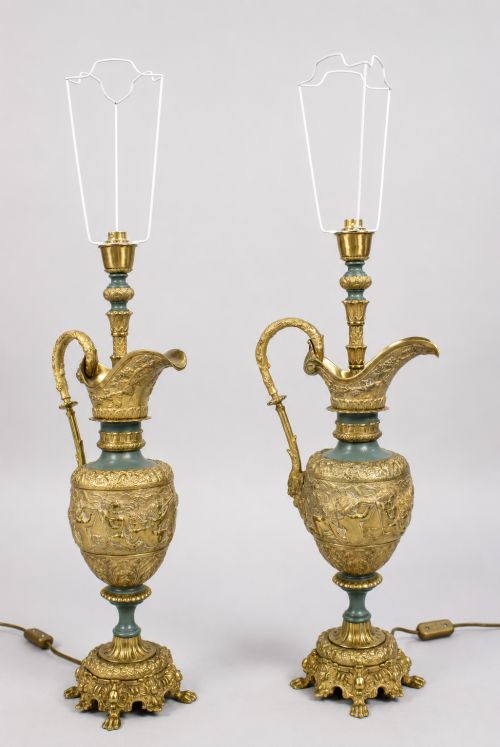
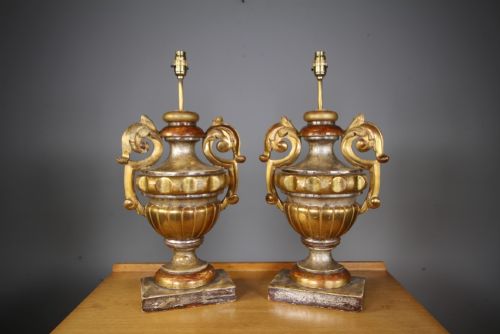
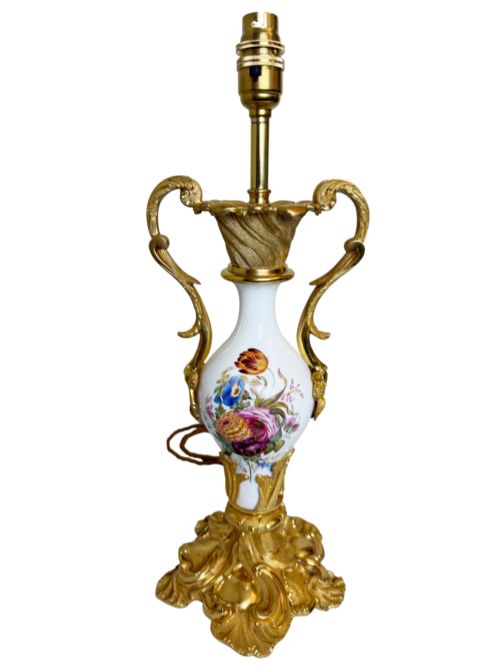
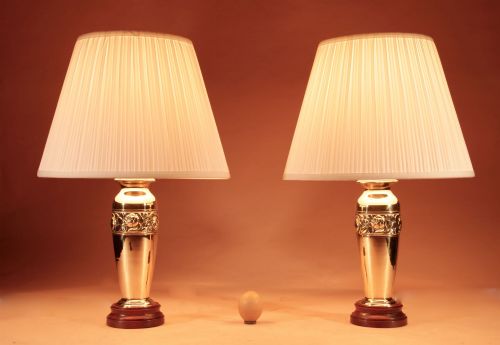
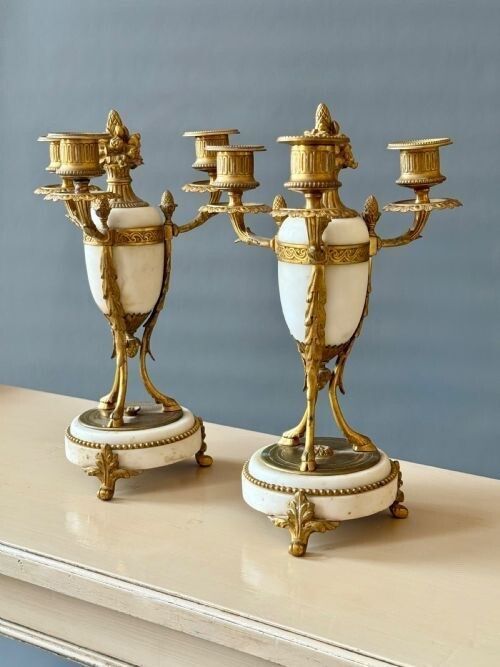
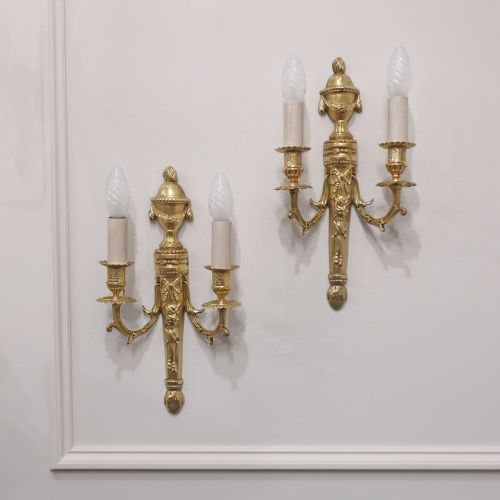
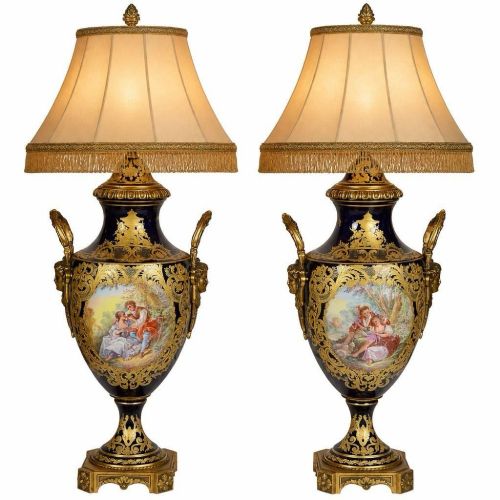
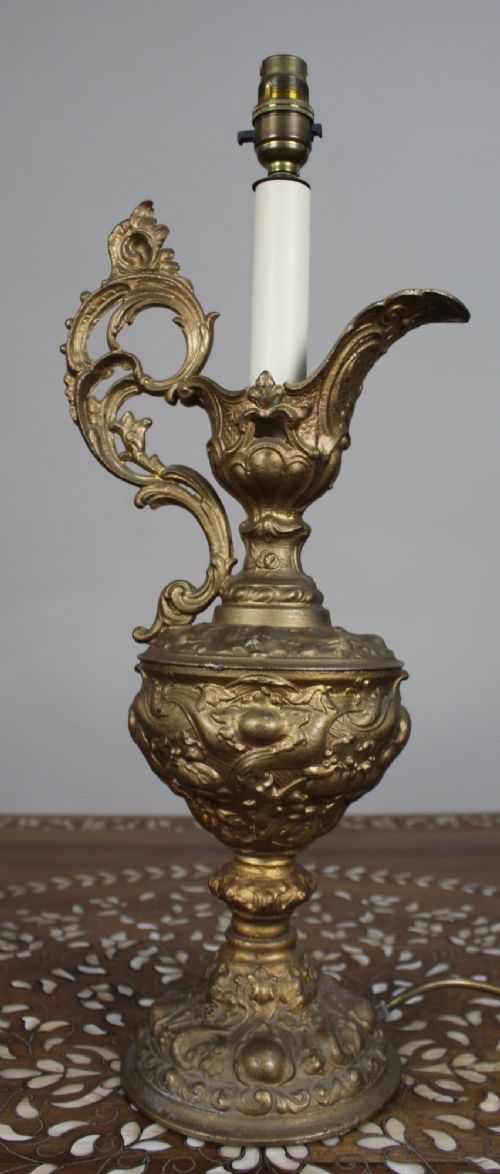
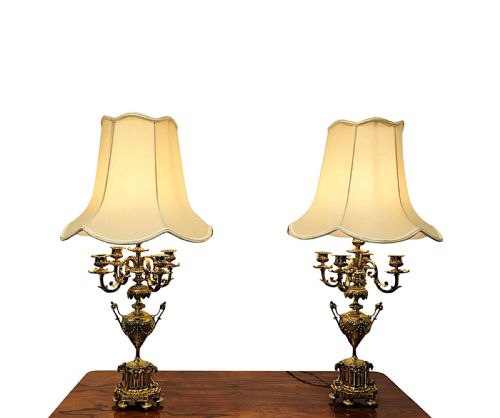
These pieces encompass table lamps, wall sconces, and converted candelabra taking the sculptural shape of classical vessels, amphorae, and ewers. The selection relies heavily on nineteenth-century examples produced across various decades up to the nineteen-thirties.
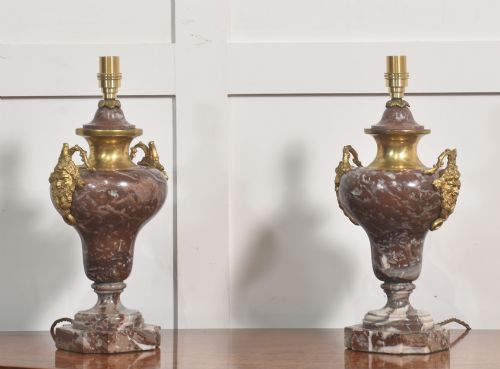
Most items reflect classical design influences such as French Neoclassical, Louis XVI style, and Rococo Revival. Buyers frequently encounter pairs mounted on solid stone bases with ornate metal mounts.
Forms originate from decorative domestic lighting solutions designed for grand salons and intimate chambers alike. Their silhouettes draw directly from ancient Greek and Roman pottery and metalwork traditions.
Distinctions in craftsmanship
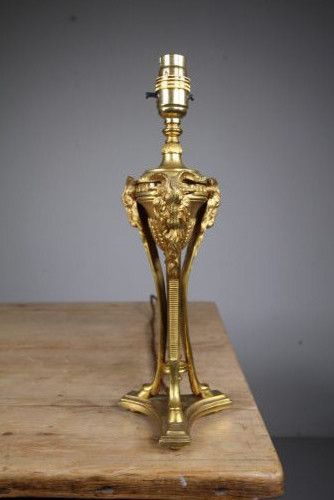
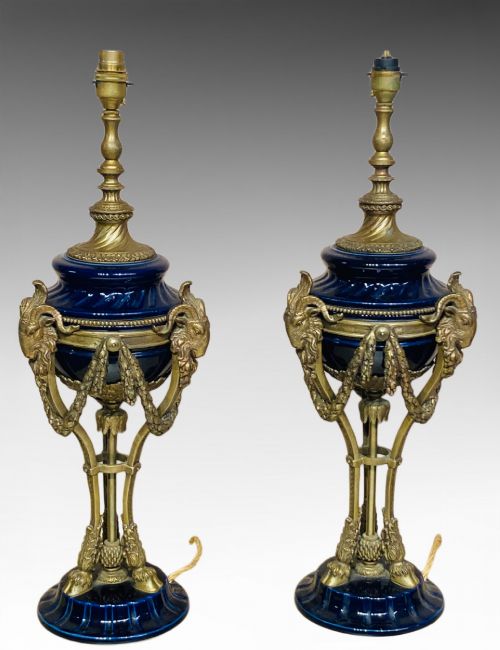
Quality reveals itself in the crispness of the chasing on gilt bronze mounts and the depth of the carving in wood or stone elements. Superior examples display intricate detailing such as ram's head masks and floral motifs executed with precision.
The choice and integration of materials dictate overall refinement, with genuine marble bases and heavy fire-gilded bronze outperforming lighter spelter or plated substitutes. Proportion and symmetry between the vessel body and its metal mounts remain vital visual indicators.
Several urns feature distinguished ram's head masks peering out from the mounts, keeping a steadfast watch over the living room.
Casier
The Antique French Urn Lights Glossary
- Ormolu
- Gilded bronze produced through a mercury amalgamation technique popular in decorative arts. This finish provides a warm golden sheen that resists tarnishing over centuries.
- Cassolette
- A decorative vessel shaped like a vase or urn featuring a reversible lid that functions as a candleholder or conceals a burner. These pieces often sit upon substantial marble plinths.
- Ewer
- A large jug with a wide spout and elaborate handle, frequently adapted into sculptural lighting forms. Their classical contours suit the proportions of a tall table lamp.
- Pate sur pate
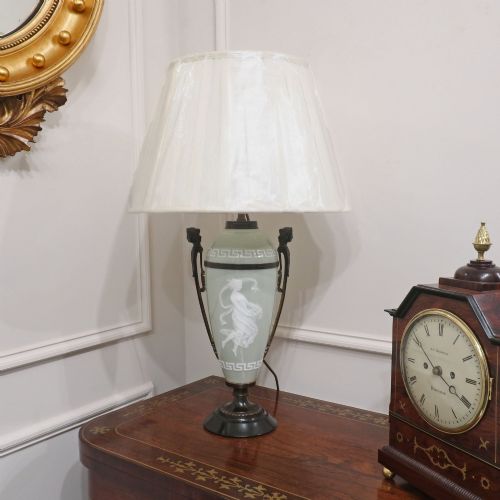
- A ceramic technique where wet white porcelain slip is painted in successive layers onto a coloured clay body. This method creates a delicate cameo-like relief effect.
Antique French Urn Lights: Frequently Asked Questions
What periods do these lights date from?
The available selection spans predominantly from the nineteenth century through to the nineteen-thirties. Many items reflect earlier stylistic revivals such as the Louis XVI period.
Craftsmanship from these eras often incorporates traditional hand-chased metals and natural stone bases. Pieces from the later nineteenth century sit alongside early twentieth-century interpretations.
Were these always electric lamps?
Many examples began life as oil lamps, candelabra, or decorative candleholders before receiving electrification. Conversions are standard practice for adapting antique vessels to modern interiors.
Original mounts and structural elements are typically retained during this process. This preserves the decorative integrity of the original bronze and porcelain bodies.
What materials are commonly used?
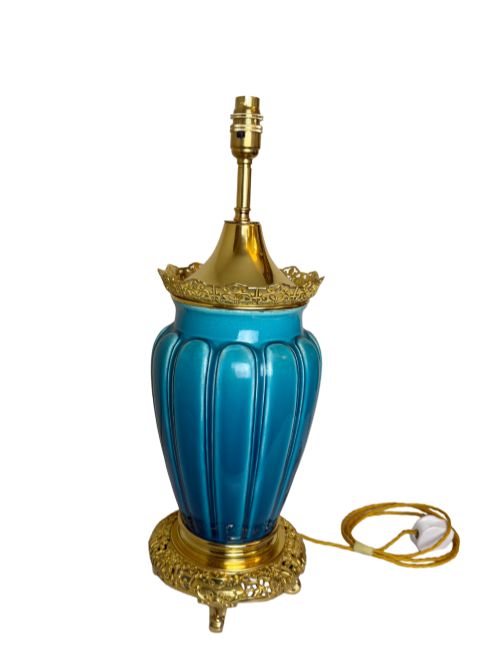
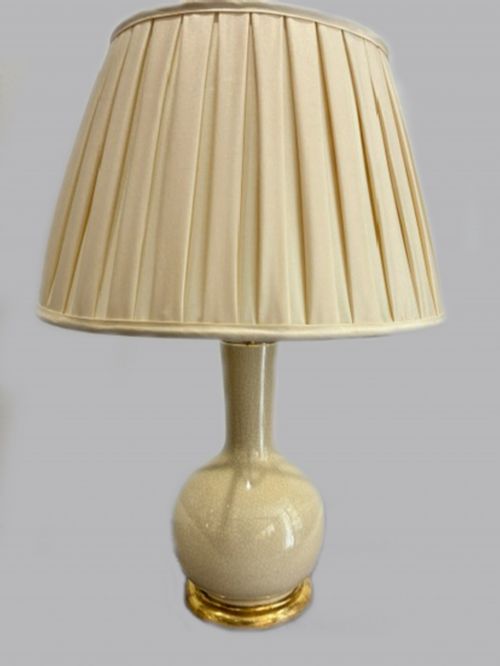
Construction relies heavily on cast metals including ormolu, gilt bronze, brass, and gilt metal paired with natural stones like marble and onyx. Ceramic bodies feature porcelain, crackle-ware, and earthenware.
Wooden elements appear in carved pine and giltwood configurations. Secondary materials include fabric components and occasional spelter castings.
How do I identify Louis XVI style?
Louis XVI style pieces draw upon classical antiquity with symmetrical designs, straight fluted lines, and restrained ornamentation. Motifs often include laurel wreaths, urns, and classical ram heads.
This aesthetic contrasts with the more asymmetrical and fluid curves found in Rococo Revival items. The emphasis remains on geometric balance and architectural proportion.