






Antique Porcelain Decor
Antique porcelain decor brings centuries of global craftsmanship into your rooms, offering vibrant hand-painted surfaces and sculptural elegance for domestic display.
Antique Porcelain Decor
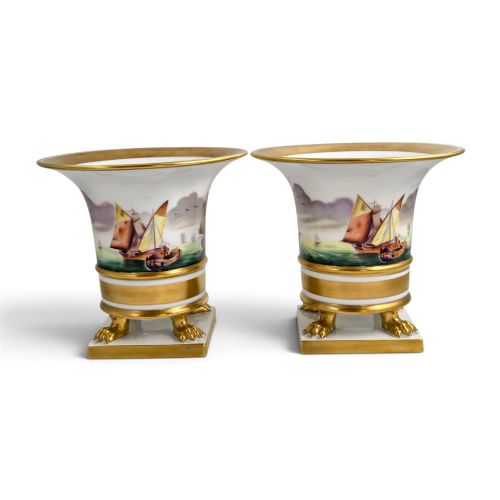
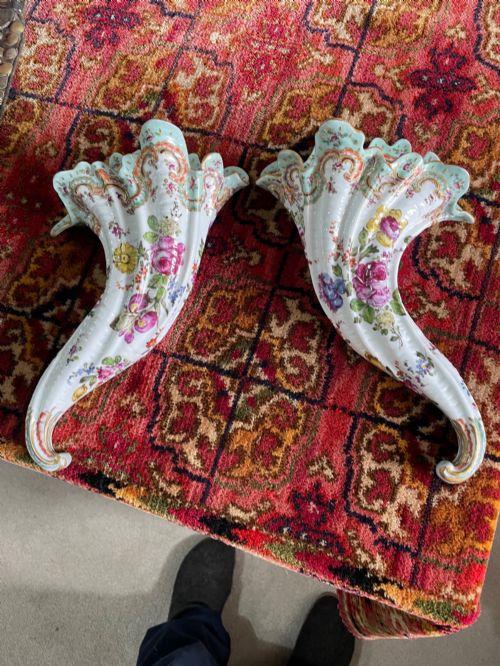
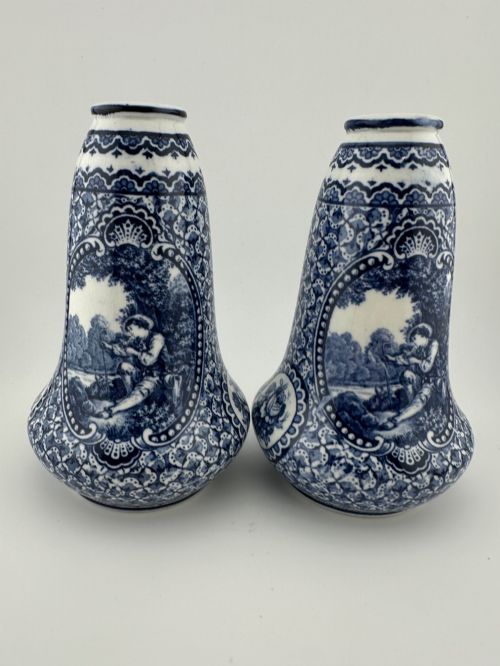
When you search for antique porcelain decor, you encounter a diverse array of ornamental objects designed to bring colour and texture into period interiors. These pieces range from utilitarian vessels adapted for display to purely sculptural objects created in European and Asian kilns.
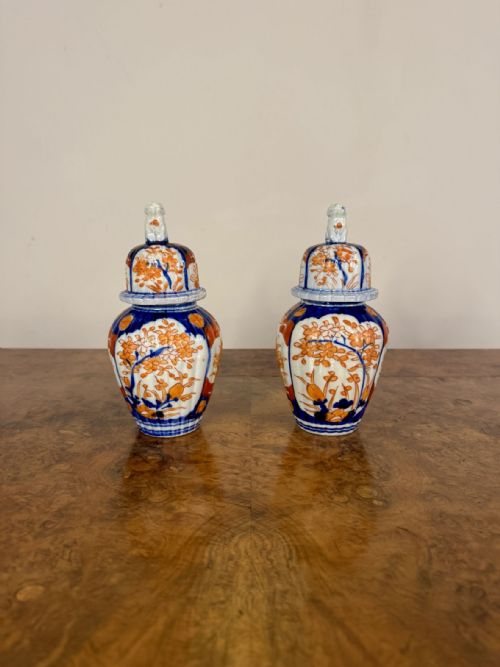
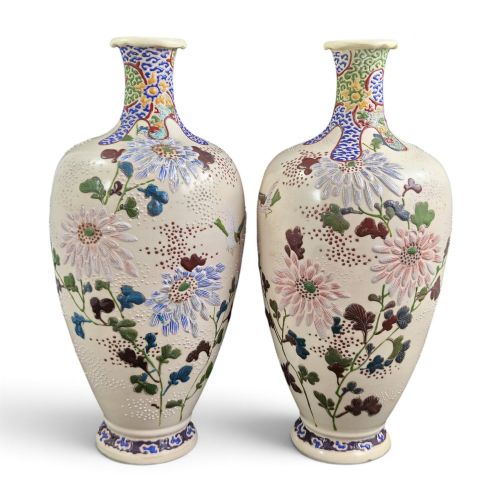
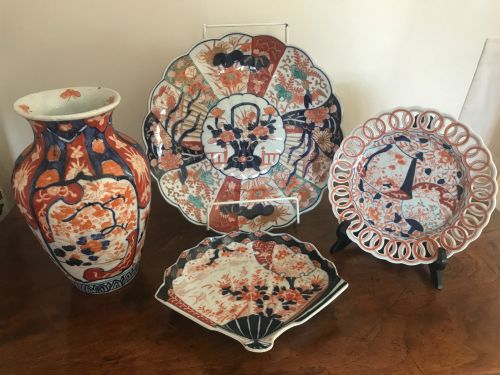
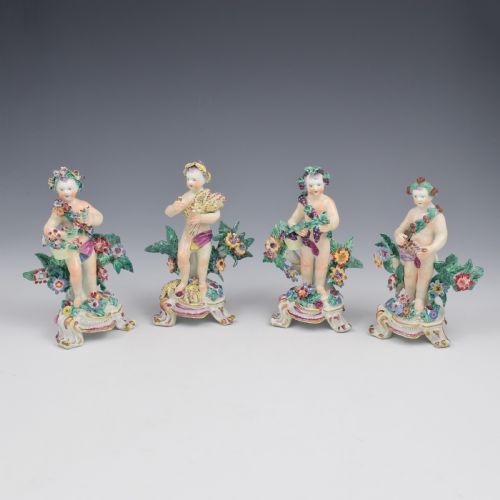
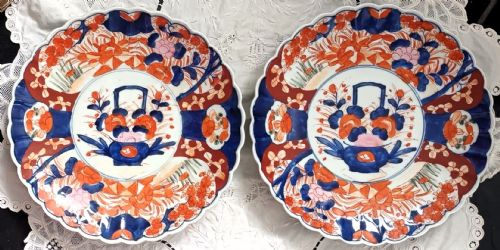
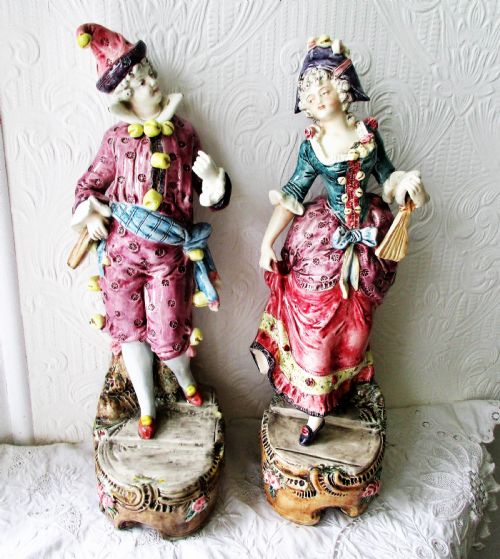
The version you are most likely to meet on this page is Japanese Imari ware from the nineteenth century, alongside English Staffordshire figures and decorative vases from various Victorian and Edwardian workshops. These domestic ornaments reflect international trade influences and changing aesthetic tastes across the eighteenth, nineteenth, and early twentieth centuries.
How They Were Made
The makers of these items utilised refined ceramic pastes, earthenwares, and hard-paste porcelain shaped on the wheel or cast in moulds. Artisans then applied detailed enamel colours, cobalt blue underglazes, and gold leaf highlights before firing the pieces in kilns.
Surface embellishment often involved raised gilding, moriage relief work, or lacquer finishes layered over painted surfaces. Potters combined traditional throwing methods with intricate hand-painting to achieve the finished ornamental effect.
Antique Porcelain Decor Retail Price Guide 2026
Typical asking prices for porcelain decor among the pieces listed under this phrase on Sellingantiques today, from the lower quarter to the upper quarter. They describe what is for sale here now, not the wider market.
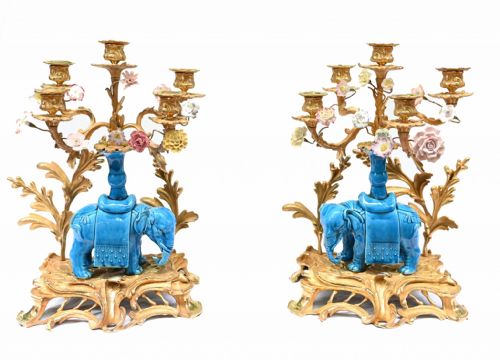
Listings feature nineteen-century Japanese Imari plates, Victorian Staffordshire figures, and Edwardian Worcester candlesticks.
What Varies in Quality
The distinction between standard domestic wares and superior examples rests in the precision of the hand-painting and the depth of the glaze. Master decorators achieved finer line work, more harmonious pigment blending, and crisper detailing on high-status commissions.
Structural complexity also defines the upper tier, seen in deeply potted vessels, elaborate applied relief motifs, and well-balanced sculptural modelling. The retention of original gilding and the clarity of cobalt pigments further elevate the standing of individual pieces.
Spode Porcelain·Royal Bonn Franz Anton Mehlem·Royal Worcester·Royal Crown Derby·Royal Dux
The Antique Porcelain Decor Glossary
- Imari
- A style of Japanese export porcelain characterised by a palette of underglaze blue, iron red, and gold. This decorative scheme became immensely popular in European interiors during the nineteenth century.
- Moriage
- A Japanese ceramic technique using slip trailing to create raised decorative patterns on the surface of vases and bowls. This method produces a textured, tactile finish often highlighted with paint or gold.
- Famille Rose
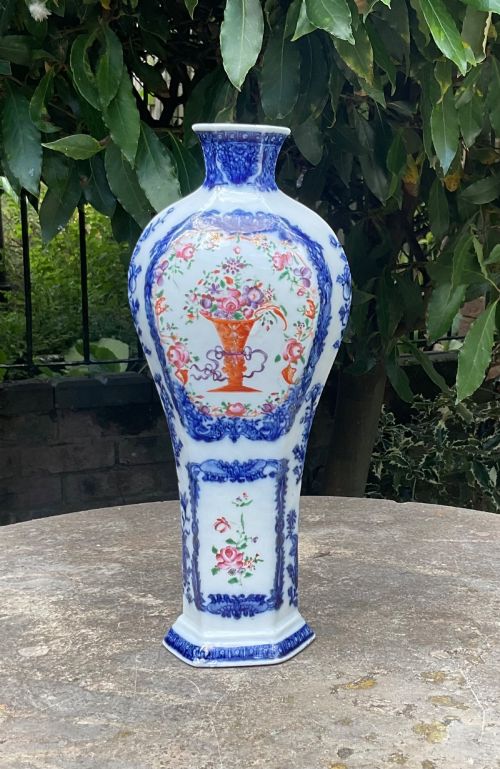
- A palette of Chinese porcelain enamels dominated by opaque pink or rose colours, introduced during the Qing Dynasty. Artisans used these soft hues to render detailed floral and figural scenes.
- Parian Ware
- A fine-grained unglazed porcelain resembling white marble, developed in nineteenth-century Britain for sculptural figures and centrepieces. It gained favour for its ability to capture delicate anatomical and botanical details.
- Spill Vase
- A small cylindrical vessel kept on mantelpieces to hold thin wooden spills used for lighting pipes or candles. These utilitarian items evolved into highly decorative ceramic ornaments.
Antique Porcelain Decor: Frequently Asked Questions
How do I clean antique porcelain decor?
Dust these items gently with a soft dry brush to remove surface particles without disturbing delicate enamel or gilt details.
Avoid immersing pieces in water, particularly those with overglaze enamels, lacquer additions, or metal mounts, as moisture can cause permanent damage.
Where should I display these decorative objects?
Place vases and figures on stable mantelpieces, sideboards, or within enclosed cabinets where they receive indirect natural light. Keeping them away from direct heat sources protects the old glazes and painted surfaces from thermal stress.
Ensure larger statement pieces sit on secure surfaces out of the way of daily foot traffic to prevent accidental knocks.
How can I tell Japanese Imari from other styles?
Look for the characteristic combination of cobalt blue underglaze, iron red enamel, and abundant gold leaf detailing across plates, bowls, and vases. The motifs often feature intricate floral arrangements, exotic birds, and panelled geometric borders.
Nineteenth-century examples frequently display dense composition and a heavier ceramic body compared to earlier export wares.
What is the difference between earthenware and porcelain?
Porcelain is fired at much higher temperatures, resulting in a vitrified, non-porous body that often rings when struck and can appear translucent under strong light. Earthenware is more porous and opaque, requiring an applied glaze to become watertight.
Items described as earthenware or pottery tend to have a heavier, softer feel than hard-paste porcelain pieces.