
Antique Pocket Vesta
These antique pocket vesta pieces are portable match safes designed for safety and convenience, offering solid silver construction and clever mechanical forms.
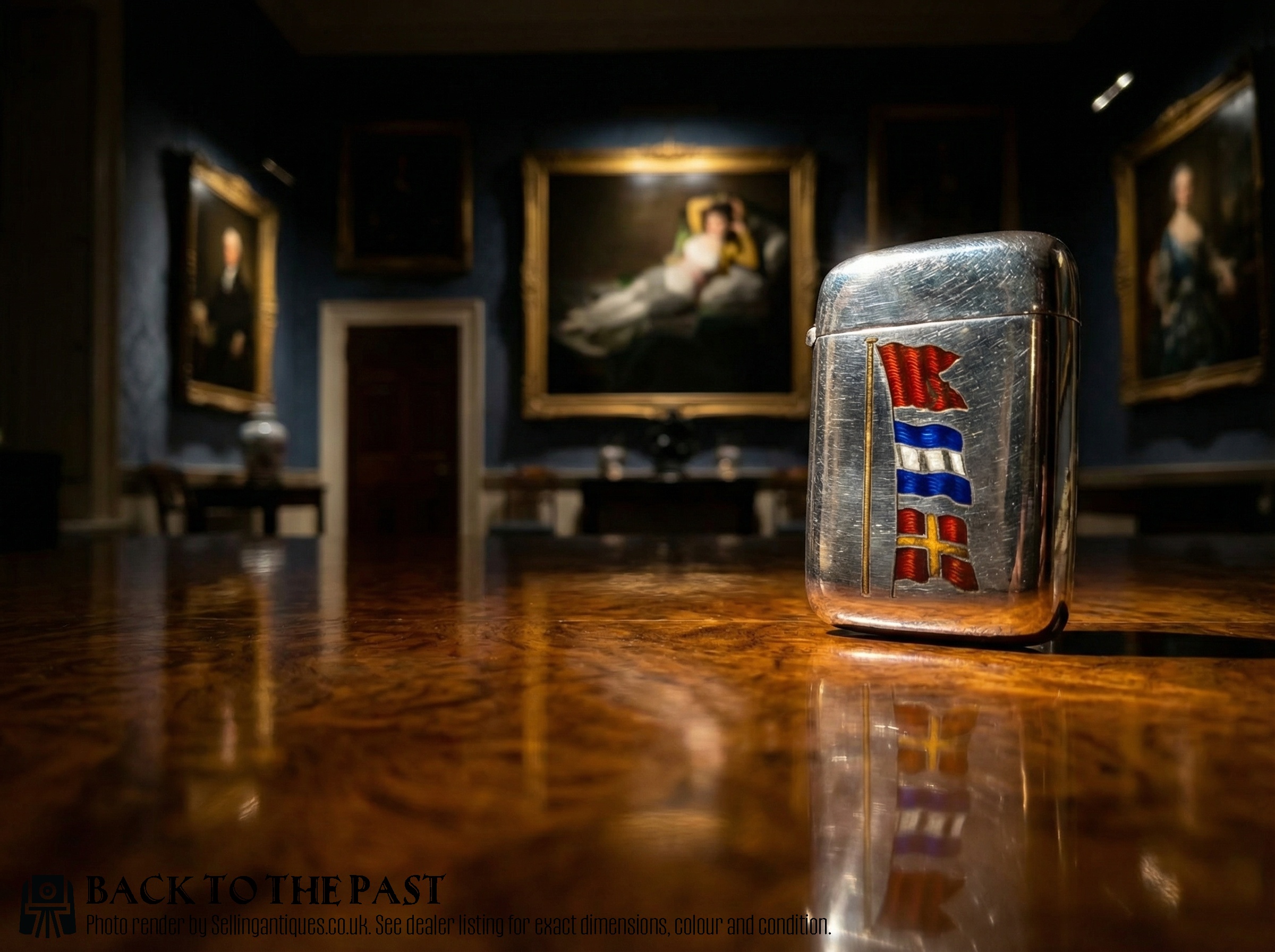
What an antique pocket vesta is
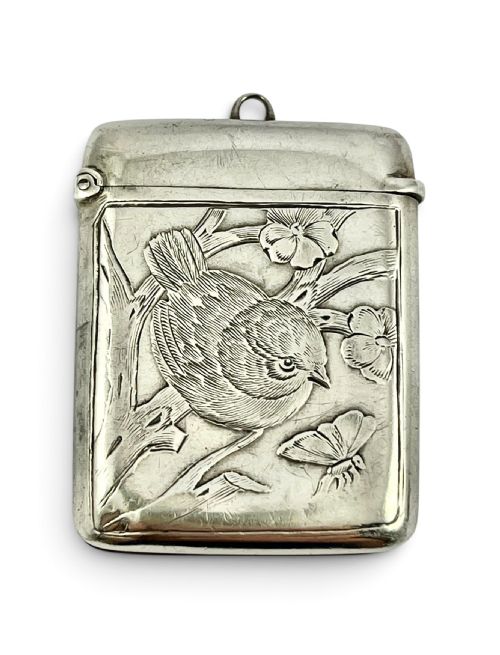
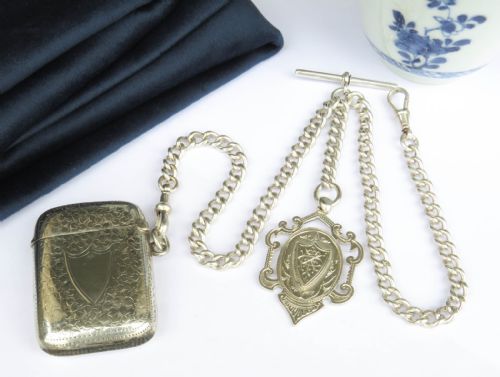
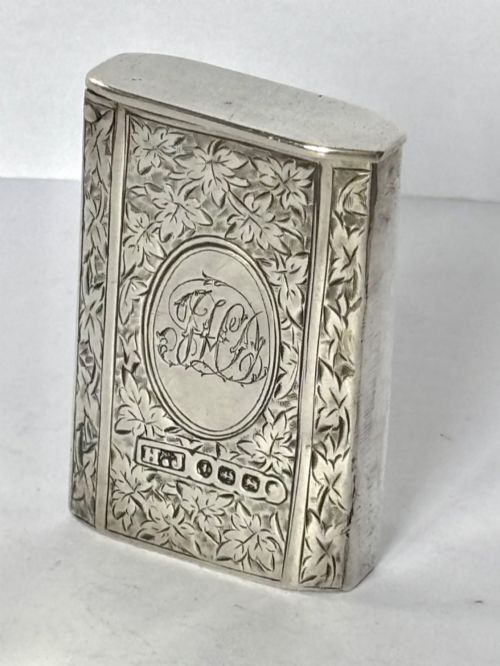
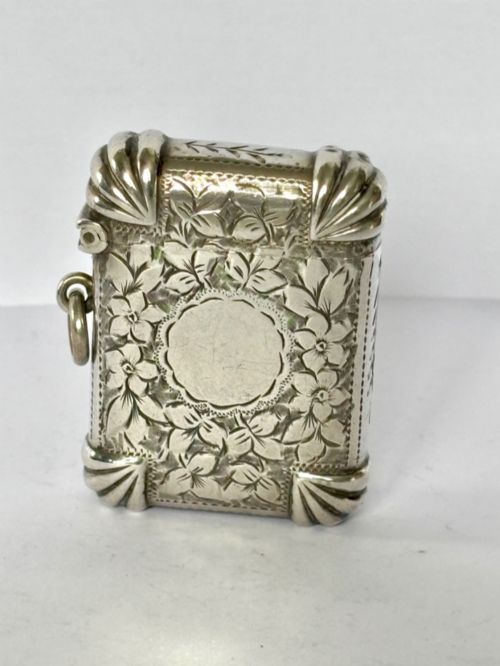
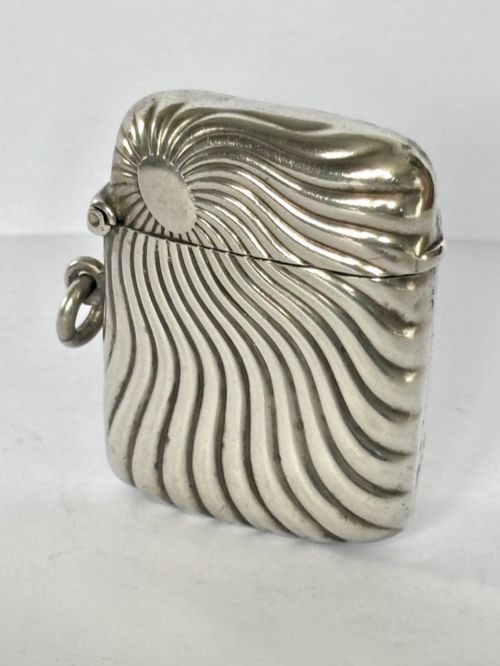
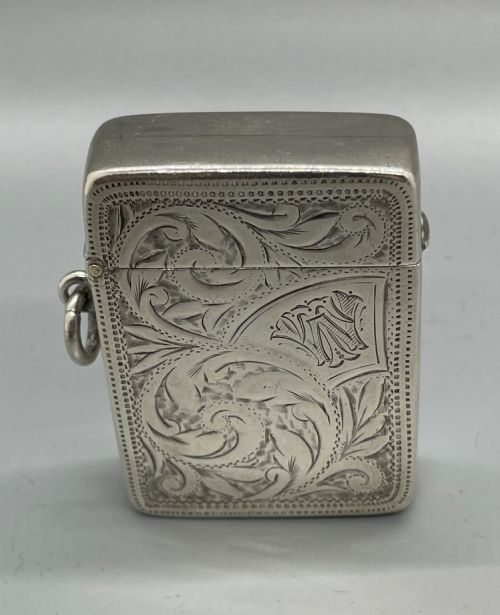
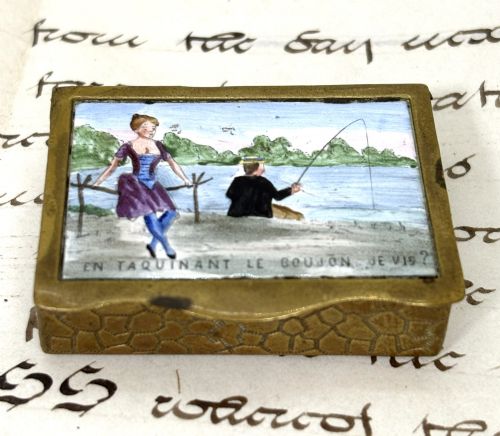
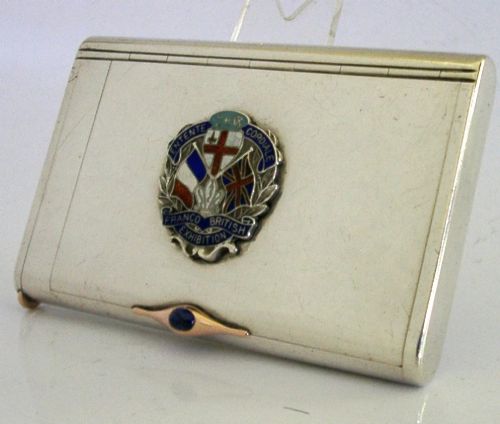
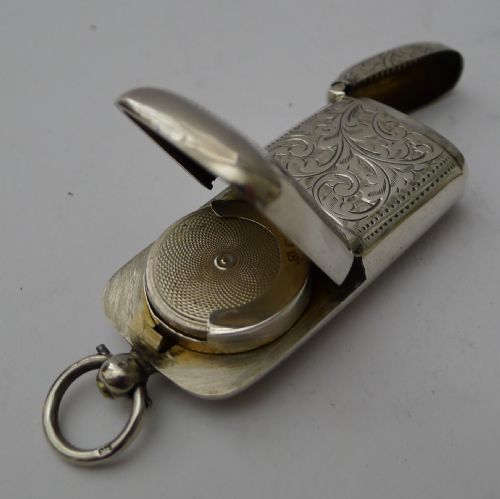
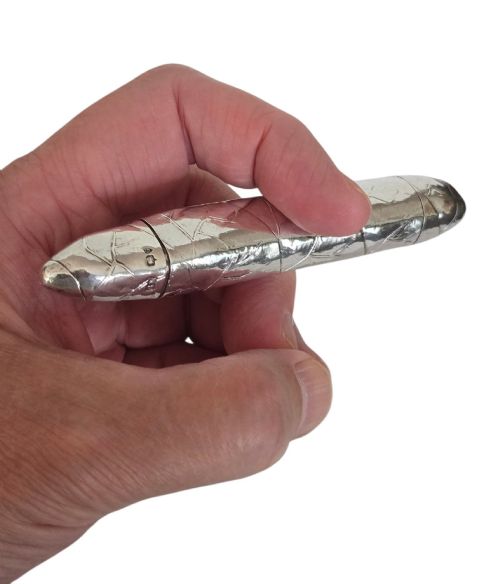
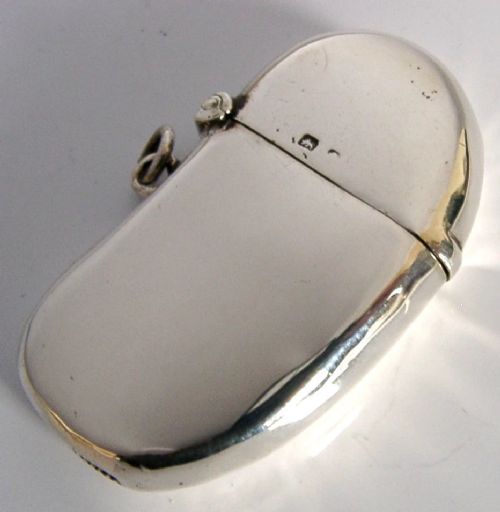
An antique pocket vesta is a small metal container made to hold matches safely in the pocket before the widespread use of safety matches. The pieces seen across these listings include standard rectangular shapes alongside novelty forms such as kidney bean designs, heart shapes, and combination items.
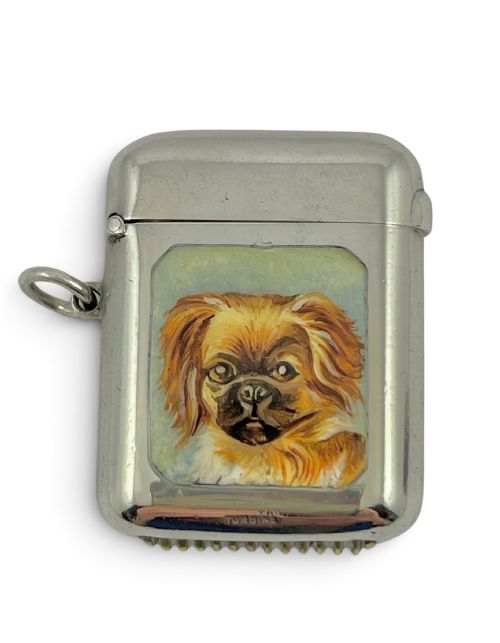
Most examples date from the Victorian and Edwardian eras, spanning into the early twentieth century under George V. Makers utilised sterling silver, silver gilt, and occasionally incorporated materials like sealing wax or enamel to finish the exterior.
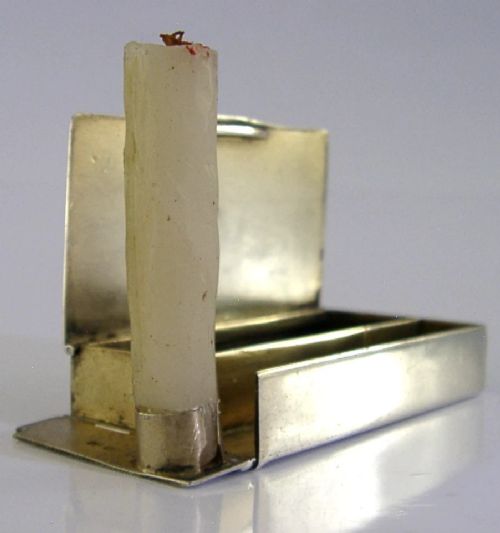
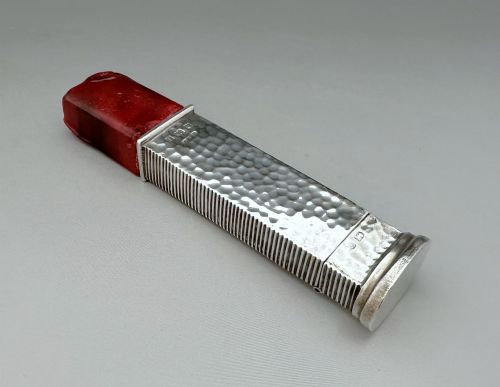
Buyers will encounter simple pocket match safe boxes alongside more unusual trick cases and combination pieces that double as sealing wax holders. These portable accessories reflect the detailed metalwork of their respective periods.
Materials and construction
Silversmiths constructed these match safes using sterling silver, frequently applying silver gilt interiors or decorative enamel finishes to the metal surface. The cases utilise hinged lids fitted with internal springs to keep safety matches secure during daily carriage.
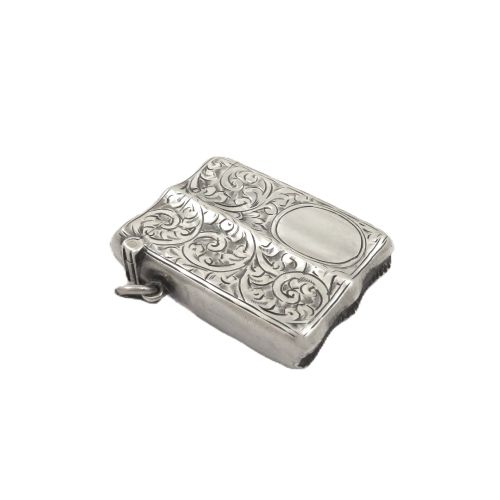
Specialist variants incorporate mechanical tricks, figural brass casting, or integrated compartments for sealing wax alongside the match storage area. Surface decoration often includes engine turning, chased patterns, or smooth polished panels depending on the workshop style.
Retail Price Guide 2026
Typical UK retail prices for pocket vesta, calculated from the Sellingantiques database of over a million retail prices indexed since 2003. This retail price guide relies exclusively on Sellingantiques data; no external sources or auction records are used, so the figures do not describe the wider market.
Listings feature sterling silver, silver gilt, and enamel materials across Victorian, Edwardian, and George V periods.
What separates the finest examples
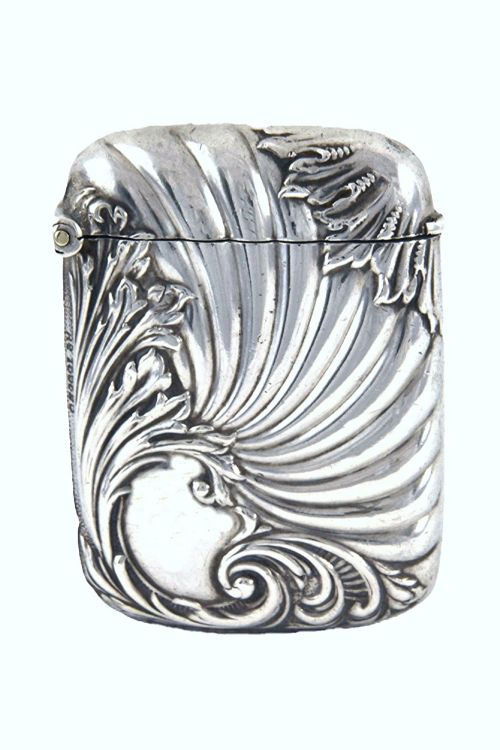
Quality rests upon the crispness of the chasing, the tightness of the spring hinge, and the complexity of the form. Standard rectangular containers sit at the simpler end, whilst figural designs, novelty shapes, and polychrome enamel work demand greater skill from the maker.
The integration of secondary functions, such as sealing wax compartments or trick opening mechanisms, elevates a piece beyond a basic utility item. Preservation of original gilding and undamaged enamel panels further distinguishes superior specimens from everyday survivors.
A & J Zimmerman
The Antique Pocket Vesta Glossary
- Vesta
- A small pocket container designed to hold matches securely. The name derives from the Roman goddess of the hearth.
- Silver Gilt
- Sterling silver that has been coated with a thin layer of gold on its interior or exterior surfaces. This technique protected the base metal from corrosion caused by sulfur matches.
- Hallmark
- An official stamp applied to precious metals indicating the standard of purity, the assay office, and the date letter. Birmingham and other British assay offices marked these pieces upon completion.
- Sealing Wax
- A wax compound melted to seal envelopes or documents, sometimes housed in dedicated combination cases alongside matches. These dual-purpose accessories were popular in the Edwardian period.
- Trick Case
- A match safe requiring a specific sequence of movements to open its lid. These novelty items showcase mechanical ingenuity from Victorian silversmiths.
Frequently Asked Questions
How do you open a trick vesta case?
Trick vesta cases require discovering a hidden release catch, sliding panel, or secret pivot point rather than lifting a standard thumbpiece. Makers designed these mechanical safeguards to prevent the lid from springing open prematurely in the pocket.
Examining the edges and hinges usually reveals the subtle seam where the secret mechanism operates.
Did vestas hold matches or wax?
Vestas were primarily manufactured to hold short wax or wooden matches known as vestas. Some specialised Edwardian combination pieces also incorporated compartments for sealing wax and a taper.
Internal dimensions and fitted compartments dictate whether a specific container was meant solely for matches or dual stationery use.
How do I date a silver vesta?
Dating a silver vesta relies on reading the assay office hallmarks stamped directly onto the metal surface. These official marks include a date letter corresponding to the exact year the piece was tested and taxed.
Stylistic cues such as Victorian chased floral motifs or Edwardian geometric engraving also help narrow down the period of manufacture.