
Antique Plate Stand
When searching for an antique plate stand, collectors encounter diverse metalwork and ceramic holders spanning the Georgian era through the twentieth century.
Antique Plate Stand
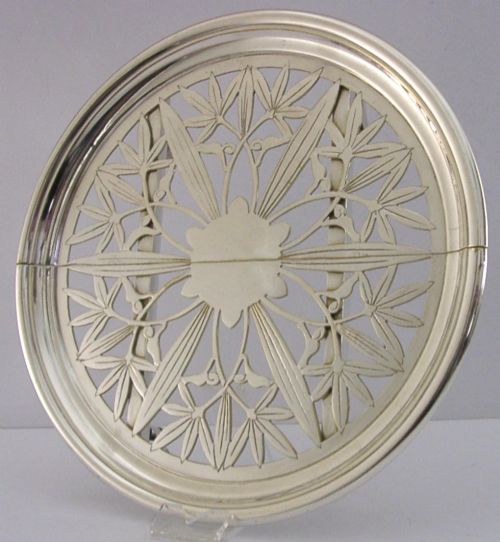
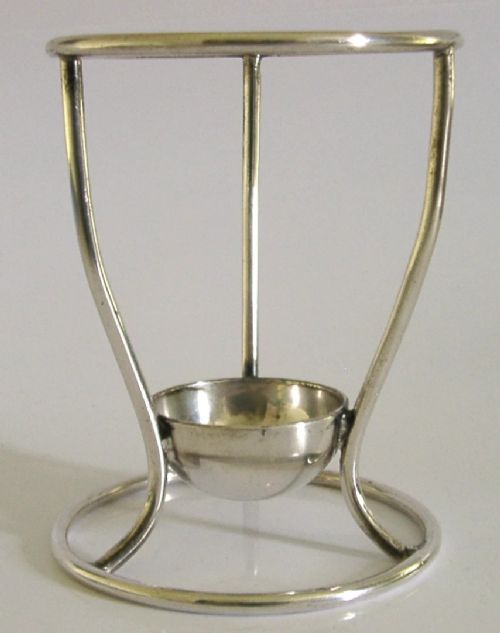
An antique plate stand encompasses a varied group of serving frames, display mounts, and elevated holders designed to support ceramics, glassware, or bottles during dining and entertaining.
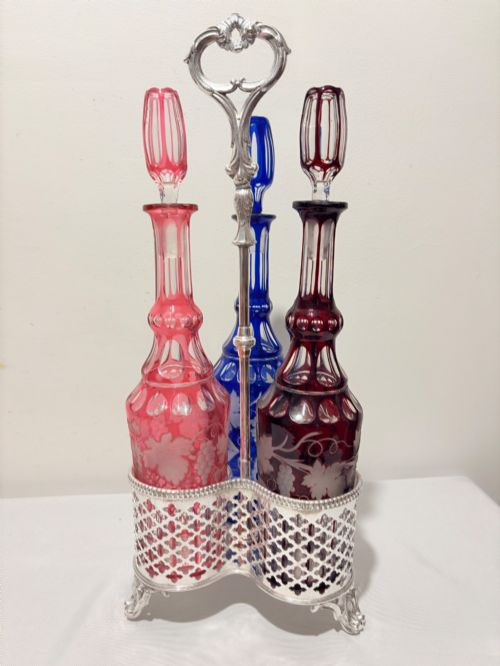
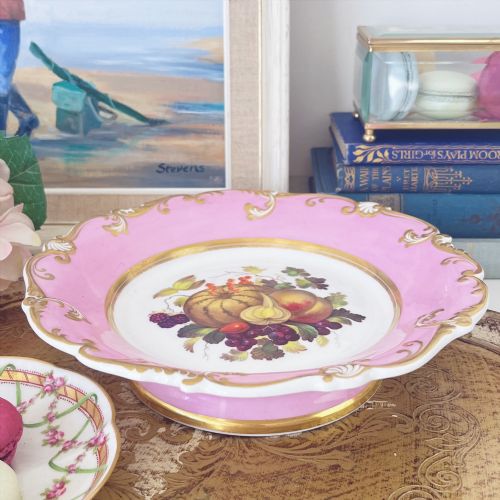
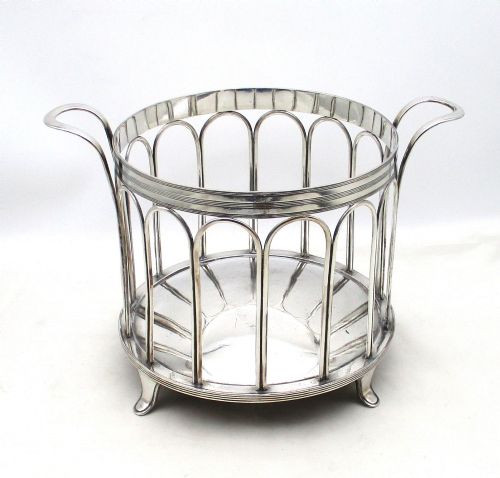
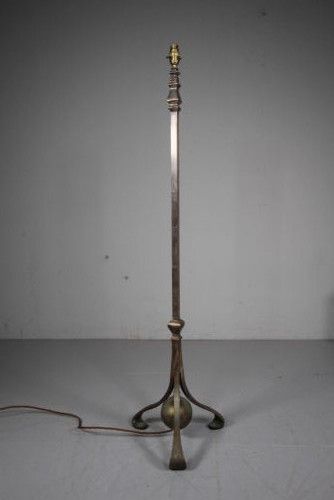
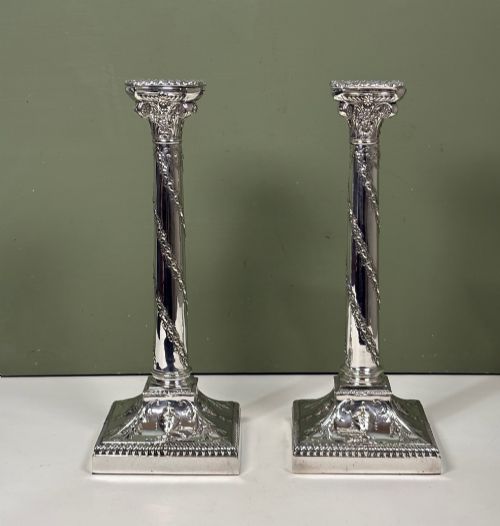
The selections on this page feature nineteenth-century and Edwardian examples alongside Georgian designs, shifting from utility objects like cruet sets and wine coasters to decorative comports and warming stands.
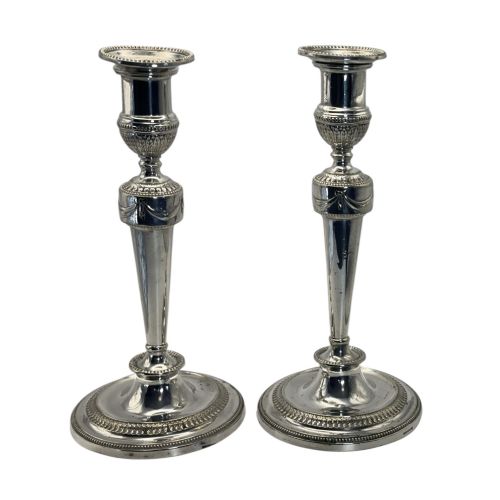
Makers utilised resilient silver plate, brass, and mahogany to construct these functional household items, creating durable frameworks intended for regular table use.
How they were made
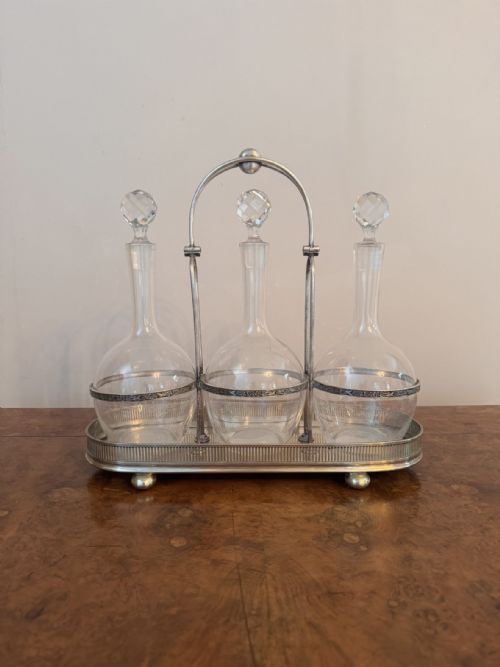
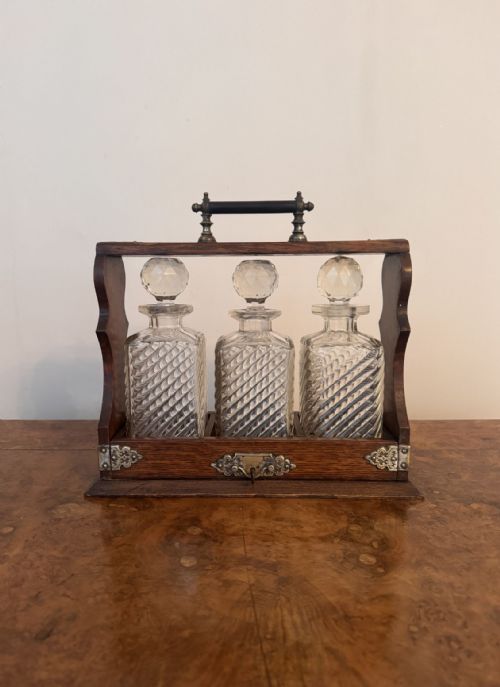
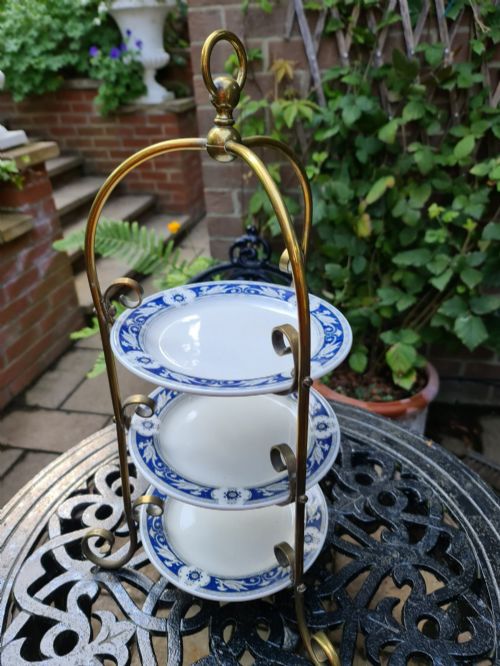
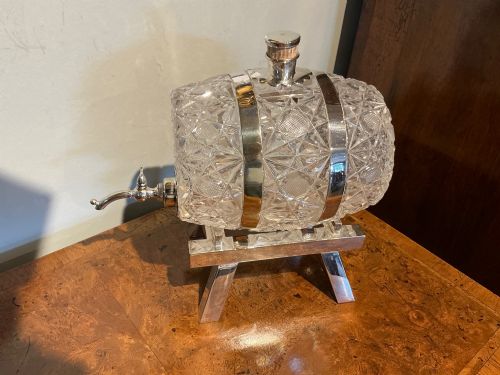
Makers constructed the primary frames of these objects using silver plate, Old Sheffield Plate, brass, and solid mahogany, often combining metal mounts with cut glass bowls, crystal decanters, or ironstone china.
Techniques such as electroplated nickel silver, hand-painting, and intricate embossing allowed artisans to produce decorative surfaces on the metal housings and ceramic plates.
Several Victorian stands were engineered specifically to rotate by the fireside, ensuring toast and kettles browned evenly without anyone getting too close to the coals.
What varies in quality
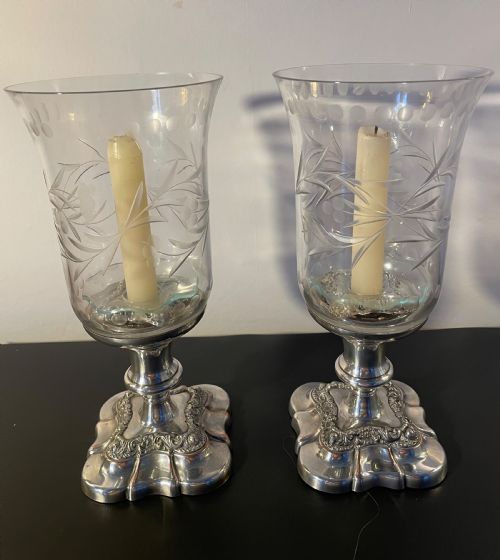
The standard of a piece depends heavily on the crispness of its cast ornament and the integrity of the silver plating over its base metal core.
Superior examples retain their original matching glass inserts, such as cut crystal decanters or ceramic plates, and demonstrate balanced proportions across multi-tiered or pivoting frames.
Mappin & Webb·Walker & Hall·Elkington & Co·James Dixon & Sons·Christofle·H & R Daniel·George Jones·Martin Hall & Co·John Northwood·Hicks & Meigh·WMF
The Antique Plate Stand Glossary
- Comport
- An elevated dish or bowl used for serving fruit or sweets at the table. These vessels often feature footed bases or rest within metal stands.
- Cruet set
- A matched collection of glass bottles or jars held within a dedicated frame for condiments such as oil, vinegar, salt, and pepper.
- Tazza
- A small, broad saucer-shaped vessel mounted on a stem and foot, utilised historically for serving small delicacies.
- Old Sheffield Plate
- An early composite material made by fusing a thin sheet of silver to a thicker copper ingot before rolling them into sheets.
- Trivet
- A metal support or small stand raised on feet, used originally to hold kettles or hot dishes near a hearth or dining table.
Antique Plate Stand: Frequently Asked Questions
What is an antique plate stand used for?
These frames and holders elevate serving plates, comports, and bowls to create space on crowded dining tables.
They also display decorative ceramics and glass vessels securely during formal meals and gatherings.
How do I care for silver plated stands?
Clean the metal surfaces gently using a soft cloth and mild soap to avoid wearing away the thin silver layer.
Store the items in stable humidity conditions to prevent tarnish and protect any fitted wooden or glass components.
Are original glass inserts important?
Original glass liners, decanters, and bowls greatly enhance the completeness and historical integrity of a piece.
Replacements can still function well, but matching period glass remains preferred by collectors.
How can I tell Georgian items from Edwardian pieces?
Georgian examples often display simpler mahogany woodwork or Old Sheffield Plate with heavier copper foundations.
Edwardian designs frequently incorporate brighter electroplated nickel silver alongside ornate embossing and mass-produced cut glass.