


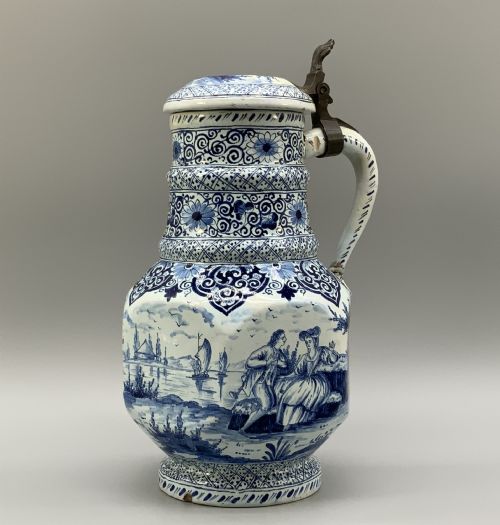
Antique Pitcher Jug
When you search for an antique pitcher jug, you enter a diverse world of ceramic, glass, and metal vessels spanning centuries of domestic and display use.
Antique Pitcher Jug
The pieces on this page draw from distinct stylistic periods including Georgian, Victorian, Edwardian, and Art Nouveau. Earthenware, creamware, lustreware, porcelain, cut glass, and sterling silver dominate the selections available to collectors today.
How they were made
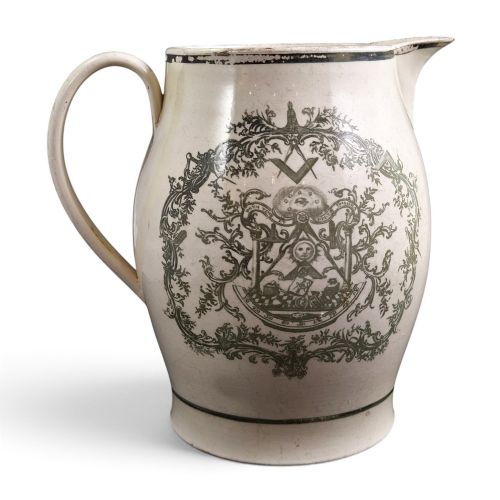
Potters and ceramicists shaped earthenware, creamware, ironstone, and porcelain by hand or on the wheel before applying transfer prints, polychrome enamels, or metallic splash glazes. Glass vessels utilised blowing and overshot techniques, sometimes finished with cut facets or applied gilt rims.
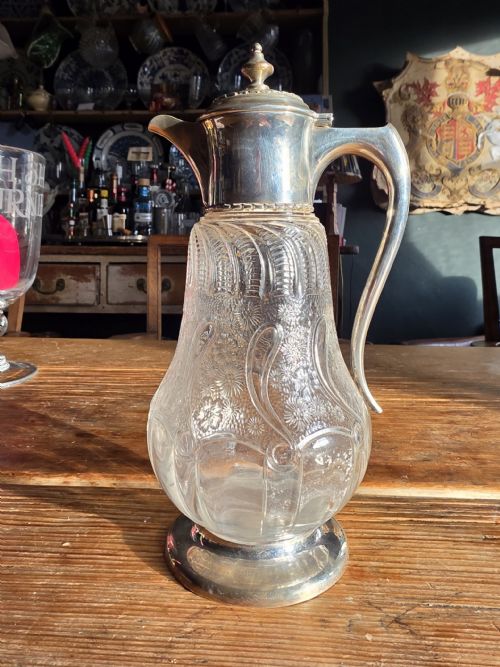
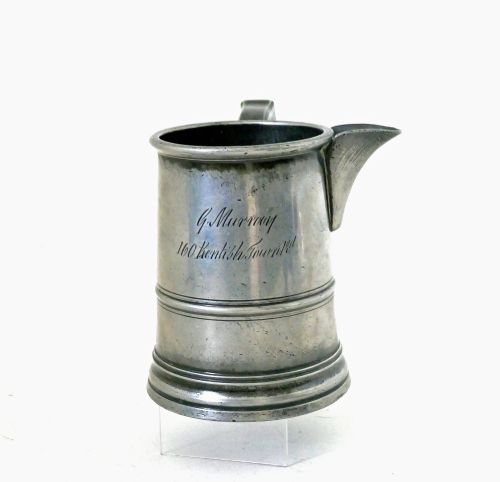
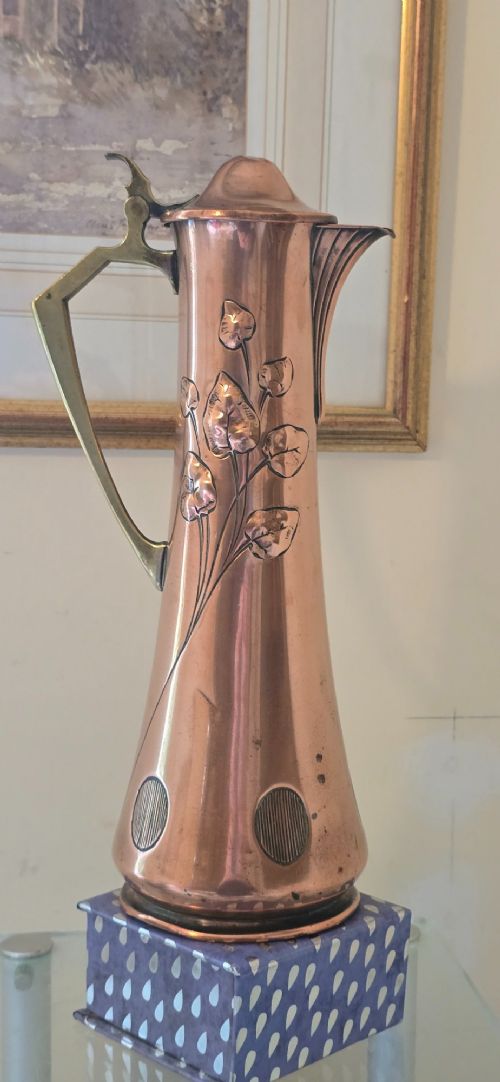
Metalworkers utilised sterling silver, pewter, brass, and copper through casting, chasing, engraving, and hammering. Silver and metal pieces frequently incorporated applied handles, spouts, and hinged lids, occasionally paired with fitted glass bodies.
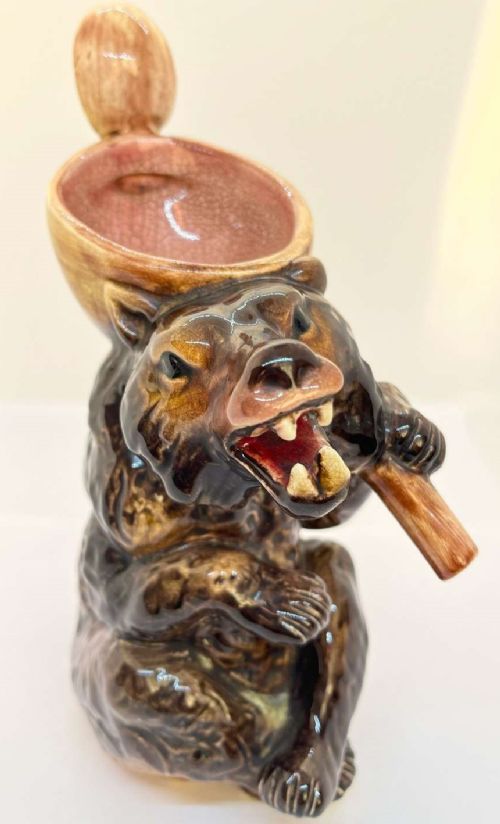
Several Victorian pieces take the form of Scottish thistles, pigs, and bacchus masks, proving that historical hosts enjoyed a touch of wit with their wine.
What varies in quality
Quality rests in the crispness of the modelled form, the precision of transfer printing or hand-painted enamel details, and the weight of the metal or glass. Superior earthenware and porcelain display fine potting walls and well-defined handles without warping from the kiln.
In silver and glass, excellence appears in deep, clean chasing, sharp pillar and prism cutting, and secure mounts. Maker attribution and historical association, such as named maritime scenes or masonic records, elevate the standing of individual pieces.
Asprey and Co. Ltd·Royal Doulton·Doulton Lambeth·Minton·Stevens and Williams
The Antique Pitcher Jug Glossary
- Creamware
- A fine earthenware developed in the eighteenth century with a pale yellow or cream-coloured lead glaze. It became a staple of Staffordshire potteries.
- Lustreware
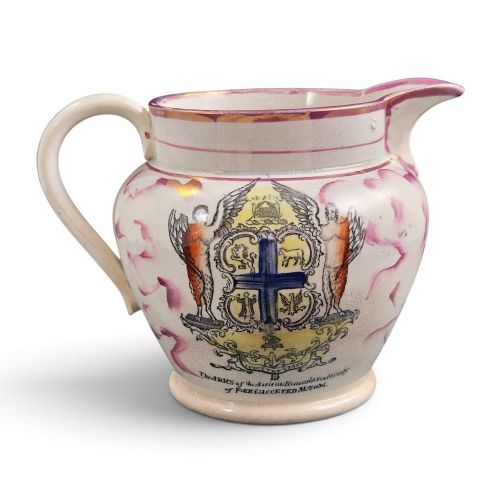
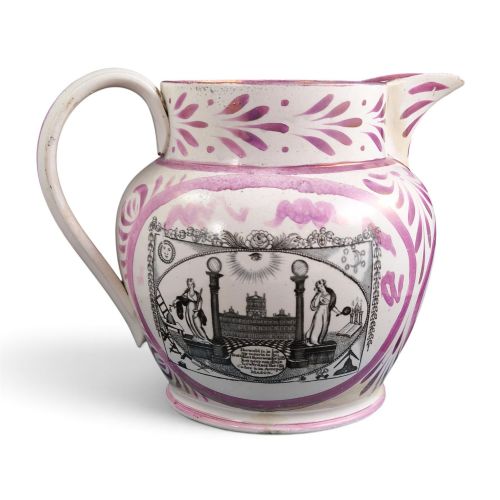
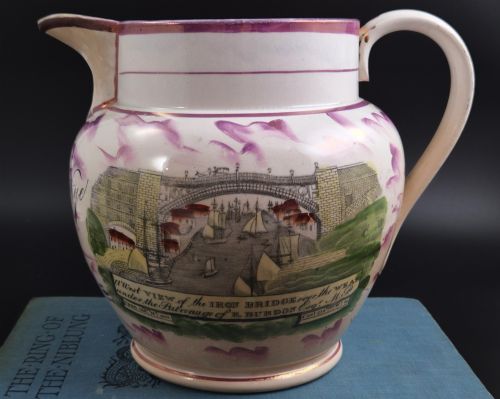
- Earthenware or porcelain featuring a metallic film surface that reflects an iridescent shine. Sunderland pieces frequently display pink splash lustre.
- Claret jug
- A large vessel specifically designed for serving claret or wine at the table. These often combine cut glass bodies with silver mounts and hinged lids.
- Transfer print
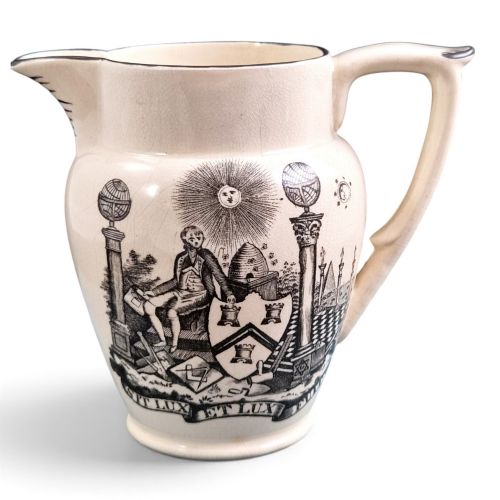
- A decorative technique where an engraved metal plate transfers a design onto paper and then onto the ceramic body before firing.
- Overshot glass
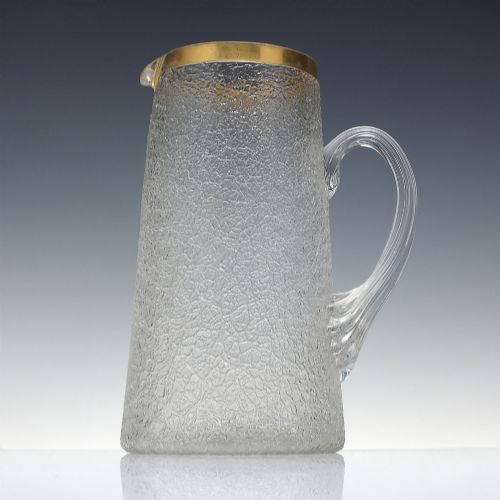
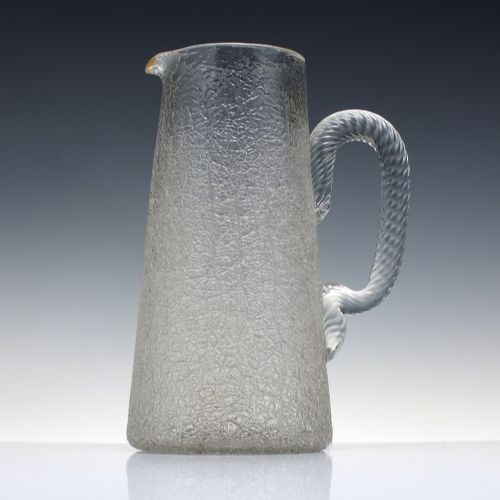
- Glassware covered in a dense network of fine, thread-like glass trails applied during the blowing process.
Antique Pitcher Jug: Frequently Asked Questions
What is the difference between a jug and a pitcher?
In historical British and international usage, the terms often overlap significantly when describing pouring vessels. Generally, a pitcher implies a larger vessel with a handle and lip for water or cider, while a jug covers everything from tiny creamers to large ewers.
On this page, makers and historical periods apply both terms to similar ceramic, glass, and metal forms used at the table or sideboard.
How can I tell a Georgian jug from a Victorian one?
Georgian pieces often feature restrained elegance, seen in creamware bodies, simple pearlware glazes, or neoclassical silver forms. The decorative repertoire relies heavily on hand-painted botanical motifs or early transfer printing.
Victorian examples tend towards heavier ornamentation, embracing colourful transfer prints, lustre highlights, and elaborate figural or botanical embossing. Lustreware and robust earthenware marked the later nineteenth-century expansion of regional potteries.
Were these jugs used daily or kept for display?
Many ceramic and glass pieces served active roles in domestic life for pouring milk, water, beer, or wine at the dining table. Everyday use accounted for the practical shapes found in cream jugs and water pitchers.
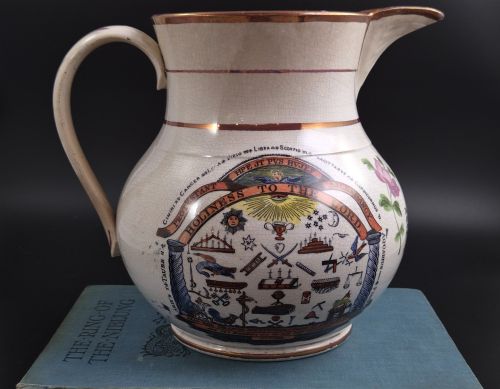
Larger commemorative items, such as Sunderland lustre Masonic jugs or ship jugs, often commemorated events or societies and sat on display shelves or in clubrooms. Fine porcelain and silver examples occupied prominent positions in wealthy households.